 About
About




 Tibet Tours
 Tibet Train Tours
 Himalaya Tours (Tibet-Nepal-Bhutan)
 Private Tours
 Mount Kailash Tours
 Trekking Tours
 Travel Guide
 Tibet Travel Blog
 FAQ
FAQ About us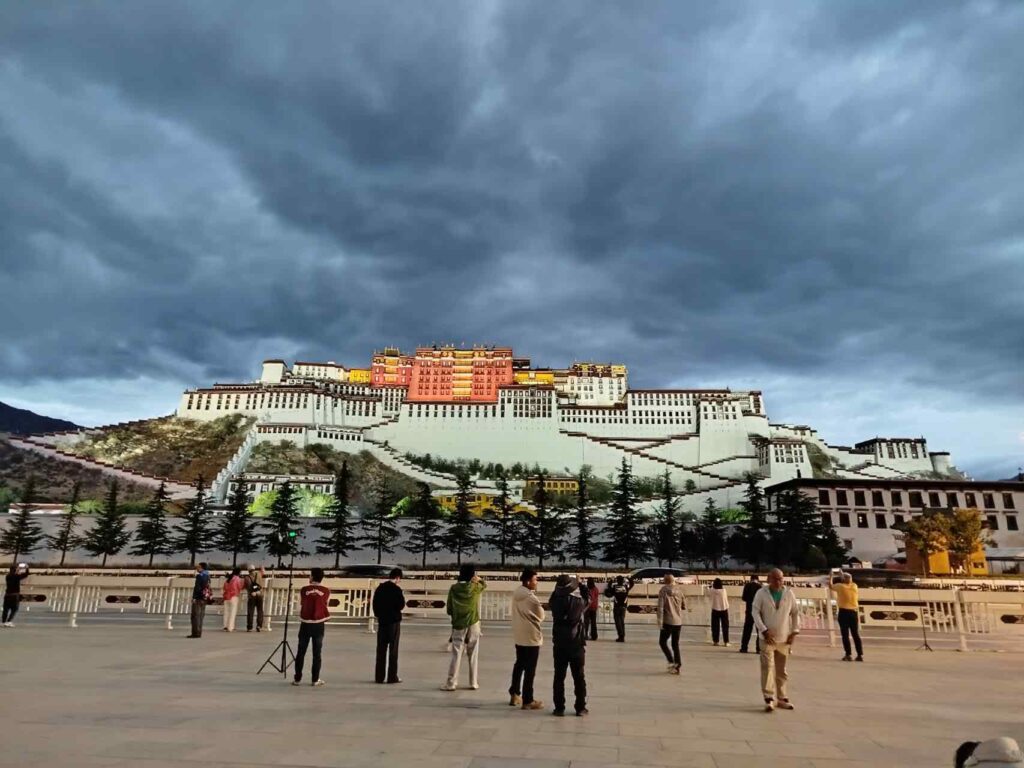
Tibet is the kind of place that makes photographers slow down.
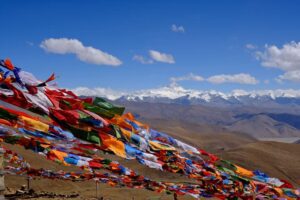
The light can turn the walls of Potala Palace gold in a matter of minutes. Prayer flags move against deep blue skies. Monasteries sit quietly above mountain valleys, while turquoise lakes appear between high passes and wide-open plateaus.
But photographing Tibet takes more than bringing a good camera. You also need to choose the right season, plan around altitude, understand photography etiquette, and select a route that gives you enough time to wait for the right light.
This guide explains the best dates for Photography Tibet Tours 2026, the most rewarding locations, essential camera gear, and the Experience Tibet itineraries that work well for photographers.
Why Tibet is ideal for photography
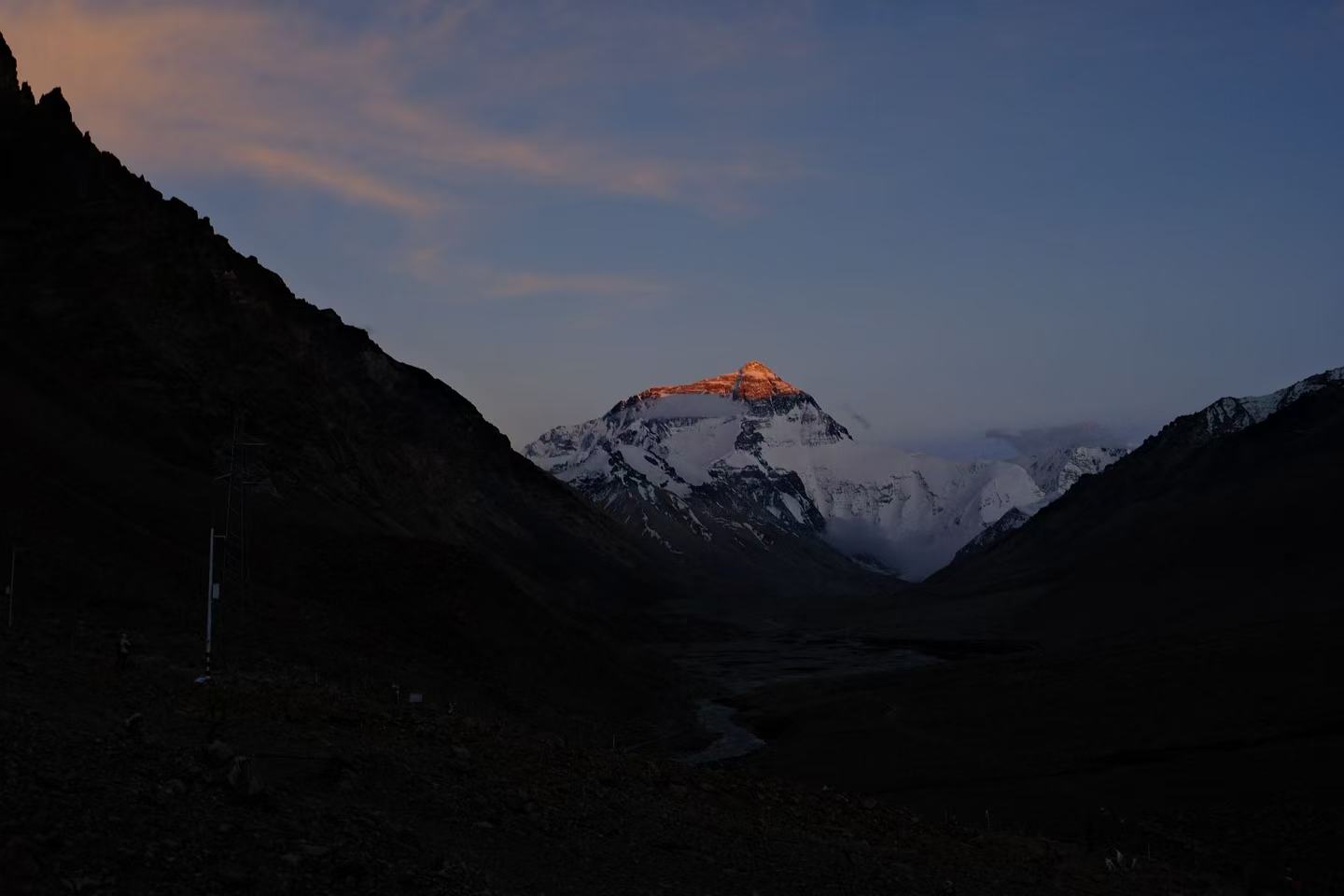
Tibet offers a rare mix of subjects within one journey:
- Historic palaces and monasteries
- Tibetan Buddhist art and architecture
- Pilgrims and local markets
- Prayer flags, mani stones, and incense
- High-altitude lakes
- Snow-covered Himalayan peaks
- Nomadic landscapes and mountain valleys
- Sunrise and sunset light across the plateau
Lhasa alone offers enough material for several days of photography. Beyond the capital, routes toward Yamdrok Lake, Shigatse, Everest Base Camp, Namtso, and other regions add a much wider range of landscapes.
Still, good photographs do not come from rushing between viewpoints. The best images often happen when you stay in one place long enough to notice the details: a beam of light inside a prayer hall, a pilgrim turning a prayer wheel, or the first sunlight reaching a distant ridge.
Photography Tibet Tours 2026: the best dates to travel
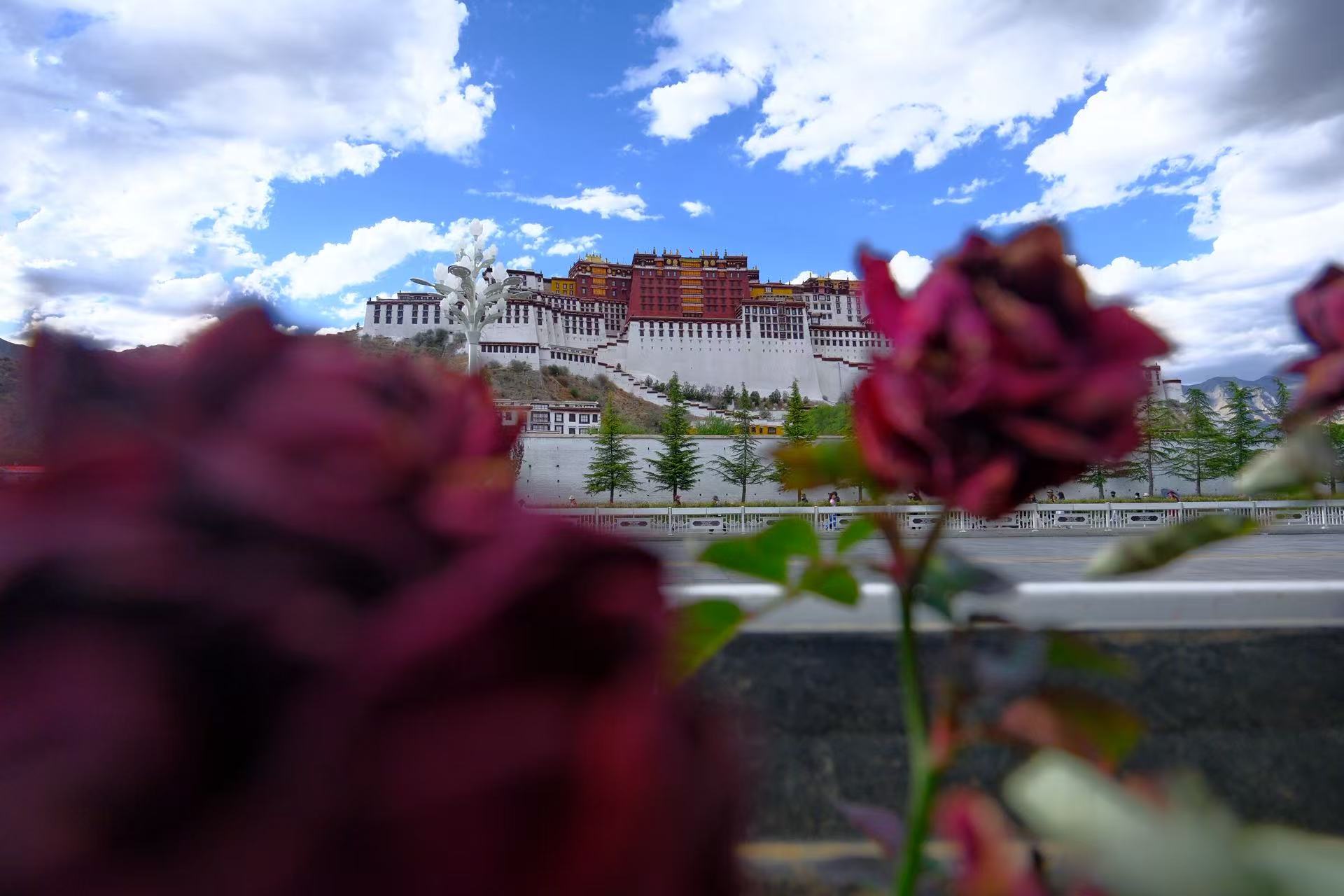
The best time for photography in Tibet depends on the type of images you want to create.
For many travelers, April to October offers the most practical conditions for exploring Lhasa and outdoor destinations. Experience Tibet describes spring and autumn as particularly strong seasons because of generally stable weather, clearer skies, and better mountain visibility.
April and May for clear skies and spring landscapes
April and May are good months for photographers who want:
- Clear mountain views
- Fresh spring light
- Snow still visible on higher peaks
- Fewer summer crowds
- Comfortable conditions for exploring Lhasa
Spring is also a strong period for Nyingchi photography. The Nyingchi valley is known for its peach blossom season, which usually takes place around March and April. Experience Tibet offers an 8-Day Nyingchi Peach Blossom Festival & Lhasa Tour for travelers interested in combining seasonal landscapes with Lhasa.
The exact timing of blossoms can change each year, so confirm the expected dates before booking.
June to August for greener landscapes and cultural events
Summer brings warmer conditions and greener scenery to parts of Tibet. It can be a good period for photographing:
- Green valleys
- Nomadic areas
- High-altitude lakes
- Rural landscapes
- Cultural events and festivals
The eastern parts of Tibet can receive more rain during summer, and weather may change quickly. Cloud cover can also affect mountain photography.
If you travel during these months, pack weather protection for your camera and allow flexibility in your schedule. A cloudy morning is not always a problem, though. Tibet’s dramatic skies can create much stronger photographs than a completely clear blue background.
September and October for the best mountain visibility
September and October are often considered the best all-round months for Photography Tibet Tours 2026.
Experience Tibet describes autumn as a period of stable weather, crisp air, and excellent visibility.
These months are especially attractive for:
- Everest photography
- Snow-covered mountain ranges
- High-altitude lakes
- Golden plateau landscapes
- Clear skies over monasteries
- Strong sunrise and sunset colors
Experience Tibet’s Everest travel guide identifies September and October as a particularly good photography window for Everest Base Camp. October is noted for clear skies and dramatic light, although temperatures become colder.
If your main goal is to photograph Mount Everest, choose the autumn window carefully and confirm the latest route conditions before booking.
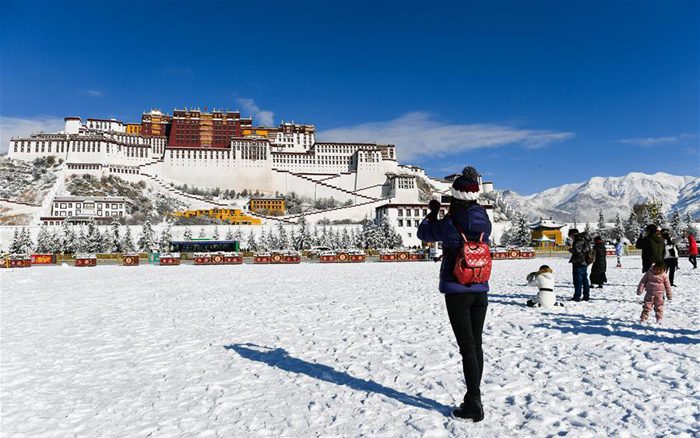
November to March for quiet monasteries and winter light
Winter is colder, but it can offer a calmer photography experience in Lhasa and central Tibet.
Potential advantages include:
- Fewer visitors
- Quieter monasteries
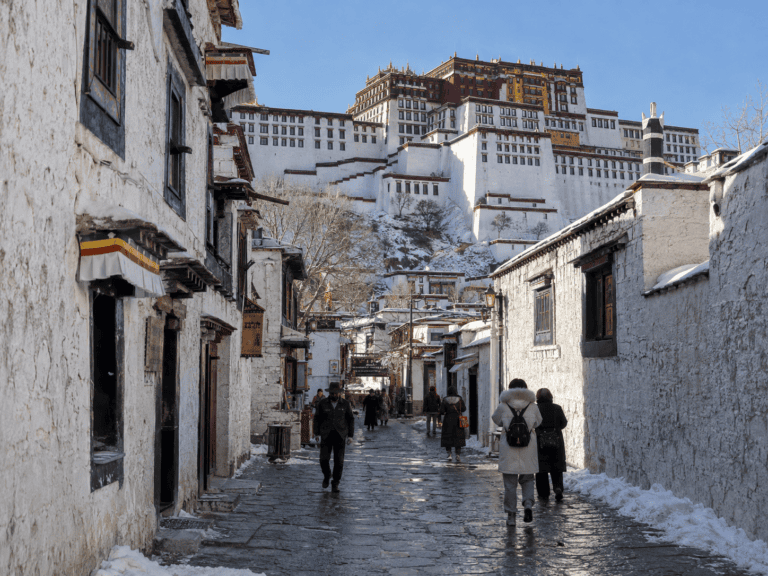
- More atmospheric streets
- Lower-season travel conditions
- Clear, cold light on sunny days
However, some remote routes may have limited access during winter, and temperatures can be very low. Remote landscapes, high passes, and road conditions need to be checked before departure.
Winter may suit photographers who care more about atmosphere, culture, and quiet city scenes than access to every high-altitude destination.
The best photography destinations in Tibet
Lhasa: the best starting point for photography
Lhasa is the natural starting point for most Photography Tibet Tours 2026.
The city offers a strong mix of architecture, religion, daily life, and street photography. Important subjects include:
- Potala Palace
- Jokhang Temple
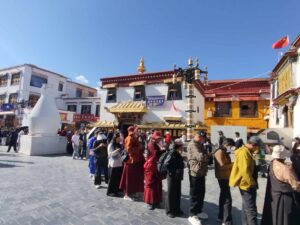
- Barkhor Street
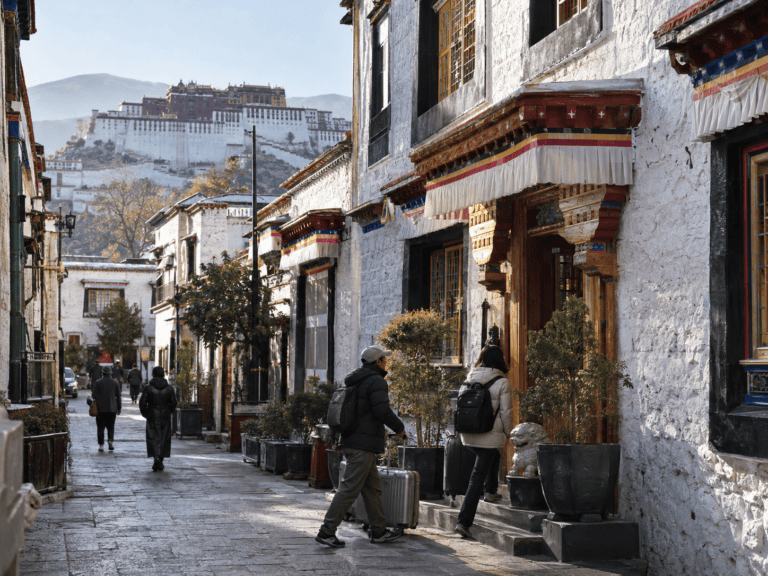
- Traditional courtyards
- Prayer wheels
- Pilgrims and market scenes
- Monastery interiors, where photography is permitted
- Incense smoke and candlelight
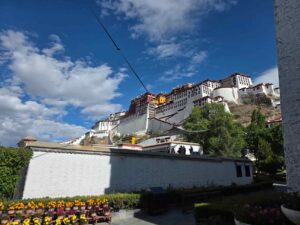
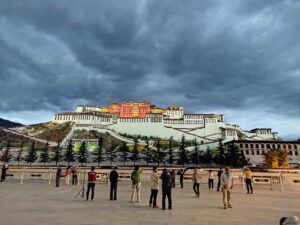
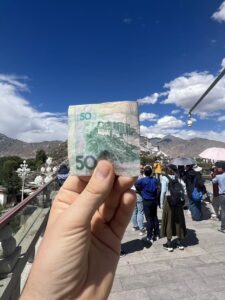
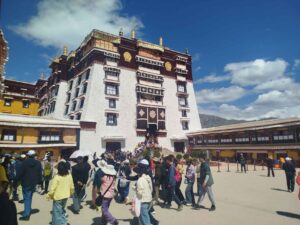
One of the best-known photography moments in Lhasa is the early morning light on Potala Palace. The light changes quickly, so it is worth scouting your viewpoint in advance instead of arriving with five minutes to spare and hoping the mountain of a building cooperates.
Experience Tibet’s Lhasa guide also recommends sunrise photography at Potala Palace and emphasizes respecting religious sites and asking permission before photographing people.
For photographers visiting Tibet for the first time, the 4-Day Lhasa Holy City Tour offers a compact introduction to the capital. It is listed from US$486.
Yamdrok Lake: turquoise water and mountain light
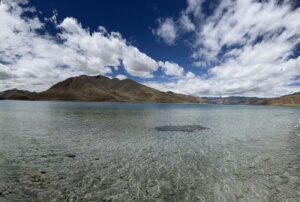
Yamdrok Lake is one of the most popular landscape photography locations near Lhasa.
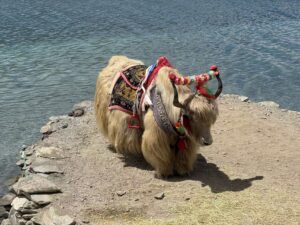
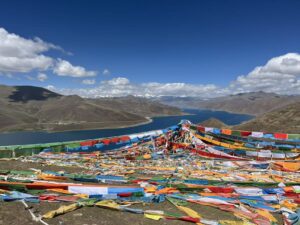
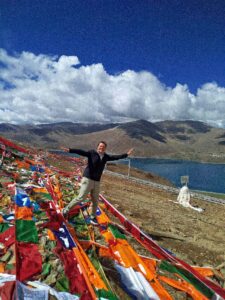
The lake is known for its turquoise color, which can appear different depending on the light, weather, and viewing angle. Mountain passes offer wide views across the water, while prayer flags and roadside details add foreground interest.
The 5-Day Lhasa & Yamdrok Lake Tour combines Lhasa with a visit to the lake. It is listed from US$659. The route gives photographers the chance to work with both urban cultural subjects and open mountain scenery.
Photography tips for Yamdrok Lake
- Use a polarizing filter carefully
- Shoot early or late in the day
- Include prayer flags or people for scale
- Protect your camera from strong wind and dust
- Avoid photographing only the lake from the same viewpoint
- Look for changing reflections and cloud shadows
A wide-angle lens can capture the scale of the lake, but a medium telephoto lens may create stronger compositions by isolating mountain ridges, boats, prayer flags, or distant settlements.
Ganden Monastery: architecture, valleys, and spiritual detail
Ganden Monastery is a good choice for photographers interested in Tibetan Buddhist architecture and mountain settings.
Experience Tibet’s tour information places Ganden Monastery at approximately 4,300 meters, with panoramic views of the Kyi Chu Valley.
The 5-Day Lhasa & Ganden Monastery Small Group Tour may suit travelers who want to focus on:
- Monastery architecture
- Courtyards and rooftops
- Religious details
- Mountain valleys
- Prayer flags and mani stones
- Cultural photography
The current verified tour information does not provide a confirmed price, so request an updated quote from Experience Tibet.
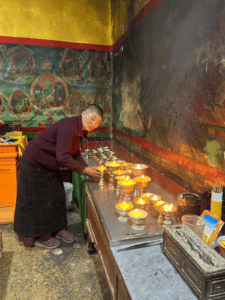
Inside monasteries, always follow the guide’s instructions. Some halls may prohibit photography, while others may allow it without flash. Ask before taking pictures of monks, pilgrims, or religious ceremonies.
Shigatse and Gyantse: central Tibet on the road
The six-day route from Lhasa to Shigatse offers photographers a wider view of central Tibet.
The 6-Day Lhasa to Shigatse Golden Route Tour travels through Lhasa, Gyantse, and Shigatse. It is listed from US$764. 8
This route works well for photographers who enjoy:
- Road photography
- Changing landscapes
- Historic towns
- Monastery architecture
- Local markets
- Mountain passes
- Rural life
The road itself becomes part of the story. Photographing Tibet is not only about reaching a famous landmark. It is also about recording the transition between places.
Everest Base Camp: the Himalayan image
For many photographers, Everest is the main reason to travel to Tibet.
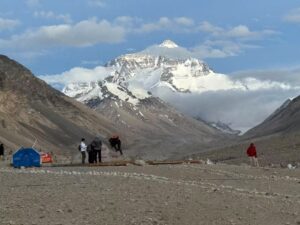
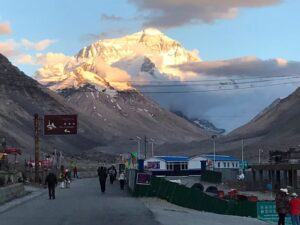
The north side of Mount Everest offers large-scale mountain views, high-altitude landscapes, and a strong sense of distance. The best images may come from more than the classic summit photograph. Look for:
- Prayer flags
- Stone markers
- The road into Rongbuk Valley
- Changing light on the mountain
- Small figures against the landscape
- Local buildings and monastery surroundings
- Textures in the rock and snow
Experience Tibet identifies September and October as an excellent autumn window for Everest photography because of clear skies and dramatic light.
The 8-Day Everest Base Camp Tour includes the route from Lhasa and permits according to the verified tour information. The tour is listed as an eight-day Everest Base Camp itinerary.
Photography considerations at Everest Base Camp
- Bring spare batteries because cold reduces battery life
- Keep batteries close to your body overnight
- Use a lens hood to reduce glare
- Carry a microfiber cloth for dust and condensation
- Do not change lenses unnecessarily in dusty conditions
- Avoid rushing while carrying heavy equipment at altitude
- Follow all local instructions and restricted-area rules
The altitude is a serious part of the experience. A camera bag that feels manageable at sea level can feel surprisingly heavy after a long day on the plateau.
Namtso Lake: wide skies and minimal compositions
Namtso Lake offers the kind of scenery that rewards simple compositions.
The lake, sky, mountains, and open plateau can create photographs with strong negative space. This is an excellent location for:
- Minimalist landscape photography
- Reflections
- Wide-angle compositions
- Timelapse, where permitted
- Sunrise and sunset
- Silhouettes
- Environmental portraits
Experience Tibet offers a 10-Day Lhasa, Everest, Namtso Tour for travelers who want to combine several major photographic areas in one itinerary. The route is more suitable for photographers with enough time for a longer journey.
Photography Tibet Tours 2026: choosing the right itinerary
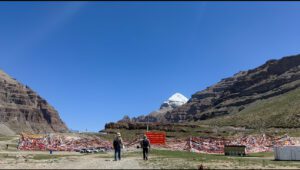
Best short Photography Tibet Tour: 4 days
Choose the 4-Day Lhasa Holy City Tour if you want:
- Potala Palace
- Jokhang Temple
- Barkhor Street
- Lhasa architecture
- A first experience of Tibetan culture
- A compact itinerary
This is the simplest option for photographers with limited time.
Best for lake photography: 5 days
Choose the 5-Day Lhasa & Yamdrok Lake Tour if you want:
- Lhasa street and architecture photography
- Turquoise lake landscapes
- Mountain passes
- Prayer flags and plateau scenery
- A balance between culture and nature
Best for monastery photography: 5 days
Choose the 5-Day Lhasa & Ganden Monastery Small Group Tour if your focus is:
- Tibetan Buddhist architecture
- Monastery details
- Cultural photography
- Mountain views near Lhasa
- A smaller-group experience
Best for central Tibet landscapes: 6 days
Choose the 6-Day Lhasa to Shigatse Golden Route Tour if you want:
- More varied landscapes
- Gyantse and Shigatse
- Overland photography
- Historic sites outside Lhasa
- More time on the Tibetan plateau
Best for Everest photography: 8 days
Choose the 8-Day Everest Base Camp Tour if your main goal is:
- Mount Everest
- Himalayan landscapes
- High-altitude photography
- Rongbuk Valley
- A route that includes time for acclimatization
Best for multiple major landscapes: 10 days
Choose the 10-Day Lhasa, Everest, Namtso Tour if you want to photograph:
- Lhasa
- Everest
- Namtso Lake
- Monasteries
- High-altitude roads and plateau scenery
Photography gear for Tibet
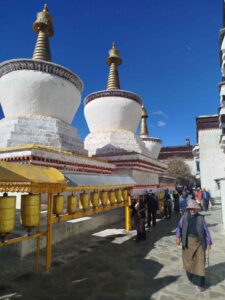
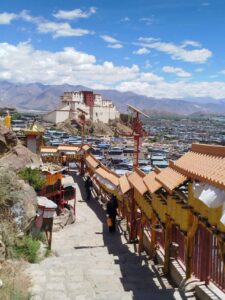
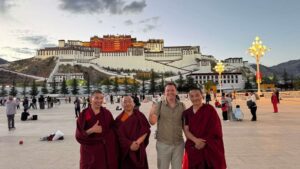
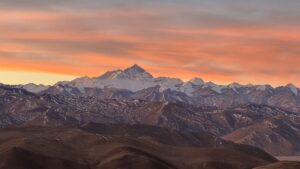
You do not need the most expensive camera system to photograph Tibet well. A reliable camera, one versatile lens, spare batteries, and good protection from the elements are more useful than a heavy bag full of equipment you never remove from the vehicle.
Camera body
Bring the camera body you know how to use.
A full-frame camera can perform well in low light and offer strong dynamic range, but an APS-C or Micro Four Thirds camera can also produce excellent results. Familiarity matters more than the logo on the camera.
If possible, bring:
- One main camera body
- One backup body or a reliable smartphone
- Extra batteries
- Multiple memory cards
- A portable hard drive or cloud backup plan
Lens selection
A practical two-lens setup might include:
- A wide-angle lens for landscapes and architecture
- A standard zoom or medium telephoto lens for details and portraits
A 24-70mm equivalent is useful for many situations. A wider lens helps with interiors and large landscapes, while a telephoto lens can isolate distant mountain features and compress layers of ridges.
Avoid carrying more lenses than you can protect and use comfortably.
Tripod
A lightweight tripod can be helpful for:
- Sunrise and sunset
- Long exposures
- Night skies
- Timelapse
- Group portraits
- Low-light monastery exteriors
However, tripods may not be allowed inside religious buildings or in certain public areas. Always follow local instructions.
Filters
Useful filters may include:
- Circular polarizer for managing reflections and haze
- Neutral density filter for controlled long exposures
- Graduated filter, if you prefer working with physical filters
Use filters carefully. Tibet’s strong sunlight can already create high contrast, and overusing a polarizer can produce uneven skies with wide-angle lenses.
Cleaning and weather protection
The plateau can be dusty, windy, sunny, and cold. Pack:
- Microfiber cloths
- Lens cleaning solution
- Sensor cleaning supplies, if you know how to use them
- Rain cover
- Dry bags or zip pouches
- Dust protection for lens changes
- Extra camera batteries
- Spare memory cards
Cold temperatures can shorten battery life. Keep spare batteries in an inner pocket and avoid leaving equipment exposed longer than necessary.
Smartphone photography in Tibet
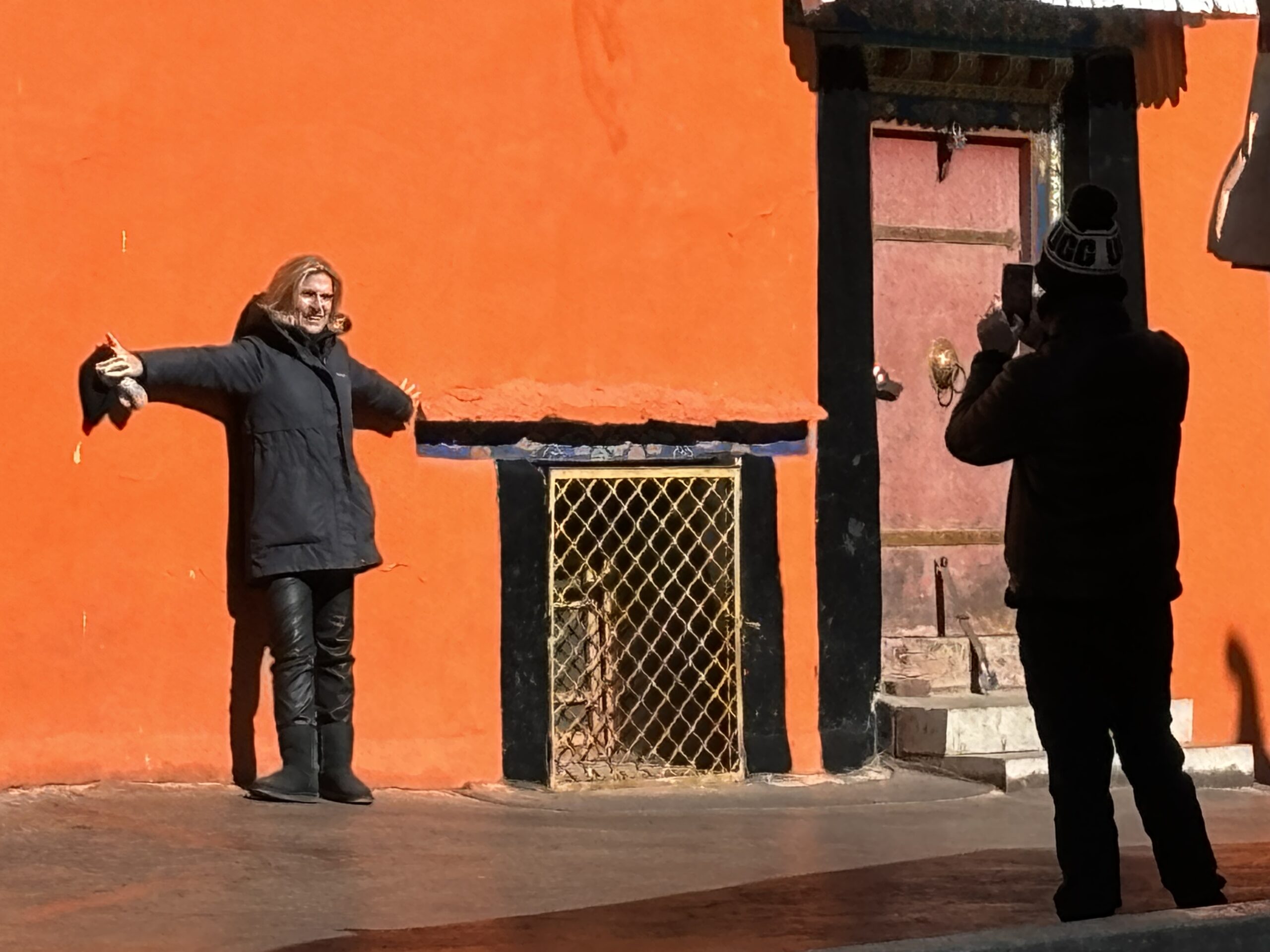
A smartphone is useful for quick photographs, short videos, and location notes.
It is especially practical when:
- You are walking through crowded streets
- You want to remain discreet near religious sites
- You are too tired to carry a larger camera
- You want to share a moment immediately
- You need a backup camera
Use your phone respectfully. Do not let the convenience of a quick photograph override local rules or personal privacy.
How to photograph people respectfully in Tibet
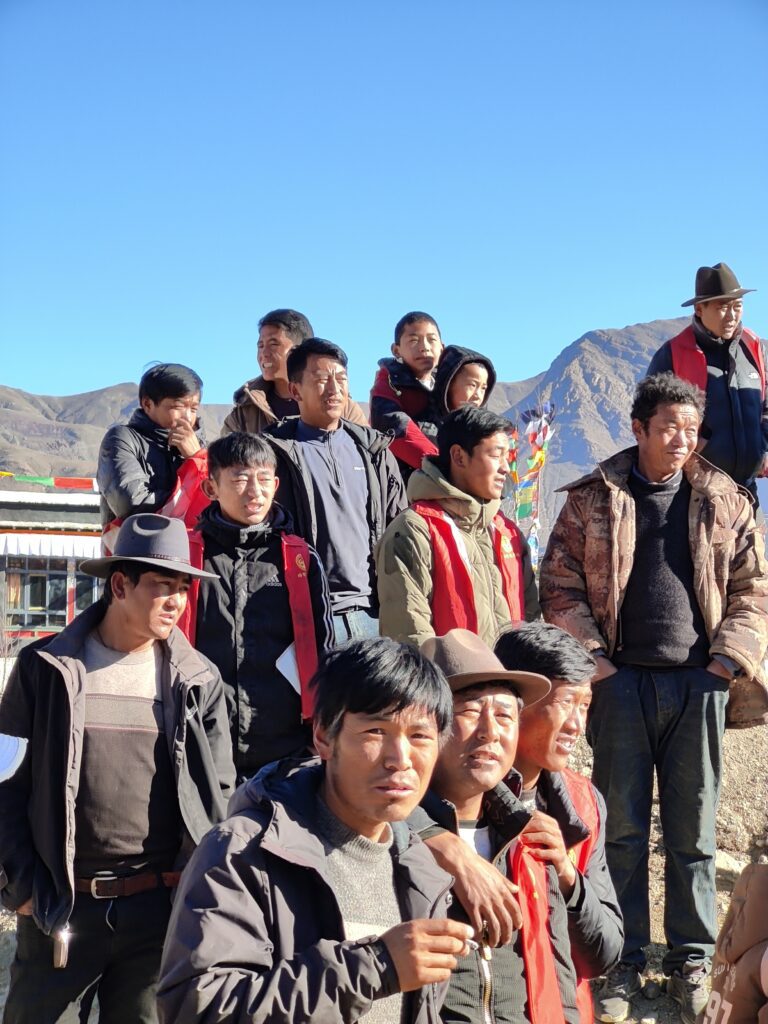
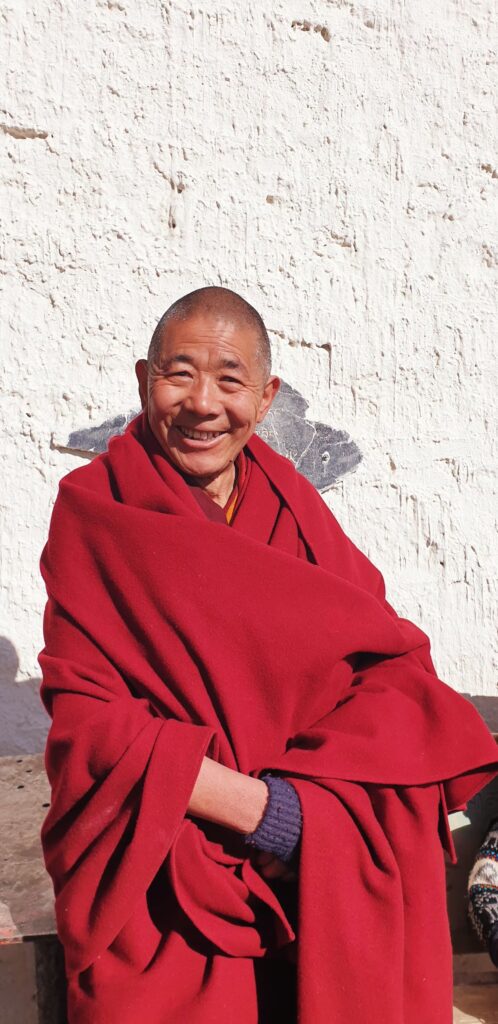
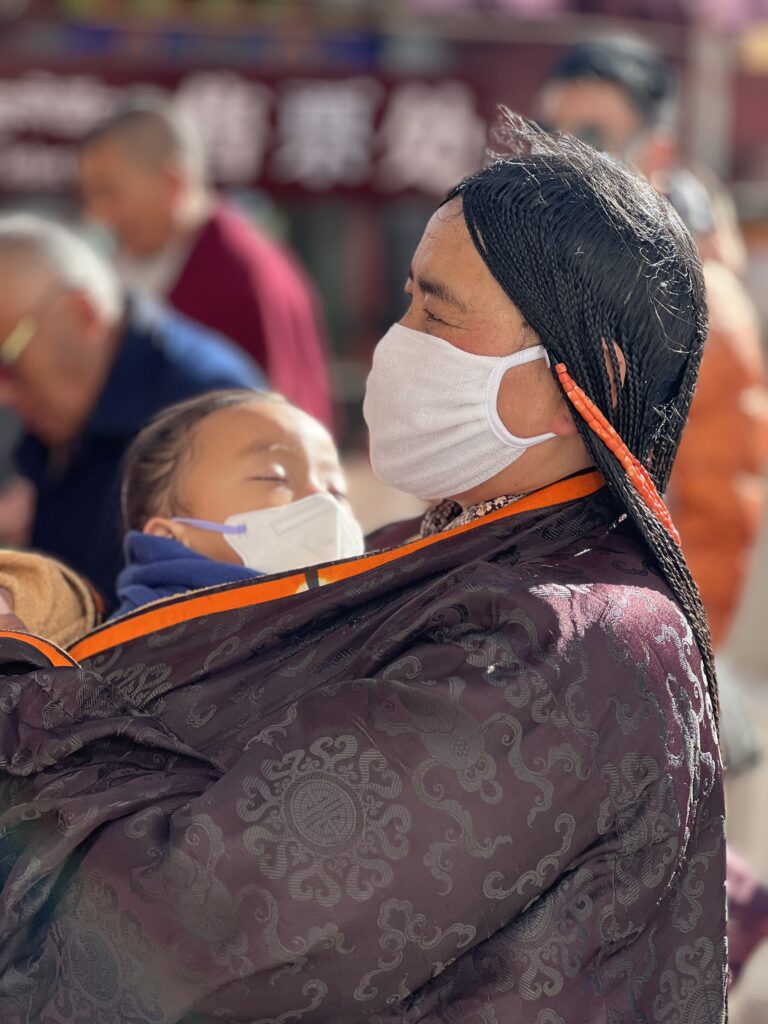
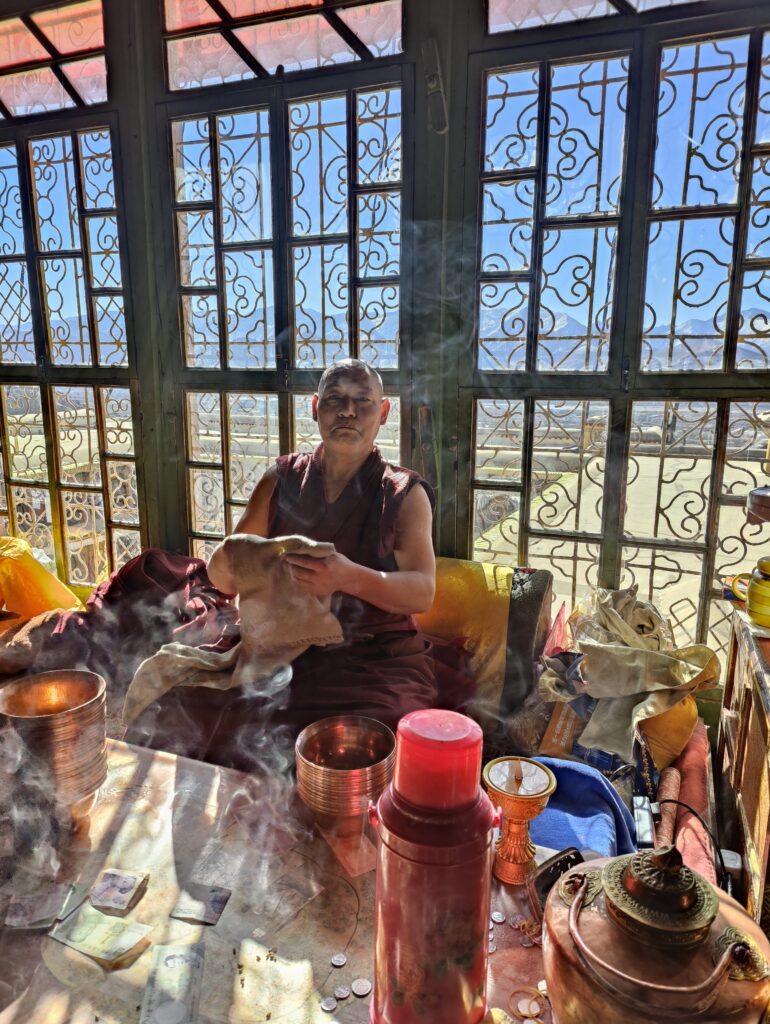
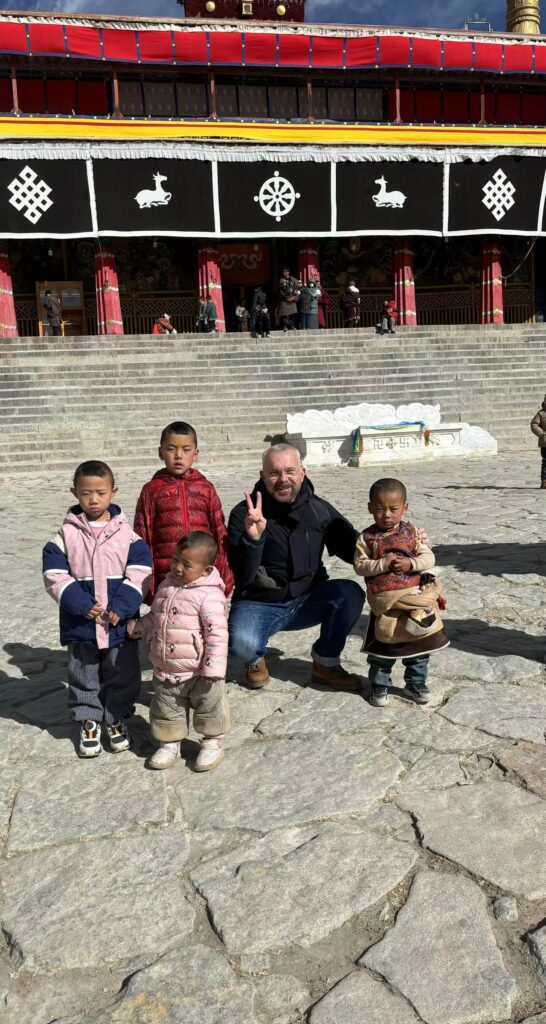
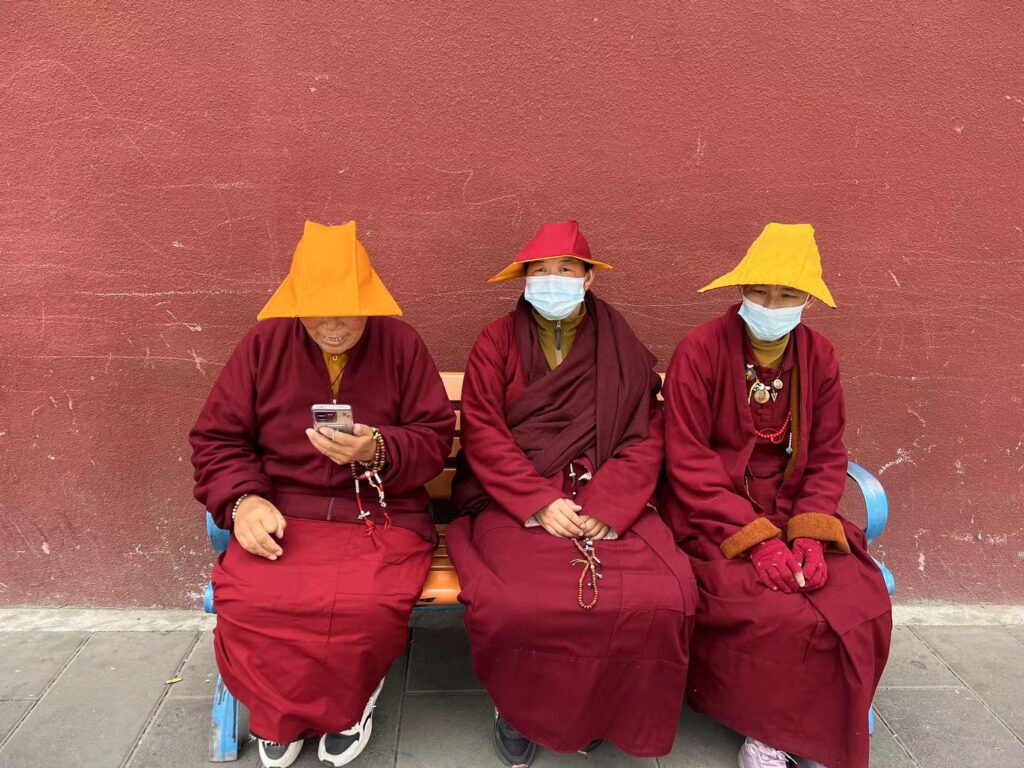
Portraits can become some of the most meaningful photographs from a trip, but they require care.
Before photographing someone:
- Ask permission
- Use a simple gesture if language is a barrier
- Accept no as an answer
- Avoid blocking pilgrims or ceremonies
- Do not interrupt prayer
- Do not photograph restricted religious details
- Offer to show the person the image
- Avoid treating people as scenery
If a guide is with you, ask for help when appropriate. A local guide can explain when photography is welcome and when it would be inappropriate.
The best portrait is usually the one created through a respectful interaction, not the one taken from across a street without the person knowing.
Photography etiquette inside monasteries
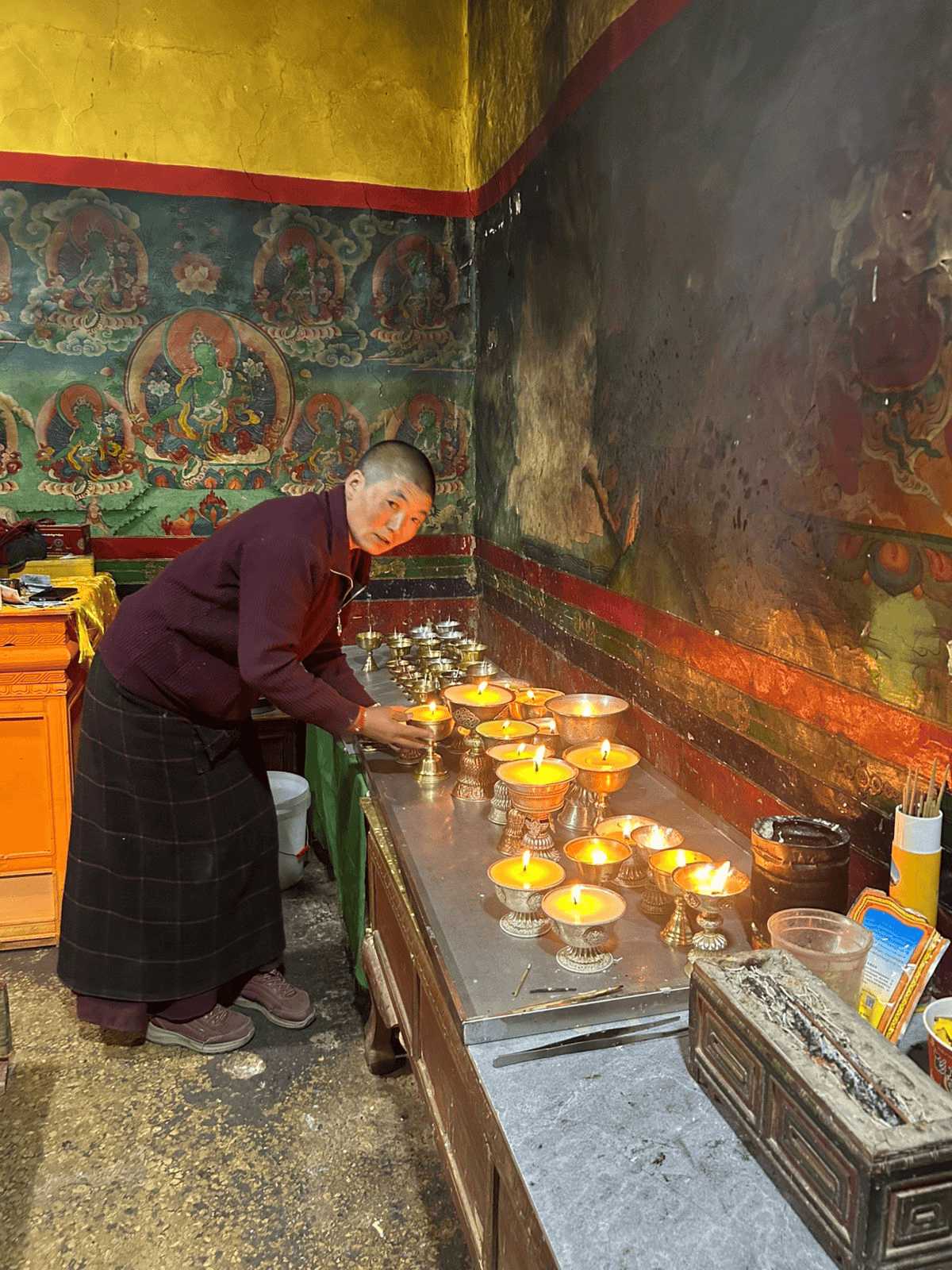
Rules vary from one monastery to another.
Some areas may allow photography, while other halls prohibit it entirely. Flash photography can be especially disruptive and may damage sensitive artwork over time.
Before taking a photograph:
- Ask your guide whether photography is permitted.
- Check for signs.
- Turn off your flash.
- Keep a respectful distance.
- Do not touch statues, murals, prayer objects, or offerings.
- Follow instructions from monks and staff.
Religious buildings are active places of worship, not just photographic interiors. The photograph should never become more important than the people who are there to pray.
Altitude and photography
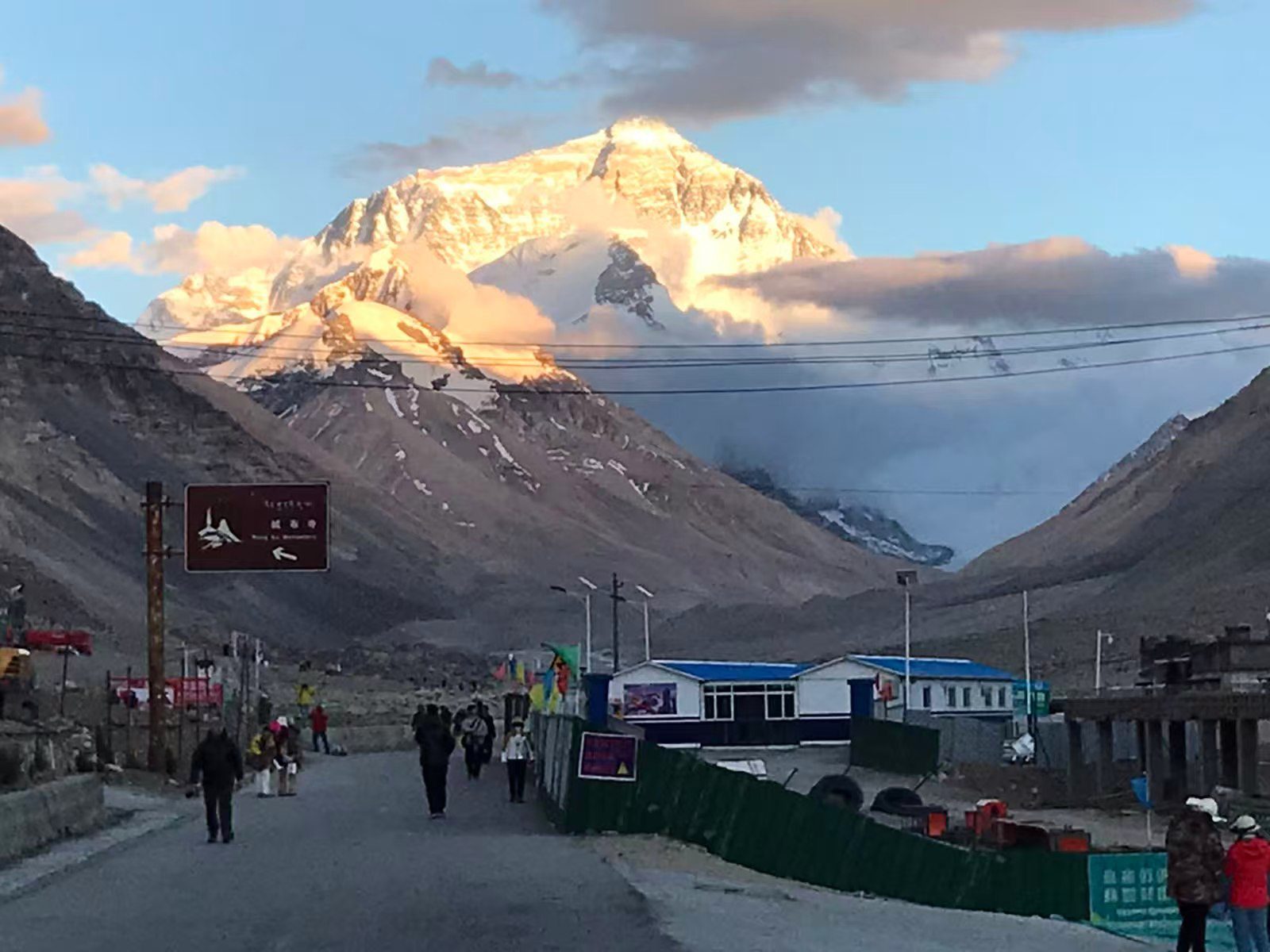
Altitude affects photography more than many travelers expect.
At high altitude, you may notice:
- Shortness of breath
- Headaches
- Fatigue
- Difficulty sleeping
- Reduced concentration
- A slower walking pace
This matters when you are carrying equipment, climbing steps, or waiting outdoors in cold wind.
Experience Tibet recommends allowing time for acclimatization in Lhasa. Its Lhasa travel information advises taking the first day slowly, staying hydrated, and avoiding alcohol while adjusting.
Practical tips:
- Carry only the equipment you need for the day
- Keep water accessible
- Take regular breaks
- Do not chase a photograph if you feel unwell
- Tell your guide if symptoms become worse
- Avoid running or carrying heavy gear uphill
- Protect yourself from strong sun
A missed photograph is disappointing. Ignoring altitude symptoms is a much bigger problem.
Photographing in strong Tibetan sunlight
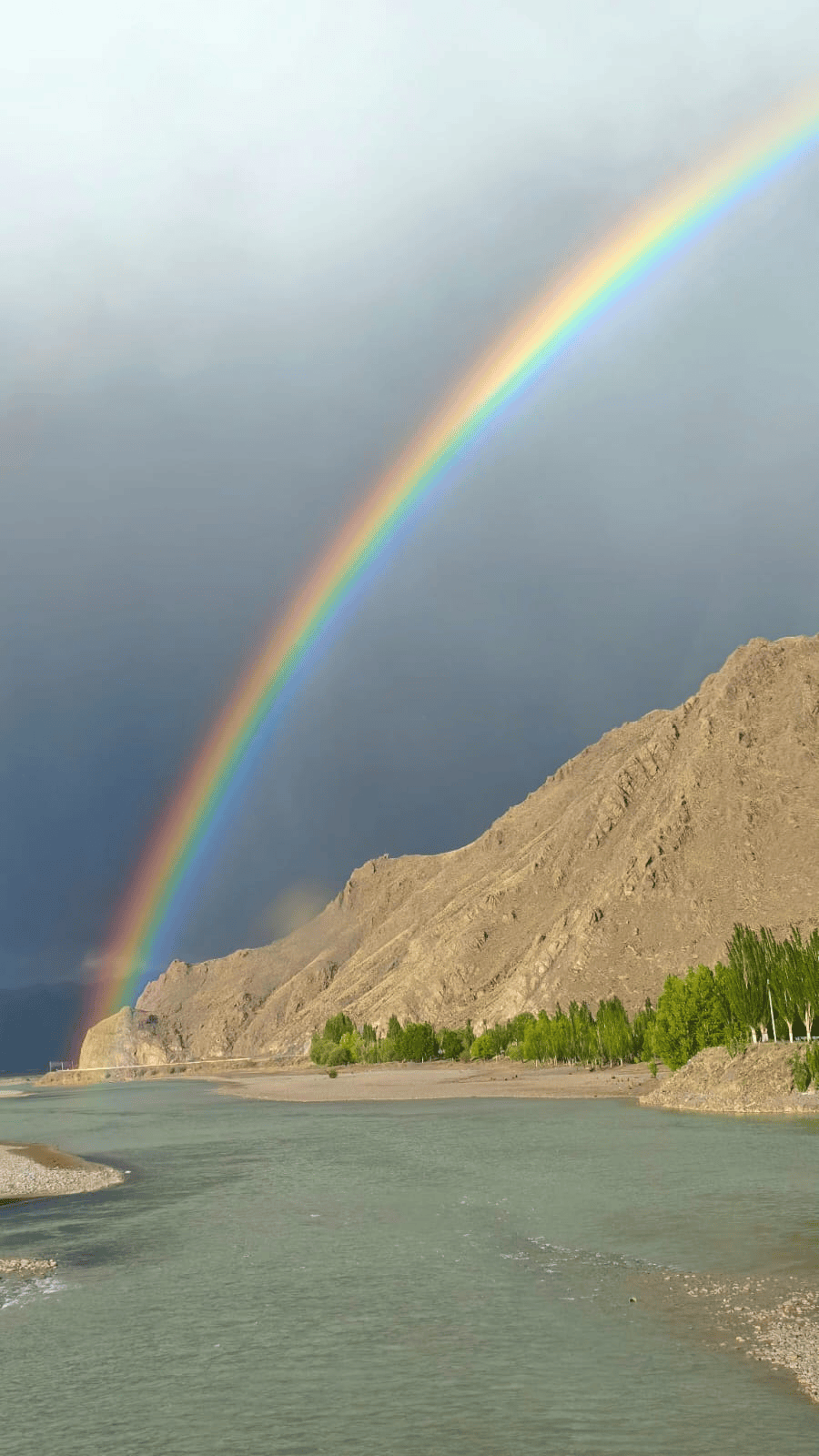
The sunlight on the plateau can be intense, even when the air feels cold.
Bring:
- Sunglasses
- Sunscreen
- A hat
- Lip balm
- Lens protection
- A cloth for dust and fingerprints
For exposure, check highlights carefully. Snow, white walls, and bright clouds can fool your camera’s meter. Use the histogram when possible and consider slight underexposure to protect bright detail.
Morning and late afternoon generally offer softer light. Midday can still work for bold colors, architecture, and high-contrast scenes.
Suggested photography schedule in Lhasa
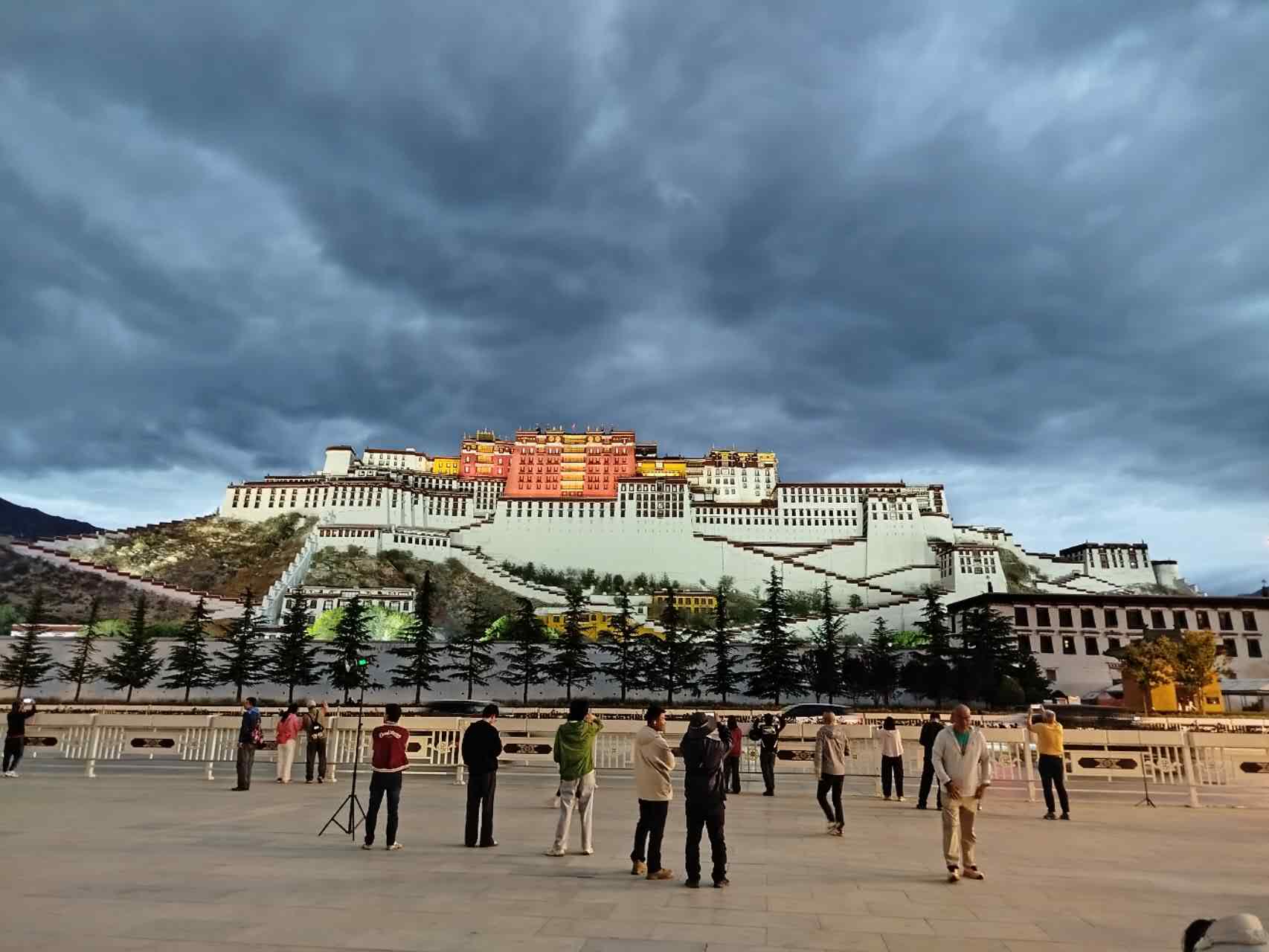
A flexible day in Lhasa might look like this:
Early morning
Photograph quiet streets, rooftops, and the first light on Potala Palace. Early morning is often calmer than the middle of the day.
Late morning
Explore cultural sites with your guide. Use this time for architectural details, courtyards, and carefully permitted interior images.
Afternoon
Rest during the strongest light and give your body time to recover. You can also back up photographs and clean equipment.
Late afternoon
Return outside for portraits, street scenes, prayer flags, and warmer light on buildings.
Evening
Review your photographs, charge batteries, and prepare for the next day.
Photography tours should include time to rest. Otherwise, the photographer may become the least cooperative subject in the group.
What makes an effective photography tour in Tibet?
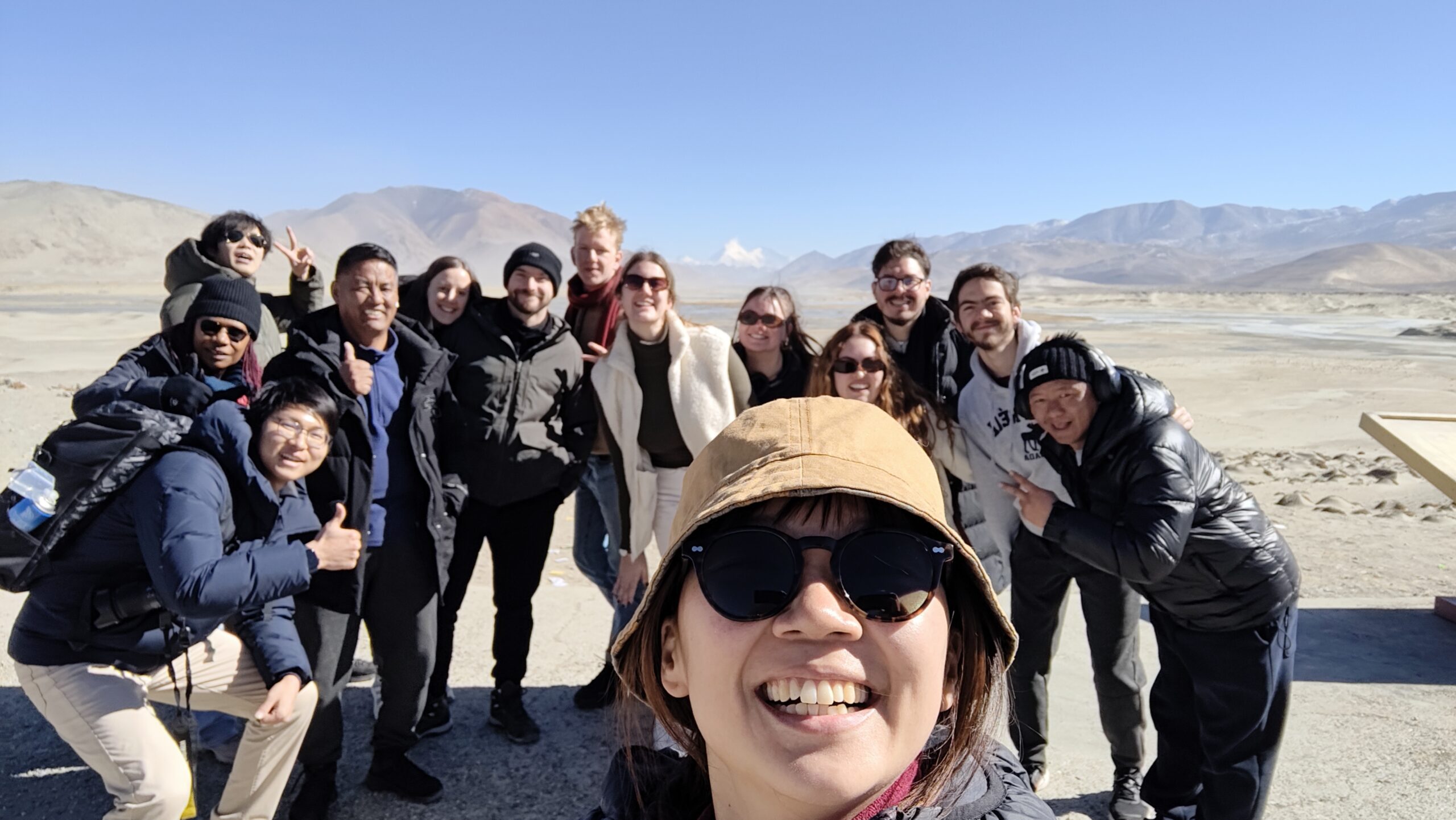
A photography-focused Tibet itinerary should offer more than scenic stops.
Look for:
- Enough time at major locations
- A realistic pace
- Acclimatization in Lhasa
- Local guides who understand cultural etiquette
- Flexible stops where possible
- Safe transport
- Clear permit arrangements
- Group sizes that allow some breathing room
- Time for both landscape and cultural photography
Experience Tibet has over 15 years of experience organizing small-group tours in Tibet, including Lhasa, Yamdrok Lake, Shigatse, Everest Base Camp, and other routes.
The company’s Tibet tours page lists the current itineraries, while its Tibet Travel Guide 2026 covers planning, permits, costs, and seasonal conditions.
Tibet Travel Permit for photographers
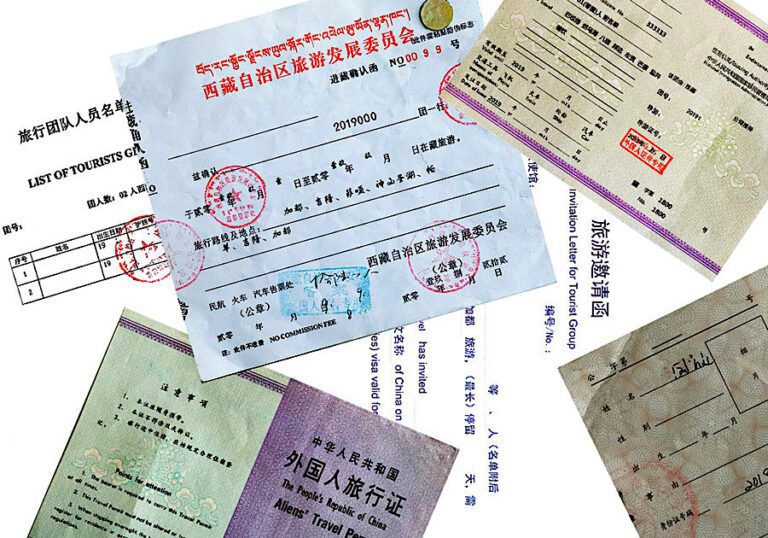
Foreign travelers need a Tibet Travel Permit to enter the Tibet Autonomous Region. The permit must be arranged through a licensed tour operator as part of an organized itinerary.
Experience Tibet states that travelers generally need to provide:
- A clear passport scan
- A Chinese visa or residence permit, where applicable
- Confirmed travel dates
- A confirmed route and accommodation plan
The agency’s permit information states that processing typically takes around 10 to 15 working days after application, although travelers should apply earlier whenever possible.
Photographers should plan ahead because a camera itinerary may include restricted areas that require additional permits. Shigatse and Everest Base Camp, for example, may require supplementary permits depending on the confirmed route.
Read the Tibet Travel Permit guide before booking flights or purchasing non-refundable equipment for the trip.
Final advice for Photography Tibet Tours 2026
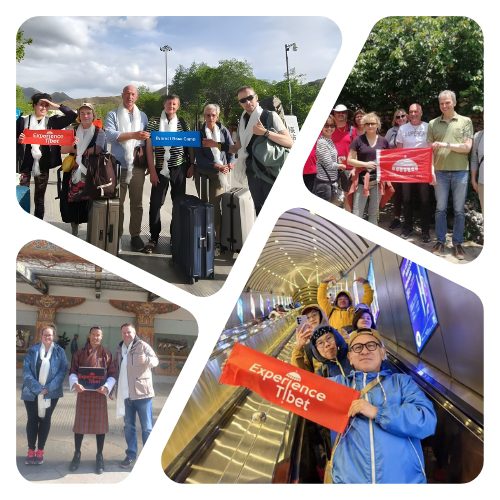
The best camera for Tibet is the one you can carry comfortably, use confidently, and protect from dust, cold, and altitude.
For the best overall photography conditions, consider:
- April to May for clear skies, spring light, and snow-covered mountains
- September to October for crisp air, mountain visibility, and dramatic autumn light
- June to August for greener valleys and cultural events, with greater chance of rain
- November to March for quieter Lhasa and winter atmosphere, subject to route conditions
Choose the itinerary according to your photographic priorities:
- Lhasa for culture and architecture
- Yamdrok Lake for turquoise water and mountain scenery
- Ganden for monasteries and valleys
- Shigatse for road photography and central Tibet
- Everest for Himalayan landscapes
- Namtso for wide skies and minimalist compositions
- Nyingchi for spring peach blossoms
A successful photography trip to Tibet is not about collecting the largest number of images. It is about being present long enough to notice the light, the people, and the details that make each place different.
Ready to plan your Photography Tibet Tour in 2026? Explore Experience Tibet’s tours or contact the local team to discuss your dates, route, photography goals, and permit requirements.