 About
About








 Tibet Tours
 Tibet Train Tours
 Himalaya Tours (Tibet-Nepal-Bhutan)
 Private Tours
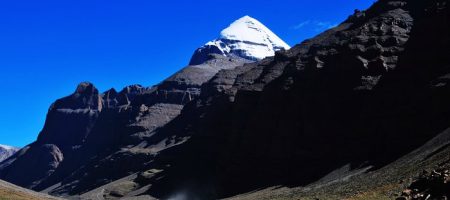
 Mount Kailash Tours
 Trekking Tours
 Travel Guide
 Tibet Travel Blog
 FAQ
FAQ About us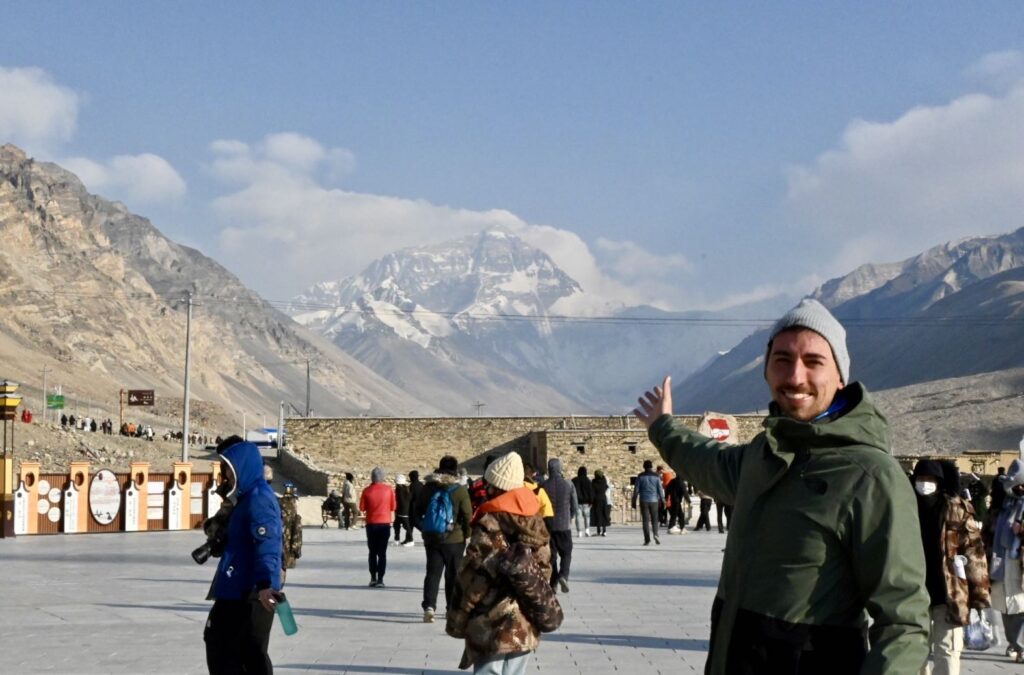
✅ Everest Base Camp Tibet Update — September 15, 2026
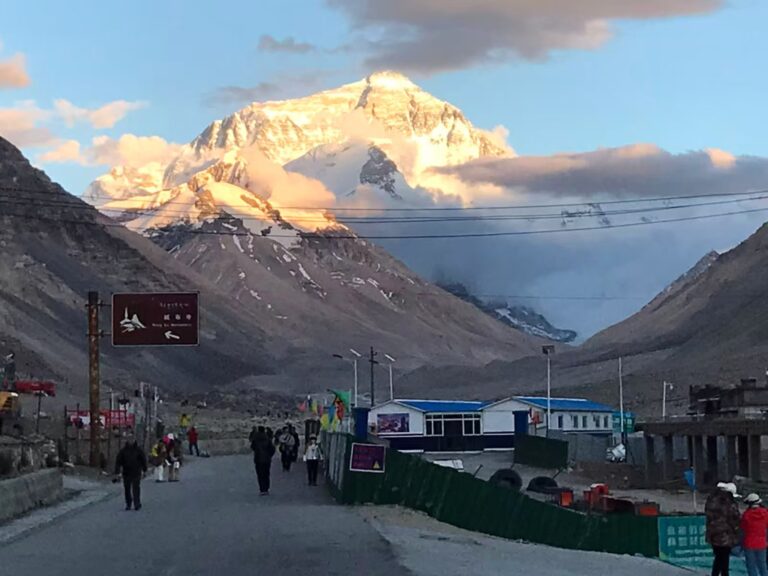
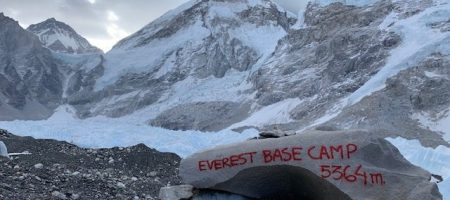
Everest Base Camp (North Base Camp, Tibet side) is available again for new permit applications following the temporary disruption caused by the August 26 flooding.
According to our latest local operational update, applications for tours including Everest Base Camp can now be submitted again. This is an important change from the restrictions introduced immediately after the flooding.
The route through Saga toward the Ngari region is also passable again, improving access for western Tibet itineraries including Mount Kailash.
Travelers should note that the Tibet–Nepal land border remains unavailable for normal tourist crossings at this time. Gyirong Port has not reopened for tourists, while Zhangmu Port may become an alternative crossing but is not currently available and no reopening date has been confirmed.
- Everest Base Camp: permit applications available again.
- Shigatse / EBC tours: new applications can be submitted again according to our latest local update.
- Saga / Ngari route: passable again.
- Gyirong Port: remains unavailable for tourist crossings.
- Zhangmu Port: possible future alternative, but not currently available for tourists.
Recommended Everest Base Camp & Mount Kailash Tours
With Everest Base Camp permit applications available again and access through Saga toward Ngari improving, travelers can once again consider several of our most popular Everest and western Tibet itineraries.
8-Day Everest Base Camp Tour
A classic overland journey from Lhasa through Gyantse and Shigatse to Everest Base Camp on the Tibetan side. View Everest Base Camp Tour →
10-Day Lhasa, Everest & Namtso Tour
Combine Tibet’s cultural highlights with Everest Base Camp and the dramatic high-altitude scenery of Namtso Lake. View Lhasa, Everest & Namtso Tour →
14-Day Luxury Tibet, Everest Base Camp & Mount Kailash Private Tour
A private journey combining Lhasa, Everest Base Camp and Mount Kailash, designed for travelers looking for a more comfortable and personalized Tibet experience. View Luxury Everest & Kailash Tour →
14-Day Nyingchi, Everest Base Camp & Mount Kailash Private Tour
A varied private itinerary linking the greener landscapes of Nyingchi with Everest Base Camp and the sacred Mount Kailash region. View Nyingchi, Everest & Kailash Tour →
15-Day Mt. Kailash Trekking Tour
For travelers focused on western Tibet, this itinerary combines the journey toward Ngari with the Mount Kailash pilgrimage and trekking experience. View Mt. Kailash Trekking Tour →
Conditions and permit procedures can change at short notice. Contact our Tibet travel team before making non-refundable travel arrangements and we will confirm the latest status for your exact itinerary.
Last updated: September 15, 2026
⚠️ Travel update — September 3, 2026
Everest Base Camp (Tibet side, North Base Camp) is temporarily inaccessible following severe flooding on August 26, 2026. Shigatse is open. Active EBC tours are being rerouted to the Tsetang region. This article explains what’s happening and what your options are right now.
You planned your Tibet trip around Everest Base Camp. You’ve been researching permits, altitude, timing. And now you’re reading headlines about flooding, closed borders, and route changes.
Here’s the honest answer to the question most people are typing right now: yes, Everest Base Camp on the Tibet side is temporarily inaccessible as of September 2026. But that doesn’t mean your Tibet trip is over. Shigatse is open. Lhasa is open. Mount Kailash is running. And there are itineraries operating right now that are genuinely worth doing.
This article explains exactly what’s closed, what’s open, and what the real alternatives look like — from our team on the ground in Tibet.
What happened on August 26, 2026
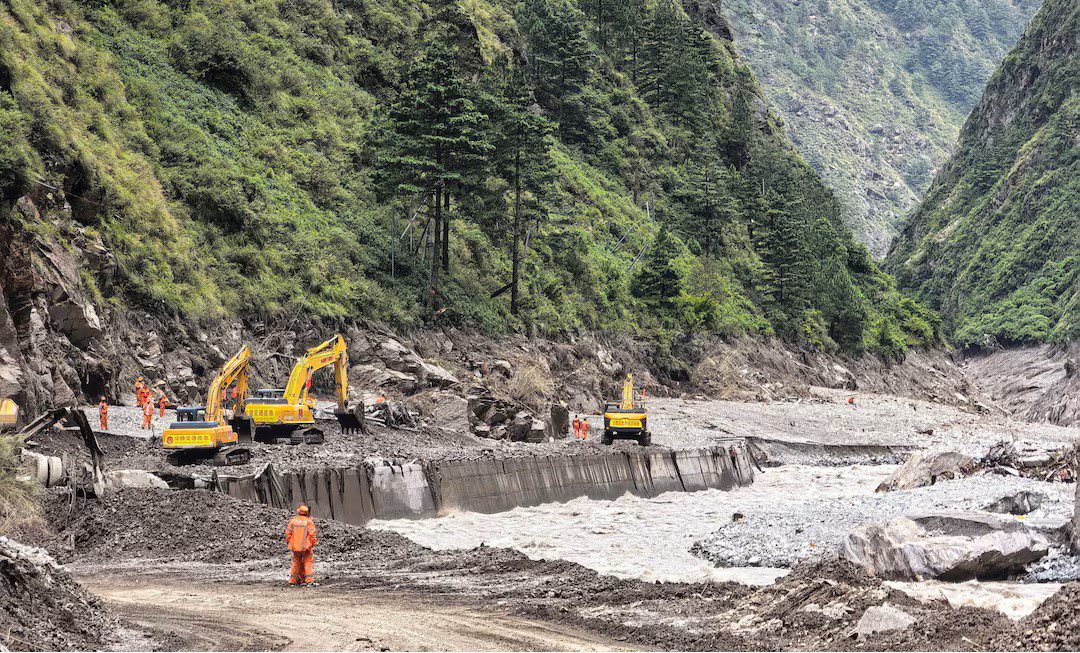
Severe monsoon flooding hit multiple areas of Tibet on August 26, 2026. The main impacts for international travelers:
- Gyirong Port (Gyirong border crossing to Nepal): Destroyed. Currently inoperable with no confirmed reopening date.
- Zhangmu Port (secondary Nepal border crossing): Temporarily closed due to continuous rain shortly after. Expected to reopen.
- Everest Base Camp (North Face, Tibet side): Temporarily inaccessible. Shigatse region is open; EBC itself cannot be reached at this time.
- Mount Kailash: Open. The standard Saga route is blocked, but tours are running via the Northern Grand Route.
- New permit applications for Shigatse and Ali regions: Temporarily frozen immediately after the disaster. Travelers with already-approved permits can continue their journeys.
Tibet–Nepal overland travel is fully suspended while both land border crossings remain closed. Flying between Kathmandu and Lhasa is the only active connection between the two countries right now.
Is Everest Base Camp Tibet permanently closed?
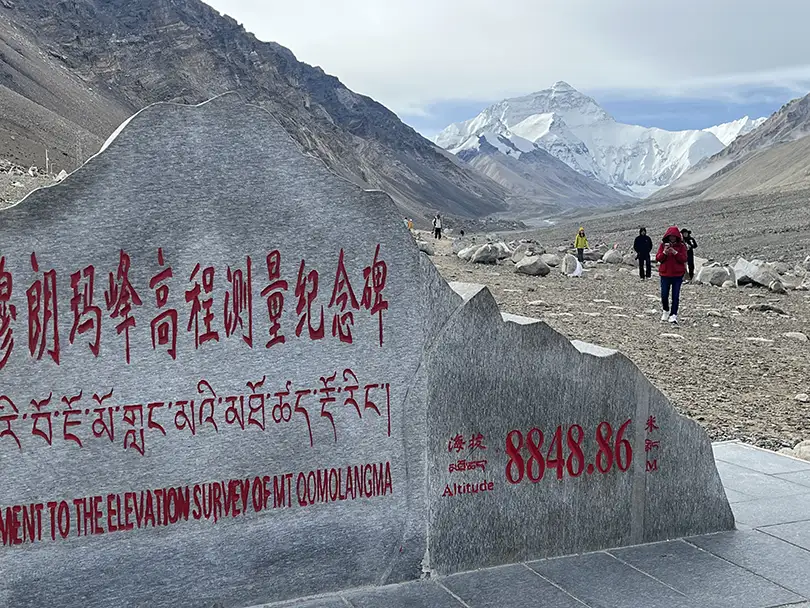
No. This is a temporary disruption, not a permanent closure.
The Tibet side of Everest — the North Base Camp at around 5,200 m, accessed through Shigatse and Rongbuk — has been operating for decades and will reopen. The current inaccessibility is directly linked to the August 2026 flooding and its effects on road and access conditions in the area.
Shigatse itself is open and operating normally. Tashilhunpo Monastery, Gyantse, and the standard western Tibet road are accessible. The specific section that leads from Shigatse through to the Rongbuk area and EBC is what’s currently off-limits.
We’ll update this article as access is restored. If you need current information before we publish it here, contact our team directly.
What’s the Tibet side of Everest Base Camp, exactly?
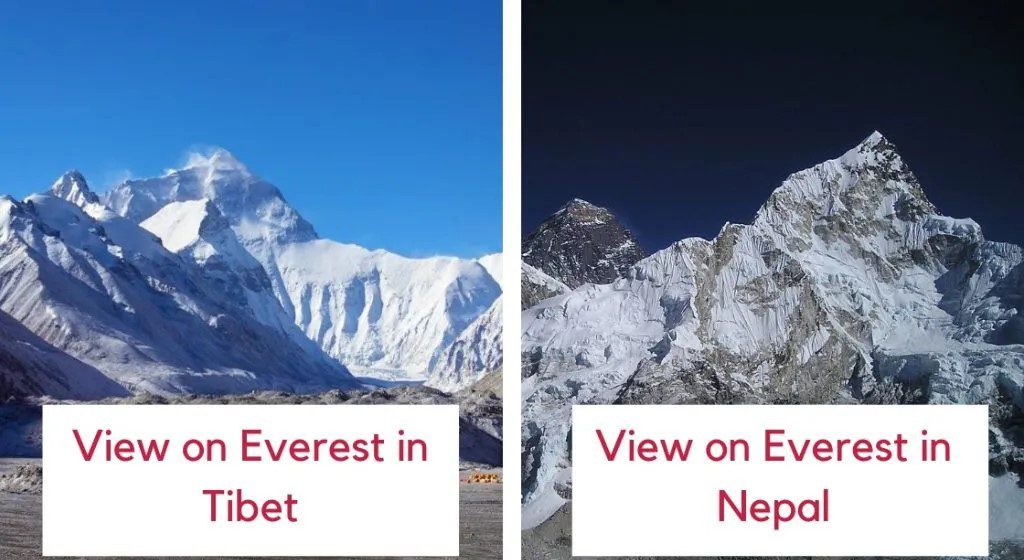
Most people know Everest Base Camp from the Nepal side: the classic Khumbu trekking route through Namche Bazaar. That route is unaffected by what’s happening in Tibet.
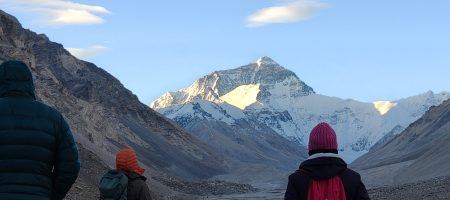
The Tibet side — the North Base Camp — is a completely different experience. You reach it by road from Lhasa through Shigatse, stopping at Rongbuk Monastery (the highest monastery in the world at around 5,000 m) before continuing to the base camp itself. You see the north face of Everest, which many experienced trekkers consider more dramatic than the south view.
The Tibet approach is also significantly more accessible for people who don’t want to do a multi-week trek. It’s a road trip, not a trekking expedition — which is why so many people choose this route.
The 8-Day Everest Base Camp Tour and the 10-Day Lhasa, Everest & Namtso Tour are the main tours that include this route. Both are currently rerouted while EBC is inaccessible.
What’s happening with active EBC tours right now
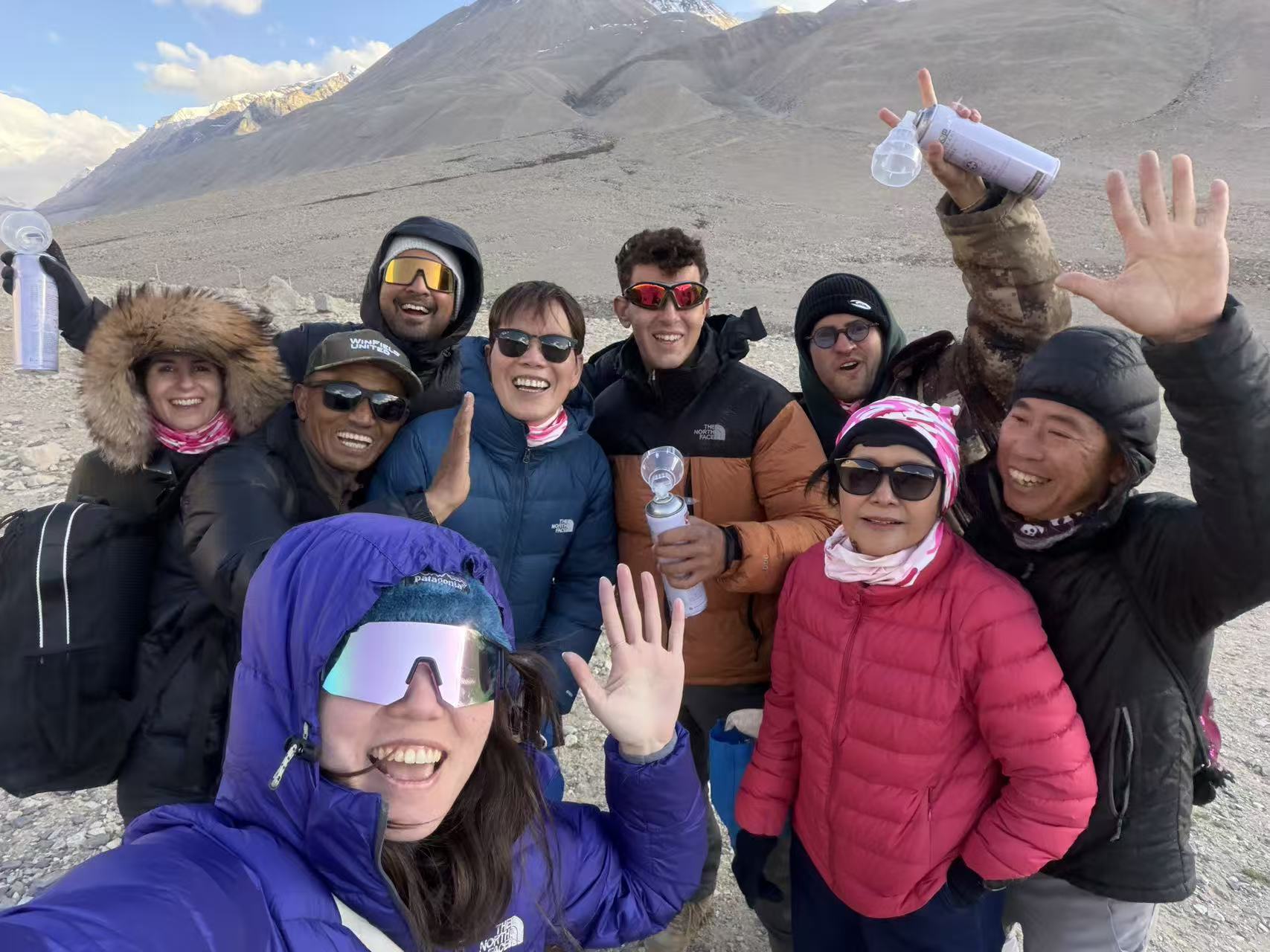
Groups currently on the 8-Day Lhasa to Everest Base Camp tour are being rerouted after Shigatse to the Tsetang (Shannan) region in the Yarlung Valley.
Tsetang is not a consolation prize. It’s where Tibetan civilization actually began. The itinerary includes:
- Samye Monastery — Tibet’s first complete monastery, built in the 8th century under King Trisong Detsen
- Yumbulagang — Tibet’s oldest palace, perched on a narrow ridge above the Yarlung Valley
- Chimpu Meditation Caves — where Padmasambhava and his disciples practiced, still used by hermits today
- Tradruk Monastery — one of the earliest temples in Tibet, with a history connected to the earliest kings
Most international travelers on a standard EBC itinerary never see any of this. The reroute is genuinely different — historically richer and much less crowded than the Everest road.
If you want a dedicated itinerary built around this region, the 8-Day Tibet Cultural & Scenic Tour: Lhasa, Tsedang, Namtso & Beyond was designed exactly for this kind of traveler.
The best Tibet alternatives right now (September 2026)
1. Tsetang and the Yarlung Valley — Tibet’s forgotten origin story
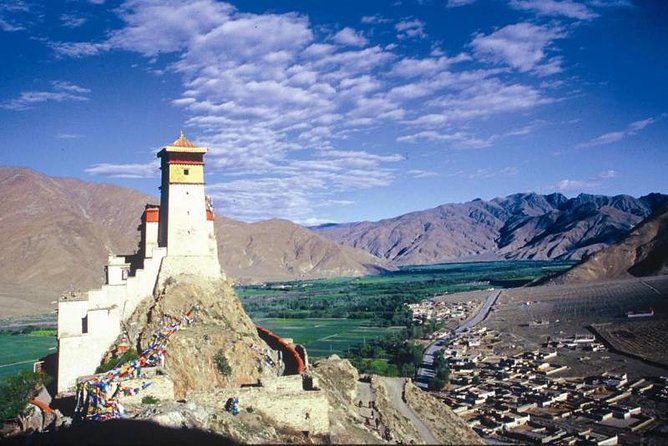
The Yarlung Valley is where everything started. The first Tibetan kings, the first monastery, the first palace. It sits at around 3,500 m — slightly lower than Lhasa — and most visitors are Tibetan pilgrims, not foreign tour groups.
Samye Monastery alone is worth the trip. Its architecture is a three-dimensional mandala designed to represent the Buddhist universe, with a central temple surrounded by smaller structures at the cardinal points. Nothing else in Tibet looks like it.
Pair it with Namtso Lake to the north, Ganden Monastery on its ridge, and Drak Yerpa’s cliffside caves, and you have an 8-day itinerary that covers sacred history, dramatic scenery, and almost no other foreign tourists.
Tour: 8-Day Tibet Cultural & Scenic Tour: Lhasa, Tsedang, Namtso & Beyond
2. Mount Kailash — the pilgrimage that’s actually running
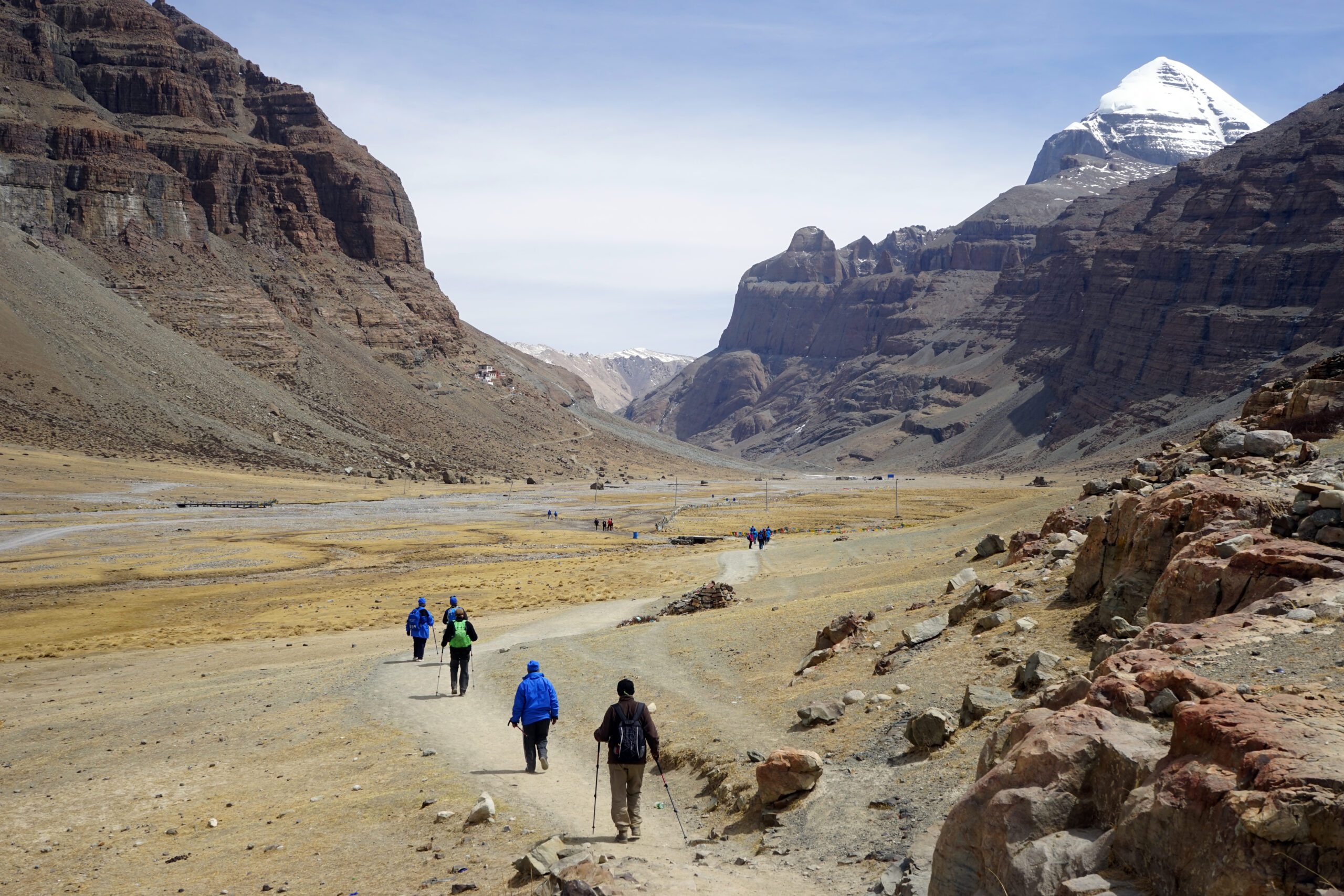
Mount Kailash is open. Groups are moving. The standard Saga road is blocked, but our current Kailash tours are using the Northern Grand Route, which crosses the Changtang plateau before heading south to Darchen.
The Kailash Kora — the 52km circuit around the sacred mountain — is fully accessible. Drolma La Pass at 5,630 m is open. The lake Manasarovar is reachable. This is the most important pilgrimage site in all of Himalayan Buddhism, and it’s operating right now.
The Northern Grand Route adds driving days but also adds some of the most remote scenery in Tibet: the Changtang wildlife plateau (wild yaks, antelopes, kiangs), the sacred Bön lake Dangra Yumco, and Wenbu South Village with its traces of the ancient Zhangzhung kingdom. Most Kailash tours never reach any of this.
Note: new permit applications for the Ali (Ngari) region — which includes Kailash — were temporarily frozen after August 26. Travelers with already-approved permits can proceed. Contact us to check your current permit status.
Tour: 15-Day Mount Kailash Kora & Northern Tibet Loop Tour from Lhasa
3. Lhasa — still Tibet’s greatest city
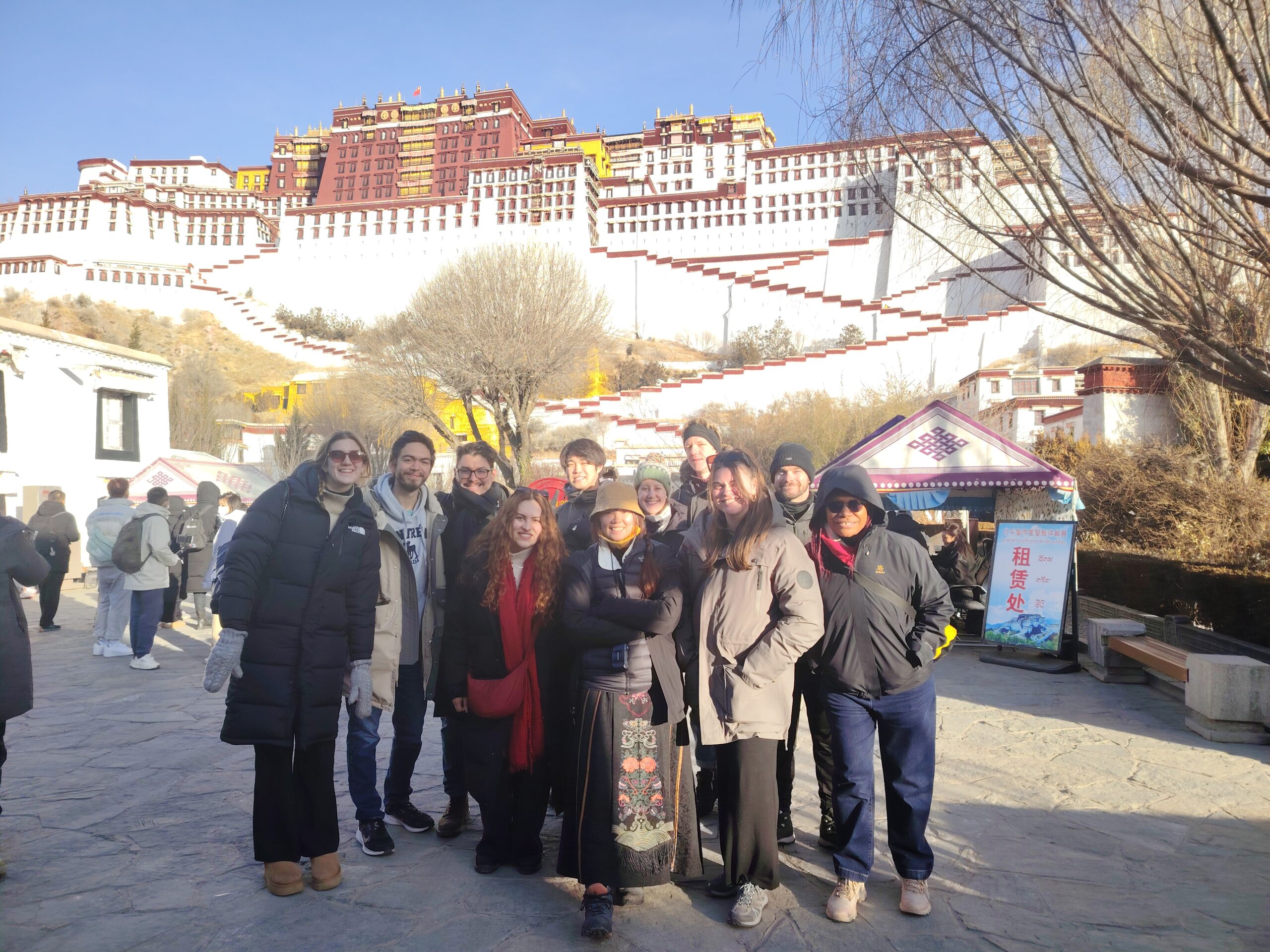
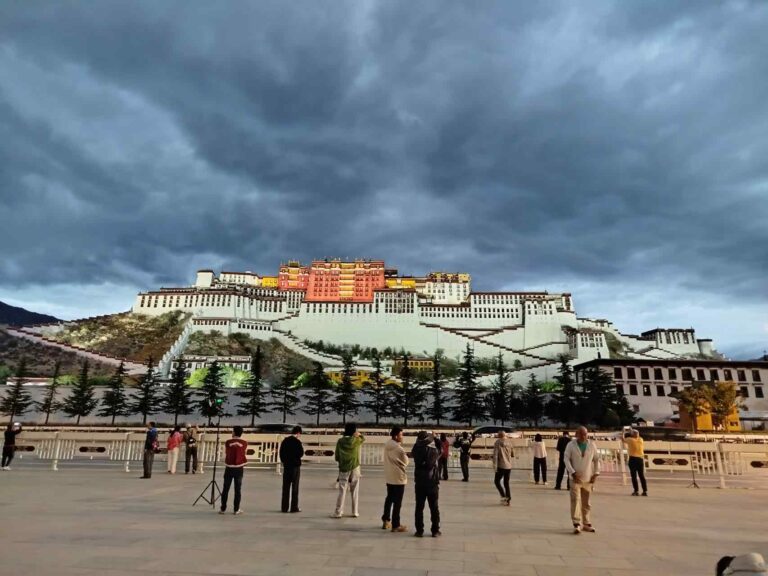
Lhasa is fully open and unaffected by the flooding. The Potala Palace, Jokhang Temple, Barkhor Street, Sera Monastery, Drepung Monastery — all of it is operating normally.
A Lhasa-focused itinerary is also the right choice for first-time Tibet visitors who want to understand the culture before venturing further. The 4-Day Lhasa Holy City Tour is the entry point, and the 6-Day Lhasa to Shigatse Tour extends it west with Yamdrok Lake, Gyantse, and Tashilhunpo Monastery.
What about traveling from Nepal to Tibet right now?
Both Tibet–Nepal land border crossings are currently closed:
- Gyirong Port: Destroyed by the August 26 flooding. No confirmed reopening date.
- Zhangmu Port: Temporarily closed due to continuous rain. Expected to reopen.
Flying between Kathmandu and Lhasa is the only active option right now. Direct flights operate regularly and are completely unaffected by the border situation.
Our 8-Day Himalayan Adventure from Nepal to Tibet is currently suspended for the overland version. If you want to travel Nepal to Tibet now, we can put together a Kathmandu–Lhasa flight itinerary. Contact us for options.
For the full picture on border crossing status and what this means for specific tours, read our updated guide: Nepal to Tibet Border Crossing at Gyirong: Step-by-Step Guide (updated September 2026).
What about Tibet Travel Permits?

The Tibet Travel Permit situation as of September 2026:
- Lhasa region permits: Being processed normally.
- Shigatse region permits: New applications temporarily frozen after August 26. Travelers with already-approved permits can travel.
- Ali (Ngari) region permits (including Kailash): New applications temporarily frozen. Already-approved permits valid.
This means that if you’re planning a new trip to EBC or Kailash for late 2026, the permit situation is a key factor to discuss before booking. We handle all permit applications for every tour. Read our full Tibet Travel Permit guide or contact us directly.
When will Everest Base Camp Tibet reopen?
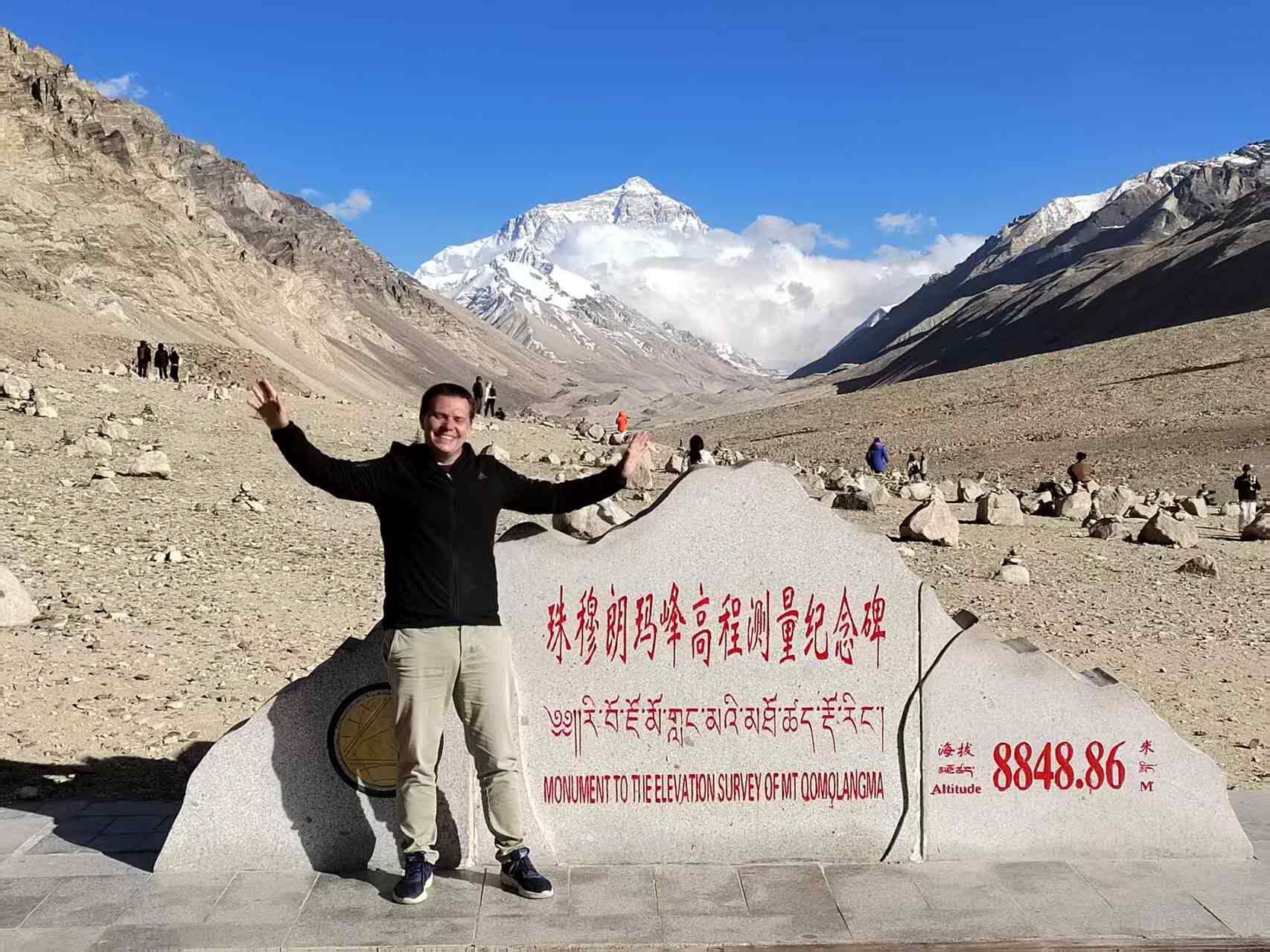
We don’t have a confirmed date. The damage from the August 26 flooding was significant in multiple areas, and access to EBC depends on road conditions that are still being assessed.
What we can say: this is a temporary closure, not a permanent one. Tibet has navigated border closures, earthquake damage, policy changes, and pandemic restrictions before. The route will reopen. When it does, this article will be updated.
If you’re planning a trip for 2027 and want EBC on the Tibet side, it’s worth talking to us about realistic timeline expectations for your travel dates.
Honest advice for travelers planning Tibet right now
Here’s what we’d tell anyone who contacts us today:
- If Everest was your only reason for coming: consider waiting for confirmed EBC access, or pivot to Kailash or Tsetang — both are operating and both are genuinely exceptional.
- If you have flexible dates and want the full western Tibet experience: Kailash via the Northern Route is running and is one of the most complete Tibet itineraries available right now.
- If you want Lhasa and surroundings: come. Nothing in central Tibet is affected.
- If you were planning a Nepal–Tibet overland trip: fly for now. The route will reopen, but we don’t have a timeline.
- If you already have approved permits for Shigatse or Ali: your trip can go ahead with adapted routing. Contact us and we’ll work out the current best itinerary for your dates.
Tours running right now
Currently available tours (September 2026)
- 15-Day Mount Kailash Kora & Northern Tibet Loop — Lhasa to Kailash via Northern Grand Route, Changtang, Dangra Yumco, Namtso. Running now.
- 8-Day Tibet Cultural & Scenic Tour: Lhasa, Tsedang, Namtso & Beyond — Lhasa, Yarlung Valley, Namtso, Ganden, Drak Yerpa. Running now.
- 4-Day Lhasa Holy City Tour — Potala Palace, Jokhang, Sera, Drepung. Running normally.
- 6-Day Lhasa to Shigatse Golden Route Tour — Lhasa, Yamdrok Lake, Gyantse, Tashilhunpo. Running normally.
Not sure which tour fits your dates and situation? Tell us and we’ll give you an honest answer.
FAQ
Is Everest Base Camp on the Tibet side closed in 2026?
Yes, temporarily. EBC is currently inaccessible following the August 26 flooding. Shigatse is open. Active EBC tours are rerouted to Tsetang. There is no confirmed reopening date, but this is temporary.
Can I still visit Tibet if I wanted Everest?
Yes. Lhasa, Shigatse, Kailash, Namtso, and the Yarlung Valley are all open. We’re running adapted itineraries right now through regions most Tibet travelers never reach.
Is the Nepal–Tibet border open?
No. Both land crossings are currently closed. Flying Kathmandu–Lhasa is the only active option. Read the full update: Nepal to Tibet Border Crossing Guide (updated September 2026).
Is Mount Kailash accessible?
Yes. Groups are running now via the Northern Grand Route (大北线). The Kora is fully accessible. Permit applications for the Ali region are temporarily frozen for new applicants — but existing permits are valid.
When will EBC Tibet reopen?
No confirmed date yet. The closure is temporary. We’ll update this article as access is restored. Contact us for real-time information.
We’ve been running Tibet tours for 15 years. Closures, policy changes, border disruptions — we’ve navigated all of it. If you’re trying to figure out whether your Tibet trip can still happen and what the best version of it looks like right now, talk to us. We’ll give you an honest answer.