 About
About












 Tibet Tours
 Tibet Train Tours
 Himalaya Tours (Tibet-Nepal-Bhutan)
 Private Tours
 Mount Kailash Tours
 Trekking Tours
 Travel Guide
 Tibet Travel Blog
 FAQ
FAQ About us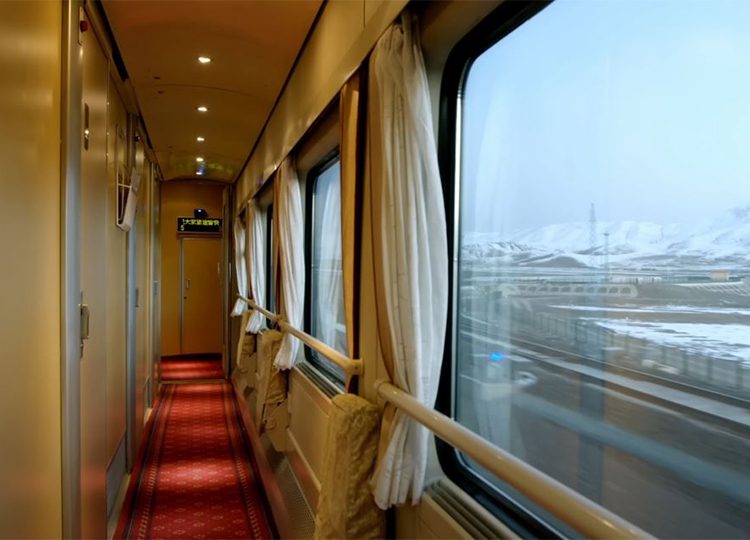
If you are wondering what to expect on the Tibet train, you are not alone. For many travelers, the journey to Lhasa is one of the most exciting parts of the whole Tibet experience. At the same time, it raises a lot of practical questions. What are the cabins really like? Is there enough oxygen onboard? What kind of food can you expect? And is the scenery truly as spectacular as people say?
The short answer is yes: the Tibet train can be an unforgettable journey, but it helps to know what the experience is actually like before you board. It is not a luxury rail trip in the classic sense, and it is not simply a transfer from one city to another. It is part transportation, part acclimatization experience, and part scenic overland adventure. If you are still comparing routes, a good place to start is our Tibet train tours, where you can see how different train journeys fit into larger Tibet itineraries.
What Are the Cabins Like on the Tibet Train?
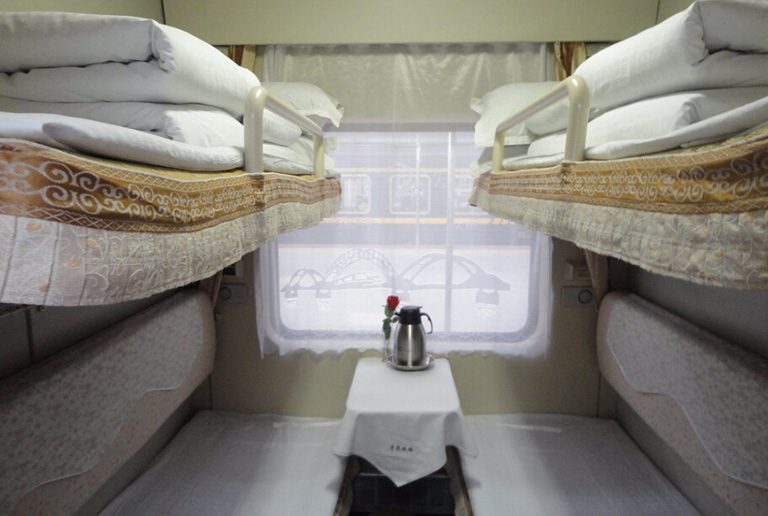
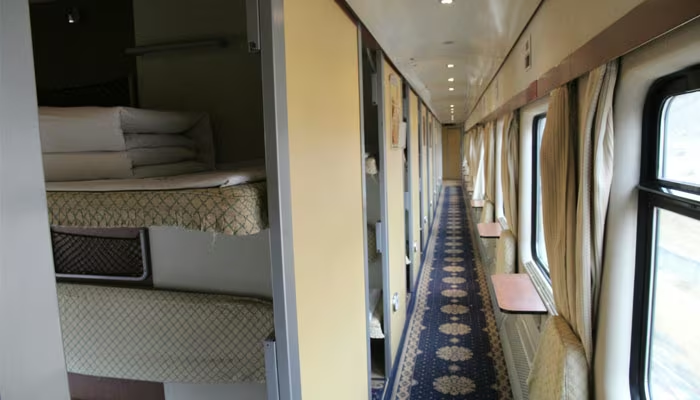
One of the first things travelers want to know when searching what to expect on the Tibet train is what the cabins are really like.
In general, the Tibet train is designed for long-distance travel, so sleeper accommodation is a normal part of the experience. The cabins are practical rather than luxurious. You should expect a shared sleeping space, basic storage, and a setup built for functionality and rest, not privacy or premium comfort.
That does not mean the journey is uncomfortable for everyone. In fact, many travelers enjoy it precisely because it feels like a real overland journey rather than a polished tourist product. The key is to set the right expectations. If you approach the Tibet train as a memorable travel experience instead of a luxury train holiday, you are much more likely to enjoy it.
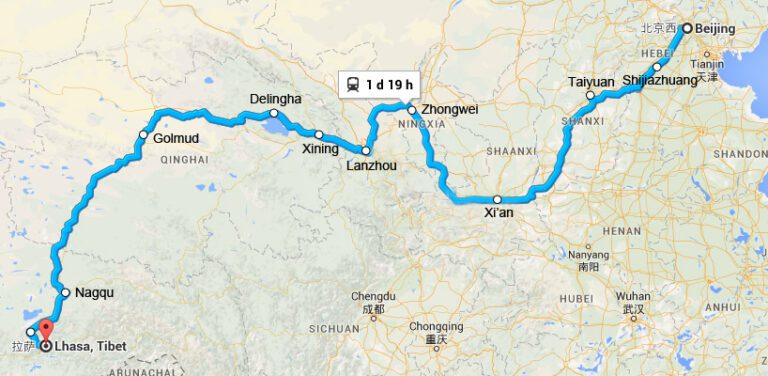
For travelers who want to combine the railway journey with a broader route across China before reaching Tibet, our 11 Days Beijing Xi’an Tibet Train Tour, 10 Day Shanghai to Tibet Train Tour, and 10 Day Chengdu to Tibet Train Tour are all worth comparing.
How Does the Oxygen System Work on the Tibet Train?
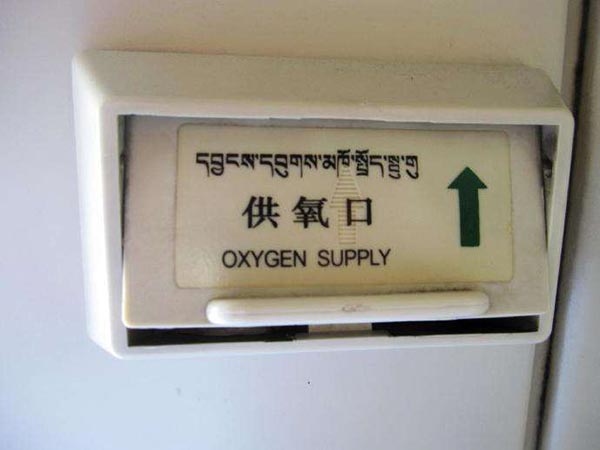
Altitude is one of the biggest concerns for first-time Tibet travelers, so no guide to what to expect on the Tibet train would be complete without talking about oxygen.
As the train moves onto the high plateau, onboard oxygen support becomes one of the most important practical features of the journey. This is one reason many travelers prefer the train over flying straight into Lhasa. The gradual ascent often feels like a gentler introduction to high altitude than arriving all at once by air.
Still, it is important to be realistic. Oxygen support onboard does not mean altitude stops mattering. Travelers should still take the journey seriously, stay hydrated, rest well, and avoid assuming that the train completely removes the effects of elevation. The railway can make the transition feel more manageable, but it does not make Tibet low-altitude.
For many travelers, that balance is exactly why the train works so well: it offers support and a slower approach, while still allowing your body to adapt gradually.
What Is the Food Like on the Tibet Train?
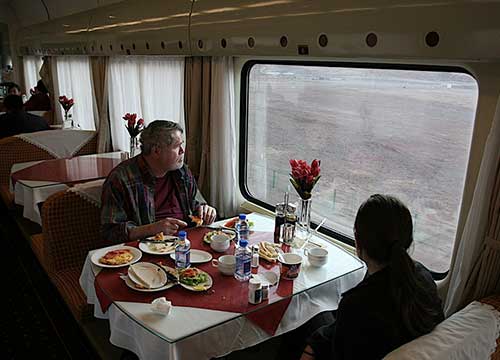
Another very common question about what to expect on the Tibet train is food.
The most honest answer is this: food onboard is practical and sufficient, but it is usually not the highlight of the journey. You should think of it as functional travel food rather than something especially memorable. Some travelers are perfectly happy with what is available, while others prefer to bring extra snacks, fruit, instant noodles, or drinks for comfort.
This is especially useful if you have dietary preferences, are a picky eater, or simply want more flexibility during a long train journey. A little preparation makes the ride much more relaxed.
So yes, there is food onboard, but seasoned travelers usually prepare as if they may want a few backup options. At high altitude, with changing schedules and a long journey ahead, a few familiar snacks can feel surprisingly luxurious.
Is the Scenery on the Tibet Train Really Worth It?
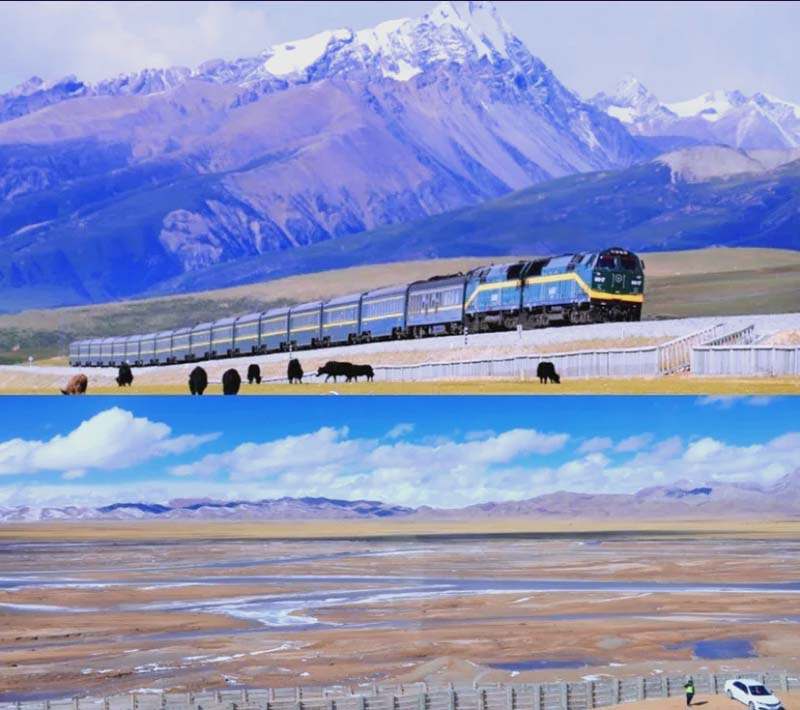
Yes, absolutely.
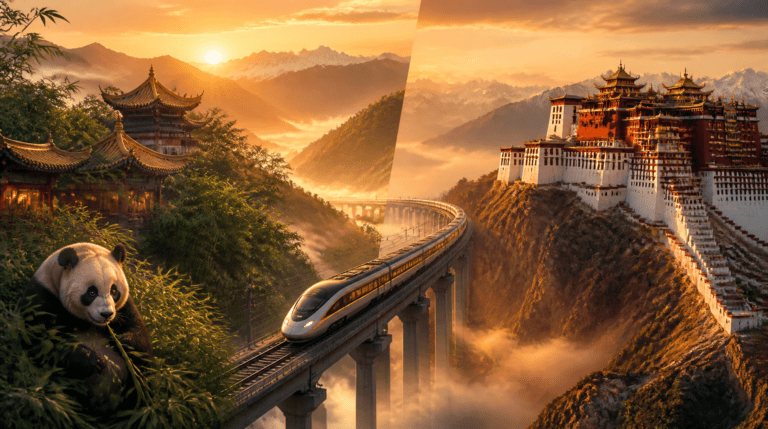
For many people, the scenery is the single biggest reason to take the Tibet train in the first place. If you are asking what to expect on the Tibet train, one of the clearest answers is this: expect wide-open landscapes, a powerful sense of remoteness, and the feeling that the journey itself is part of arriving in Tibet.
This is what makes the train so different from a flight. You are not just transported to Lhasa. You watch the approach happen slowly. The terrain changes. The plateau opens up. The sense of distance becomes real. And by the time you arrive, Tibet already feels like a journey, not just a destination.
That is why many travelers feel the railway experience adds emotional value to the trip. The scenery is not just beautiful; it helps create a stronger sense of transition into Tibet.
Is the Tibet Train Comfortable?
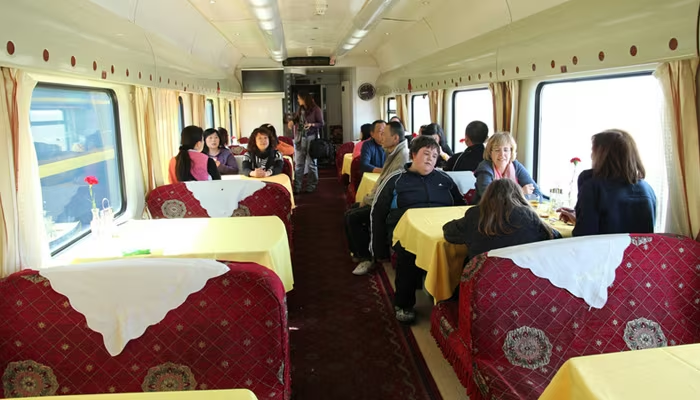
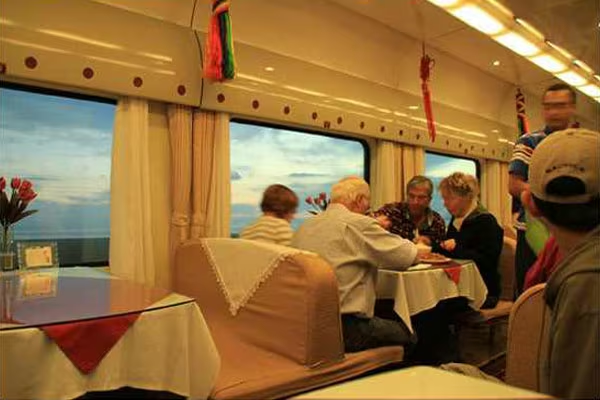
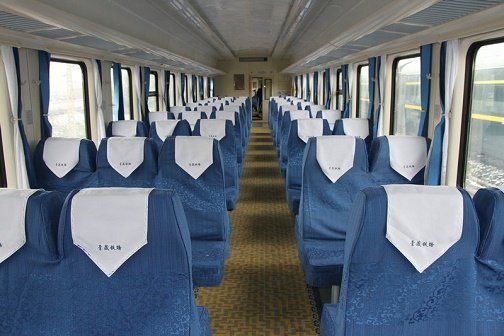
Comfort depends largely on what you expect.
If you expect a private, premium, luxury-style rail experience, the Tibet train will probably feel too basic. But if you expect a practical long-distance train journey with remarkable scenery and a strong sense of adventure, many travelers find it more than comfortable enough.
The Tibet train tends to suit travelers who:
- enjoy scenic rail journeys
- do not mind shared space
- value experience over luxury
- want a more gradual arrival in Tibet
- see the journey itself as part of the trip
It may be less suitable for travelers who:
- want maximum privacy
- strongly dislike overnight train travel
- want the fastest route to Lhasa
- prefer comfort above all else
In other words, the Tibet train is comfortable enough for the right kind of traveler. The more you value scenery, atmosphere, and the overland experience, the more worthwhile it usually feels.
Is the Tibet Train Better Than Flying?
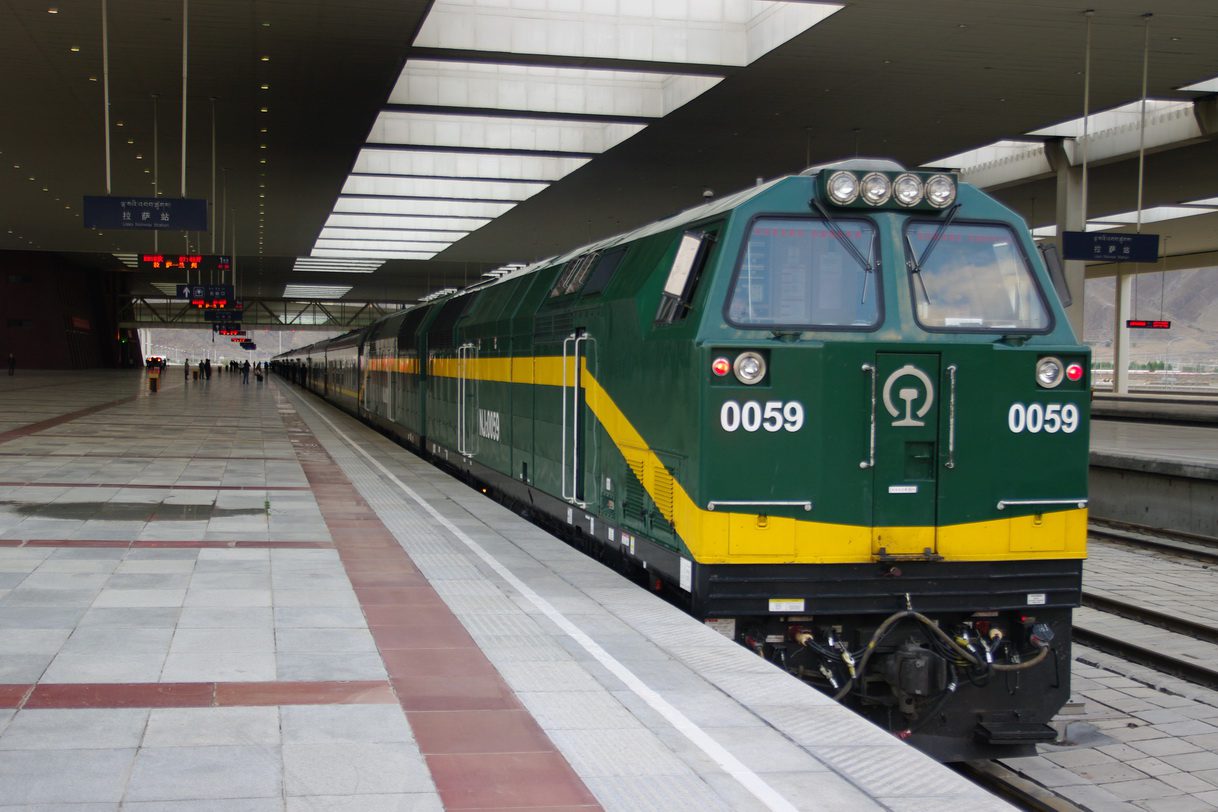
That depends on your priorities.
If speed is your priority, flying is obviously the faster option. But if you want the journey to feel meaningful, scenic, and gradual, the train has clear advantages. For many first-time visitors, the railway creates a more memorable and more immersive approach to Tibet.
This is especially true for travelers who enjoy seeing a destination unfold rather than arriving in a single jump. The train lets you experience the route, the changing environment, and the growing sense of altitude in a way that flying simply cannot.
That is why many travelers do not choose the train because it is easier. They choose it because it is richer.
Who Is the Tibet Train Best For?
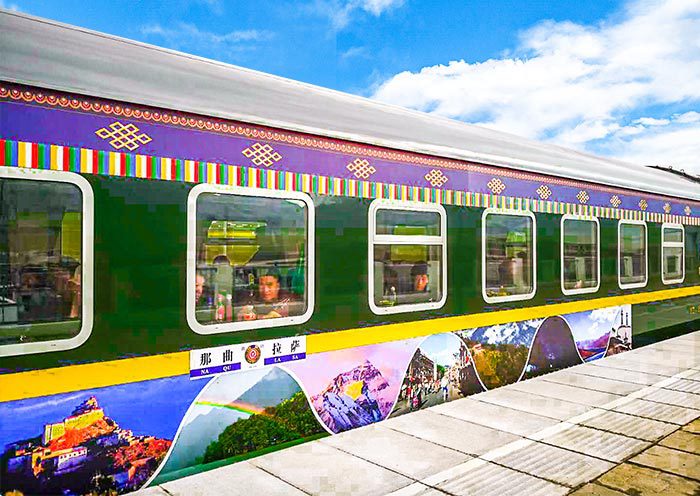
The Tibet train is especially well suited to:
- first-time travelers to Tibet
- travelers who love scenic journeys
- people who enjoy overland travel
- travelers combining major Chinese cities with Tibet
- those who want a slower and more atmospheric arrival
It may be less suitable for:
- travelers with very limited time
- people who strongly prefer privacy
- travelers who dislike sleeper train conditions
- those who want the quickest possible arrival in Lhasa
If you already know you want the rail experience, the best next step is to compare available Tibet train tours and see which departure city and itinerary fit your plans best.
Final Thoughts: What to Expect on the Tibet Train

So, what to expect on the Tibet train?
Expect practical cabins rather than luxury accommodation. Expect oxygen support that helps, but does not make altitude irrelevant. Expect onboard food that is functional rather than memorable. And above all, expect scenery that turns the journey into one of the most meaningful parts of traveling to Tibet.
That combination is exactly why the train remains so special. It is not about polished luxury. It is about atmosphere, anticipation, and the rare feeling of actually crossing into Tibet overland.
If the railway journey is part of your dream trip, explore our Tibet train tours and compare routes like the 11 Days Beijing Xi’an Tibet Train Tour, 10 Day Shanghai to Tibet Train Tour, and 10 Day Chengdu to Tibet Train Tour to find the journey that suits you best.
If the railway journey is part of the dream, explore our Tibet train tours and find the route that matches your travel style, timeframe, and preferred departure city.

Frequently Asked Questions
What are the cabins like on the Tibet train?
The cabins on the Tibet train are practical and designed for long-distance sleeper travel rather than luxury. Travelers should expect shared space, basic storage, and simple overnight accommodation that focuses on function and rest.
Does the Tibet train have oxygen?
Yes, oxygen support is one of the most important features of the Tibet train as it crosses high-altitude areas. It can help make the journey feel more manageable, but travelers should still take altitude seriously and pace themselves.
What is the food like on the Tibet train?
Food on the Tibet train is generally practical and sufficient rather than a highlight of the trip. Many travelers choose to bring extra snacks and drinks, especially if they have dietary preferences or want more flexibility during the journey.
Is the scenery on the Tibet train worth it?
Yes, for many travelers the scenery is the main reason to take the train. The route offers a strong sense of remoteness, wide-open plateau landscapes, and a much more gradual and memorable approach to Tibet than flying.
Is the Tibet train better than flying?
It depends on your priorities. Flying is faster, but the train offers a more scenic, immersive, and gradual journey into Tibet, which many travelers find more meaningful