 About
About





 Tibet Tours
 Tibet Train Tours
 Himalaya Tours (Tibet-Nepal-Bhutan)
 Private Tours
 Mount Kailash Tours
 Trekking Tours
 Travel Guide
 Tibet Travel Blog
 FAQ
FAQ About us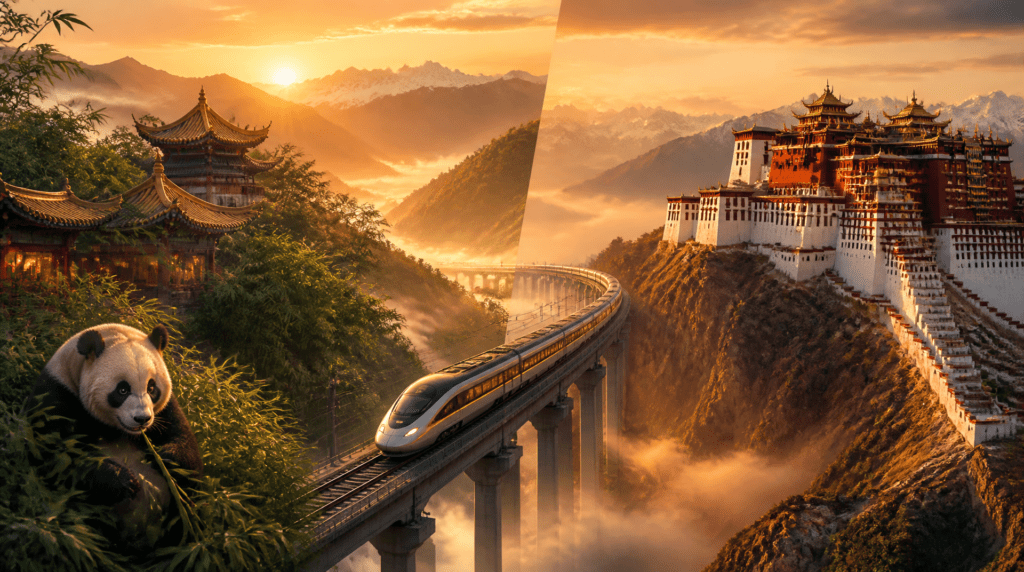
If you’re seeking an unforgettable adventure that combines the vibrant energy of China’s panda capital with the spiritual serenity of the Tibetan plateau, the Chengdu to Lhasa train tour is your answer. This remarkable 10-day journey on the world’s highest railway offers a unique blend of cultural immersion, breathtaking natural landscapes, and the transformative experience of riding the Qinghai-Tibet Railway—all without the stress of flying or the exhaustion of road travel.
Furthermore, Unlike the crowded Beijing-to-Lhasa route, the Chengdu to Tibet train remains a hidden gem among travelers seeking authentic experiences. Similarly, the Shanghai to Lhasa train is another popular option, but the Chengdu route offers superior value and fewer crowds.. Consequently, from the moment you board in Sichuan’s cosmopolitan heart to the day you explore Lhasa’s sacred monasteries, every moment is crafted to take your breath away—literally and figuratively.
Why Choose the Chengdu to Lhasa Train Tour?
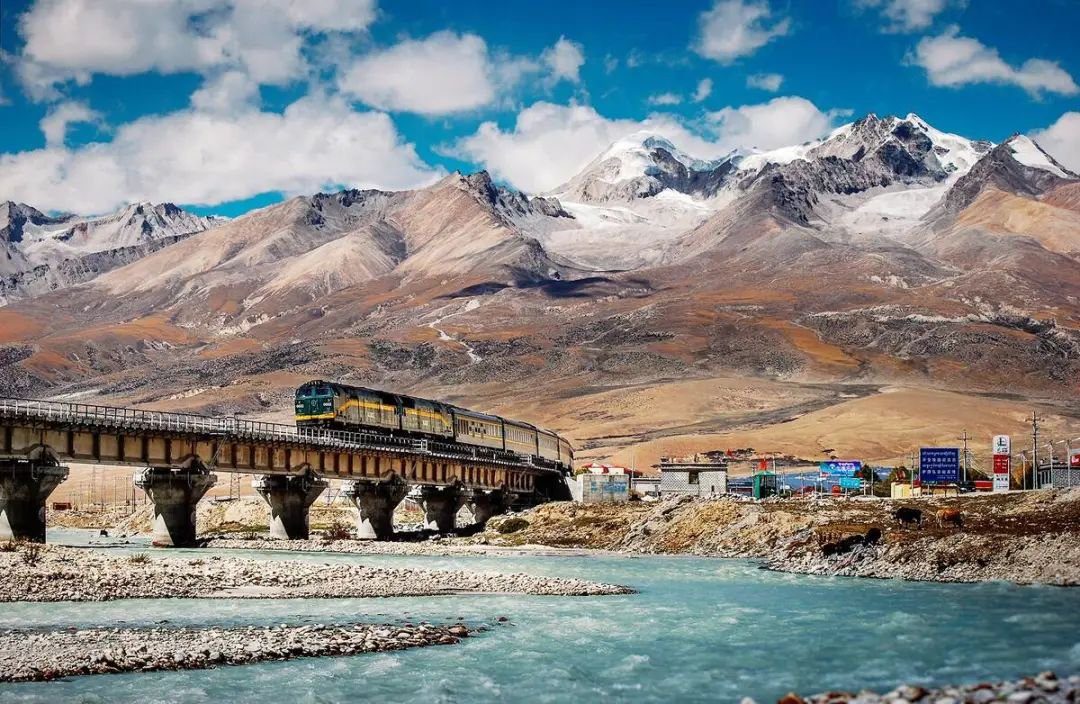
The Chengdu to Lhasa train tour stands apart from other routes to Tibet for compelling reasons that go beyond simple logistics.
The Perfect Pacing for Acclimatization
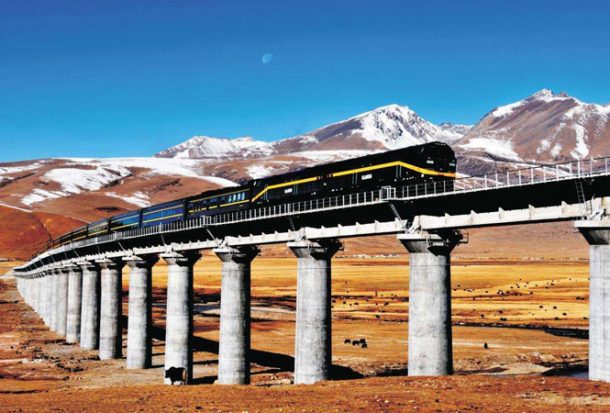
Unlike flights that whisk you from sea level to 11,975 feet in mere hours, the Chengdu to Tibet train journey gives your body time to adjust naturally. You’ll climb gradually, crossing the Qinghai-Tibet Railway—the world’s highest plateau railway—while watching your altitude increase in real-time. Importantly, this natural acclimatization method makes the Chengdu to Lhasa train tour the preferred choice for travelers concerned about altitude sickness.
Less Traveled, More Authentic
For comparison, read our complete guide on the Beijing-Xi’an-Lhasa train route to understand how the Chengdu option stacks up against other popular train routes to Tibet.
While thousands take the Beijing route yearly, the Chengdu Lhasa train remains wonderfully less crowded. As a result, you’ll share this experience with fellow adventure-seekers rather than tour groups, creating a more intimate, genuine encounter with both travelers and local culture.
Best Value for Budget-Conscious Explorers
Starting from just USD $1,150, the 10-day Chengdu to Lhasa train tour offers exceptional value. Specifically, you get accommodation, meals, transportation, and guided tours of Lhasa’s most sacred sites—all woven into one seamless package.
The Legendary Qinghai-Tibet Railway Experience
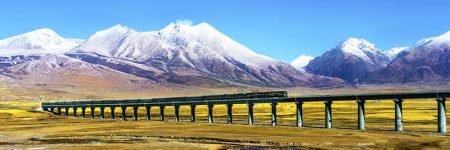
This isn’t just any train ride. The Chengdu to Tibet train follows the Qinghai-Tibet Railway, an engineering marvel completed in 2006. Moreover, as you gaze from your window, you’ll witness landscapes that few travelers ever experience: endless grasslands, snow-capped Himalayan peaks, turquoise glacial lakes, and Tibetan monasteries perched impossibly on cliffsides.
What Makes the Chengdu to Tibet Train Different?
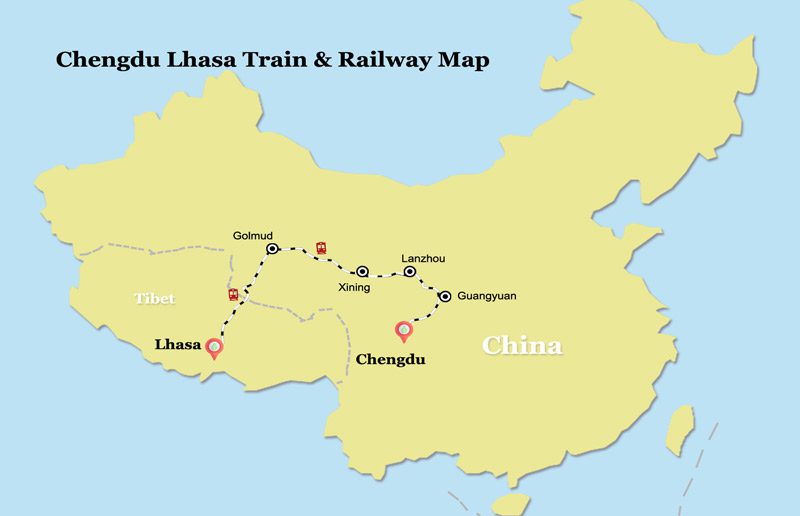
The Chengdu to Lhasa train tour offers distinct advantages over other Tibet train routes. For example, the starting point of Chengdu provides cultural enrichment before your high-altitude journey even begins. In fact, many travelers overlook this route entirely, choosing Beijing or Shanghai instead—yet the Chengdu option delivers superior value and fewer crowds.
Key differentiators of the Chengdu train to Lhasa:
- Shorter journey duration (46 hours vs. 48+ from Beijing)
- Lower cost (saves $300-500 vs. Beijing route)
- Direct train from Sichuan (no transfers required)
- Panda city cultural experience (unique to Chengdu)
- Less touristy (fewer international travelers)
The Perfect Gateway: Starting in Chengdu
Why Chengdu is Essential to Your Chengdu to Lhasa Train Tour
Chengdu, the capital of Sichuan Province, is often called the “Panda Capital of the World.” However, this vibrant city offers far more than cute black-and-white bears. It’s a living testament to Chinese Buddhist culture, culinary innovation, and laid-back charm—the perfect launchpad for your Chengdu to Tibet train adventure.
Your Chengdu to Lhasa train tour begins here, allowing you to:
Relax in the city of leisure: Chengdu locals famously say they live to enjoy life. Consequently, you’ll sip jasmine tea in ancient tea houses, wander narrow streets lined with street food vendors, and soak in the relaxed pace before your journey intensifies.
Connect with conservation: Furthermore, you’ll visit the Chengdu Research Base of Giant Panda Breeding to meet these gentle creatures up close. In addition, it’s not just tourist fluff—it’s a genuine wildlife conservation effort.
Explore Buddhist heritage: Before boarding your Chengdu Lhasa train, visit Wenshu Monastery, one of Sichuan’s most important Buddhist temples, to set spiritual intentions for your journey.
Acclimatize to the region: Additionally, Chengdu sits at 1,600 feet above sea level—already higher than most major cities—giving your body a head start before the train to Lhasa.
All Aboard: The Chengdu-Lhasa Train Experience
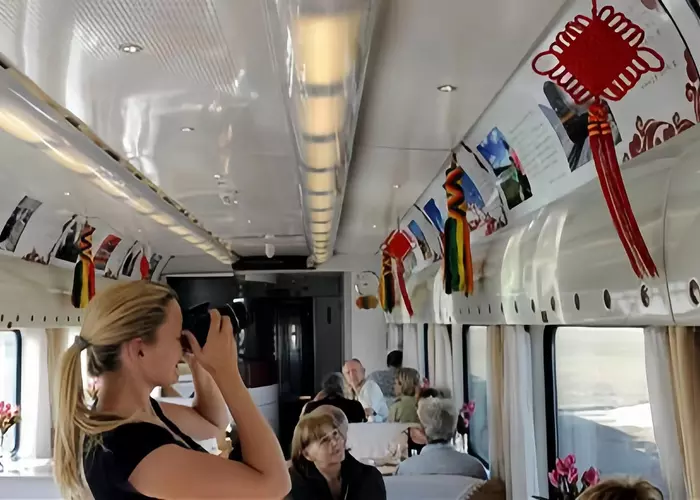
The Route: Geography as Poetry
The Chengdu to Lhasa train tour doesn’t take a straight path. Instead, it meanders through some of China’s most spectacular terrain, offering unparalleled scenic beauty throughout your journey.
The Route Overview:
Chengdu → Xining (approximately 24 hours)
- Departure from Chengdu at 19:30, arrival in Xining at 19:30 the next day
- The journey crosses the transition zone between Sichuan’s green hills and the stark beauty of the Tibetan plateau
- Overnight accommodation in your soft sleeper cabin (4 bunks, comfortable bedding, basic amenities)
Xining → Lhasa (approximately 22 hours)
- This is where the magic intensifies. From Xining onward, the Qinghai-Tibet Railway begins its dramatic ascent
- You’ll pass through Qinghai Lake (China’s largest saltwater lake) and climb toward Golmud
- Notably, the Tanggula Pass section is extraordinary: you’ll cross the highest point of the entire railway at 16,640 feet, where oxygen levels are 40% lower than sea level
- Furthermore, dawn and dusk on this section are unforgettable—the sky turns colors you’ve never imagined
The Cabin: Your Mobile Home on the Chengdu to Tibet Train
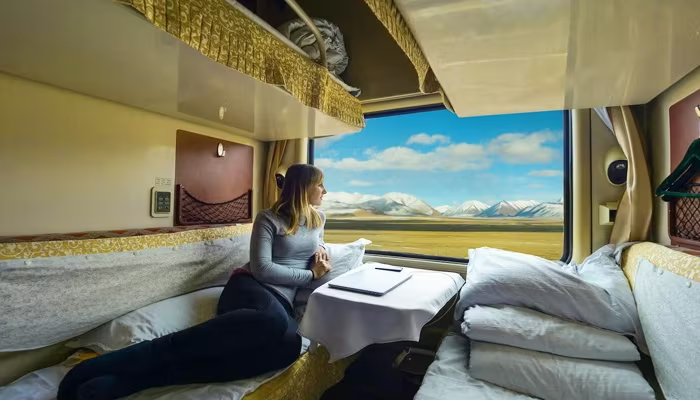
Your soft sleeper cabin (standard on this Chengdu to Lhasa train) offers:
- 4 comfortable berths (upper and lower bunks)
- Individual reading lights and storage
- Basic but functional washroom facilities (shared)
- Hot water available 24/7 for tea and instant noodles
- Dining car serving Chinese meals at reasonable prices
- Common areas where you’ll naturally meet other travelers
Pro tip: Bring your own toiletries, a lightweight towel, and high-SPF sunscreen. Specifically, the altitude and dry air can be harsh on skin.
The Scenery: Window Views Worth Every Hour
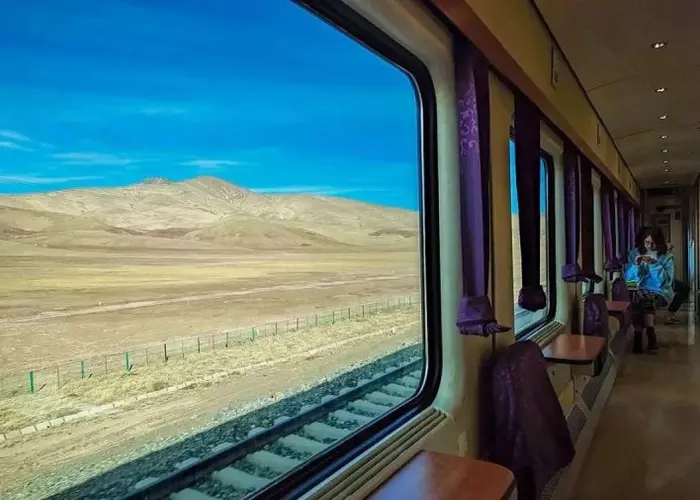
This is not hyperbole: the views from your window on the Chengdu Lhasa train are worth the price of admission alone. In fact, many travelers say this 46-hour window becomes their favorite memory.
Hour-by-Hour Scenic Highlights:
- Hours 1-8: Sichuan’s terraced farmland and misty hills
- Hours 9-20: Gradual transition to high plateau; notice the vegetation thinning and the sky deepening to intense blue
- Hours 21-30: Barren, haunting beauty of the high plateau with distant snow peaks
- Hours 31-40: The Qinghai-Tibet Railway proper—this is where you’ll see:
- Wild yaks roaming in herds
- Tibetan antelope (endangered; a rare sight)
- Nomadic settlements with traditional black tents
- Turquoise glacial lakes reflecting massive peaks
- Prayer flags and meditation monasteries in impossible locations
Journey Highlights: What to Expect on Your Chengdu Train Tour
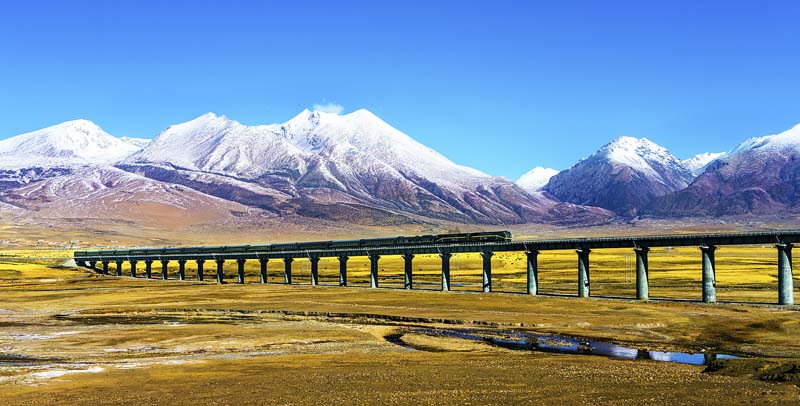
Your 10-day Chengdu to Tibet train tour includes these unmissable experiences:
Chengdu (Days 1-2)
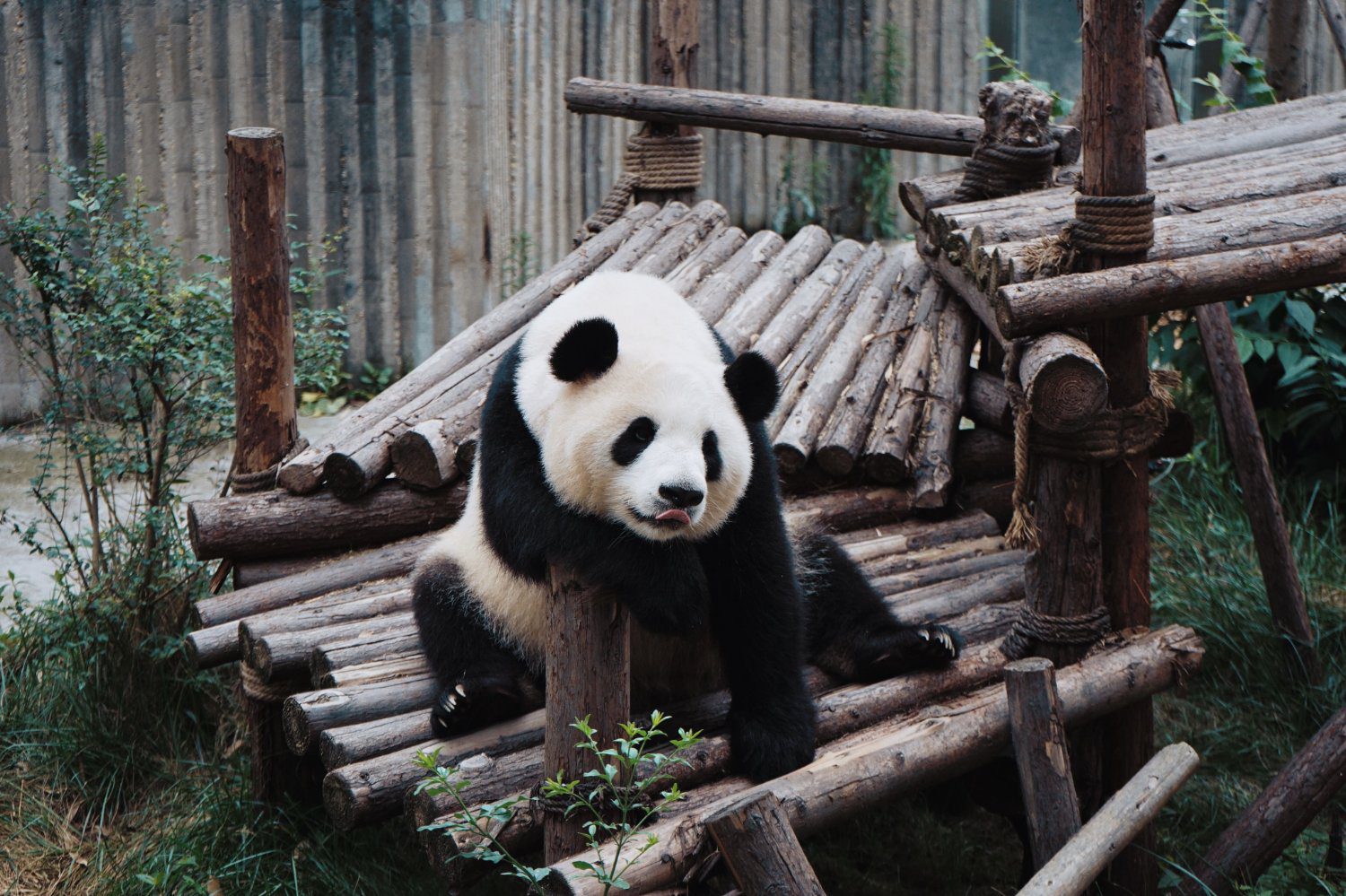
- Chengdu Research Base of Giant Panda Breeding
- Wenshu Monastery & ancient tea houses
- Local street food tour (hotpot is essential)
- Jinli Street (historic recreation, perfect for photos)
The Train Journey (Days 3-4)
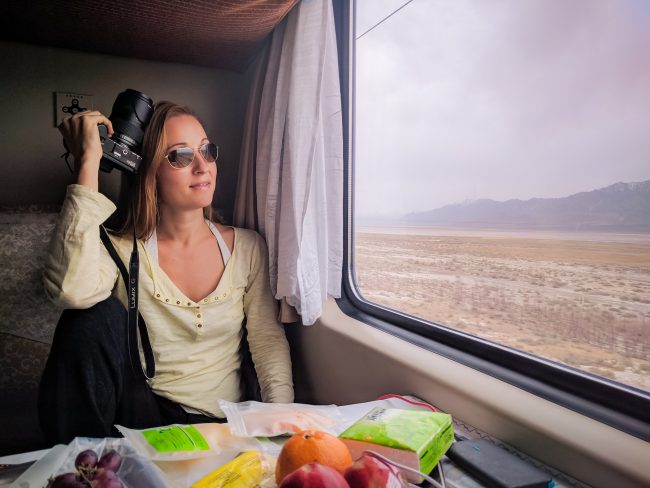
- 46 hours of pure scenic immersion
- Sunrise over the Tibetan plateau
- Passing through Qinghai Lake region
- Tanggula Pass crossing (16,640 feet!)
Lhasa (Days 5-10)
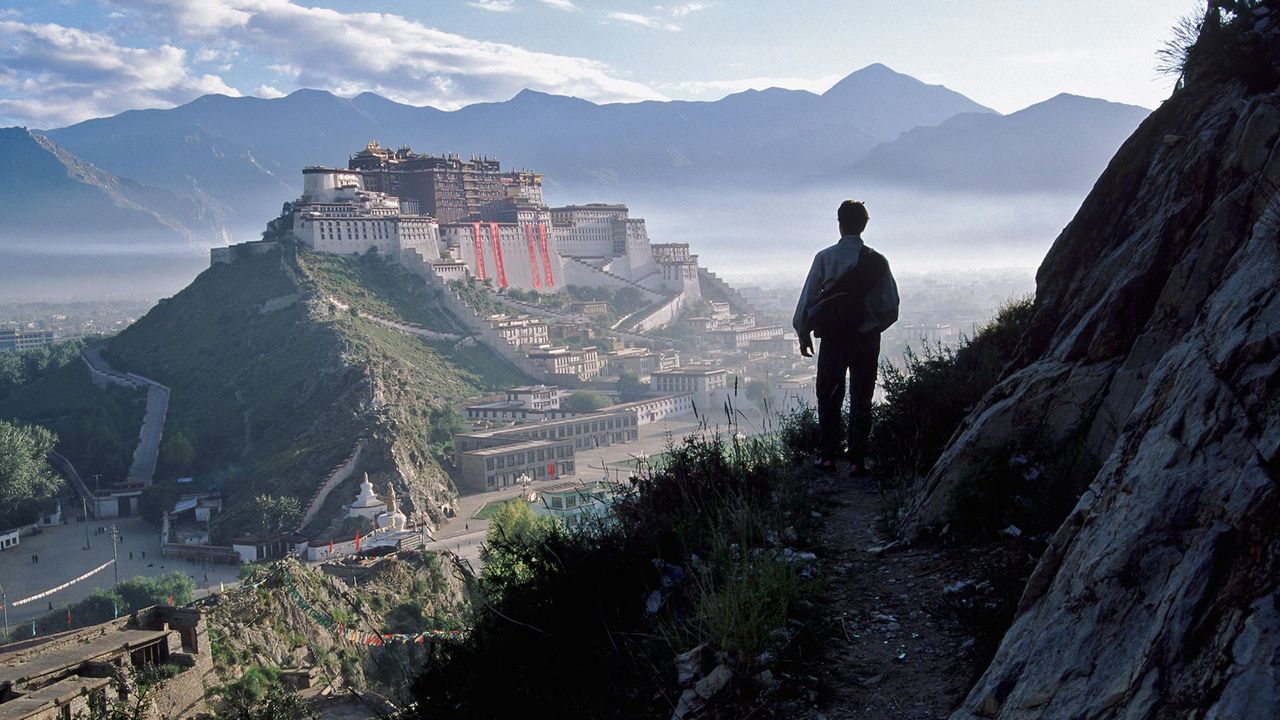
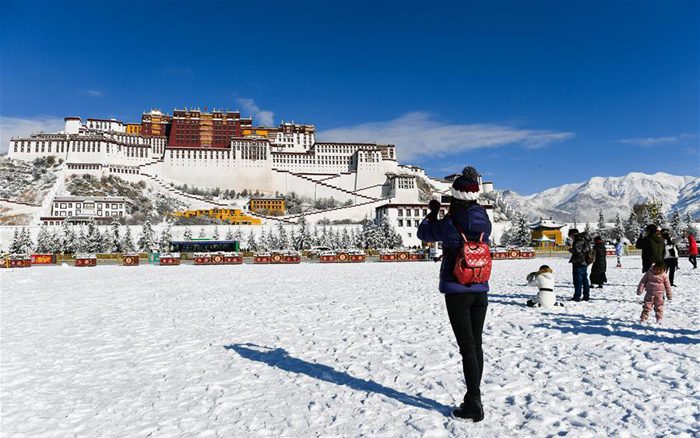
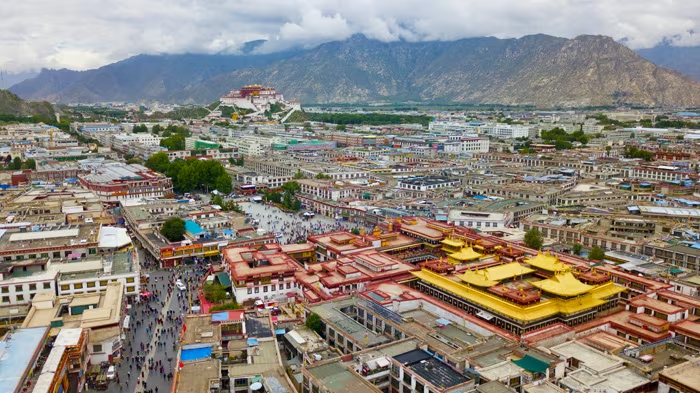
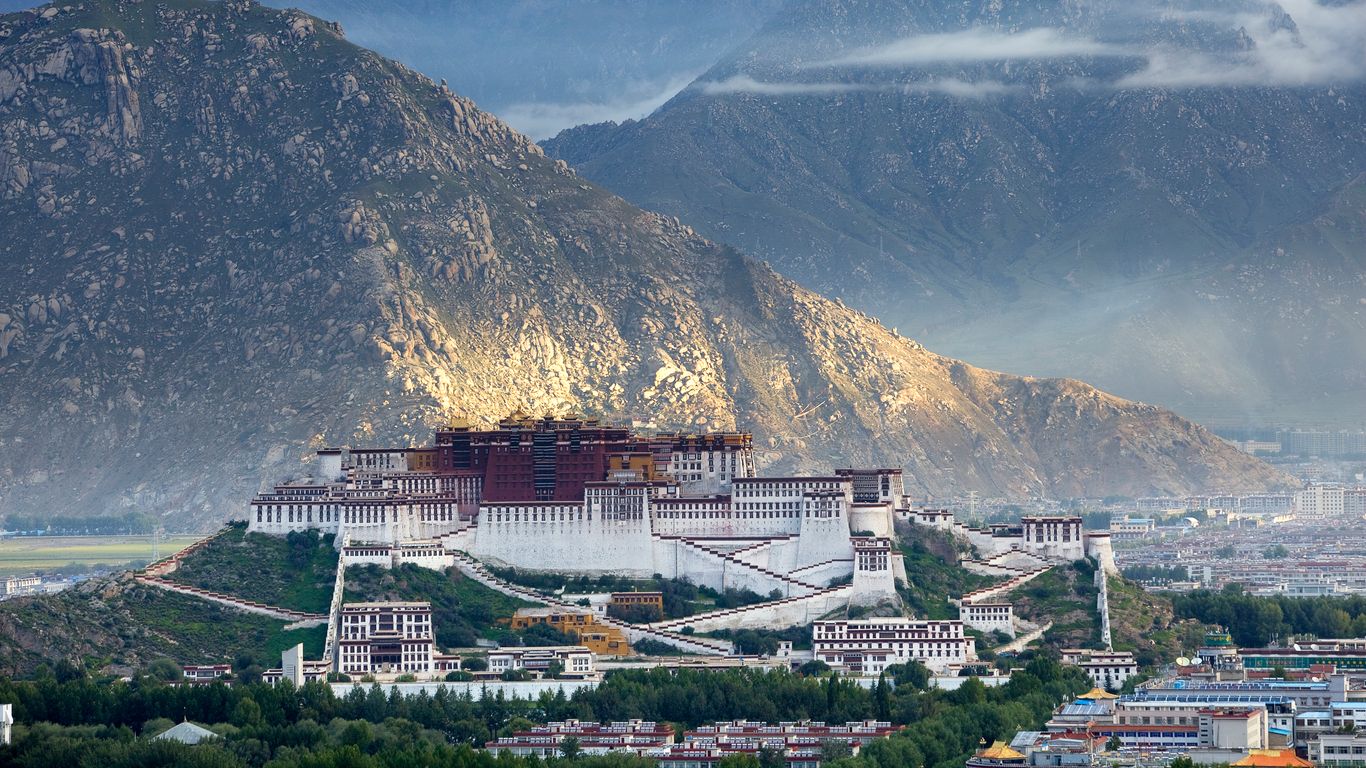
- Potala Palace: The 13-story former residence of Dalai Lamas (3,700+ rooms, unforgettable)
- Jokhang Temple: The most sacred site in Tibetan Buddhism; experience pilgrims circumambulating in devoted meditation
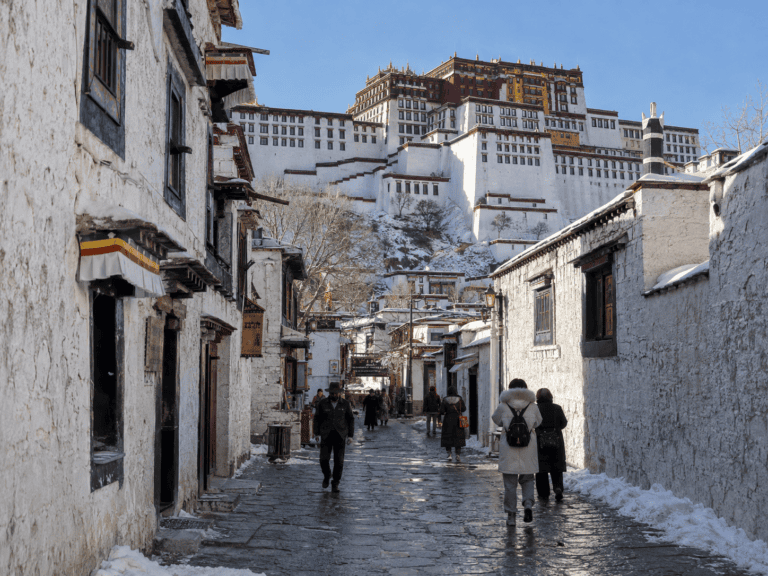
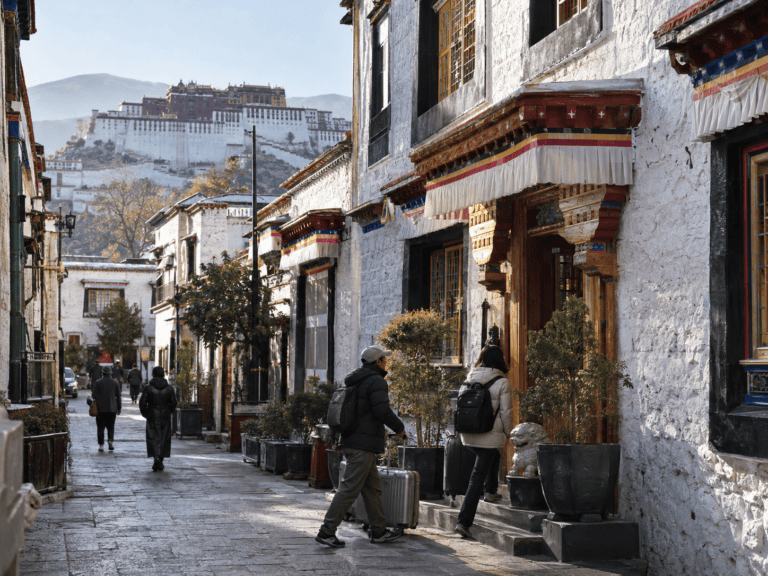
- Barkhor Street: Circumambulation path around Jokhang, pulsing with prayer, commerce, and spiritual energy
- Drepung Monastery: Once the world’s largest monastery; walk where 10,000+ monks once studied
- Sera Monastery: Famous for debate sessions where monks engage in philosophical arguments (afternoons)
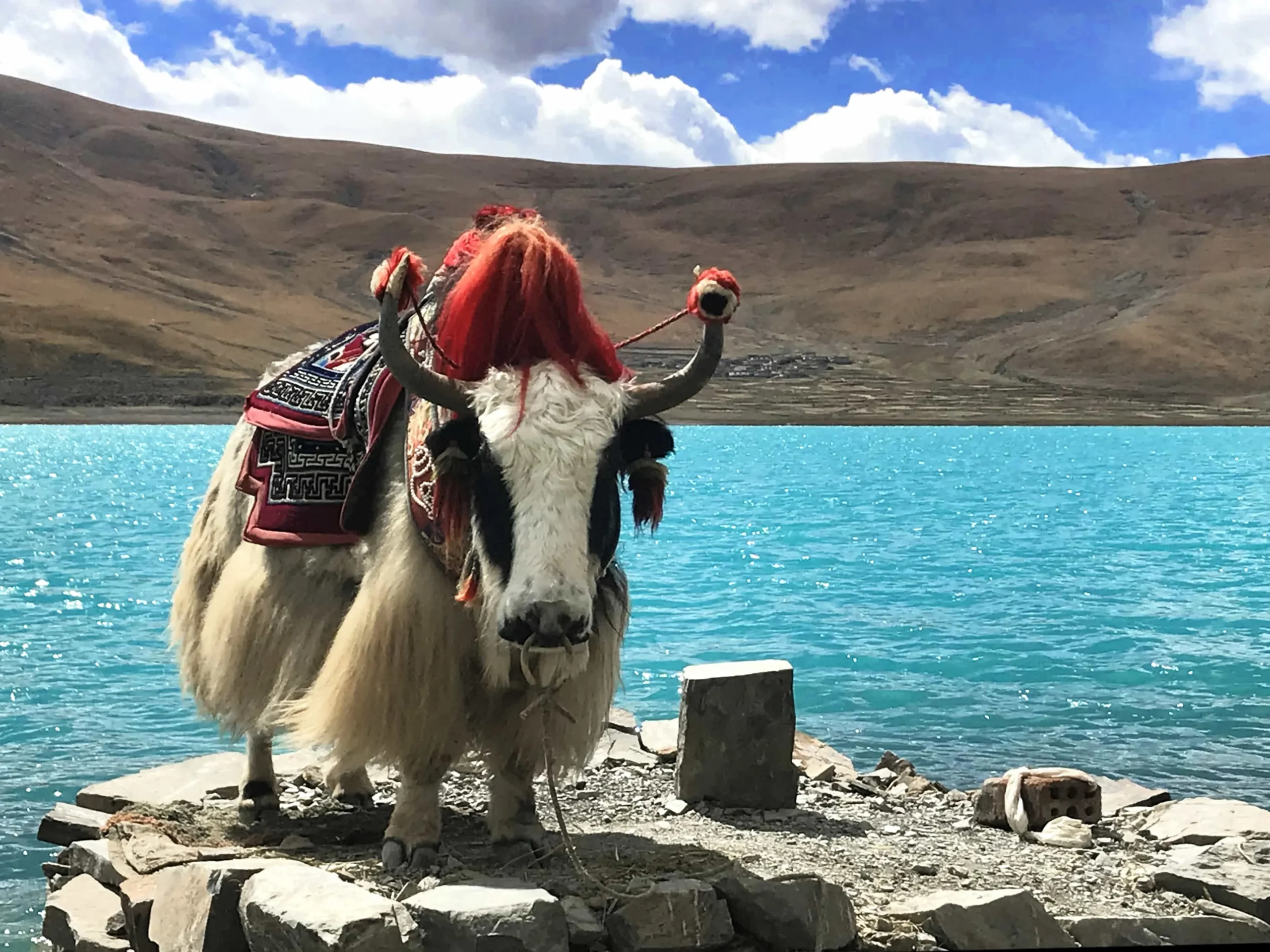
- Yamdrok Lake: Sacred turquoise lake with Himalayan peaks as backdrop (full-day excursion)
- Tashilhunpo Monastery (optional add-on): In Shigatse, home of the Panchen Lama
Day-by-Day Itinerary: Your Complete Chengdu to Lhasa Journey
Day 1: Arrival in Chengdu | Welcome to the Panda Capital
📍 Chengdu, Sichuan Province
You arrive in Chengdu and transfer to your hotel. Next, take an evening stroll through the city to acclimate. Importantly, sip jasmine tea at a traditional teahouse (locals sit here for HOURS), and absorb the unhurried Chengdu vibe. For dinner, try authentic Chengdu hotpot—but be warned: the peppers pack serious heat.
Accommodation: 4-star hotel in Chengdu city center
Meals: Lunch and dinner (local cuisine)
Highlights: Teahouse experience, city orientation
Day 2: Chengdu Exploration | Pandas & Temples
📍 Chengdu, Sichuan Province
Wake early for the Chengdu Research Base of Giant Panda Breeding (7:00 AM start = peak panda activity). You’ll see these gentle giants eating bamboo, playing, and being impossibly cute. Furthermore, this facility is serious conservation work, not just a zoo.
Afternoon activities: Visit Wenshu Monastery, one of Sichuan’s most important Buddhist temples dating back 1,400 years. Additionally, monks still study here. The tranquility is palpable. Finally, end your day at Jinli Street, a recreated Ming-dynasty commercial area. While it’s touristy, the crafts, food stalls, and atmosphere are quintessentially Chengdu.
Accommodation: 4-star hotel
Meals: Breakfast, lunch, dinner (all included)
Highlights: Giant Panda Breeding Base, Wenshu Monastery, Jinli Street
Activity Level: Moderate
Day 3: Departure on the Chengdu to Lhasa Train | Your Journey Begins
📍 Chengdu Railway Station → En Route
Check out of your hotel mid-afternoon. Subsequently, transfer to Chengdu Railway Station (one of China’s largest). Your guide helps with check-in and boarding procedures—navigating Chinese railway stations is no joke, and having local support makes it seamless.
At 19:30, your Chengdu to Tibet train departs. You’ll have dinner in your cabin or the dining car (budget 40-80 RMB / $6-12 for meals). Settle into your soft sleeper berth as Sichuan’s landscape rolls past your window.
Accommodation: Soft sleeper cabin on train (4 bunks)
Meals: Lunch (final in Chengdu), dinner on train
Highlights: Train departure, scenic transition zone
Day 4: Train Journey Day | Watching the Plateau Emerge
📍 En Route: Chengdu → Xining
Wake to breakfast in the dining car or at a station stop (brief, 15-minute windows). Subsequently, spend the day gazing out your window. Notably, the landscape transforms dramatically:
- Morning: Still some green hills
- Afternoon: Plateau emerging; vegetation thinning
- Evening: You’ll arrive in Xining at 19:30
Chengdu to Lhasa train tip: This day feels long, but it’s meditative. Consequently, chat with other travelers, read, nap, or simply watch. This is the whole point.
Optional: During the 20-minute Xining stop, stretch your legs and buy snacks (dumplings, instant noodles, fresh fruit).
Accommodation: Soft sleeper cabin (some passengers disembark here; you may get a quieter cabin)
Meals: Breakfast, lunch, dinner (dining car)
Highlights: Landscape transformation, Xining arrival
Day 5: The Qinghai-Tibet Railway | The World’s Highest
📍 Xining → Lhasa
The real adventure begins. Your train departs Xining at 19:30 (evening departure). As you leave, you enter the Qinghai-Tibet Railway proper. Throughout the night, you’ll climb. By early morning (around 6:00 AM), the landscape will be utterly alien:
- Endless, barren plateau
- Snow-capped peaks on the horizon
- Yaks grazing in herds
- Prayer flags fluttering in the wind
- Tiny nomadic settlements with black yak-hair tents
Important note: The Tanggula Pass (16,640 feet) crossing happens during daylight hours—keep your window seat warm!
Accommodation: Soft sleeper cabin on train
Meals: Breakfast, lunch, dinner (dining car)
Highlights: Qinghai-Tibet Railway ascent, Tanggula Pass, plateau vistas
Activity Level: Relaxed (you’re on a train)
Altitude: Reaching 16,640 feet—watch for mild altitude effects
Day 6: Arrival in Lhasa | The Roof of the World
📍 Lhasa, Tibet
Your train arrives in Lhasa at 09:00 (or thereabouts; Chinese trains run on their schedule). Subsequently, transfer to your hotel in central Lhasa.
REST DAY: The first afternoon in Lhasa is deliberately unscheduled for acclimatization. Your guide may suggest a gentle walk around the hotel area, but mostly, you’ll rest and let your body adjust to 11,975 feet.
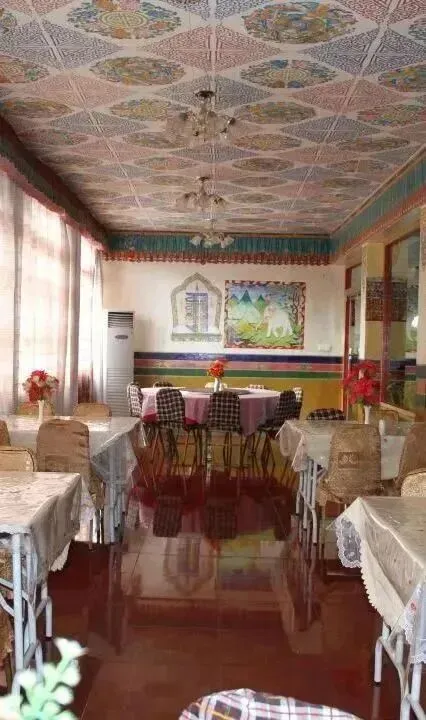
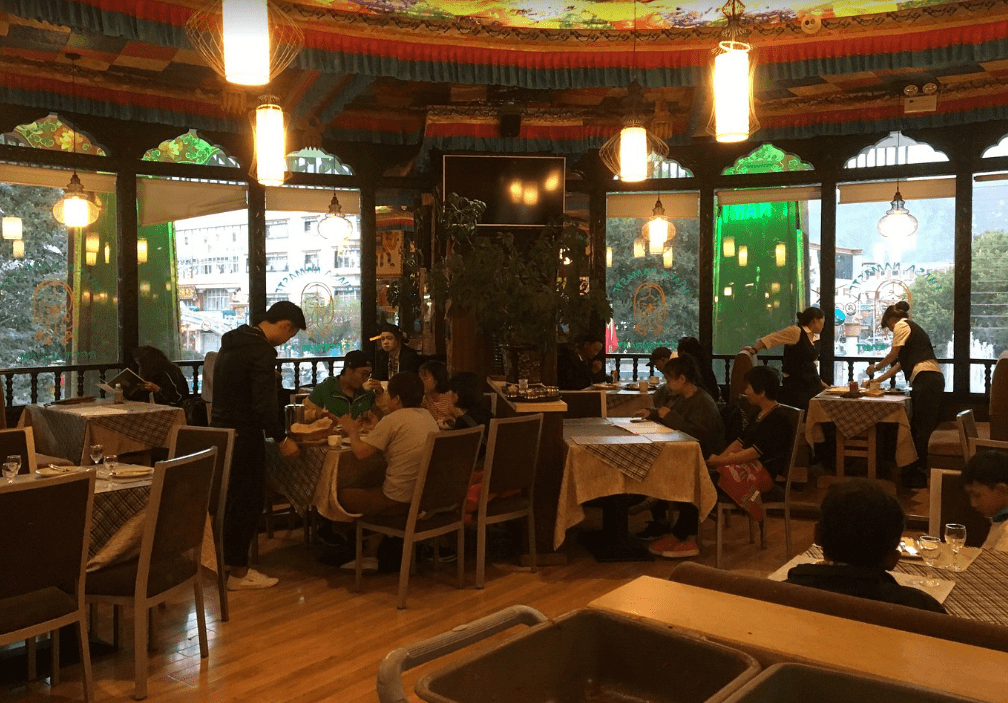
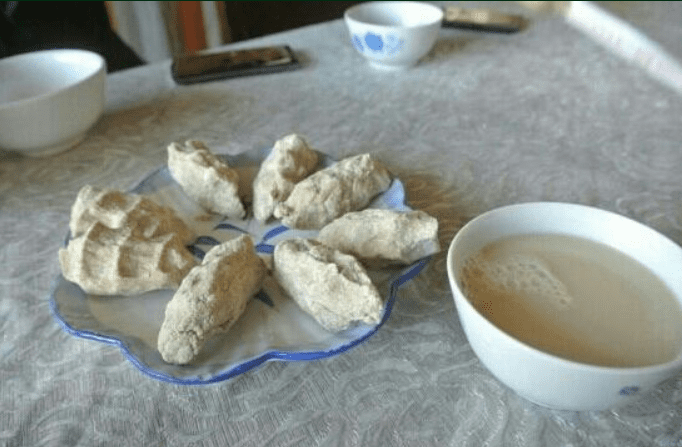
Finally, dinner is at a local Tibetan restaurant where you’ll try tsampa (roasted barley), momos (dumplings), and butter tea. Yes, that butter tea is real. It’s rich, salty, and surprisingly energizing.
Accommodation: 4-star hotel in Lhasa (excellent views of Potala Palace possible)
Meals: Lunch, dinner
Highlights: Lhasa arrival, acclimatization rest, first taste of Tibetan food
Activity Level: Very relaxed
Altitude: 11,975 feet—hydrate, rest, no strenuous activity
Day 7: Potala Palace & Jokhang Temple | Sacred Lhasa
📍 Lhasa
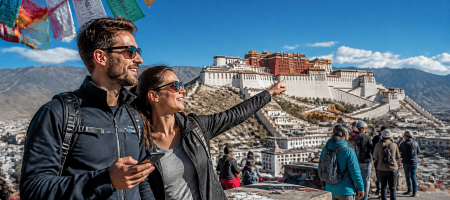
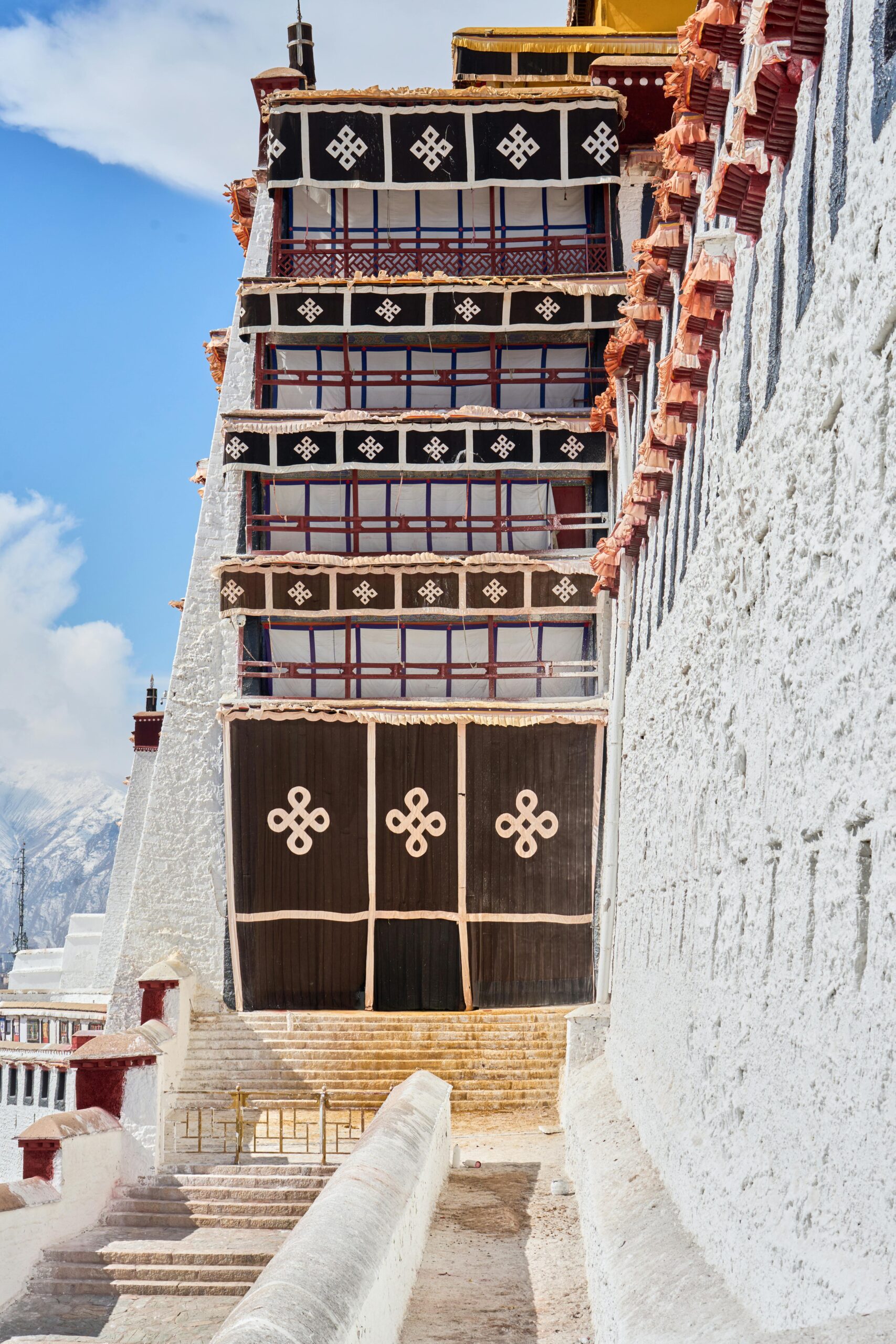
This day offers full cultural immersion. First, you’ll visit Potala Palace early (arrive by 8:00 AM; lines form by 10:00 AM). This 13-story architectural marvel was the winter residence of Dalai Lamas for 300+ years.
Potala Palace highlights:
- 3,700+ rooms (only ~400 accessible to visitors)
- Stunning 360° views of Lhasa from the roof
- Golden roofs gleaming in sunlight
- Sacred reliquaries and Buddhist artwork
- Stair-heavy: pace yourself due to altitude
Afternoon visit: Explore Jokhang Temple, Tibetan Buddhism’s holiest site. Walk around the temple’s interior circumambulation path. You’ll witness pilgrims from across Tibet prostrating themselves, murmuring prayers, lighting butter lamps. The spirituality is almost tangible.
Evening: Dinner features local Tibetan cuisine.
Accommodation: 4-star hotel, Lhasa
Meals: Breakfast, lunch, dinner
Highlights: Potala Palace, Jokhang Temple
Activity Level: Moderate (lots of walking, some stairs)
Pro tip: Bring water bottles (2-3 liters). The high altitude and dry air dehydrate quickly.
Day 8: Monasteries & Barkhor Street | Spiritual Deep Dive
📍 Lhasa
Morning visit to Drepung Monastery, once the world’s largest monastery with 10,000+ resident monks. Today, a few hundred remain, but the energy is profound. Walk through courtyards, past debate halls, and into meditation chambers.
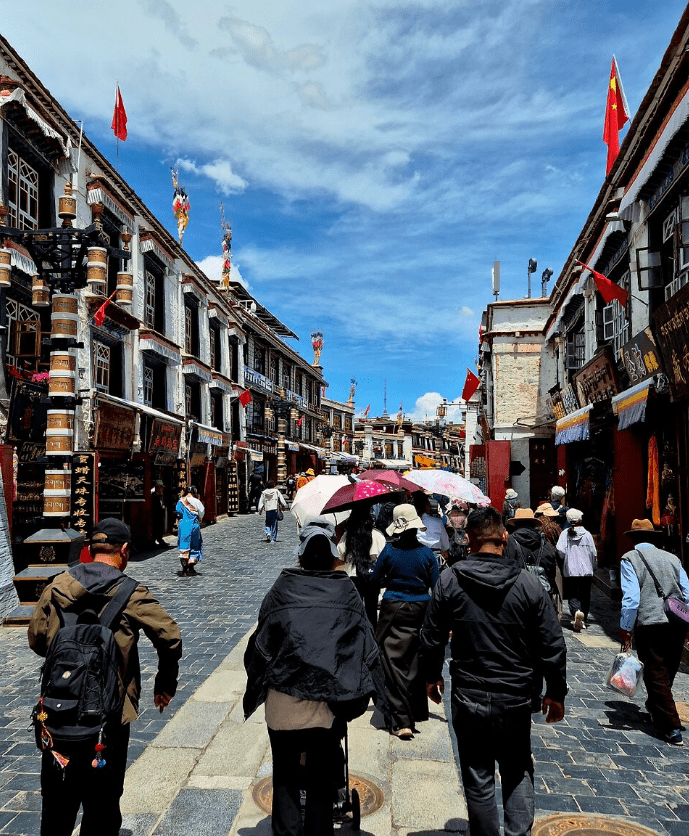
Afternoon exploration: Spend time on Barkhor Street, the circumambulation path around Jokhang Temple. This isn’t a tourist trap—it’s a living pilgrimage site. Prayer wheels spin, pilgrims prostrate, monks chant. You’ll walk the route pilgrims have walked for centuries.
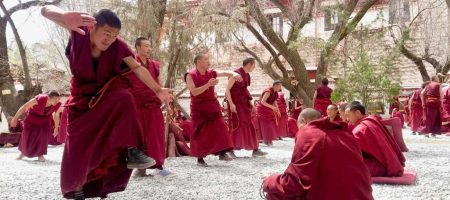
Late afternoon (if time permits): Visit Sera Monastery, famous for monk debates. On certain afternoons, you can watch monks engage in rigorous philosophical arguments—a tradition unchanged for centuries.
Accommodation: 4-star hotel, Lhasa
Meals: Breakfast, lunch, dinner
Highlights: Drepung Monastery, Barkhor Street pilgrimage, Sera Monastery
Activity Level: Moderate-to-high (several miles of walking)
Day 9: Yamdrok Lake Excursion | Turquoise Paradise
📍 Lhasa Region
Full-day excursion to Yamdrok Lake, one of Tibet’s three holiest lakes. The drive winds through mountain passes with ever-expanding vistas.
Yamdrok Lake highlights:
- Water color: Ethereal turquoise (the photos don’t do it justice)
- Kambala Pass (16,000 feet): Panoramic views of the lake and surrounding peaks
- Shepherds: Watch traditional Tibetan herding from centuries-old methods
- Namtso Lake (alternative if weather is unfavorable): Similar beauty, different vibe
This is a long day (6-7 hours driving), but the payoff is extraordinary.
Accommodation: 4-star hotel, Lhasa
Meals: Breakfast, packed lunch, dinner
Highlights: Yamdrok Lake, Kambala Pass, mountain scenery
Activity Level: Moderate (mostly driving, some walking at viewpoints)
Altitude: Up to 16,000 feet—take it slow
Day 10: Departure | Carrying Lhasa Home
📍 Lhasa
Your 10-day Chengdu to Tibet train tour culminates with a morning flight or train out of Lhasa (depending on your booking). Subsequently, transfer to Lhasa Gonggar Airport (about 1 hour drive from city center) or Lhasa Railway Station.
Reflection moment: Take time to reflect on the past 10 days: the landscapes, the temples, the people, the spiritual energy. Many travelers say this journey fundamentally shifts their perspective on life.
Accommodation: N/A (departure day)
Meals: Breakfast
Highlights: Departure, safe travel onwards
Acclimatization Benefits: Why the Qinghai-Tibet Railway is Ideal
Why the Chengdu to Lhasa Train Tour Beats Flying
The Problem with Flying to Lhasa:
- Direct flights from Beijing/Shanghai arrive at 11,975 feet
- Zero acclimatization occurs
- Many travelers experience acute mountain sickness (AMS): headaches, nausea, insomnia
- Recovery: 2-3 days of feeling terrible
The Train Advantage (Chengdu to Lhasa):
- Gradual elevation gain over 46 hours
- Your body produces more red blood cells naturally
- Oxygen adaptation happens while you sleep
- Most travelers report feeling fine by Day 7
- Minimal medication needed
Altitude Facts
- Chengdu: 1,600 feet (sea-level equivalent)
- Train route reaches: 16,640 feet (Tanggula Pass)
- Lhasa: 11,975 feet (stable elevation)
- Oxygen levels in Lhasa: ~60% of sea-level oxygen
Your body’s response:
- Days 1-2: May feel breathless during activity
- Days 3-4: On the train, your body begins adaptation
- Days 5-6: Mild headaches possible; some fatigue
- Days 7-10: Most travelers feel normal; some may experience lingering fatigue
Practical Acclimatization Tips
- Hydrate heavily: Drink 3-4 liters of water daily
- Eat well: Carbs at altitude help oxygen uptake
- Avoid alcohol your first 3 days
- Sleep with window open (if cabin is stuffy)
- Slow movements: No rush on Day 6
- Arrive with ginkgo biloba: Natural supplement that may help
- Ask your doctor about acetazolamide (Diamox) if concerned
What’s Included in Your Chengdu to Lhasa Train Tour

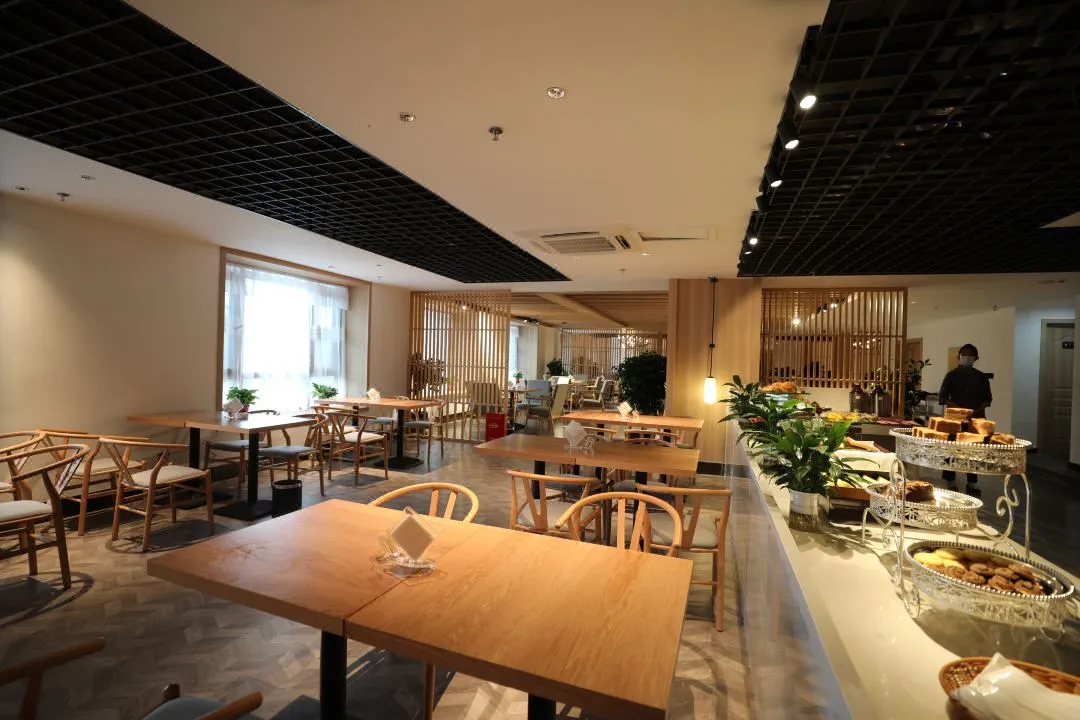
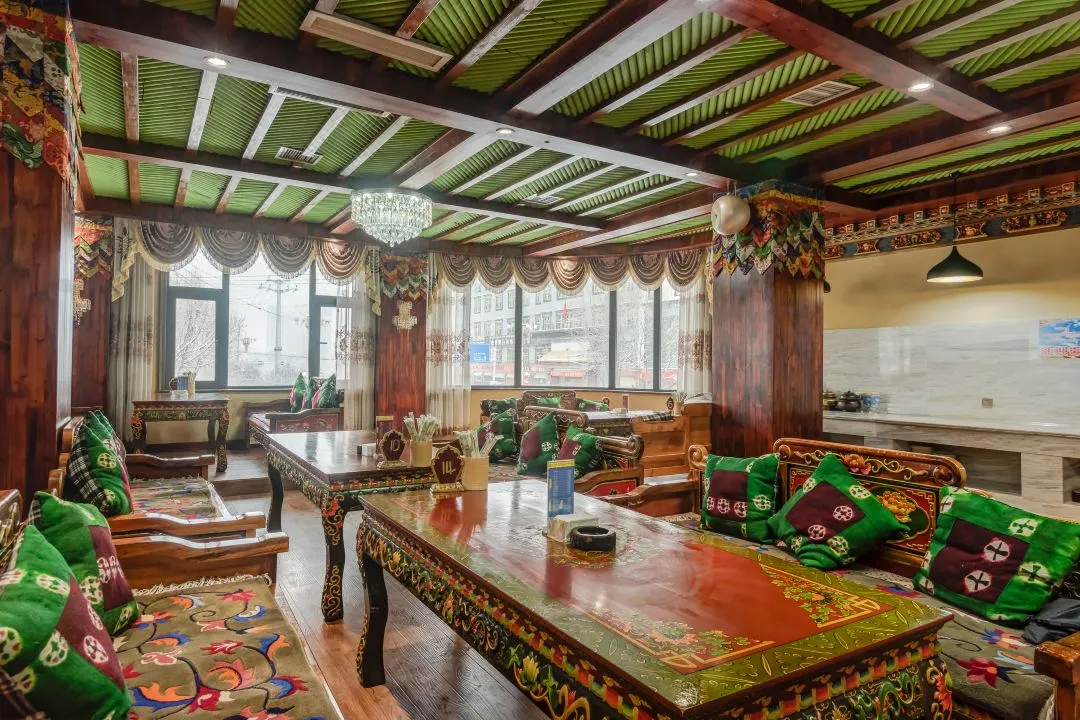
10-Day Chengdu to Tibet Train Tour Package Includes:
Accommodation
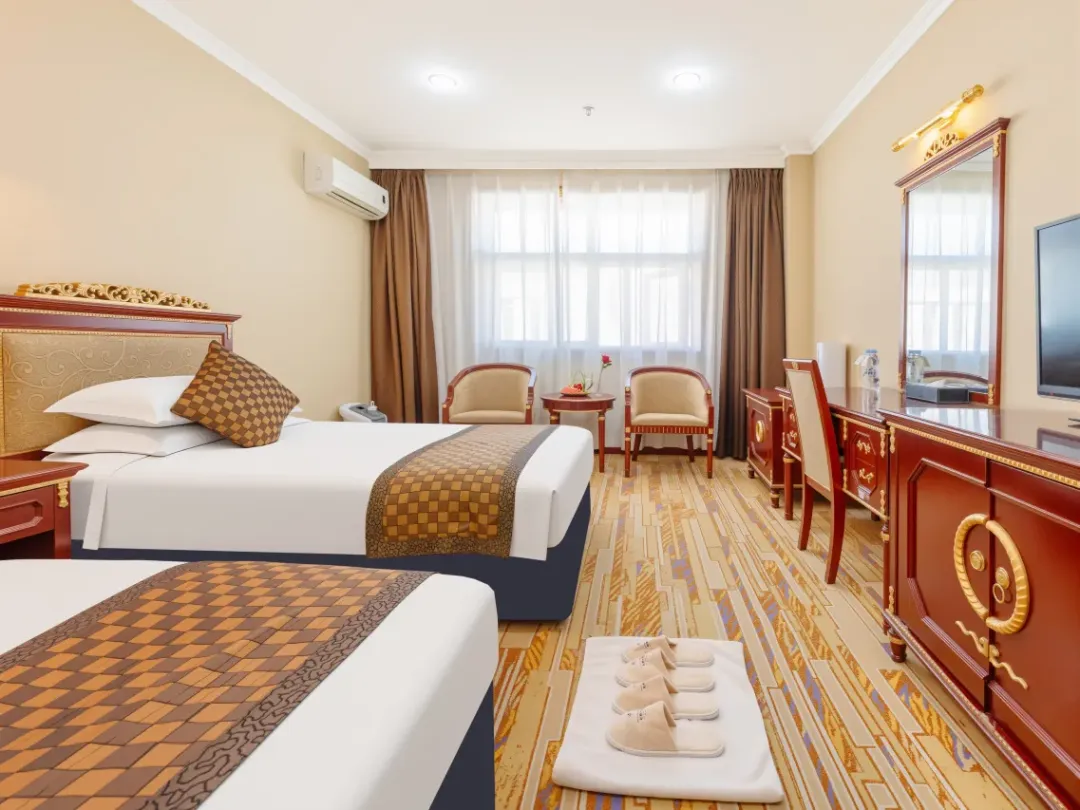
- 2 nights in 4-star hotel (Chengdu)
- 2 nights in soft sleeper cabin on train
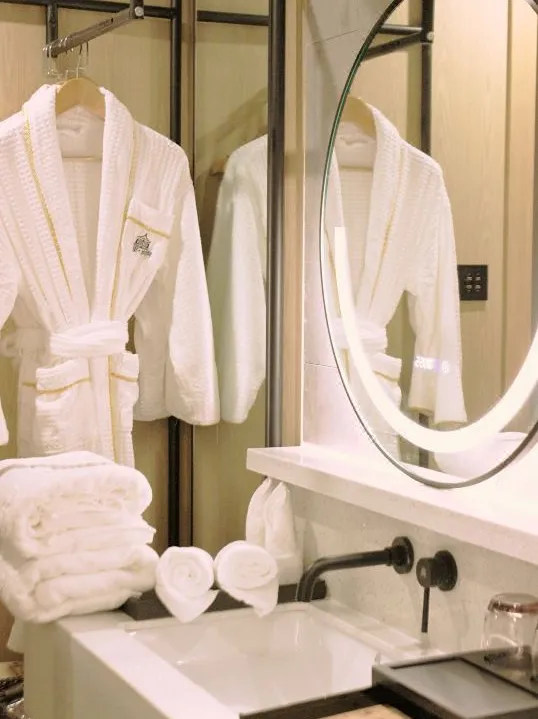
- 6 nights in 4-star hotel (Lhasa)
Meals
- All breakfasts (8 mornings)
- Most lunches and dinners
- Special Tibetan meals included
- Beverages: tea, coffee, water provided
- Train dining car meals at discount
Transportation
- Train ticket (soft sleeper class)
- Private vehicle transfers (Chengdu city, Lhasa)
- Day tours in Lhasa (private or small group vehicle)
Guided Tours
- Expert local guides (English-speaking)
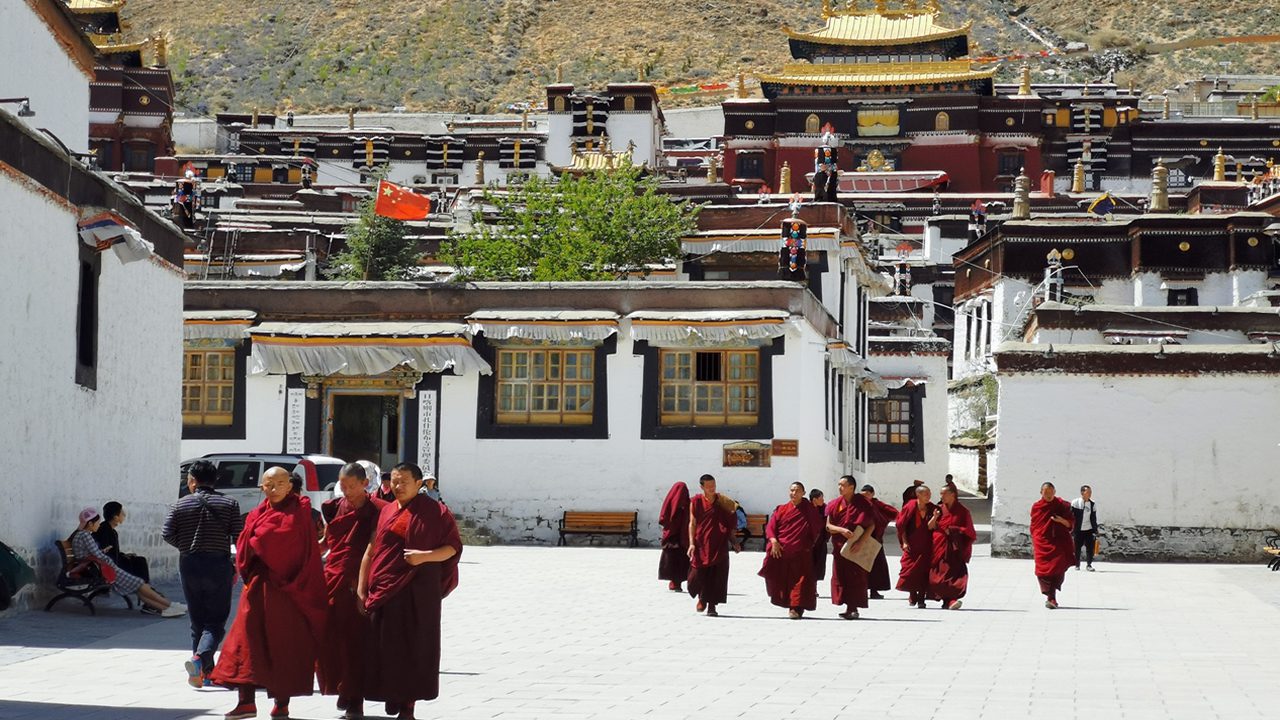
- Permits for all temples and monasteries
- All entrance fees (Potala Palace, Jokhang, etc.)
Activities Included
- Chengdu Research Base of Giant Panda Breeding
- Wenshu Monastery
- Potala Palace
- Jokhang Temple
- Barkhor Street circumambulation
- Drepung Monastery
- Sera Monastery
- Yamdrok Lake full-day excursion
NOT Included
- International flights to/from China
- China visa
- Travel insurance
- Personal expenses (souvenirs, extra meals, tips)
- Optional activities (museum visits, massage)
Pricing & Booking
10-Day Chengdu to Tibet Train Tour
- Starting price: USD $1,150 per person (double occupancy)
- Small groups: 2-4 people (recommended)
- Private option: Available at higher rates (full group customization)
Best Time to Take the Chengdu to Tibet Train
Season-by-Season Guide for the Chengdu to Lhasa Train Tour
🌸 Spring (April-May): EXCELLENT
- Weather: 50-65°F (10-18°C)
- Sunshine: 12+ hours daily
- Pros: Wildflowers blooming, clear skies, moderate crowds
- Cons: Occasional rain in Chengdu
- Rating: ⭐⭐⭐⭐⭐
☀️ Summer (June-August): VERY GOOD
- Weather: 60-75°F (15-24°C)
- Sunshine: 14+ hours daily
- Pros: Warmest weather, longest days, wildflowers peak
- Cons: Peak tourist season, higher prices, occasional rain on plateau
- Rating: ⭐⭐⭐⭐
🍂 Autumn (September-October): EXCELLENT
- Weather: 45-65°F (7-18°C)
- Sunshine: 11 hours daily
- Pros: Clearest skies, least rain, perfect colors, fewer tourists than summer
- Cons: Nights get cold; you’ll need thermal layers
- Rating: ⭐⭐⭐⭐⭐
❄️ Winter (November-March): CHALLENGING
- Weather: 20-40°F (-7 to 4°C)
- Sunshine: 8-9 hours daily
- Pros: Fewest tourists, unique stark beauty, winter light quality
- Cons: Cold on train, possible snow delays, some passes may close, heating in older cabins uncertain
- Rating: ⭐⭐⭐ (for experienced travelers only)
Recommendation: September-October or April-May offer the best balance of weather, crowds, and scenery for your Chengdu to Lhasa train tour.
For more detailed information on seasonal considerations for all Tibet train routes, see our complete Qinghai-Tibet Railway guide.
Frequently Asked Questions About the Chengdu to Lhasa Train Tour
Is the Chengdu to Lhasa train tour safe?
Yes, absolutely. The Qinghai-Tibet Railway is one of China’s safest train lines. Importantly, safety standards are excellent. The train operates year-round and has a strong safety record. Therefore, your biggest concern should be staying hydrated, not safety.
Do I need a Tibet Travel Permit for this Chengdu to Lhasa train tour?
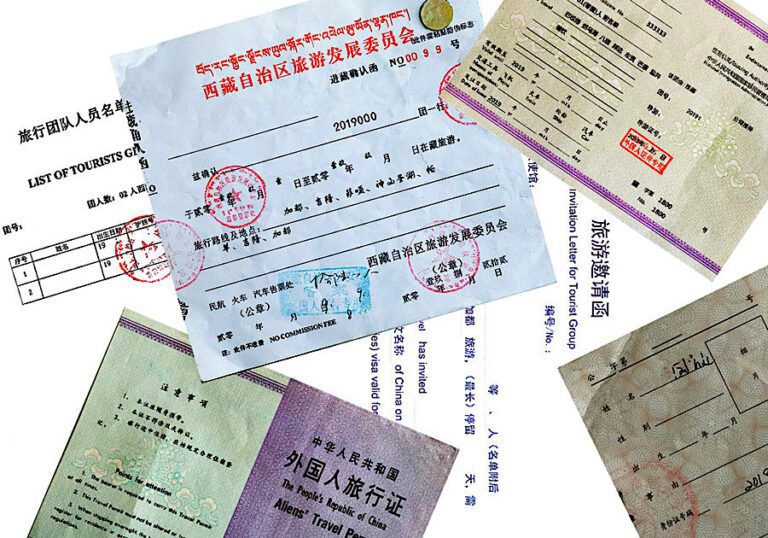
Yes, absolutely. All foreign visitors to Tibet require a Tibet Travel Permit (FIT—Foreign Individual Traveler Permit). Importantly, this is handled entirely by Experience Tibet as part of your tour package. You’ll provide a photocopy of your passport data page, and we arrange the permit through official channels. The permit is valid only when traveling with a licensed tour operator (that’s us).
Current requirement: You must be on a guided tour; independent travel to Tibet is not permitted.
What about altitude sickness on the Chengdu to Lhasa train tour?
This is the big question, and the honest answer: It depends.
You may experience:
- Mild headache (50% of travelers)
- Slight shortness of breath (40%)
- Insomnia (30%)
- Nausea (10%)
- Serious AMS (1-2%)
Why the train route is better:
- Gradual acclimatization = milder symptoms
- Most travelers feel fine by Day 7
- Minimal medication needed
What you can do:
- Hydrate like your life depends on it
- Pre-acclimatize (arrive in Chengdu 1-2 days early)
- Take ginkgo biloba or acetazolamide (ask your doctor)
- Avoid alcohol & sleeping pills first 3 days
- Rest more than you think necessary
How comfortable is the soft sleeper cabin?
Honest answer: It’s comfortable, not luxurious.
Soft sleeper cabins are genuinely nice by Chinese train standards. You get 4 berths, decent bedding, a small table, storage, and privacy. The toilet/sink facilities are shared (clean and functional). It’s not a 5-star hotel—it’s a functional, comfortable overnight space. Think of it as a cozy, utilitarian bedroom.
What to bring:
- Earplugs (trains rumble; worth it)
- Lightweight travel pillow
- High-SPF sunscreen (windows let intense UV through)
- Loose, comfortable clothes for sleeping
- Socks (cabins can be cold at night)
What if I can’t handle the altitude?
Rare, but manageable. If you experience severe altitude sickness:
- Your guide can arrange oxygen (available at hotels)
- Medical facilities in Lhasa are modern
- You can fly back to lower altitude immediately
- Travel insurance (which you should have) covers medical issues
- We can modify your itinerary to slower, gentler activities
Prevention is better than cure. Importantly, most issues are prevented through hydration, rest, and pacing activity.
Are there toilets on the train?
Yes. Chinese trains have Western and squat toilets. They’re cleaned regularly (though quality varies). Bring hand sanitizer and toilet paper. The toilets can be temperamental at high altitude (lower water pressure), so use them when you can rather than waiting.
What’s the food like on the train?
Good, but basic. The dining car serves Chinese meals (rice, noodles, vegetables, meat) for 40-80 RMB ($6-12). Quality is solid. Furthermore, bring instant ramen, snacks, and energy bars as backup. Bring your own tea bags or instant coffee if you’re picky.
What’s definitely available:
- Hot water (24/7, complimentary)
- Instant noodles (sold in dining car)
- Snacks at station stops (dumplings, buns, fruit)
Can I customize the Chengdu to Lhasa train tour?
Yes. The itinerary shown is our standard 10-day version, but we customize:
- Add pre-tour time in Chengdu (panda sanctuary, Sichuan cuisine classes)
- Extend to 12+ days (add Shigatse, Mount Everest Base Camp)
- Different departure dates
- Private vs. small group
- Hotel upgrades
- Special interests (photography, Buddhism, meditation)
Contact us for a custom quote.
Is this tour suitable for older travelers or people with mobility challenges?
Mostly yes, with caveats.
Good news:
- The train itself is accessible (soft sleepers have lower bunks available)
- Potala Palace has elevators for some sections
- You can skip strenuous activities
Challenges:
- Potala has many stairs; some sections unavoidable
- Monastery walks involve uneven terrain
- Yamdrok Lake drive is long (6+ hours); some passengers feel fatigued
- Altitude affects everyone, especially those with pre-existing conditions
Recommendation: Contact your doctor; consider a shorter itinerary. We can customize a modified version.
Do I need travel insurance for the Chengdu to Lhasa train tour?
Absolutely, yes. We recommend comprehensive travel insurance covering:
- Medical (altitude sickness, general illness)
- Trip cancellation (if you get sick and can’t go)
- Emergency evacuation (helicopter rescue if needed at high altitude)
Cost: 50-150 USD for 10 days; excellent investment.
Ready to Book Your Chengdu to Tibet Train Adventure?
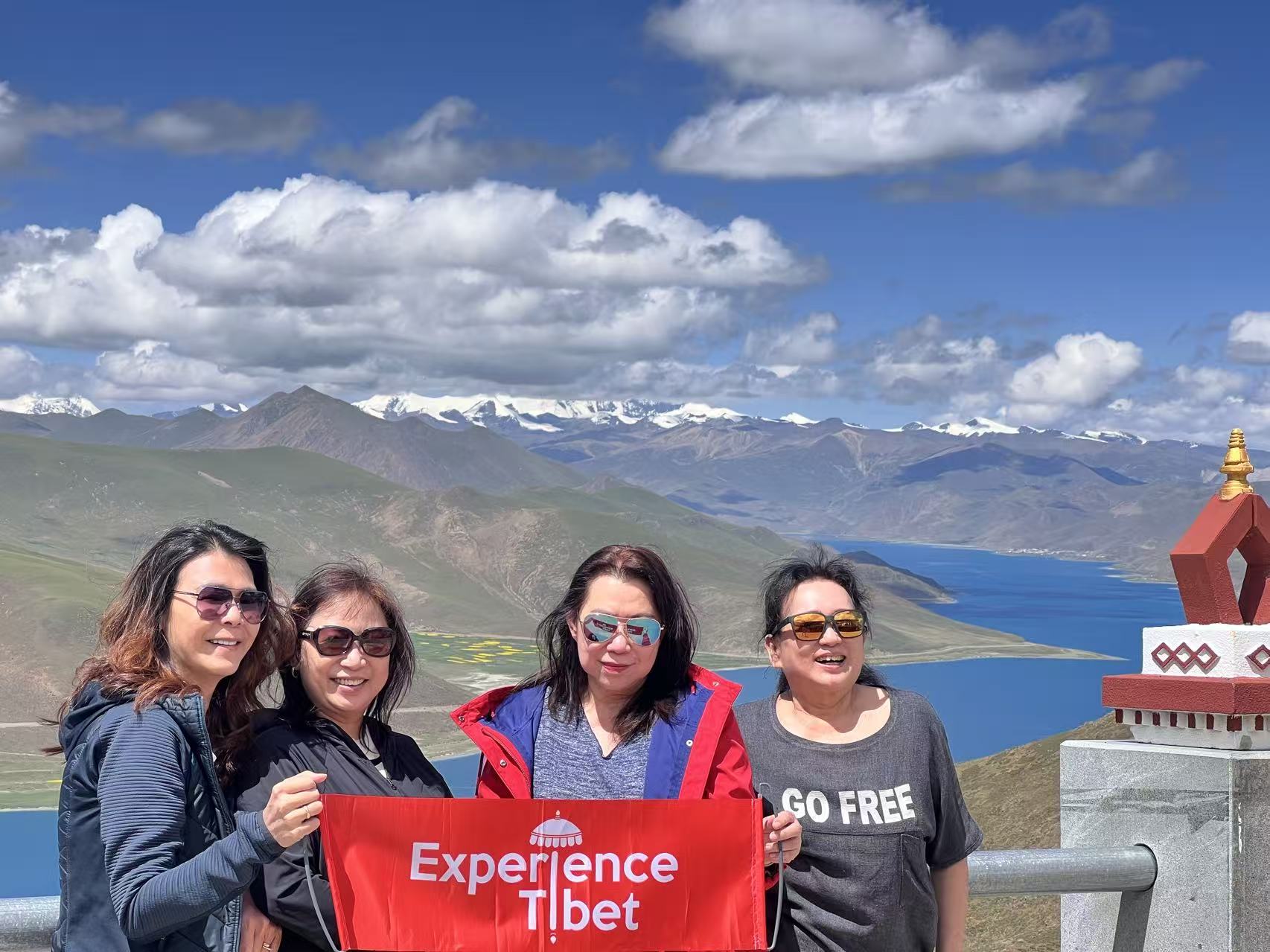
The Chengdu to Lhasa train tour isn’t just a trip—it’s a transformation. For 10 days, you’ll disconnect from the everyday and reconnect with what truly matters: nature’s majesty, spiritual traditions that have endured millennia, and the unexpected friendships formed with fellow travelers.
The world’s highest railway awaits. The Tibetan plateau calls. Potala Palace’s golden roofs gleam in the distance.
Next Steps:
Option 1: View Full Tour Details
👉 10-Day Chengdu to Tibet Train Tour
Option 2: Get a Custom Quote
👉 Contact Our Tibet Experts
- Chat with our team
- Customize your itinerary
- Ask any questions (we love them!)
- Receive a personalized quote within 24 hours
Want to compare all train routes?
View our complete Tibet train tours comparison.
Interested in other routes? Check out:
11-Day Beijing Xi’an Tibet Train Tour
10-Day Shanghái to Tibet Train Tour
Why Travelers Choose Experience Tibet for the Chengdu to Lhasa Train Tour:
15+ Years of Expertise: We’ve guided thousands on this exact route.
Certified Local Guides: English-speaking Tibetan guides who share deep cultural knowledge.
All Permits Handled: We manage Tibet Travel Permits; you just show up.
Small Groups, Big Experiences: 2-4 person groups (never crowded tour buses).
Flexible Dates & Customization: Your journey, your way.
100% Money-Back Guarantee: If you’re not satisfied, we refund (seriously).
The Chengdu to Lhasa train tour awaits. Start your adventure today.
🚂 Next departure: Check availability here
📧 Questions? Email us: info@experiencetibet.org
🗓️ Ready to book? Start Your Journey