 About
About





 Tibet Tours
 Tibet Train Tours
 Himalaya Tours (Tibet-Nepal-Bhutan)
 Private Tours
 Mount Kailash Tours
 Trekking Tours
 Travel Guide
 Tibet Travel Blog
 FAQ
FAQ About us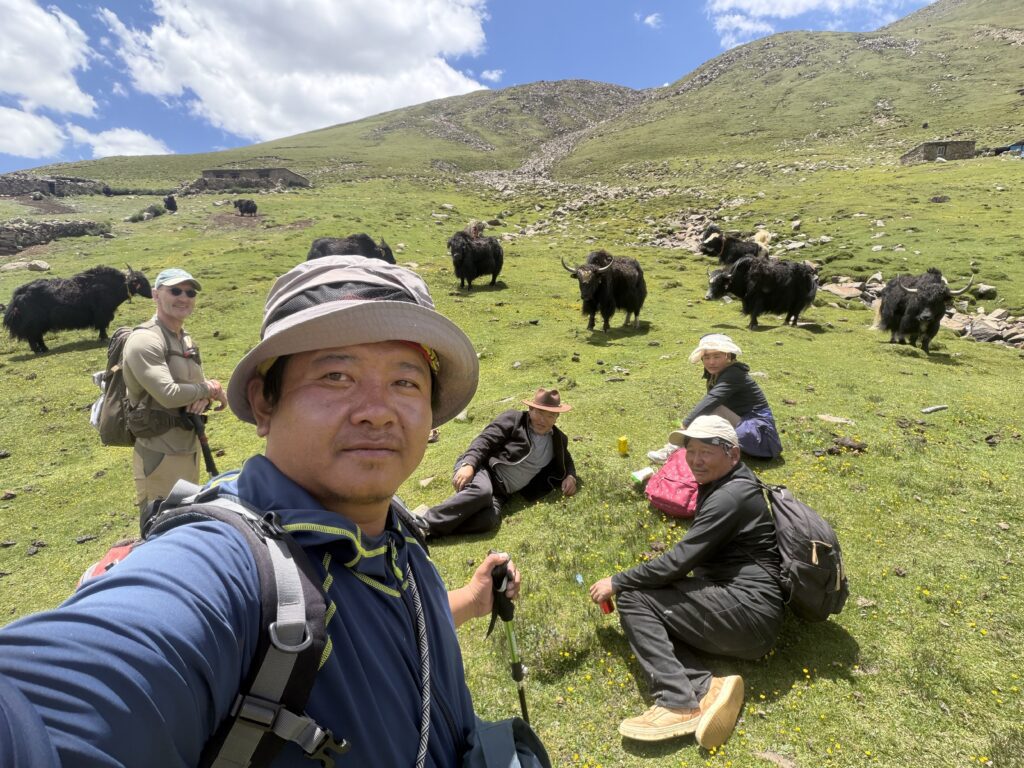
You have been dreaming about Tibet. The monasteries, the prayer flags, the snow peaks. But then you start looking at Tibet trekking options, and suddenly you are drowning in route names, altitude numbers, and fitness requirements that all sound vaguely terrifying.
Sound familiar? Here is the good news. Tibet trekking is not one-size-fits-all. Some routes are gentle enough for someone who has never laced up a hiking boot. Others will push even seasoned trekkers to their limit. The key is knowing which one matches your body, your experience, and your comfort zone.
This guide breaks down every major Tibet trekking route by difficulty, from easy day walks to the extreme Kailash kora. You will find verified altitudes, distances, daily trekking hours, and honest fitness requirements. No hype. Just the facts you need to pick the right adventure.
Why Tibet trekking is all about altitude
Let us get this out of the way. In Tibet, the altitude is the boss. Not the terrain, not the distance, not your gym routine.
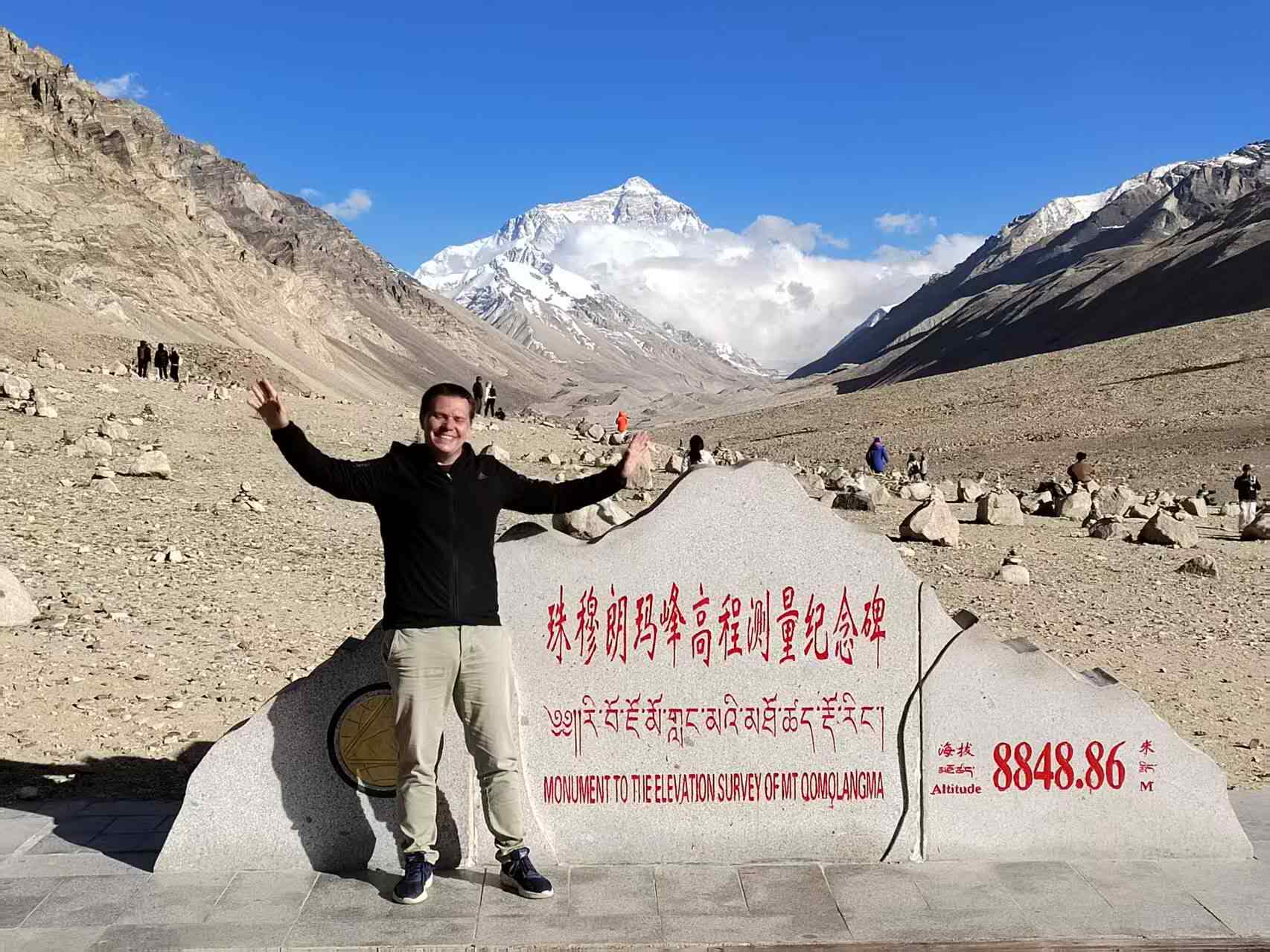
Most of Tibet sits above 3,500 meters (11,480 feet). Lhasa itself is at 3,650 meters. By the time you reach Everest Base Camp North, you are at 5,200 meters. The highest pass on the Kailash kora hits 5,630 meters. At that elevation, there is roughly half the oxygen you breathe at sea level.
You could run marathons back home and still feel winded climbing a single flight of stairs in Lhasa. That is normal. Your cardiovascular fitness helps, sure, but it does not make you immune to altitude sickness.
So when we talk about fitness levels for Tibet trekking, we are really talking about two things combined:
- Your baseline physical condition (cardio, leg strength, endurance)
- Your body’s ability to handle thin air
The second one, you cannot fully control. Some people acclimatize fast. Others struggle even at moderate altitudes. That is why every Tibet trekking tour we recommend includes acclimatization days in Lhasa before heading higher.
Talk to your doctor before booking any high-altitude trek. This is not a disclaimer we throw in for legal reasons. It is genuine advice that could save your trip, or your life.
Easy Tibet trekking routes for beginners
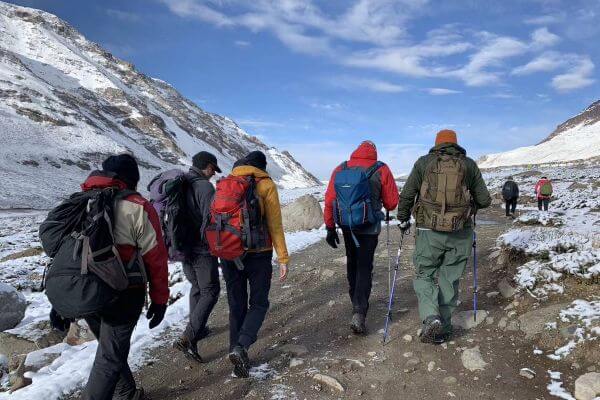
If you have never trekked before, or you just want to enjoy Tibet without sweating through your base layers, this is your tier. These options involve gentle walking, mostly on flat or paved surfaces, with no technical terrain.
Namtso Lakeside Walk
- Duration: 1 day (as part of a longer tour)
- Altitude: 4,718 meters
- Distance: 3 to 4 km (optional extended loop of 8 to 10 km)
- Difficulty: Easy
- Fitness needed: Low. No previous trekking experience required.
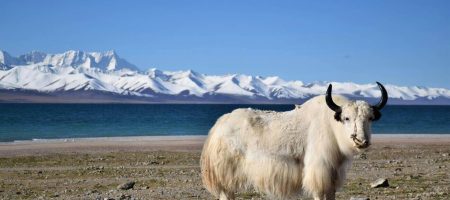
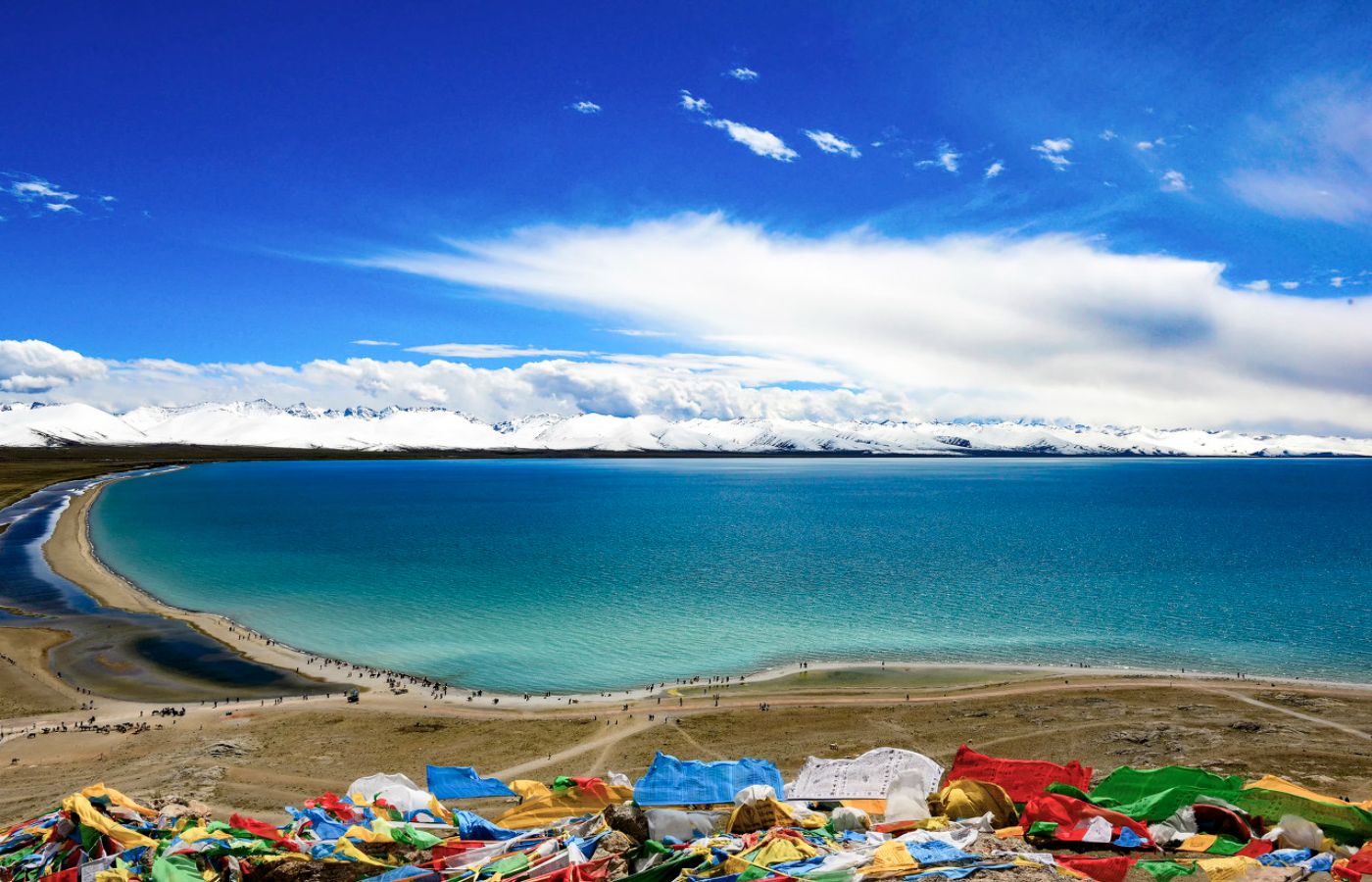
Namtso is a perfect test for how your body handles altitude above 4,700 meters. You walk along the shoreline of one of the highest saltwater lakes in the world. The terrain is flat and grassy. If you feel fine here, you will likely handle the higher Tibet trekking routes well. If you feel woozy, that is valuable information before committing to a multi-day trek.
You can experience Namtso on our 10-Day Lhasa, Everest, Namtso Tour, which combines the lake with Everest Base Camp.
4-Day Lhasa Holy City Tour
- Duration: 4 days
- Altitude: 3,650 meters (Lhasa)
- Distance: City walking only
- Difficulty: Easy
- Fitness needed: Low. No hiking required.
This is the ideal first trip to Tibet. You acclimatize gently while soaking up the cultural highlights. No trekking, no camping, no mountain passes. Just you, Lhasa, and centuries of Tibetan history.
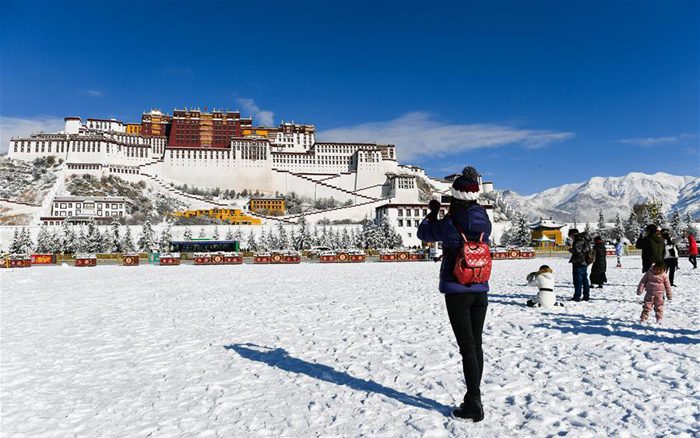
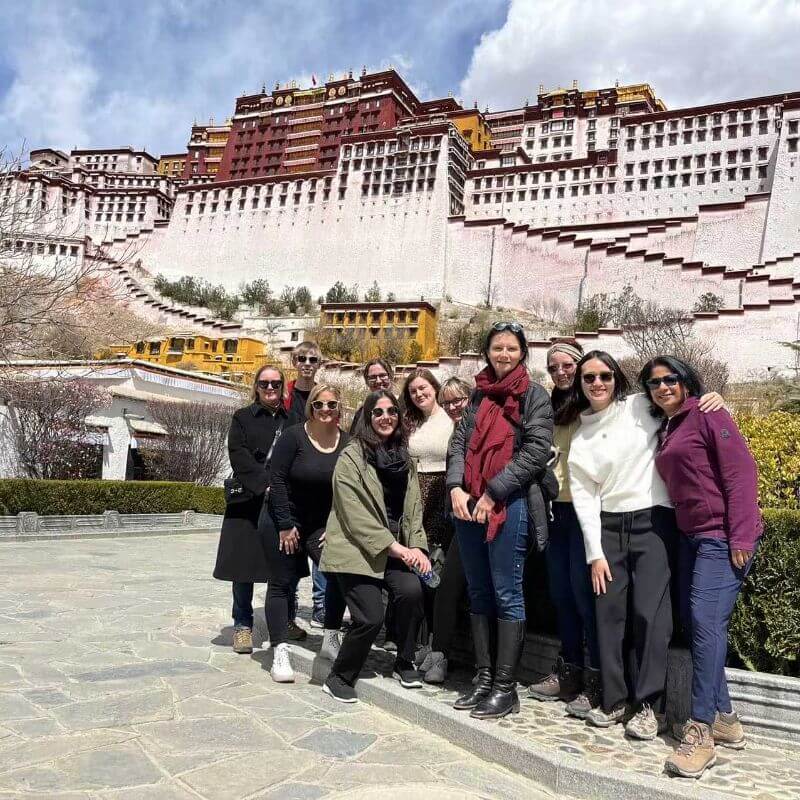
You visit the Potala Palace, Jokhang Temple, Drepung Monastery, and Sera Monastery. The biggest physical challenge is the stairs at the Potala (there are a lot of them, but you can take it slow). At US$486, it is also the most affordable way to experience Tibet trekking culture with a local guide. See the full 4-Day Lhasa Holy City Tour itinerary here.
5-Day Lhasa and Yamdrok Lake Tour
- Duration: 5 days
- Altitude: 3,650 to 4,441 meters
- Distance: Short walks, 1 to 2 hours each
- Difficulty: Easy to moderate
- Fitness needed: Low to moderate. Comfortable walking at altitude.
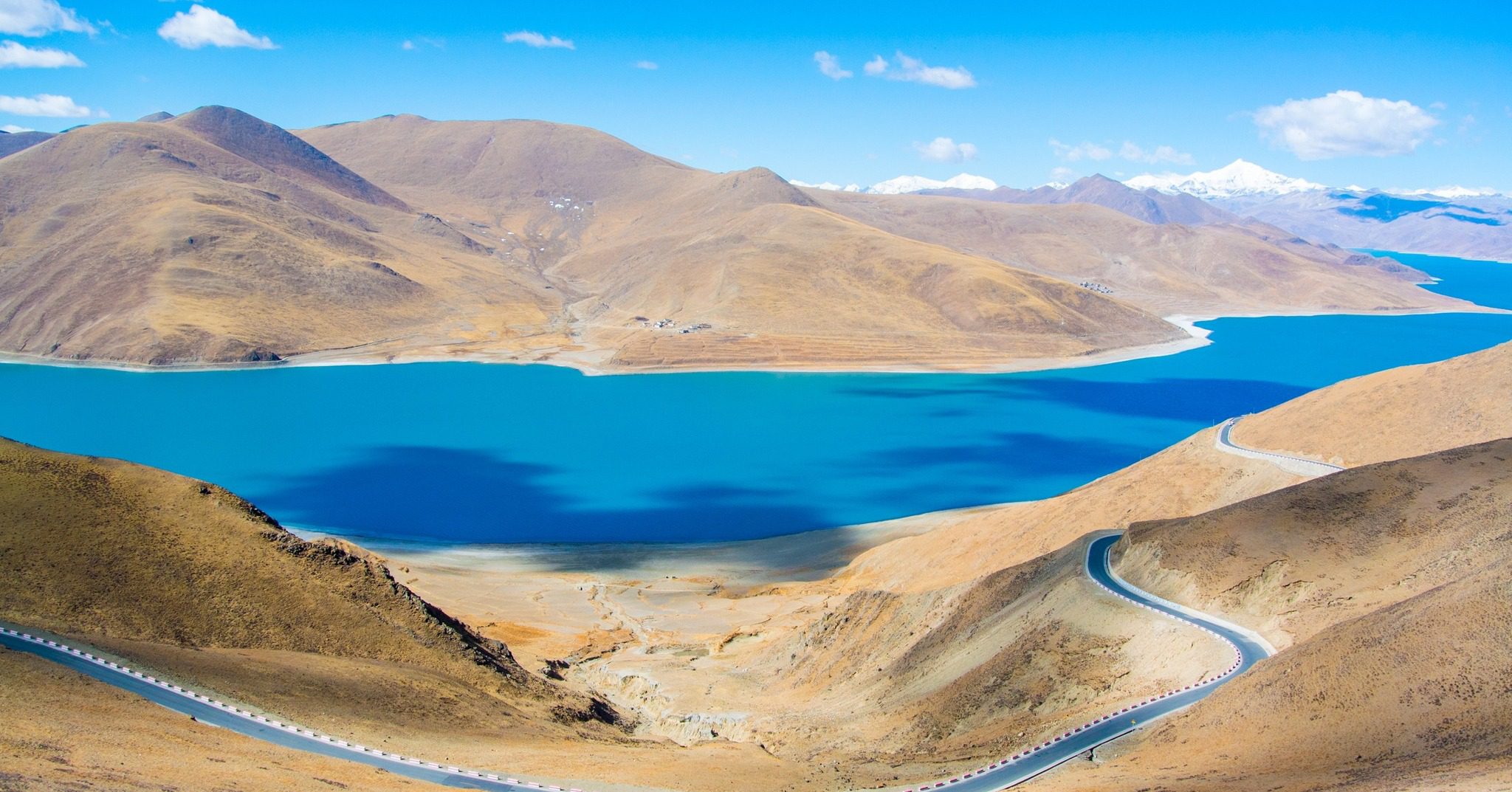
You explore Lhasa for two days, then drive to Yamdrok Lake, one of Tibet’s three sacred lakes. The turquoise water against snow-capped peaks is the kind of view that makes you forget you are standing at 4,441 meters.
The driving day is long, so stamina matters more than leg strength here. If you can handle a full day of sightseeing with some walking, you are fine. Check the 5-Day Lhasa and Yamdrok Lake Tour here.
Moderate Tibet trekking tours
This is where things get interesting. Moderate Tibet trekking involves either sustained walking at altitude over multiple days, or long driving days at high elevation with short walks at the destination. You do not need to be an athlete, but you should be reasonably active and comfortable spending full days outdoors.
Ganden to Samye trek difficulty and route
- Duration: 4 to 5 trekking days (plus acclimatization days in Lhasa)
- Altitude: Up to 5,250 meters (Shuga-la Pass)
- Distance: Approximately 45 km over the trekking days
- Difficulty: Moderate
- Fitness needed: Moderate. Previous hiking experience recommended. You should be comfortable walking 5 to 6 hours per day with a daypack.
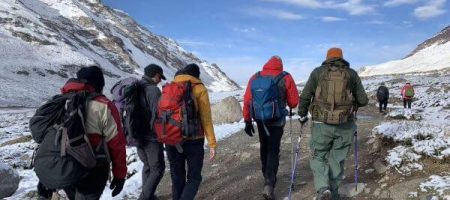
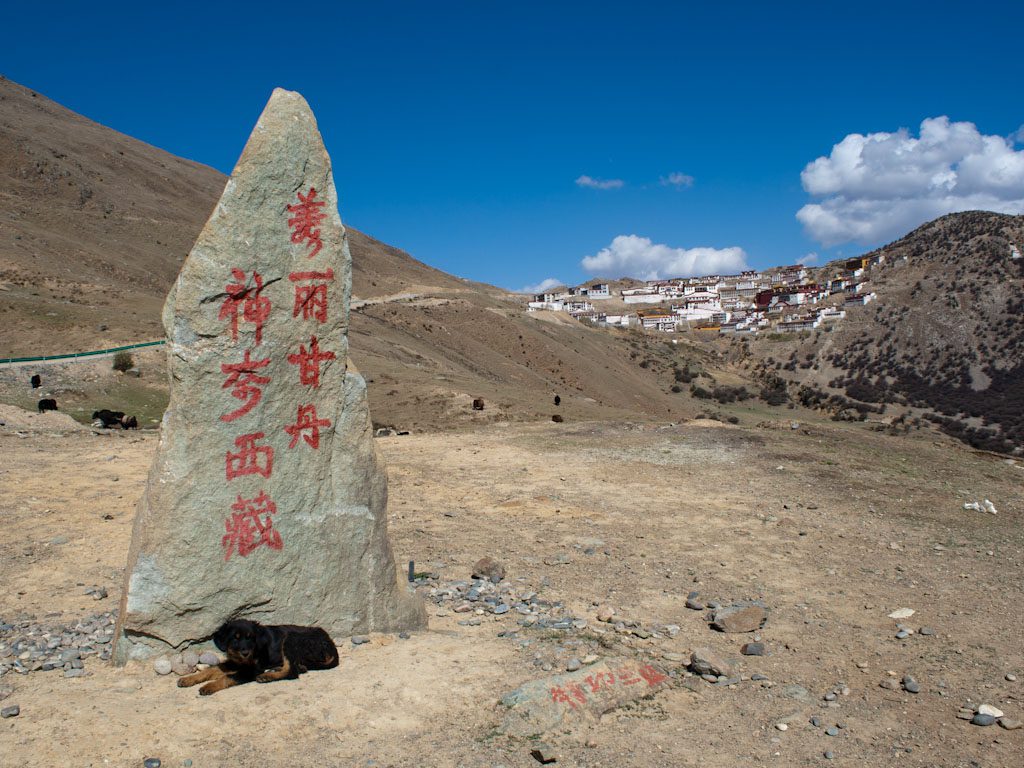
This is the classic Tibet trekking experience. You trek between two of Tibet’s most important monasteries. The route crosses two high passes (Shuga-la at 5,250m and Chitu-la at around 5,100m), passes through alpine meadows, crosses streams, and drops into forested valleys.
It is not technical climbing. No ropes, no ice axes, no crampons. But you are walking for several hours a day above 4,500 meters, and crossing passes above 5,200 meters. That demands respect.
The scenery is worth every aching muscle. You see nomad tents, herds of yaks, glacial lakes, and mountain views that stretch forever. And ending at Samye Monastery, the oldest Buddhist monastery in Tibet, feels like a proper pilgrimage.
Important: Trekking days and total distances vary by operator. Some companies run this as a 4-day trek, others as 5 days. Always check the specific itinerary before booking.
8-Day Everest Base Camp tour difficulty
- Duration: 8 days
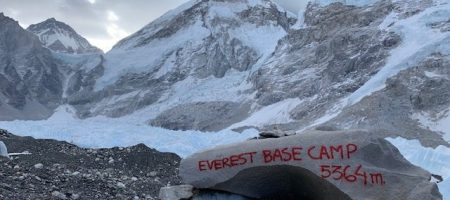
- Altitude: 3,650 to 5,200 meters (North Base Camp)
- Distance: Vehicle travel with short walks
- Difficulty: Moderate
- Fitness needed: Moderate. The challenge is altitude management and long driving days, not trekking distance.
Here is the honest truth. The 8-Day EBC tour is not a trek. It is a sightseeing tour that happens to reach 5,200 meters. The physical demand comes from altitude and travel fatigue, not from hiking.
But do not let that fool you. Spending a night at that altitude is serious. Your body is working hard even when you are sitting still. Headaches, shortness of breath, and poor sleep are common. The tour includes acclimatization days in Lhasa and Shigatse to help your body adjust, but some people still struggle at EBC.
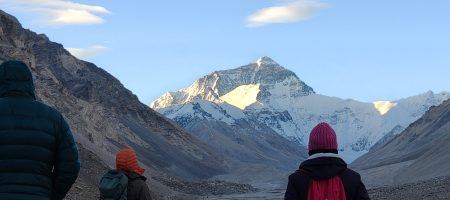
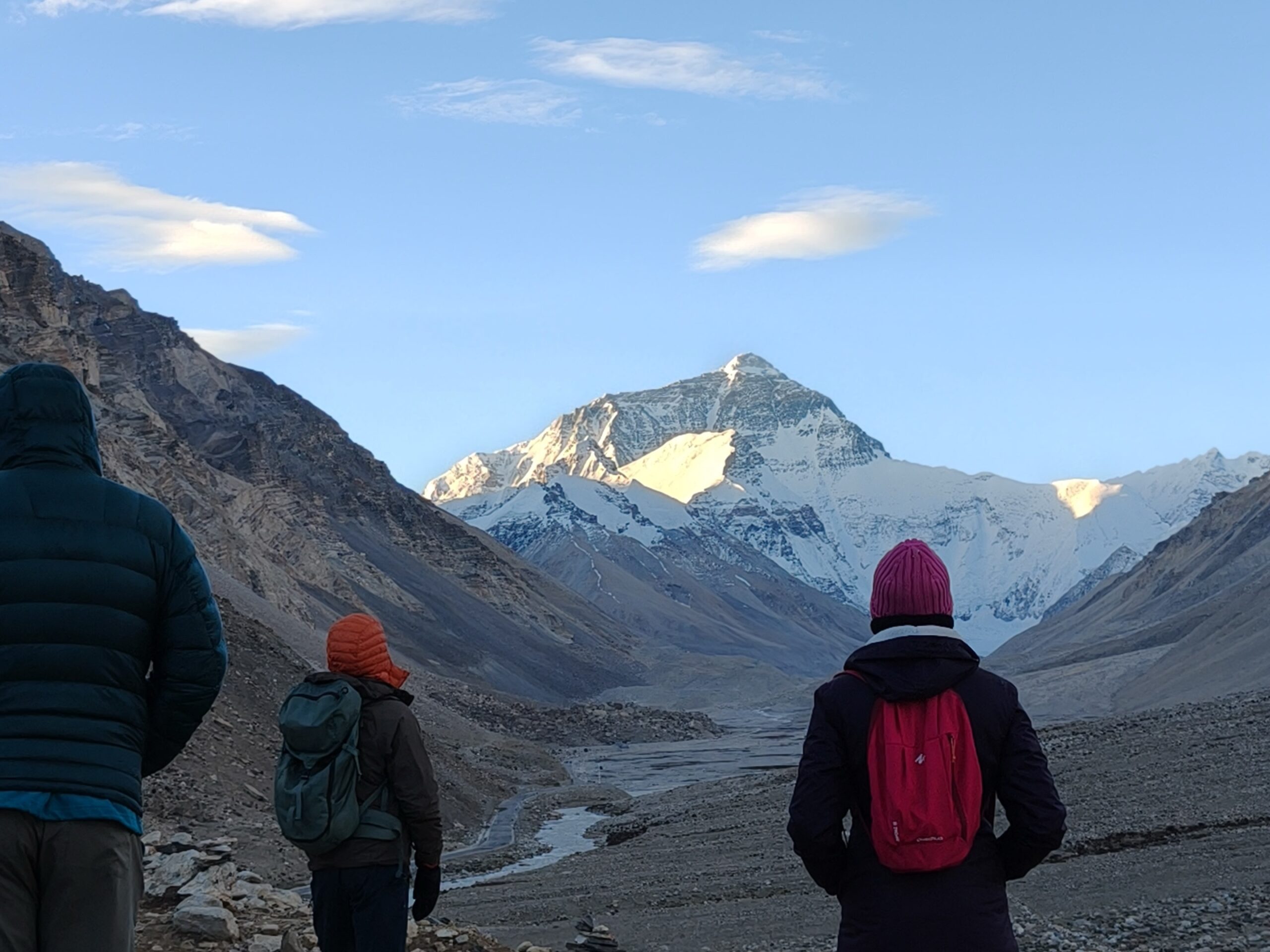
The payoff? You see the north face of Everest from Rongbuk Monastery, the highest monastery in the world. No 12-day trek required. You drive there. See the 8-Day Everest Base Camp Tour from US$903 here.
10-Day Lhasa, Everest, and Namtso Tour

- Duration: 10 days
- Altitude: 3,650 to 5,200 meters (EBC) and 4,718 meters (Namtso)
- Distance: Vehicle travel with day walks
- Difficulty: Moderate
- Fitness needed: Moderate. Similar to the 8-Day EBC tour but longer, with more altitude variation.
You combine the Everest Base Camp route with a visit to Namtso Lake. You get the cultural depth of Lhasa, the thrill of standing near Everest, and the surreal beauty of one of Tibet’s sacred lakes, all in one trip. The extra days give you more acclimatization time, which is actually a fitness advantage.
Explore the 10-Day Lhasa, Everest, Namtso Tour here.
7-Day Tibet to Nepal Overland Tour
- Duration: 7 days
- Altitude: 3,650 to 5,200 meters, then descending to Nepal
- Distance: Vehicle travel, border crossing on foot
- Difficulty: Moderate
- Fitness needed: Moderate. Long driving days and altitude management.
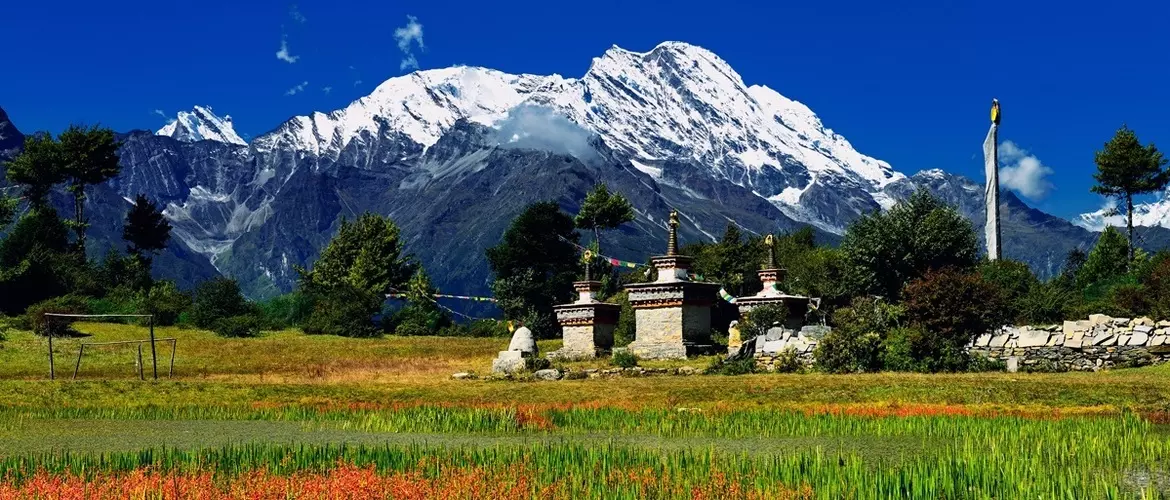
You travel overland from Lhasa to Kathmandu via Everest Base Camp and the Gyirong border crossing. You see the best of southern Tibet and cross the Himalayas by road. The physical challenge is endurance. Multiple long driving days, altitude changes, and a border crossing that involves walking with your luggage. See the 7-Day Tibet to Nepal Overland Tour here.
Difficult Tibet trekking for experienced trekkers
These are the routes that test you. They involve multi-day trekking at sustained high altitude, crossing passes above 5,500 meters, and pushing your body in conditions where help is far away. You need real fitness, real preparation, and ideally some prior high-altitude experience.
Mount Kailash kora difficulty explained
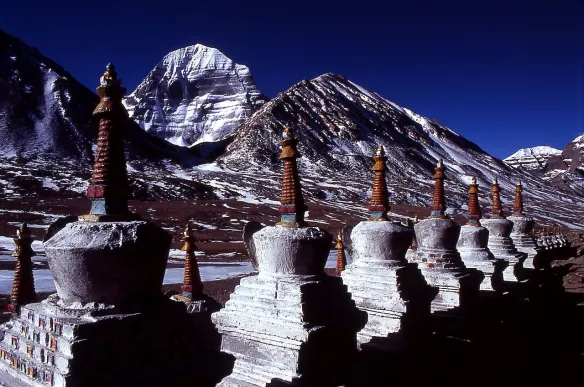
- Duration: 3 trekking days (as part of a longer tour)
- Altitude: Up to 5,630 meters (Dolma La Pass)
- Distance: Approximately 52 km over 3 days
- Difficulty: Moderate to difficult
- Fitness needed: Moderate to high. Comfortable walking 6 to 7 hours per day at altitude.
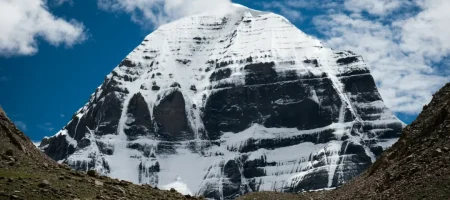
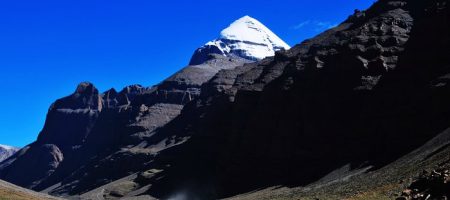
You walk the sacred kora (circumambulation) around Mount Kailash, one of the holiest mountains in the world. Day 1 is relatively gentle, about 14 km gaining altitude gradually. Day 2 is the killer. You cross the Dolma La Pass at 5,630 meters, the highest point of the trek, then descend steeply. Day 3 is a long but relatively flat walk back to Darchen.
Can beginners do the Kailash kora? Yes, they can, and many do. But “beginner” here means someone who has never done a kora before, not someone who has never walked more than a mile. You need solid cardio fitness, strong legs, and the mental toughness to keep going when your head is pounding and every step feels like breathing through a straw.
No technical climbing is required. The path is a well-worn pilgrim trail. But the altitude is the real challenge, and at 5,630 meters, your body is operating at the edge of what most humans can tolerate.
15-Day Mount Kailash trekking tour
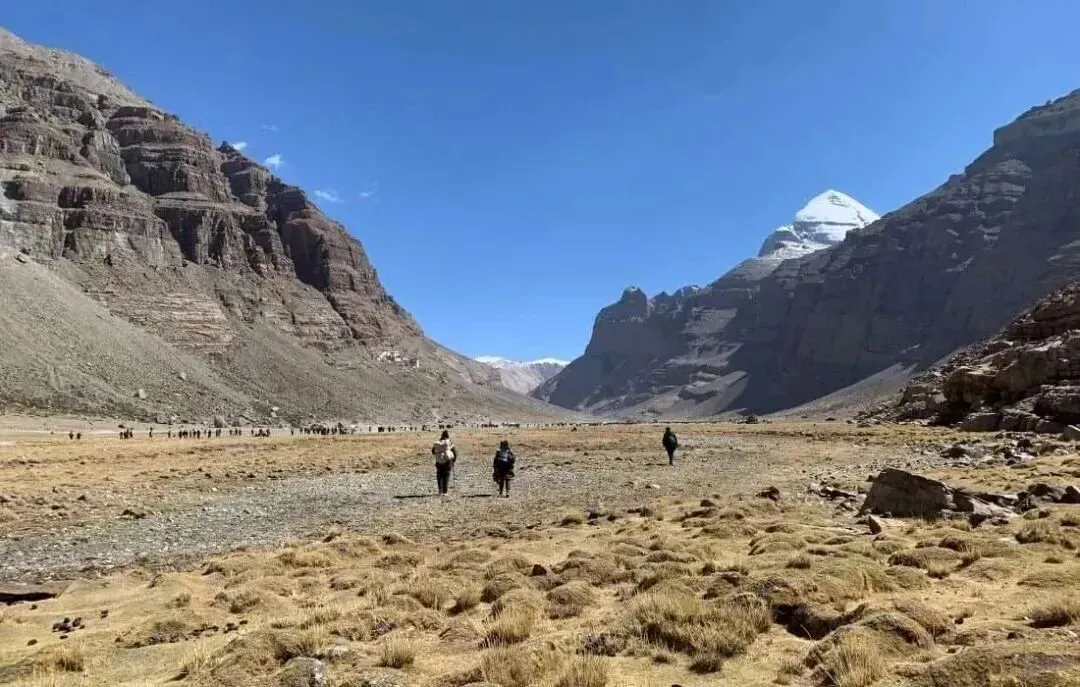
- Duration: 15 days total (3 days of actual kora trekking, the rest is travel and sightseeing)
- Altitude: 3,650 to 5,630 meters
- Distance: 52 km kora plus vehicle travel across western Tibet
- Difficulty: Difficult to extreme
- Fitness needed: High. Sustained fitness for the trekking days plus the stamina for 15 days at altitude.
- Group size: 4 to 13 participants. Local Tibetan guide. All permits included.
This is the big one. The tour that combines the cultural highlights of central Tibet, the thrill of Everest Base Camp, and the spiritual weight of the Kailash kora into a single 15-day journey.
The trekking portion is only 3 days, but those 3 days are intense. Day 2, when you cross the Dolma La Pass, is one of the most physically demanding things most travelers will ever do. You start before dawn, climb to 5,630 meters in freezing morning air, and then descend hundreds of meters on the other side.
But here is the thing. People of all ages and fitness levels complete this kora every year. Tibetan grandmothers do it. Indian pilgrims in their 60s do it. The difference is preparation. If you train properly for 6 to 8 weeks before the trip, and if you acclimatize well during the tour, you can do it too.
See the 15-Day Mount Kailash Trekking Tour from US$1,972 here.
Tibet trekking difficulty comparison table
Here is a quick-reference table to help you compare all the routes at a glance.
| Trek or tour | Days | Max altitude | Trekking distance | Difficulty | Fitness needed |
|---|---|---|---|---|---|
| Namtso Lakeside Walk | 1 day | 4,718m | 3 to 4 km | Easy | Low |
| 4-Day Lhasa Holy City Tour | 4 days | 3,650m | City walking | Easy | Low |
| 5-Day Lhasa and Yamdrok Lake | 5 days | 4,441m | Short walks | Easy to moderate | Low to moderate |
| Ganden to Samye Trek | 4 to 5 trekking days | 5,250m | 45 km | Moderate | Moderate |
| 8-Day Everest Base Camp Tour | 8 days | 5,200m | Vehicle + short walks | Moderate | Moderate |
| 10-Day Lhasa, EBC, Namtso | 10 days | 5,200m | Vehicle + day walks | Moderate | Moderate |
| 7-Day Tibet to Nepal Overland | 7 days | 5,200m | Vehicle + border crossing | Moderate | Moderate |
| Mount Kailash Kora | 3 trekking days | 5,630m | 52 km | Moderate to difficult | Moderate to high |
| 15-Day Kailash Trekking Tour | 15 days total | 5,630m | 52 km kora + travel | Difficult to extreme | High |
How to prepare for Tibet trekking
You picked your route. Now you need to get your body ready. Here is a practical preparation plan.
Start 6 to 8 weeks before your trip
Cardio training: Walk, jog, cycle, or swim for 45 to 60 minutes, 3 to 4 times per week. You want to build endurance, not speed. If you can hold a conversation while exercising, you are in the right zone.
Leg strength: Squats, lunges, and step-ups. Your legs will carry you up and down passes at altitude. Strong legs mean less fatigue, which means better decision-making, which means a safer trek.
Hill walking: If you live near hills or mountains, hike them with a daypack. Start with 2-hour walks and build up to 5 or 6 hours. If you live somewhere flat, use a treadmill on an incline or find a building with stairs and climb them repeatedly.
Altitude preparation
You cannot truly simulate altitude at sea level. But you can improve your body’s oxygen efficiency through cardio training.
The most effective altitude preparation happens during your tour. Those acclimatization days in Lhasa are not optional add-ons. They are the single most important factor in whether you enjoy your Tibet trekking experience or spend it miserable. Drink plenty of water, eat well (carbs are your friend at altitude), avoid alcohol, and walk slowly. Really slowly. Slower than you think you need to.
Mental preparation
Trekking at altitude is as much mental as physical. There will be moments when you want to quit. Your head will hurt. You will feel exhausted after walking a distance that would be easy at sea level.
Prepare for that mentally. Know that discomfort is temporary. Know that the view from the Dolma La Pass, or from Everest Base Camp at sunrise, is worth every step. And know that your guide has done this route many times. Trust them.
Which Tibet trekking route is right for you
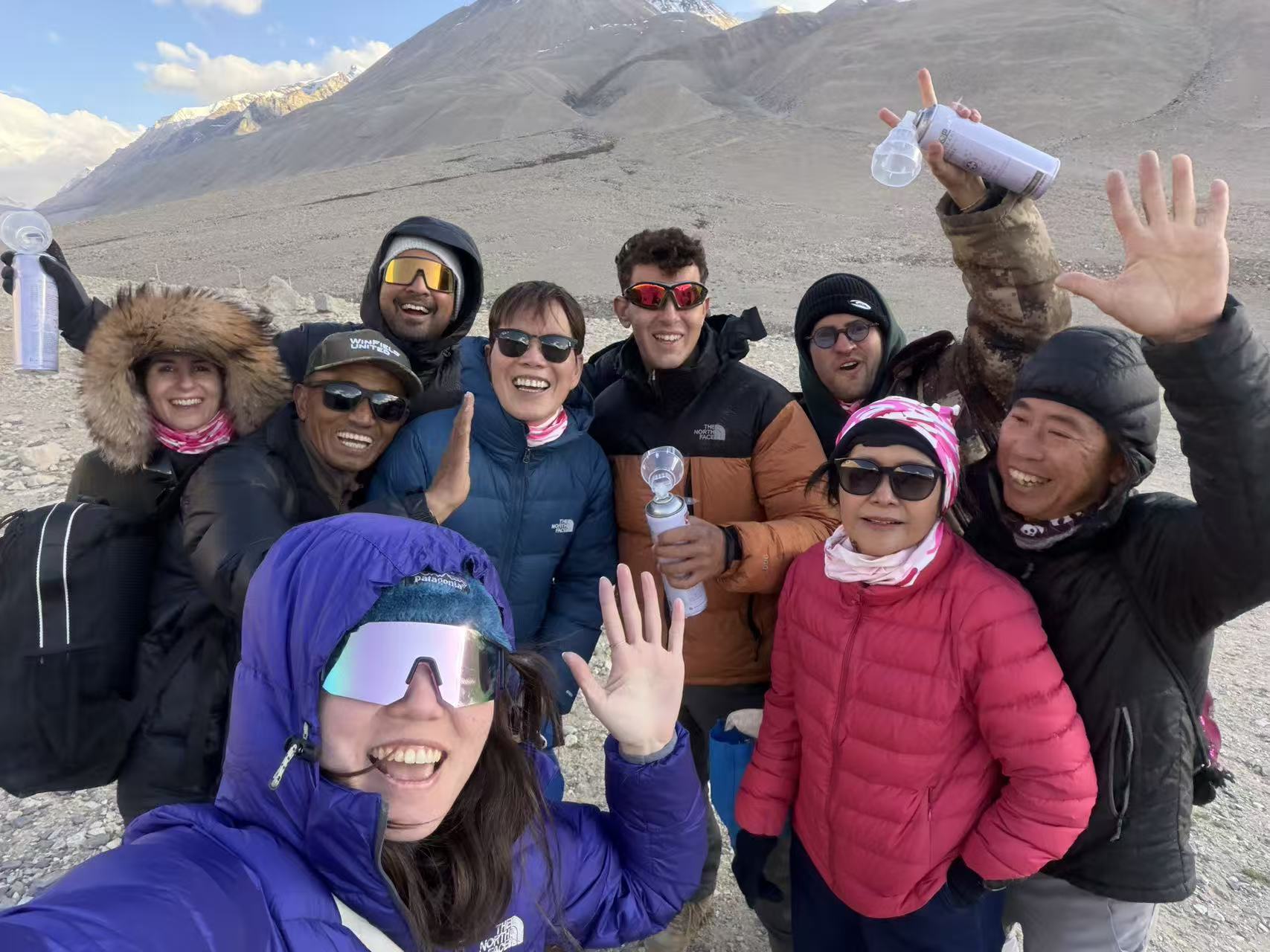
Still not sure? Answer these questions honestly.
Have you ever trekked or hiked for a full day before?
- No: Start with the 4-Day Lhasa Holy City Tour or the 5-Day Yamdrok Lake Tour. Get a feel for altitude before committing to anything bigger.
- Yes, a few times: You can handle the 8-Day EBC Tour or the 10-Day EBC and Namtso Tour comfortably. The Ganden to Samye Trek is within reach if you train for it.
- Yes, regularly, including multi-day treks: The Kailash kora is calling your name. Go for the 15-Day tour if you want the full experience.
How many days can you commit?
- 4 to 5 days: Lhasa Holy City or Yamdrok Lake
- 7 to 10 days: Everest Base Camp, Namtso, or Nepal Overland
- 12 to 15 days: Kailash trekking tour
How do you feel about camping?
- Not great: Stick to vehicle-based tours (EBC, Namtso, Overland). All accommodation is in hotels or guesthouses.
- I can handle a few nights: The Ganden to Samye Trek involves camping or very basic shelters.
- Bring it on: The Kailash kora involves basic guesthouses and tents. It is not luxury, but the stars at 5,000 meters are worth it.
Are you doing this for spiritual reasons?
If Mount Kailash holds religious significance for you (Hindu, Buddhist, Jain, or Bon), then the kora is the destination, not just a trek. Many pilgrims complete it with minimal trekking experience through sheer faith and determination. That said, we still recommend physical preparation to make the experience safer and more enjoyable.
Frequently asked questions about Tibet trekking
Can a beginner really do the Kailash kora?
Yes, beginners complete the kora regularly. But “beginner” in this context means someone new to the kora, not someone who never exercises. You should train for 6 to 8 weeks beforehand, focus on cardio and leg strength, and be honest with yourself about your fitness. The kora is not a technical climb, but 52 km over 3 days at altitudes up to 5,630 meters is serious physical effort.
Is Everest Base Camp in Tibet harder than in Nepal?
The Tibet side is actually easier in terms of physical effort. You reach EBC North (5,200m) by vehicle, not by a 12 to 14 day trek from Lukla like on the Nepal side. The trade-off is that you reach altitude faster, with less time to acclimatize on foot. But our tours include acclimatization days in Lhasa and Shigatse to manage this.
What happens if I get altitude sickness during a trek?
Your guide is trained to recognize symptoms. Mild symptoms (headache, nausea, shortness of breath) are common and usually manageable with rest, hydration, and slower pacing. Severe symptoms (confusion, inability to walk straight, fluid in the lungs) require immediate descent. This is why having an experienced guide is non-negotiable. Never trek alone in Tibet. It is also required by law to have a guide.
Can seniors do these treks?
Many seniors enjoy Tibet tours, especially the vehicle-based options like the 4-Day Lhasa tour and the 8-Day EBC tour. The Potala Palace has many stairs, but you can take them slowly. For trekking routes (Ganden to Samye, Kailash), consult your doctor first. Age alone is not a disqualifier, but underlying health conditions matter at altitude.
What is the best time of year for Tibet trekking?
May, June, September, and October are the best months. July and August are warmer but can be rainy. The Kailash kora is typically possible from late May to early October. Winter trekking is possible but challenging due to cold and snow.
Do I need special permits for trekking in Tibet?
Yes. All foreign visitors need a Tibet Travel Permit, which we arrange for you. Some areas (like Mount Kailash and the Everest region) require additional permits, which are included in our tour packages. You cannot trek independently in Tibet. A licensed guide is required by law.
Final thoughts
Tibet trekking is not about being the fittest person on the mountain. It is about choosing the right route for your body, preparing properly, and respecting the altitude.
Maybe you start with a gentle walk around Namtso Lake and fall in love with the plateau. Maybe you go straight for the Kailash kora and discover what you are truly capable of. Either way, the important thing is to start where you are, not where you think you should be.
Every route in this guide is accessible to travelers who prepare honestly and listen to their bodies (and their guides). The mountains will still be there next year. Choose wisely, train well, and Tibet will give you an experience you will talk about for the rest of your life.
Ready to pick your trek? Browse all our Tibet tours or contact us for a custom itinerary tailored to your fitness level and schedule.