 About
About




 Tibet Tours
 Tibet Train Tours
 Himalaya Tours (Tibet-Nepal-Bhutan)
 Private Tours
 Mount Kailash Tours
 Trekking Tours
 Travel Guide
 Tibet Travel Blog
 FAQ
FAQ About us
Tibet is one of those places that feels like another world—high‑altitude landscapes, ancient monasteries and a living Buddhist culture that still shapes everyday life. But planning a trip here also raises a very practical question for Tibet tour cost 2026:
How much does a Tibet trip cost in 2026?
This article breaks down tour prices, cost drivers, daily budgets and ways to save, so you can plan realistically. Here we focus on the overall trip cost: tours, transport, accommodation, food and extras.
Why Tibet Trip Costs Matter More Than Ever in 2026
Travel prices worldwide have shifted over the last few years. Flights, fuel, hotel rates and operating costs have all changed—and Tibet is no exception.
What Has Changed Since 2025?
Compared with 2025, travelers can expect in 2026:
- Higher demand for small group and private tours during peak seasons (spring and autumn).
- Price pressure from increased operating costs (fuel, staff, logistics) in remote regions.
- Stable rules in principle: foreign travelers still must join a licensed tour, and permits remain mandatory, but exact processing times and details can shift, so it’s important to rely on up‑to‑date local advice.
What This 2026 Cost Guide Covers
This guide covers:
- Typical tour package costs by trip length and style.
- How prices change with season, comfort level and itinerary complexity.
- Daily budgets for budget, mid‑range and higher‑end travelers.
- Practical money‑saving tips that don’t ruin your experience.
Key Factors That Shape Your Tibet Trip Cost
Before looking at numbers or ranges, it helps to understand what actually drives the cost of a Tibet trip.
Season and Travel Month (High vs Low Season Pricing)
Choosing the right time to visit Tibet can dramatically affect what you pay.
- High season (roughly April–October):
- Better weather, clearer skies, more route options.
- Higher demand → higher prices on flights and popular tours.
- Shoulder / low season (late autumn and winter):
- Fewer crowds and potentially lower tour prices.
- Colder temperatures and possible limitations on remote routes.
Type of Tour: Small Group vs Private Custom Tour
ExperienceTibet blog and tours emphasize small group tours and custom itineraries as the main ways foreigners travel.,
- Small group tours
- Best per‑person value (costs of vehicle, guide and permits are shared).
- Fixed departure dates and itineraries (e.g. 4‑Day Lhasa Holy City Tour, 5‑Day Lhasa & Yamdrok Lake).
- Great if you’re flexible and like traveling with others.
- Private or customized tours
- Itinerary, pace and dates tailored to you (ideal for families, special interests, or mixed Tibet + Nepal/Bhutan trips).,
- Higher price per person because costs are not shared across a larger group.
Length and Complexity of Your Itinerary
The longer and more complex your trip (more destinations, more remote areas), the higher your overall cost:
- Short 4–5‑day Lhasa tours focus on the city and nearby highlights: relatively compact, less driving.
- 6–8‑day classic tours add central Tibet, lakes, and sometimes Everest Base Camp: more distance and nights away.
- 10–15‑day pilgrimage or remote tours (e.g., Mt. Kailash, western Tibet) require long driving days, more support, and more permits—thus higher cost.,
Accommodation Standard and Comfort Level
Accommodation is a significant part of your tour price. ExperienceTibet includes 3–4 star hotels as standard in its tours whenever possible.
- In Lhasa and larger towns:
- You can expect comfortable 3–4 star hotels (en‑suite bathrooms, heating, decent breakfast).
- In remote areas (near Everest Base Camp, Kailash):
- Simpler guesthouses or basic hotels, but logistics and remoteness still make them relatively expensive compared to the comfort they offer.
The more you upgrade (where possible), the more your overall trip cost will rise.
Average Tibet Trip Cost in 2026 by Tour Type and Duration
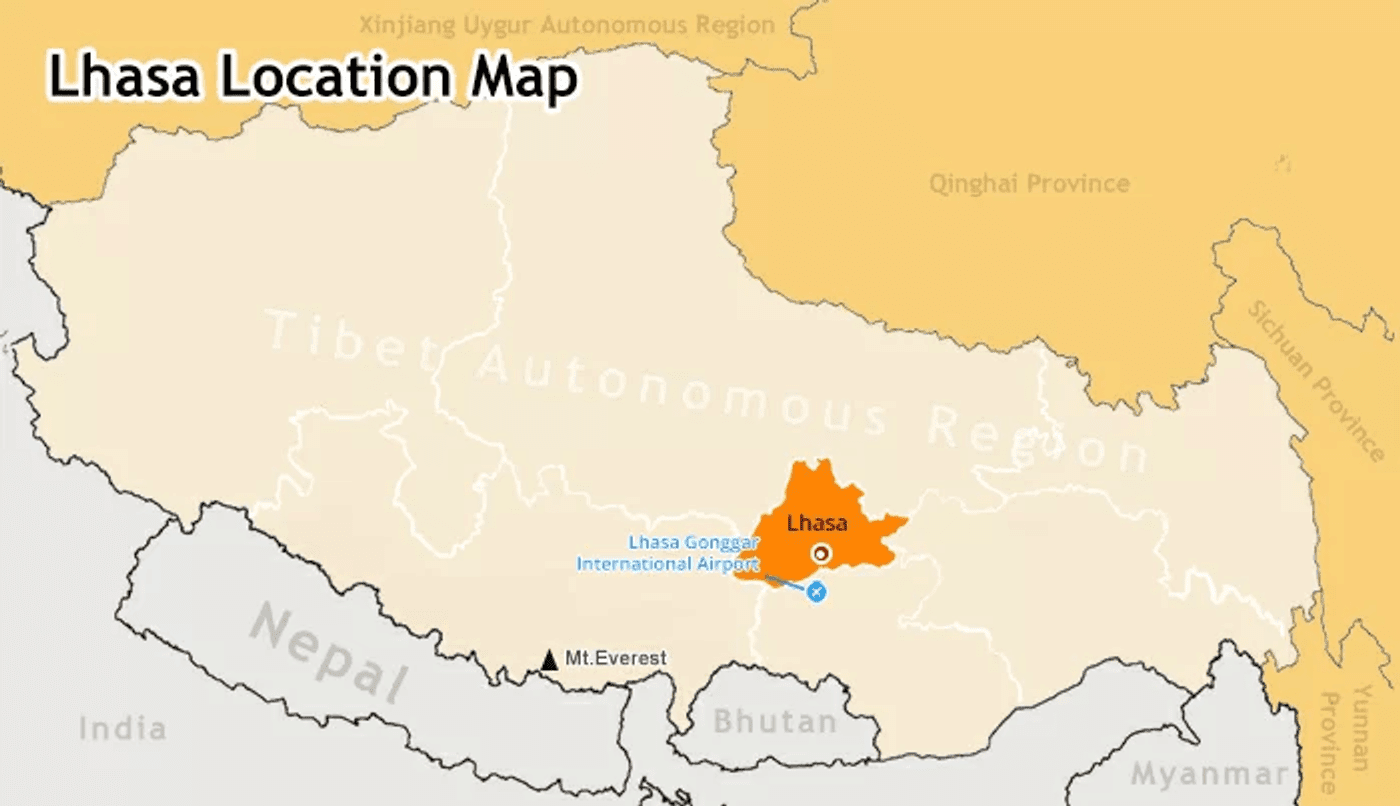
Every traveler’s budget is different, but people usually start by asking:
“How much does a 4‑day, 8‑day, or 15‑day Tibet tour cost?”
Below are relative cost patterns based on the kinds of tours ExperienceTibet actually operates.,
Short Lhasa City Breaks (4–5 Days)
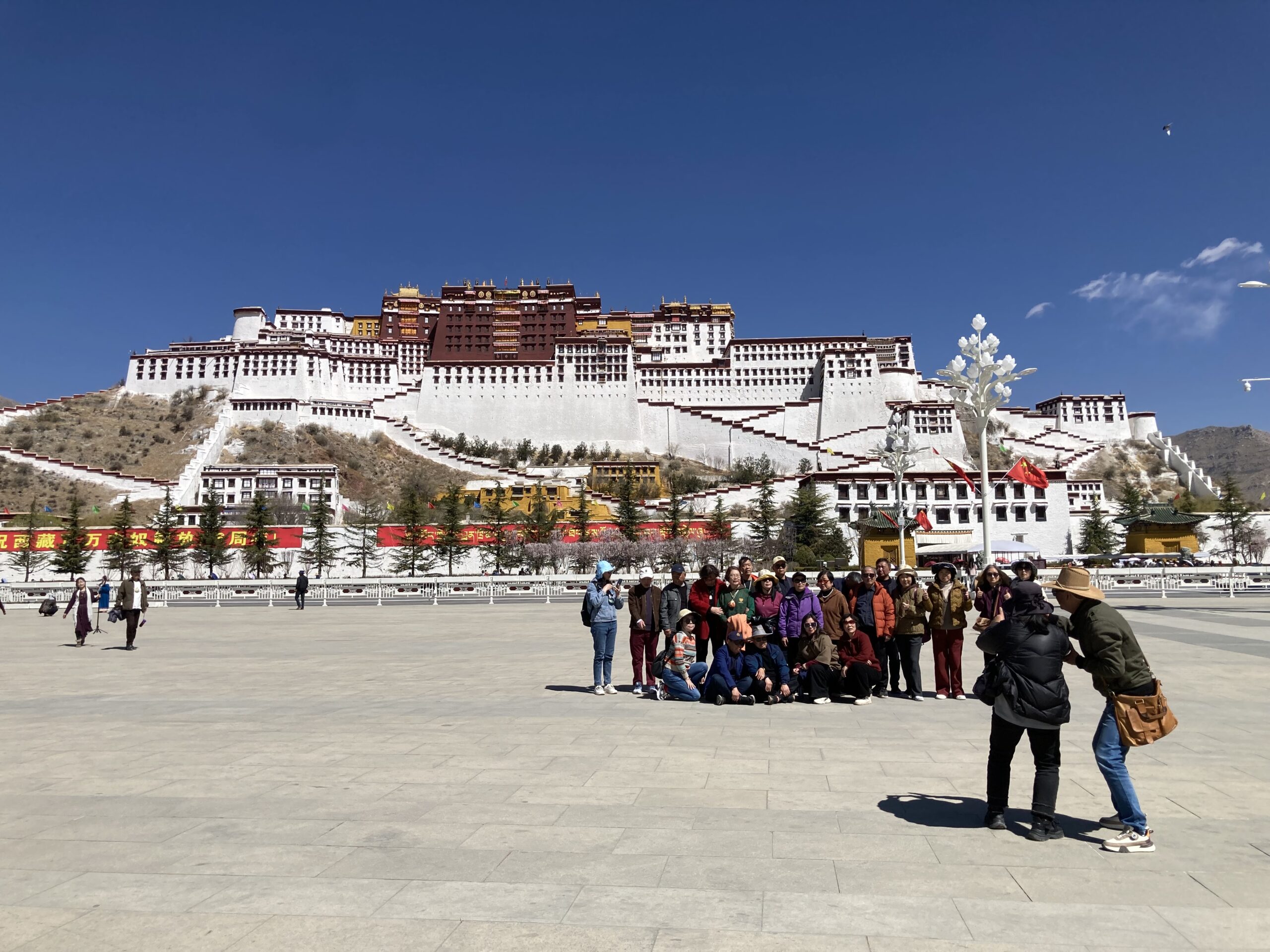
Typical tours:
- 4‑Day Lhasa Holy City Tour from US$486
- 5‑Day Lhasa & Yamdrok Lake Tour from US$659
What’s usually included:
- Airport/train station pick‑up and drop‑off at designated times.
- Tibetan, experienced, English‑speaking local guide.
- Transportation during the tour.
- 3–4 star hotels in Lhasa.
- Breakfast and a welcome dinner in Lhasa.
- Entrance fees for included sights (Potala, Jokhang, etc.).
- All Tibet travel permits.
- Daily bottled water, oxygen when needed, butter tea/sweet tea tasting.
- Local family visit with simple lunch.
These short tours are your lowest‑entry point to Tibet in terms of package price and are ideal for:
- Travelers with limited time.
- Those who want to keep overall costs down but still experience Lhasa and a nearby lake/valley.
Classic Tibet Tours (6–11 Days)
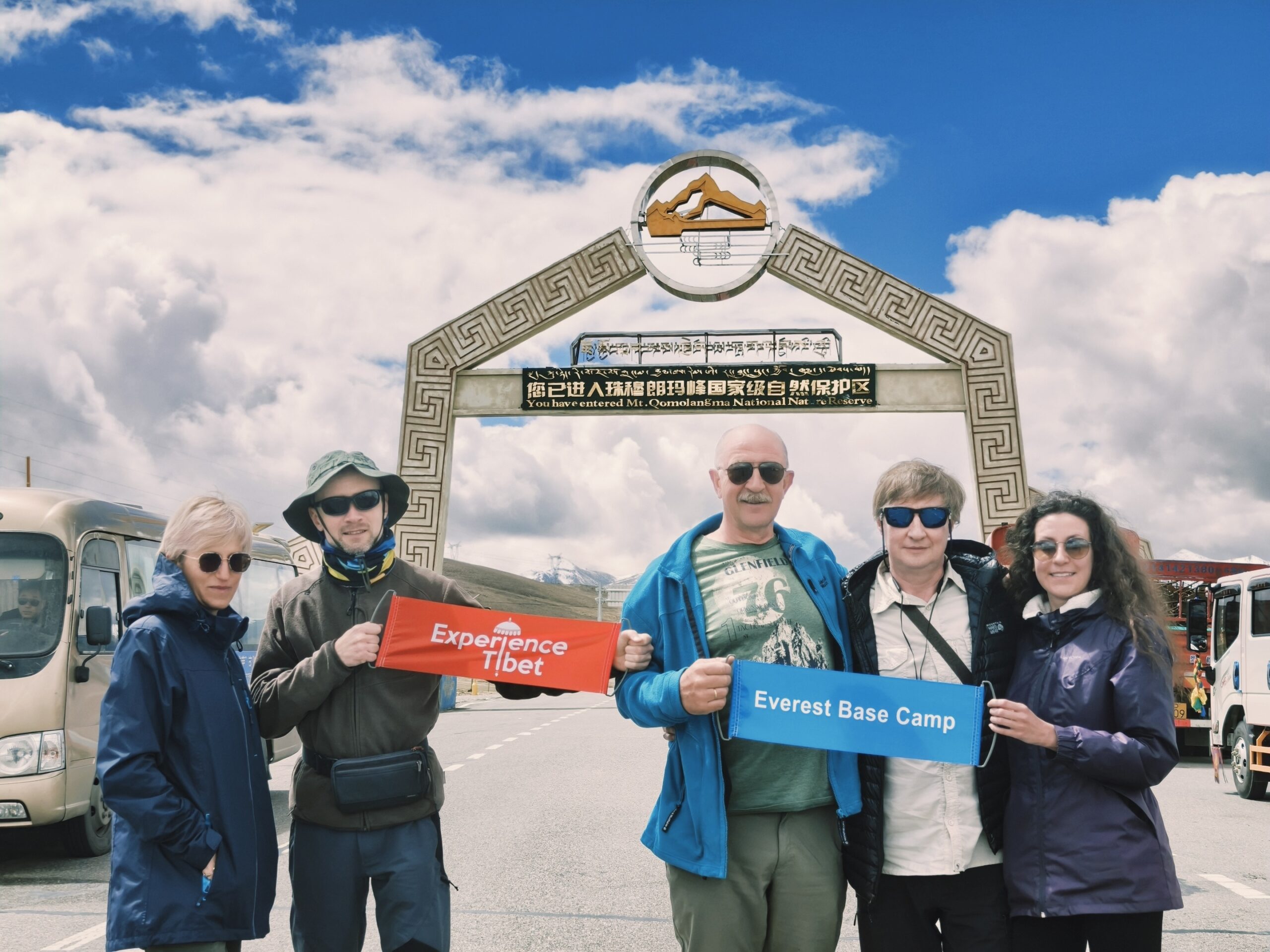
Typical themes:
- Lhasa → Gyantse → Shigatse (Golden Route).
- Lhasa + Everest Base Camp (EBC) on the north side.
What makes them more expensive than 4–5 day tours?
- More days of guide and driver time.
- More fuel and road time over long distances.
- Additional hotel nights in central Tibet towns.
- Additional permits for areas like Shigatse or EBC (permit prices into tour cost).
These tours are ideal for travelers who want:
- A deeper experience of Tibet’s landscape and culture.
- The iconic Himalayan views and the thrill of being near Everest.
Extended and Pilgrimage Tours (12–15+ Days)
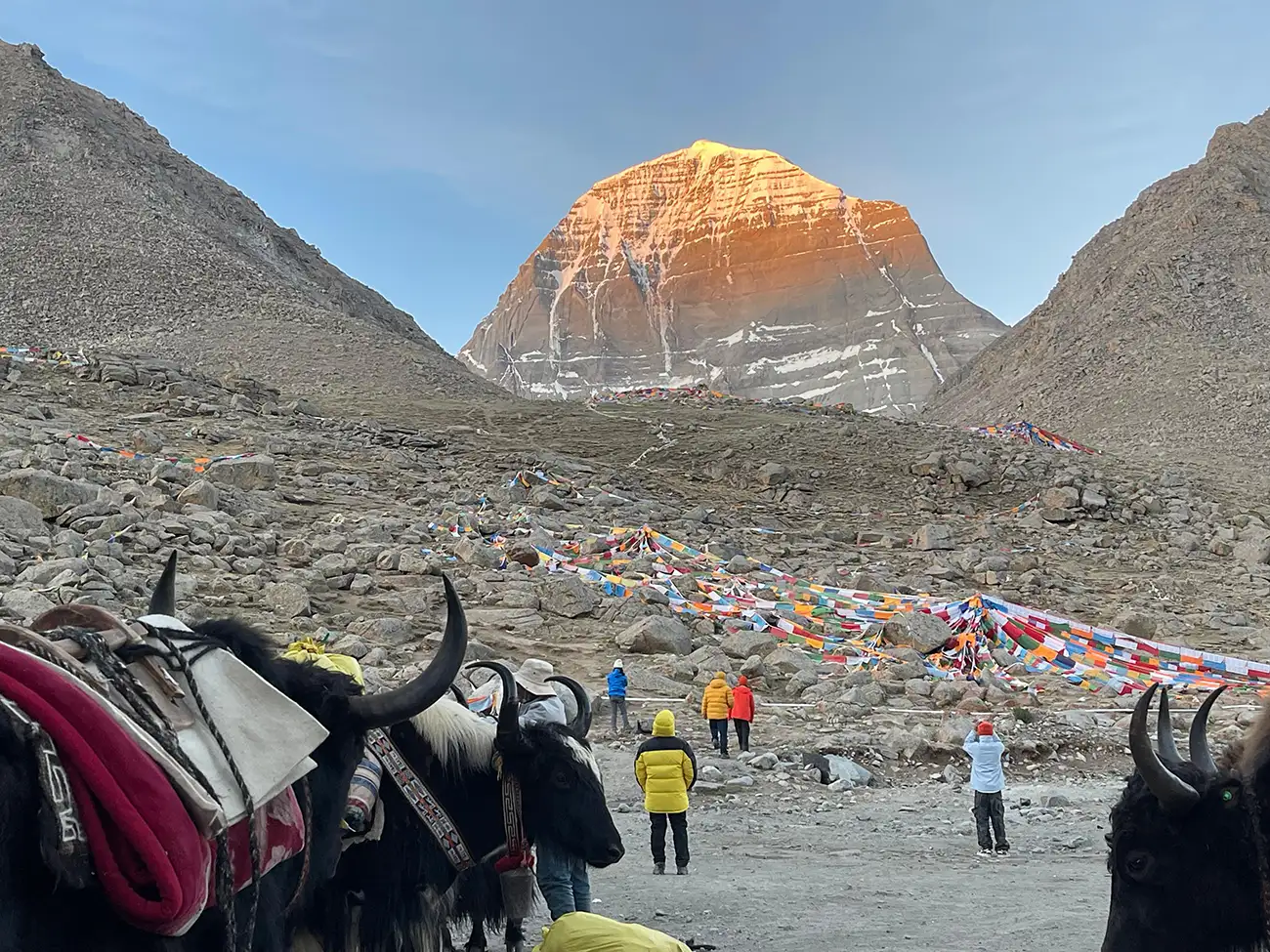
Examples:
- Long overland itineraries including Mt. Kailash and western Tibet.
- Combinations like Tibet + Nepal + Bhutan, such as your 8‑day Nepal tour and 7‑day Bhutan tour, combined with Tibet segments.
Why they cost more:
- Many more days of transport, guide and accommodation.
- Travel to very remote areas with limited infrastructure.
- Multiple permit types and border‑related logistics.
- Higher operational risk and backup arrangements (vehicles, oxygen, etc.).
If your main goal is a pilgrimage or long‑overland journey, budget more and allow for spare days in case of weather or road delays.
Small Group Tours vs Private Tour Price Levels
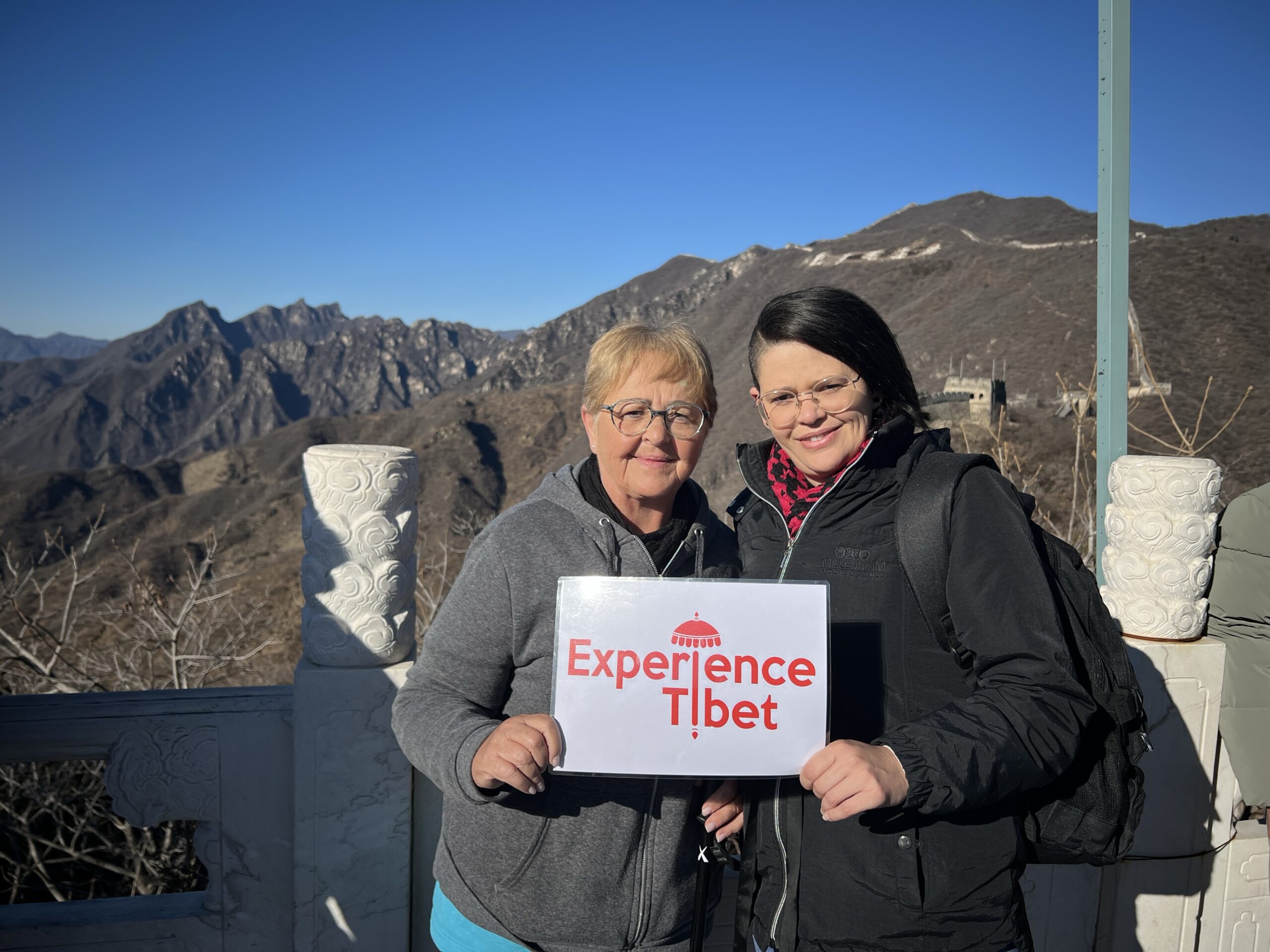
In general, for any given itinerary:
- Small group tours
- Lower price per person because you share costs.
- Fixed departure dates and group size (ExperienceTibet prefers small groups to keep things personal and flexible).
- Private tours
- Higher price per person, but more flexibility, privacy and customization.
- Ideal for families, special interest groups, or travelers with specific timing needs.
Breaking Down the Cost of a Tibet Trip: What You Really Pay For
To understand your budget, you need to see the components of a Tibet trip.
International and Domestic Transport
- International flights
- From your home country to China (Beijing, Chengdu, Xian, Shanghai, etc.) or to Nepal if you are combining with a Nepal/Tibet itinerary.
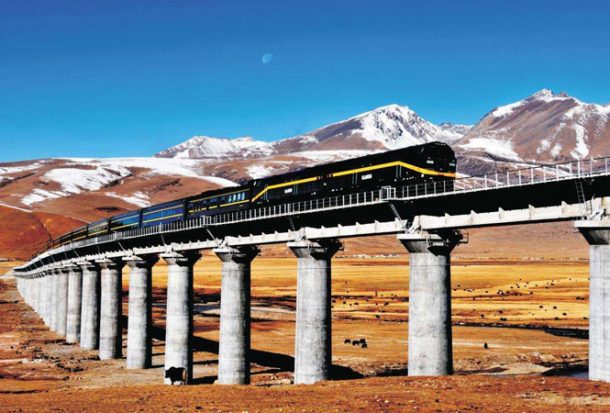
- Domestic flight or train to Lhasa
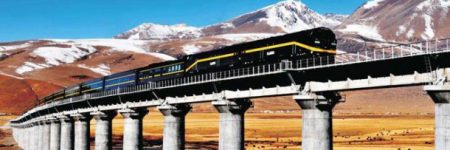
- Flights to Lhasa Gonggar Airport or trains along the Qinghai–Tibet railway add significantly to your cost but are essential parts of your journey.
Prices can vary wildly depending on season, booking date and departure city. They are usually not included in base tour prices unless explicitly packaged as such.
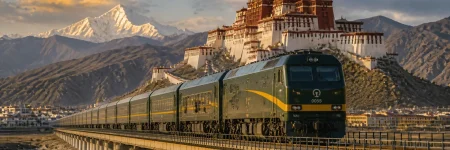
Such as train tours to Lhasa departing from different cities:
Tour Package Components
As spelled out in your “What’s included in all our tours to Tibet” section, your packages typically include:
- Airport/train station transfers at designated times.
- Tibetan English‑speaking guide for the duration of the tour.
- Private or group transport while on tour.
- 3–4 star hotels where available.
- Welcome dinner in Lhasa and daily breakfast.
- Entrance fees for listed sites.
- All Tibet travel permits needed for the itinerary.
- Daily bottled water, oxygen when needed.
- Butter tea/sweet tea tasting, local family visit and simple lunch.
These components are where most of your tour cost lies, beyond flights.
Meals, Entrance Fees and Optional Experiences
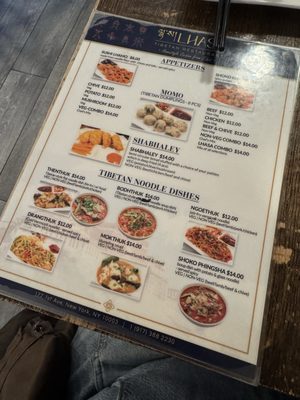
- Many tours include breakfast and a welcome dinner, but not all lunches and dinners.
- You should budget daily for:
- Lunch and dinner in local restaurants.
- Extra drinks or snacks.
- Optional add‑ons might include:
- Cultural shows or performances.
- Hot springs or spa visits (where available).
- Additional day trips beyond the standard itinerary.
All of these contribute to your total daily spend.
Extra Costs: Tips, Souvenirs and Travel Insurance
Don’t forget:
- Tips for guides and drivers (usually at your discretion, but culturally appreciated).
- Souvenirs: local handicrafts, thangkas, jewelry, textiles.
- Travel insurance, especially with high‑altitude coverage, is strongly recommended.
These aren’t part of your tour price but are essential parts of your total trip budget.
How Much Does It Cost Per Day to Travel in Tibet?
Every traveler’s style is different. Here’s how cost per day can vary by travel style (excluding international flights and visas).
Budget‑Conscious Traveler
- Joins a small group tour rather than a private one.
- Stays in standard 3‑star hotels or guesthouses included in the tour.
- Eats mainly in local restaurants and keeps extras (shows, shopping) modest.
Daily cost will be at the lower end of Tibet tour pricing for your chosen itinerary length.
Comfort‑Focused Traveler
- May opt for a small group or semi‑private tour with a bit more flexibility.
- Prefers better rooms where possible in Lhasa and larger towns.
- Enjoys a mix of local and slightly upscale dining, plus occasional extras.
Expect a mid‑range daily cost that balances comfort and value.
High‑End and Special‑Interest Trips
- Chooses private or fully customized tours (photography, pilgrimage, luxury‑oriented).
- Prioritizes the best accommodation available in each location.
- Includes special experiences (e.g., extra days at certain monasteries, private ceremonies, heli‑options where relevant outside TAR, or multi‑country add‑ons).
Daily cost is higher, but aligns with the depth and exclusivity of the experience.
How Tibet Trip Cost Connects with Permits and Visa Fees
What Is Covered in “Tibet Visa Price 2025–2026”
- Chinese visa cost and process.
- Tibet Travel Permit (TTP) and any other required permits (Aliens’ Travel Permit, etc.).
How Agencies Handle Permit Costs Inside Tour Packages
For most travelers:
- Permit handling is part of what they pay the agency for.
- The exact cost of permits may be rolled into the package price rather than itemized separately.
This is why many visitors focus on the total tour price, trusting the agency to handle the bureaucracy.
Avoiding Confusion: Trip Cost vs Visa/Permit Cost
To keep things clear:
- Trip cost = tours, guides, vehicles, hotels, domestic transport, meals, etc.
- Visa/permit cost = government fees and paperwork needed to enter China and Tibet.
Tibet Trip Cost Examples for Popular Routes in 2026
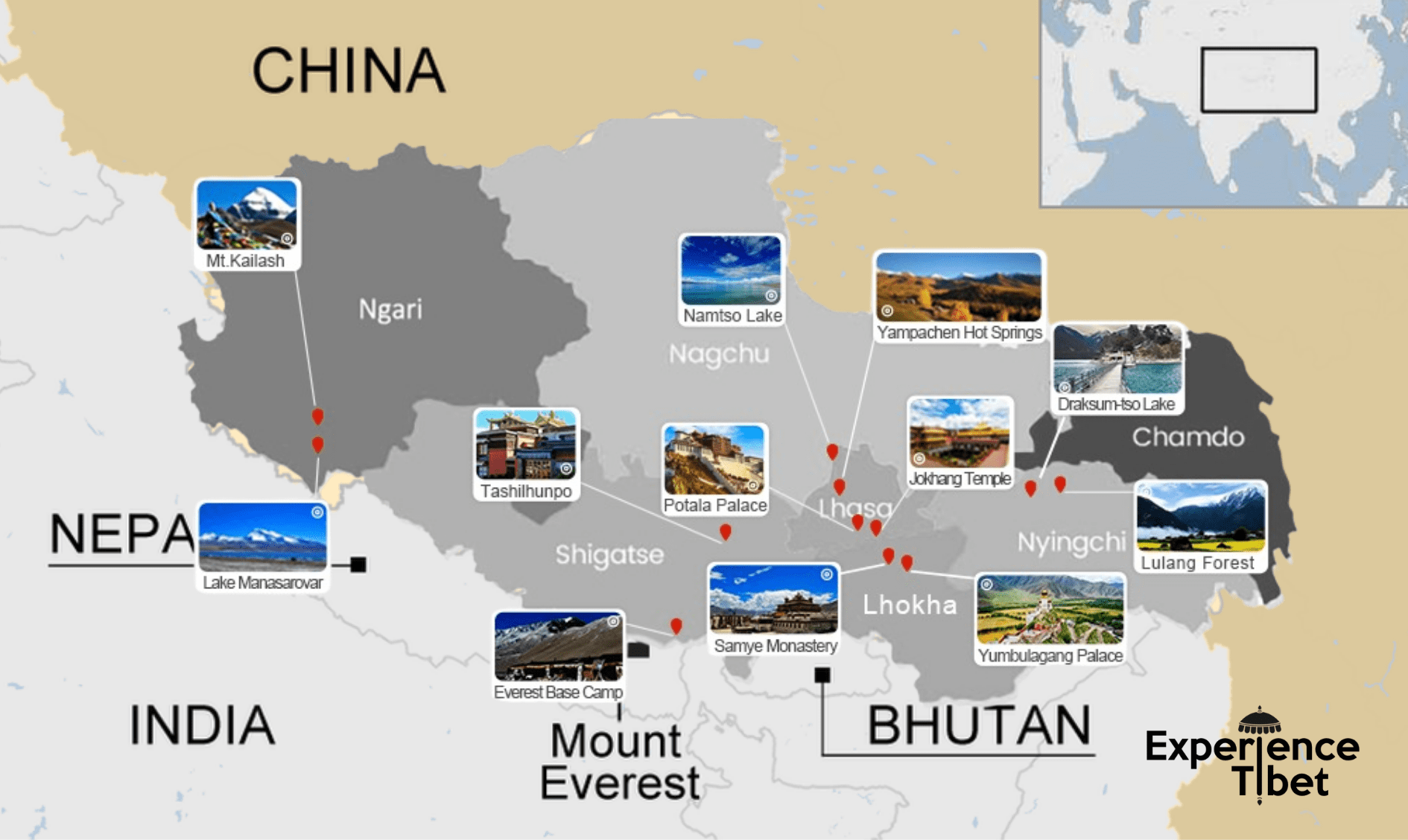
To make things more concrete, consider typical patterns from ExperienceTibet’s tours directory.,
4–5 Days: Lhasa City & Yamdrok Lake from US$486
Ideal for:
- First‑time visitors with limited time.
- Travelers on a tighter budget who still want a meaningful Tibetan experience.
Cost drivers:
- Fewer nights → lower total accommodation cost.
- No super‑long road journeys.
- Permits and city sightseeing already bundled.
6–8 Days: Lhasa, Gyantse, Shigatse & Everest Base Camp fromUS$ 764
Ideal for:
- Those who want the full classic Tibet experience, including rural monasteries, lakes, and Himalayan views.
Cost drivers:
- Longer duration and more destinations.
- More fuel, more driver/guide days.
- Additional permits for places outside Lhasa.
10–15 Days: Kailash and Western Tibet or Multi‑Country Trips from US$1972
Ideal for:
- Pilgrims and adventurers seeking deeper spiritual or remote experiences.
- Travelers combining Tibet with Nepal or Bhutan (e.g., your 8‑day Nepal and 7‑day Bhutan tours can be paired with Tibet segments for a multi‑country Himalayan journey).
Cost drivers:
- Many days on the road.
- Higher logistical complexity and support needs.
- Additional borders and permits.
9 Practical Ways to Save Money on Your Tibet Trip in 2026
You don’t have to sacrifice the heart of your trip to stay within budget.
1. Travel in Shoulder or Lower Seasons
Use your Best Time to Visit insight differently: choose shoulder months (e.g., late spring or early autumn) to balance good weather with better pricing.,
2. Choose Small Group Tours for Better Value
Joining one of ExperienceTibet’s small group tours means you split the cost of vehicle, guide and permits with others, while still enjoying a personal atmosphere.
3. Start from Cost‑Efficient Gateways in China
Some departure cities (e.g., certain hubs in China) often have better deals on flights or trains to Lhasa. Booking early, and being flexible with your gateway, helps reduce transport costs.
4. Keep Itinerary Focused
Resist the urge to “see everything” in one go. A shorter, well‑designed itinerary can be more meaningful and less expensive than a long, rushed one.
5. Share Rooms or Travel with Friends/Family
Sharing accommodation on group or private tours can significantly reduce per‑person costs, especially on private custom trips.
6. Book Early for Peak Season
If you must travel in high season, early booking helps secure flights, permits and preferred tours at better rates.
7. Eat Like a Local
Enjoying local Tibetan cuisine in simple restaurants rather than only in hotel dining rooms can significantly reduce your daily food budget, and it’s more authentic. Your blog article on Tibetan cuisine is a great resource to link to.
8. Clarify What’s Included Before You Book
Use your Tibet Travel FAQs and “What’s included” list to ensure you understand exactly what’s covered (hotels, meals, entrance fees, permits) so you can avoid surprise costs.,
9. Combine Destinations Smartly
If you’re planning to visit Nepal and Bhutan as well as Tibet, consider multi‑country combinations that maximize the value of your long‑haul flight and minimize backtracking.
Is Tibet Worth the Cost in 2026?
For many travelers, Tibet is a once‑in‑a‑lifetime journey. When you consider the combination of landscape, spirituality, culture and human connection, the value goes beyond numbers.
- Your Travel Guide describes Tibet as a place of “wonder and wisdom” where high mountains and deep‑rooted spirituality create unforgettable experiences.,
- Guided travel is not only required by regulations but also enriches the experience—local guides share stories, beliefs and history you would otherwise miss.,
A well‑planned tour with a Tibetan‑run agency like ExperienceTibet means your money also supports local communities, guides and businesses, aligning your trip with responsible tourism principles.
Frequently Asked Questions About Tibet Trip Cost in 2026
What is the minimum budget for a trip to Tibet in 2026?
It depends mainly on length of stay and tour type. The lowest‑cost entry is usually a 4–5‑day small group tour in Lhasa from US$486, plus your flights and visa/permit costs. Shorter tours mean fewer hotel nights and fewer long road journeys, so they stay on the lower end of the Tibet price spectrum.
Why are Tibet tours more expensive than some other parts of China?
Tours in Tibet include:
- Specialized local guides.
- Long driving distances on high‑altitude roads.
- Logistics in remote regions.
- Handling of permits and regulatory requirements.,
All of this makes operating costs higher than in many other parts of China.
Are Tibet permits included in the tour price or charged separately?
In most cases, Tibet travel permits are included in the tour package price and arranged by your agency.,
For detailed permit and visa cost breakdowns, see your separate article “Tibet Visa Price 2025–2026: Your Complete Guide to Costs and Permits for Traveling to Tibet.”
Can I pay for my Tibet trip in installments?
Many agencies, including ExperienceTibet, work with a deposit + balance system. For example, you typically:
- Confirm your itinerary and send copies of your passport and Chinese visa.
- Pay a deposit to secure your booking and permit processing.
- Pay the remaining balance before your trip starts.
Details are usually outlined during the booking process via your contact page or direct communication.,
Are there extra fees I should be aware of?
Potential extra fees may include:
- Single‑room supplements if you don’t share a room.
- Holiday surcharges during major Chinese or Tibetan holidays.
- Optional add‑on activities not in the base itinerary.
- Personal expenses like tips, souvenirs and extra meals.
Clarify these before confirming your booking to avoid surprises.
How to Get a Personalized Tibet Trip Cost Estimate from ExperienceTibet
The best way to know your actual Tibet trip cost in 2026 is to get a tailored quote from a local expert.
What Information You Should Send
When you contact ExperienceTibet, share:
- Your preferred travel dates and how many days you have.
- The number of travelers and whether you prefer small group or private.
- Your main interests (Lhasa culture, Everest, Kailash, photography, multi‑country trips, etc.).,
How ExperienceTibet Builds a Tailored Quote
Your local advisor will:
- Propose suitable itineraries based on your interests and time.
- Explain what is included and excluded in the price (hotels, meals, permits, etc.).
- Help you align your budget and expectations with the best possible trip design.
You can reach them through the Contact us page or via fast messaging options indicated on the site (phone/WhatsApp/WeChat).
Tibet in 2026 remains one of the world’s most extraordinary and transformative travel experiences. With a clear understanding of tour costs, daily budgets and how to optimize your spending, you can plan a trip that honors both your finances and your dreams—standing on the “Roof of the World” with confidence, clarity and a sense of wonder.