 About





 Tibet Tours
 Tibet Train Tours
 Himalaya Tours (Tibet-Nepal-Bhutan)
 Private Tours
 Mount Kailash Tours
 Trekking Tours
 Travel Guide
 Tibet Travel Blog
 FAQ
 About us

At sea level, 20 kilometers is a long walk.
At 4,500 meters, it feels very different.
Put a 5,000-meter pass in the middle, add loose rock, cold wind and a night in a basic guesthouse or tent, and suddenly the number of kilometers on your fitness watch stops being the most interesting number.
Altitude is what separates trekking in Tibet from most ordinary hiking trips.
Several classic Tibetan routes spend days above 4,000 meters and cross passes higher than many Alpine summits. Yet they’re far from identical. The Ganden to Samye trek crosses two major passes. Mount Kailash saves its biggest climb for one demanding day. The old Tingri route to Everest builds steadily toward the north side of the world’s highest mountain.
And then there are routes such as Kharta Valley and Tsurphu–Yangpachen, names that experienced Tibet trekkers still talk about even though they’re less commonly offered as standard departures today.
So let’s compare them properly.
Tibet’s main high-altitude trekking routes at a glance
| Trek | Approx. trekking time | Highest point | Main high pass | Current Experience Tibet product? |
|---|---|---|---|---|
| Ganden to Samye | 4 days trekking | 5,250 m | Shuga La | Yes |
| Mount Kailash Kora | 3 days | 5,630 m | Dolma/Drolma La | Yes |
| Old Tingri to Everest Base Camp | 4–5 days | ~5,200 m | Lamna La ~5,150 m | Not as a standard trek |
| Tsurphu to Yangpachen | 3–4 days | ~5,300–5,400 m | Lasar La | Not currently listed as a standard tour |
| Kharta/Kangshung Valley | Around 8–10 trekking days depending on route | ~5,390 m | Langma La | Not currently listed as a standard tour |
Altitude figures for remote trekking routes can vary slightly between maps, GPS readings and different versions of an itinerary. Where sources disagree by a few dozen meters, I’ve used approximate figures instead of pretending a mountain pass has agreed to sit still for our spreadsheet.
Experience Tibet’s older Trekking in Tibet: A Guide to Himalayan Routes already introduces Ganden–Samye, Mount Kailash and the classic Tibet Everest Base Camp trek, and also mentions Kharta Valley and Tsurphu–Yangpachen. This guide goes one step further and compares what those elevations actually look like route by route.
1. Ganden to Samye: two 5,000-meter passes in four trekking days

If you want a genuine multi-day Tibet trek that’s currently available through Experience Tibet, this is the obvious place to start.
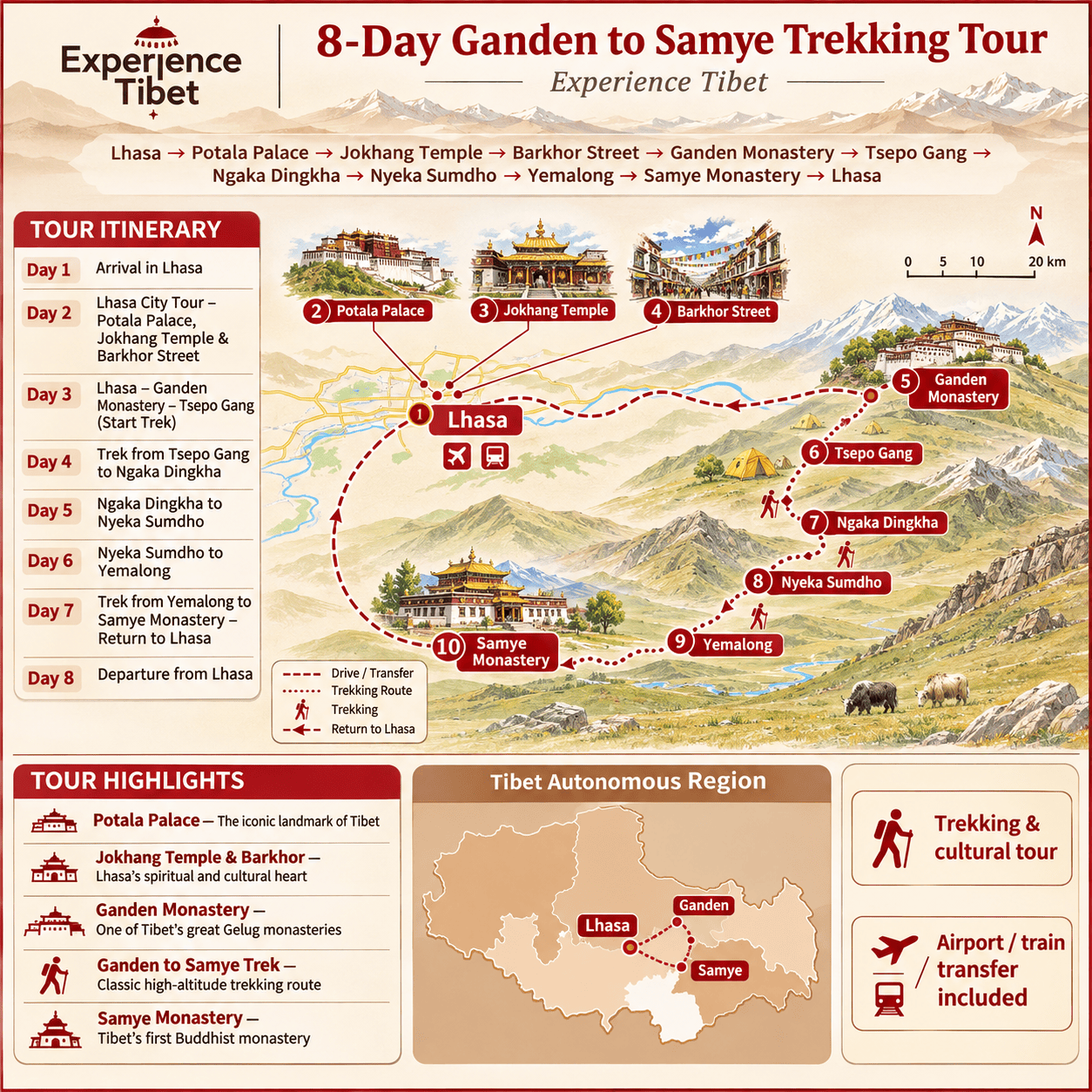
The 8-Day Ganden to Samye Tibet Trekking Tour includes time in Lhasa for acclimatization before a four-day trek connecting Ganden Monastery with Samye Monastery. The published itinerary crosses Shuga La at 5,250 meters and passes through remote valleys and camping areas before reaching Samye.
The traditional route also crosses Chitu La at around 5,100 meters, making this unusual among Tibet treks: you don’t cross one major pass and call it a day. You cross two. Multiple route sources place Shuga La at 5,250 m and Chitu La around 5,100 m.
Approximate altitude profile
| Stage | Approx. altitude |
|---|---|
| Ganden area | ~4,300 m |
| Early trekking camps | ~4,200–4,500 m |
| Shuga La | 5,250 m |
| Valley after Shuga La | ~4,500 m |
| Chitu La | ~5,100 m |
| Lower valleys toward Samye | Progressively lower |
Here’s why those numbers matter.
You don’t simply touch 5,250 meters for a photograph after arriving by vehicle. You have to reach the pass on foot, descend, sleep at altitude and then continue toward another 5,000-meter crossing.
That’s a very different physical problem.
What Shuga La actually means on the trail
The approach to Shuga La involves a sustained climb through high terrain before the pass, followed by a descent over rocky ground.
At 5,250 meters, you’ll probably be moving considerably slower than you would on an equivalent ascent at home.
And that’s normal.
Speed is a poor measure of fitness at this altitude.
The second high point, Chitu La, comes after you’ve already spent several days walking and sleeping high. That cumulative effort is one reason Ganden–Samye feels like a proper trek instead of a collection of day walks.
Who is Ganden–Samye best for?
I’d look at this route if you want:
- several consecutive trekking days;
- camping and remote mountain travel;
- two genuine high passes;
- a route with both Buddhist sites and wilderness;
- something more trek-focused than a normal Tibet sightseeing itinerary.
Experience Tibet rates its current Ganden–Samye tour at activity level 4/5.
If the full trek sounds like too much, there’s an easier way to experience part of the same area. The 5-Day Lhasa & Ganden Monastery Small Group Tour includes a roughly two-hour hike around Drak Yerpa and the Ganden kora, without committing you to several days of camping and 5,000-meter passes.
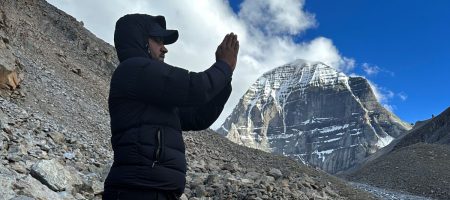
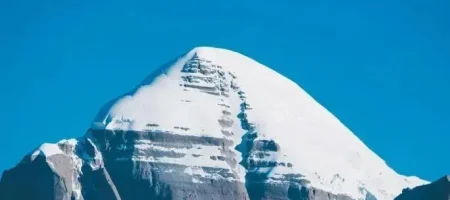
2. Mount Kailash Kora: the highest pass on the routes Experience Tibet currently sells
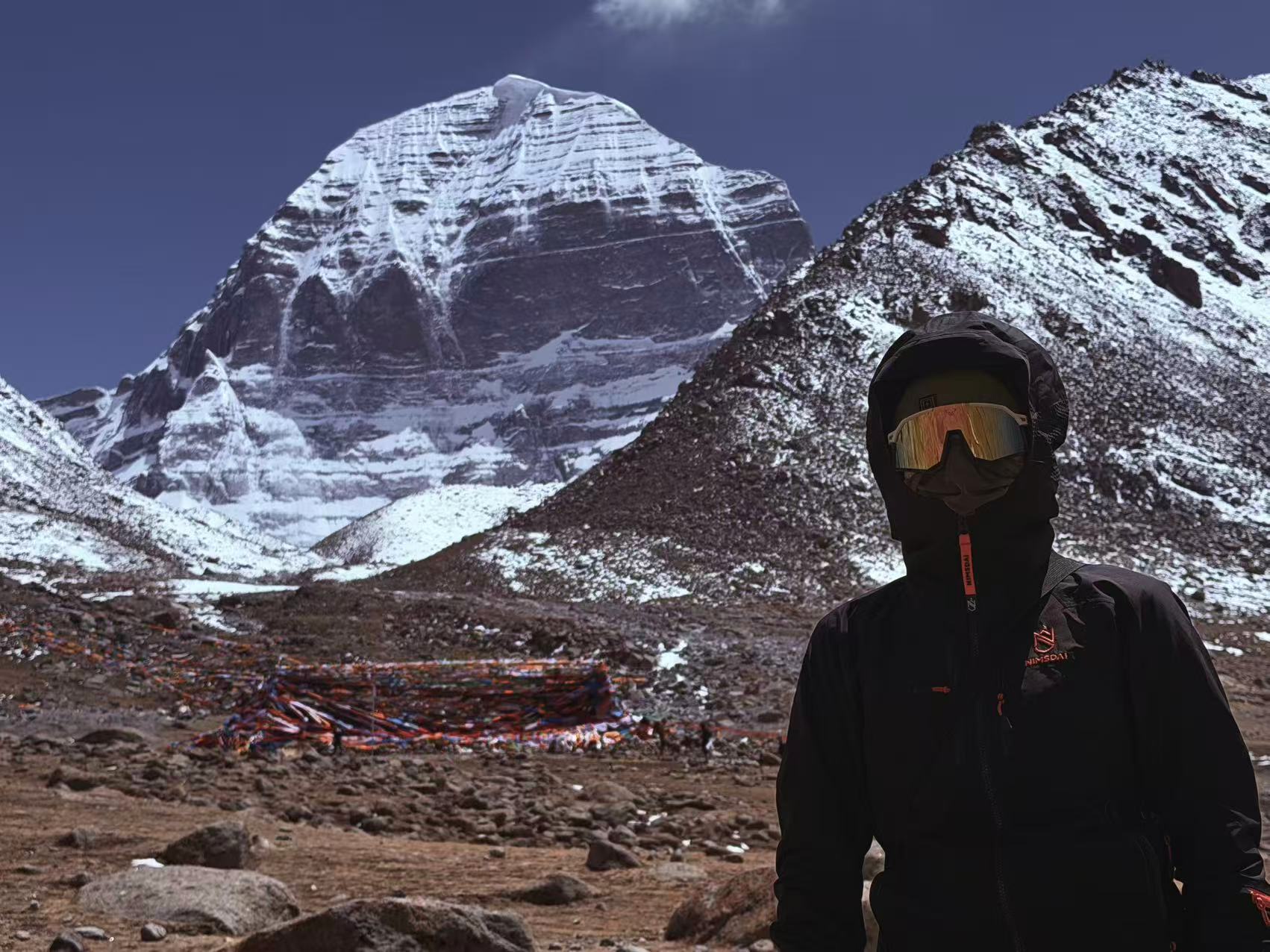
Mount Kailash changes the equation.
The full kora is about 52 kilometers, usually walked over three days, and the high point is Dolma La, around 5,630 meters.
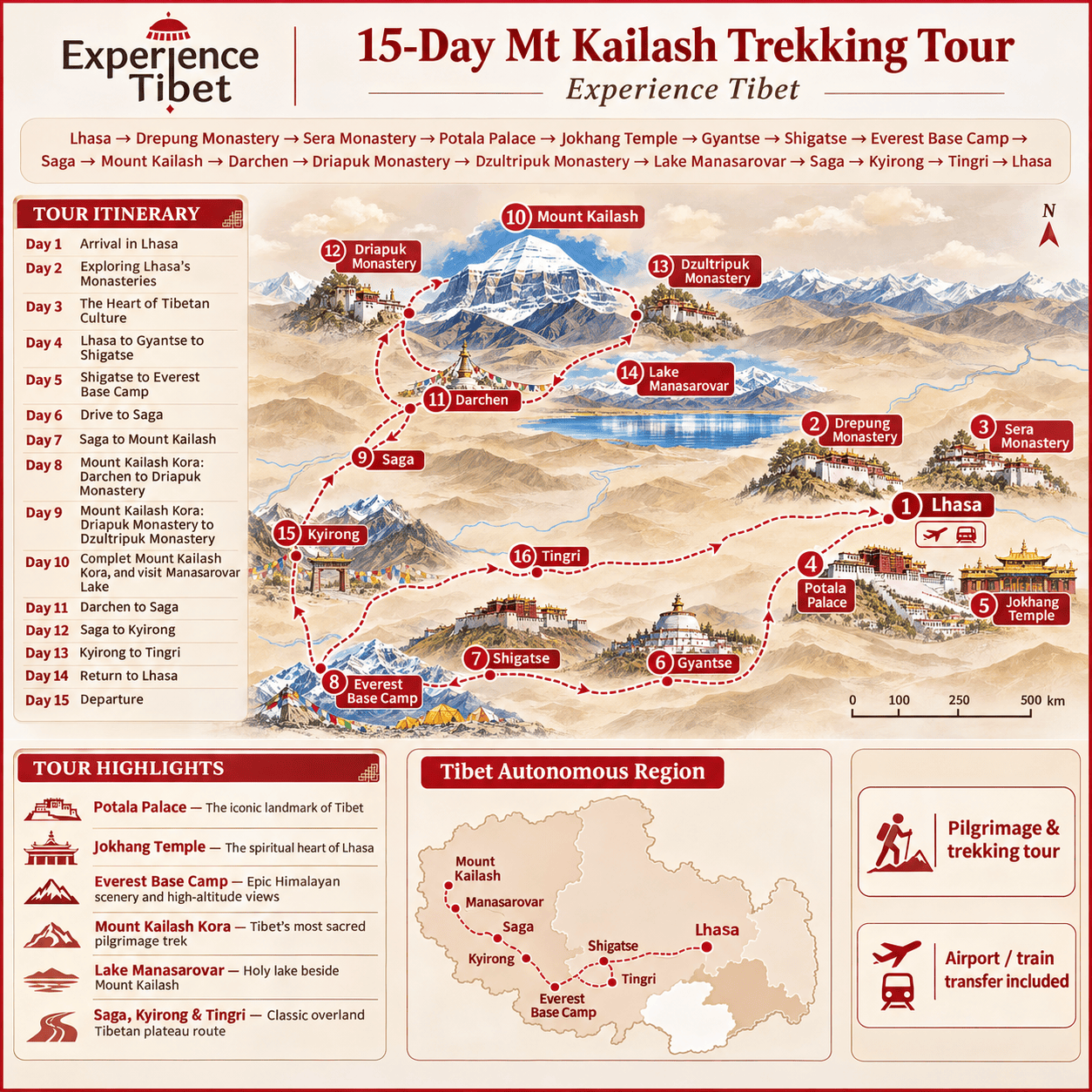
Experience Tibet’s current 15-Day Mt Kailash Trekking Tour with Everest Base Camp breaks the walking section down like this:
- Darchen/roadhead to Dirapuk: about 13 km;
- Dirapuk to Zutulpuk via Dolma La: about 22 km;
- final section toward Darchen: about 7 km before returning by vehicle.
The middle day is listed at around 10 hours of walking, with Dolma La at 5,630 m.
Kailash altitude profile
Using the current Experience Tibet pilgrimage itinerary:
| Location | Altitude |
|---|---|
| Darchen | ~4,600 m |
| Dirapuk | ~4,900 m |
| Dolma La Pass | ~5,630 m |
| Zutulpuk | ~4,800 m |
| Return toward Darchen | ~4,600 m |
Experience Tibet’s 12-day pilgrimage page gives Dolma La as 5,636 m, while other current tour pages use 5,630 m. That’s a normal small variation between published measurements, so about 5,630 m is the sensible figure to use when planning.
The hard day isn’t difficult because of distance alone
Twenty-two kilometers sounds manageable to someone who regularly hikes.
Then you add a pass above 5,600 meters.
The ascent from Dirapuk to Dolma La is the physical center of the kora. After reaching the pass, you still have to descend over rough terrain and continue toward Zutulpuk.
That combination matters more than the headline distance.
Your legs may be perfectly capable of 22 kilometers. Your body still has to perform while less oxygen is available.
That’s why a traveler who can walk 25 km comfortably at 800 meters shouldn’t automatically assume they’ll feel the same at 5,630.
Kailash tours that include the full kora
Experience Tibet currently has several itineraries that include the walking circuit.
The 15-Day Mt Kailash Trekking Tour with Everest Base Camp combines EBC, western Tibet, the three-day kora and Lake Manasarovar.
The 10-Day Mount Kailash Tour from Kathmandu approaches from Nepal and includes the 22 km Dolma La day.
The 12-Day Pilgrimage to Mount Kailash and Lake Mansarovar follows a longer Lhasa-based acclimatization route before the parikrama.
And the 15-Day Mount Kailash Kora & Northern Tibet Loop completes the same 52 km kora before returning across northern Tibet.
For more background before choosing an itinerary, read Where Is Mount Kailash and How to Get There and our older Tibet Kailash Tours guide.
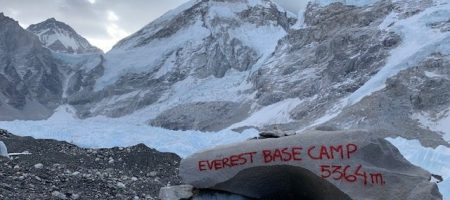
3. Old Tingri to Everest Base Camp: the classic Tibet EBC trek
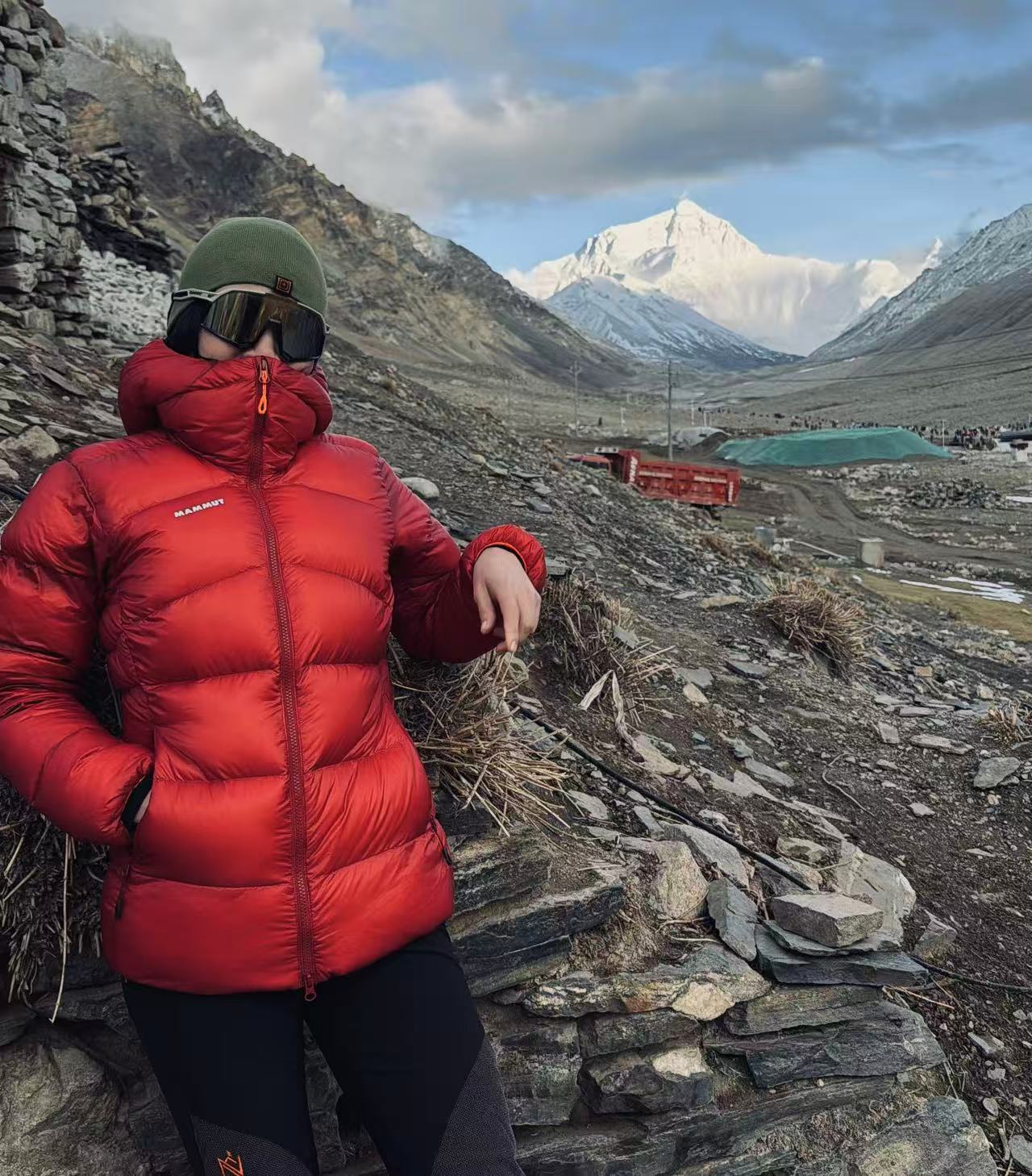
This one needs explaining carefully because there are two very different things people call an “Everest Base Camp tour” in Tibet.
Experience Tibet’s current 8-Day Everest Base Camp Tour is primarily an overland vehicle itinerary from Lhasa through Shigatse toward the Everest region.
It is not the old multi-day trek from Tingri.
The classic trek described in Experience Tibet’s 2019 Trekking in Tibet guide starts around Old Tingri and takes roughly four or five trekking days to reach the Everest area. The article gives the traditional route at about 70 km.
Modern route descriptions generally place its high crossing, Lamna La, at around 5,150 meters.
Classic Tingri–EBC altitude profile
| Stage | Approx. altitude |
|---|---|
| Old Tingri | ~4,390 m |
| Lungthang | ~4,510 m |
| Lamna La | ~5,150 m |
| Zommug | ~4,700–4,790 m |
| Rongbuk area | ~5,000–5,100 m |
| Tibet Everest Base Camp area | ~5,200 m |
A commonly published version of the route covers approximately:
- Day 1: Old Tingri → Lungthang, around 12 km
- Day 2: Lungthang → Lamna La area, around 21 km
- Day 3: Lamna La → Zommug, around 22 km
- Day 4: Zommug → Rongbuk/EBC, around 15 km
That puts the walking total near the 70 km figure already used in Experience Tibet’s older trekking article.
How does it compare with Kailash?
Everest is interesting because its highest point is slightly lower than Dolma La.
But altitude alone doesn’t decide difficulty.
The classic Tingri route strings together several long trekking days before reaching EBC. You spend a considerable amount of the route above 4,500 meters.
Kailash has the higher pass.
Tingri–Everest gives you more sustained trekking.
Different problem.
Can you book this exact trek with Experience Tibet?
I would not advertise the current 8-Day Everest Base Camp Tour as this trek, because that’s not what the published itinerary says.
The current 8-Day Everest Base Camp Tour is the better option for travelers who want to see Everest’s north side without committing to four or five days of trekking.
Travelers specifically interested in the old Tingri trekking route should ask Experience Tibet whether a custom route is currently possible for their dates, permits and local access conditions.
That’s especially important around Everest, where operating conditions can change.
You can also read the current Tibet Everest Base Camp Tours guide for the road-based option.
4. Tsurphu to Yangpachen: short trek, very high pass
Experience Tibet’s 2019 trekking article mentions Tsurphu to Yangpachen as another classic Tibet route.
It’s shorter than Ganden–Samye but still crosses serious altitude.
Current route mapping generally puts the trek at roughly 45–60 km over three to four days, with the Lasar La high point around 5,300–5,400 meters.
Approximate profile
| Stage | Approx. altitude |
|---|---|
| Tsurphu area | ~4,500 m |
| High grazing valleys | Above 4,500 m |
| Lasar La | ~5,300–5,400 m |
| Descent toward Yangpachen | Lower plateau |
The interesting thing here is how quickly the altitude arrives.
This isn’t a trek that starts at 2,000 meters and gives you three days to climb into thin air.
You begin high.
That makes acclimatization before the trail especially important.
Is Tsurphu–Yangpachen currently an Experience Tibet tour?
It isn’t currently shown among Experience Tibet’s standard published Tibet tour products.
So I would treat it as a classic route worth understanding, not something you should assume has scheduled departures.
If this is the route you want, ask whether a private custom trek is possible for your dates.
For travelers primarily interested in walking near Lhasa without a 5,000-meter pass, the 5-Day Lhasa & Ganden Monastery Tour is currently the more straightforward published option.
5. Kharta Valley and the Kangshung side of Everest: for experienced trekkers

Kharta is where this comparison becomes more serious.
Experience Tibet’s older trekking guide mentions Kharta Valley as one of the classic alternatives beyond Ganden–Samye, Kailash and the Tingri–Everest route.
A full Kharta/Kangshung route can involve several days in remote valleys on the eastern side of Everest and multiple high crossings.
One detailed route map places:
- Kharta at about 3,645 m
- Sha-U La at about 4,970 m
- high camps around 4,200–4,650 m
- Langma La at approximately 5,390 m
before descending back toward the Kharta side.
Approximate Kharta altitude profile
| Location / pass | Approx. altitude |
|---|---|
| Kharta | ~3,645 m |
| Damphu | ~4,290 m |
| Sha-U Tsho | ~4,650 m |
| Sha-U La | ~4,970 m |
| Pethang Ringmo area | ~4,280 m |
| High lake/camp area | ~4,970 m |
| Langma La | ~5,390 m |
| Descent toward Kharta | Below 4,500 m |
This route is interesting because it doesn’t simply climb to one high pass and descend.
It repeatedly moves between valleys, camps and passes.
So you have altitude plus accumulated trekking fatigue.
That’s the part a simple “highest elevation” comparison misses.
Is Kharta Valley currently bookable?
Experience Tibet does not currently list a standard Kharta/Kangshung trekking product on its main Tibet Tours page.
So again, treat the route as a classic trekking reference.
Don’t buy flights assuming a specific Kharta itinerary will operate. Ask first about current route availability, permit requirements and private trekking arrangements.
Which Tibet trek has the highest pass?
Of the routes compared here:
Mount Kailash has the highest main trekking pass, with Dolma La at about 5,630 meters.
Then, depending on the exact route measurements:
Kharta/Kangshung: Langma La ~5,390 m
Tsurphu–Yangpachen: Lasar La ~5,300–5,400 m
Ganden–Samye: Shuga La 5,250 m
Old Tingri–EBC: Lamna La ~5,150 m
But please don’t choose your trek by sorting this table from low to high.
A 5,150-meter pass at the end of a long walking day can feel considerably harder than reaching a somewhat higher point with a different approach, sleeping altitude and acclimatization schedule.
Highest point and sleeping altitude are not the same thing

This is one of the most useful concepts to understand before trekking in Tibet.
You may climb to 5,250 meters during the day and then descend to sleep hundreds of meters lower.
That is different from finishing the day and sleeping at 5,250 meters.
Medical guidance on altitude therefore pays close attention to sleeping elevation, not simply the highest number your GPS records.
The CDC Yellow Book, citing Wilderness Medical Society guidance, recommends that once above 3,000 meters, travelers generally limit increases in sleeping elevation to no more than about 500 meters per night, with additional acclimatization time as altitude accumulates. Individual tolerance varies, and terrain can make an ideal ascent schedule impossible on some treks.
This is one reason Tibet trekking itineraries normally include time at altitude before the main high pass.
Why Lhasa days matter before a high-pass trek

Lhasa sits around 3,650 meters.
If you arrive and immediately start climbing toward a 5,000-meter pass, you’re asking your body to deal with a lot in very little time.
A better-designed trekking itinerary gives you time before the serious walking begins.
Experience Tibet’s Ganden–Samye tour, for example, starts with Lhasa before heading toward the trail. The 12-day Kailash pilgrimage also includes Lhasa and multiple overland stages before the kora begins.
That isn’t wasted sightseeing time.
It’s part of the altitude plan.
If altitude is already on your mind, read Altitude Sickness in Tibet: Your Guide to Prevention & Treatment.
Don’t use fitness as an altitude test
This catches strong hikers by surprise.
You can run marathons at sea level and still develop acute mountain sickness.
You can also be a slower recreational walker and acclimatize relatively well.
Fitness helps with the mechanical work of climbing and walking long days.
It doesn’t make you immune to altitude illness.
The CDC advises travelers with worsening symptoms not to continue ascending, and serious symptoms such as confusion, loss of coordination or severe breathlessness require urgent action and descent.
Talk to a doctor familiar with high-altitude travel if you have relevant medical conditions or concerns before committing to a trek above 5,000 meters.
Which route gives you the most high-pass trekking?

If your priority is the trek itself, I’d separate these routes like this.
Ganden–Samye: best match for a classic multi-day trek
Four trekking days, two major high passes and remote camping.
It’s currently the clearest Experience Tibet product for someone saying:
“I want to go to Tibet specifically to trek.”
See the 8-Day Ganden to Samye Trekking Tour.
Mount Kailash: highest pass plus pilgrimage
Kailash is the choice if you want a physically demanding trek with a spiritual purpose attached to almost every kilometer.
The high point is higher than Ganden–Samye, but the walking circuit is concentrated into three days.
See the 15-Day Mt Kailash Trekking Tour.
Old Tingri–Everest: classic Everest trekking history
This is the traditional answer for travelers who want to walk toward Everest, not simply drive there.
But because Experience Tibet’s current EBC product is a road-based itinerary, ask specifically about custom trek availability rather than assuming the standard EBC tour includes it.
Kharta: the more serious remote option
Longer, less commonly offered and with repeated high-altitude trekking.
This is the one I’d investigate after you already know that multi-day high-altitude trekking suits you.
Tsurphu–Yangpachen: shorter, but don’t underestimate it
Fewer days doesn’t mean low altitude.
The route starts high and crosses a pass well above 5,000 meters.
What if you want good walking without a full high-pass expedition?

You don’t need to cross Dolma La to have a trip where your hiking boots earn their luggage allowance.
Experience Tibet currently has several tours with meaningful walking but less commitment than a full trekking route.
The 5-Day Lhasa & Ganden Monastery Tour includes around two hours of hiking at Drak Yerpa plus the Ganden kora.
The 8-Day Everest Base Camp Tour reaches the Everest region without requiring the classic Old Tingri trek.
And several longer Mount Kailash itineraries let you combine road travel through Tibet with the three-day kora, so the entire holiday isn’t spent walking.
For many travelers, that balance works better than turning every day into a test of their quadriceps.
How to choose between Ganden–Samye and Kailash
These are the two clearest current Experience Tibet products for serious high-altitude walking.
Choose Ganden–Samye if you want the trekking route itself to be the main activity: camps, valleys, two passes and several consecutive days on foot.
Choose Mount Kailash if the sacred mountain and kora are the reason you’re traveling, and you’re willing to accept one particularly demanding 5,630-meter day.
And if you’re not sure how you’ll respond to altitude yet?
A shorter Lhasa and Ganden itinerary can be a sensible first Tibet trip before committing to either.
High-pass trekking in Tibet isn’t about collecting altitude numbers
Dolma La: 5,630 m.
Shuga La: 5,250 m.
Lamna La: 5,150 m.
Those numbers are useful.
But they don’t tell you what happens before breakfast, how many hours you’ve already been walking, what altitude you slept at, whether yesterday involved another pass or how your body has responded since arriving in Tibet.
That’s why route design matters more than bragging rights.
If you’re new to Tibet trekking, start with our older Trekking in Tibet: A Guide to Himalayan Routes for the broader overview, then use this altitude comparison to narrow down the route.
For a trek you can currently book, compare the 8-Day Ganden to Samye Tibet Trekking Tour with the 15-Day Mt Kailash Trekking Tour with Everest Base Camp.
And if the old Tingri–Everest, Kharta Valley or Tsurphu–Yangpachen routes are what caught your attention, contact Experience Tibet before planning around them. Ask about current access, permits and whether a private trekking itinerary can be arranged for your dates.
At 5,000 meters, preparation beats improvisation every time.