The Nepal to Tibet border crossing Gyirong is the main overland gateway for travelers going between Kathmandu and Tibet—and it’s also the part of the journey that causes the most stress because it’s not “just drive up and cross.” You’ll deal with documents, timing, inspections, weather variables, and a change in altitude that hits fast.
Still deciding between flying and going overland? Read our complete guide to routes, flights, and permits here: https://experiencetibet.org/blog/how-to-travel-from-nepal-to-tibet-kathmandu-lhasa-flights-overland-route-tibet-travel-permit/
This guide is a practical, step-by-step walkthrough for Nepal → Tibet and Tibet → Nepal, plus what to pack, how to plan your timing, and how to avoid the most common mistakes.
If you want the broader picture (flights vs overland + permits), these two posts are the better “big overview” reads:
- How to Travel from Nepal to Tibet (flights + overland + permits)
- Nepal–Tibet Travel overview (distance, routes, visas, etc.)
Quick answers (for people who just want the essentials)
Is Gyirong (Kyirong) the main Nepal–Tibet border crossing?
Yes—Gyirong is the most commonly used overland port for international travelers on the Nepal–Tibet route. China Highlights also describes it as the most commonly used crossing and compares it with Zhangmu.
Can I cross from Nepal to Tibet independently?
In practice, no. International tourism in Tibet requires arranging permits and traveling with a registered agency. International tourism in Tibet must be done via officially registered travel agencies.
How many days do I need minimum for the overland crossing?
Most travelers should plan the crossing as a multi-day process (not a single “quick border stop”), because road time is long and the border opening timing matters.
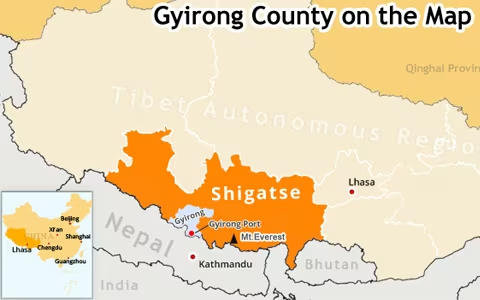
1) Gyirong, Kyirong, Gyirong Port… what’s the difference?
You’ll see multiple spellings:
- Gyirong (common in many travel sources)
- Kyirong (another common spelling)
- Gyirong Port (the border port / official crossing area)
People are usually talking about the same border crossing, just with different transliterations.
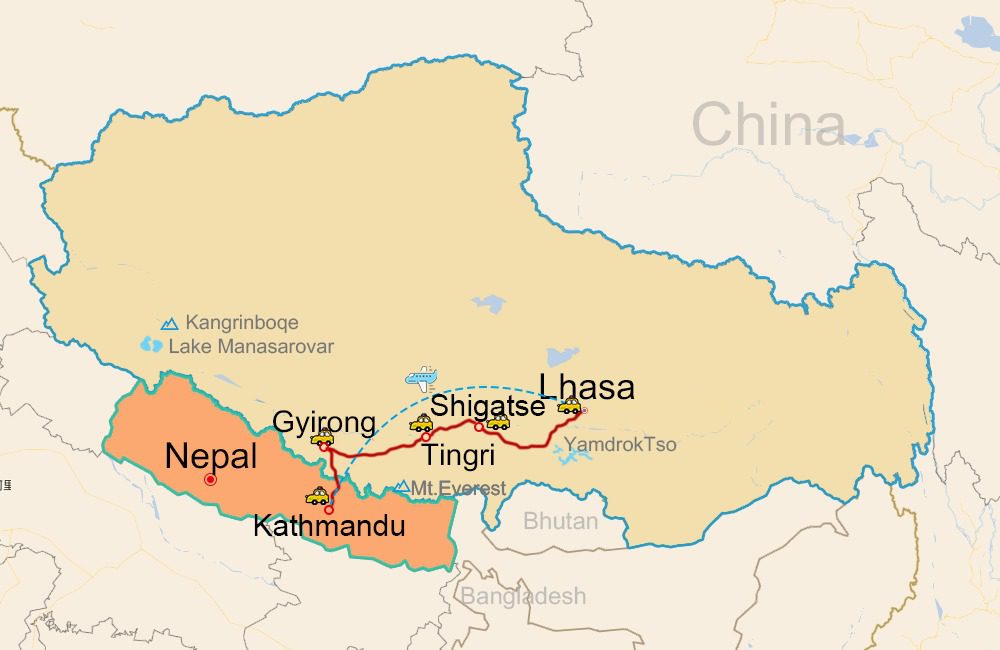
2) Nepal ↔ Tibet via Gyirong: the route in one glance
Most overland trips follow this logic:
Nepal → Tibet
Kathmandu → border approach → Gyirong/Kyirong crossing → onward travel into Tibet → (often via Shigatse area) → Lhasa
China Highlights notes that overland travel often involves long bumpy rides and usually requires an overnight stop near the crossing ports, and it specifically describes Gyirong as a common option.
Tibet → Nepal
Lhasa (or other Tibet cities) → drive toward the border → Gyirong/Kyirong crossing → Nepal side → Kathmandu
If you’re looking for a ready-made route in this direction, ExperienceTibet has a 7-day Tibet to Nepal overland tour that starts with arrival/acclimatization in Lhasa.
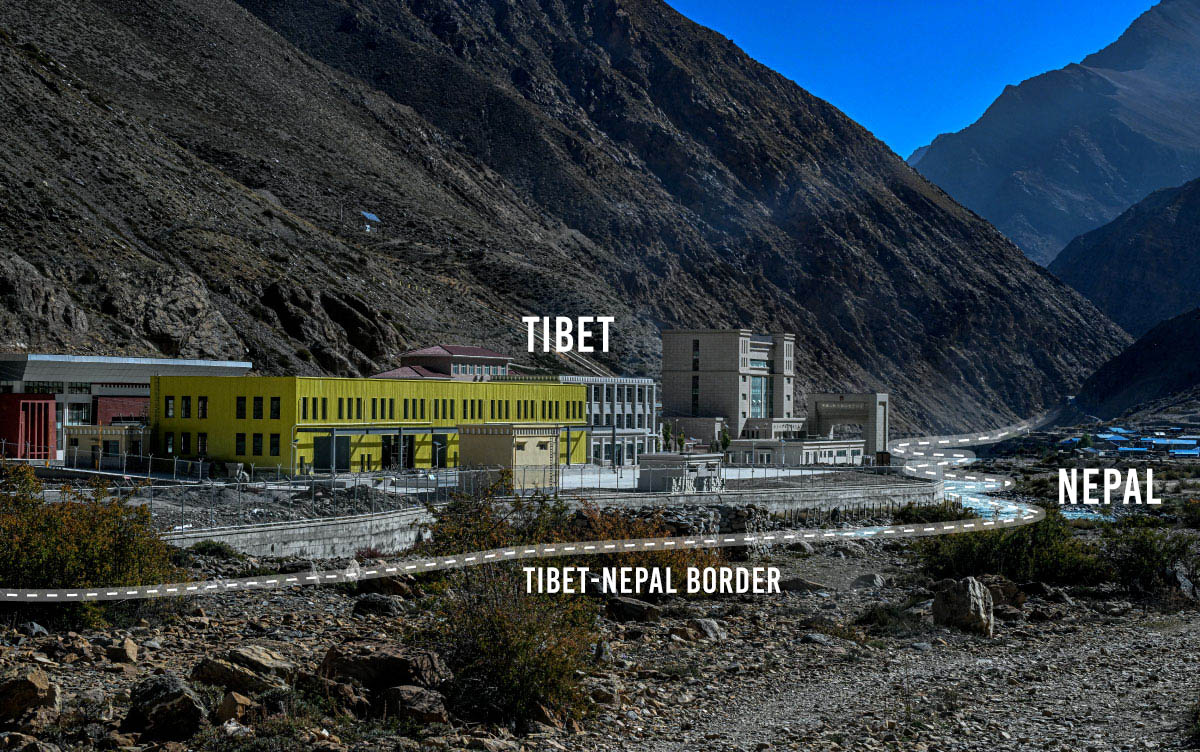
3) Step-by-step: Nepal to Tibet border crossing at Gyirong (Kyirong)
This is the “what actually happens” section. Exact procedures can vary, but the flow below matches what overland travelers should expect.
Step 1: The night before — plan for an early start
If you start late, you create two problems:
- you reach the border too close to closing time
- any small delay becomes a big delay
Tip: Keep your day flexible. Don’t schedule “must-do” activities on the crossing day.
Step 2: Before leaving Kathmandu — your crossing-day checklist
Bring:
- Passport (and copies)
- Your China visa / visa documents (rules vary by nationality—confirm with your agency)
- Tibet Travel Permit (your agency arranges this with your booking)
- Extra passport photos (just in case)
- Some cash
- Snacks + water
- Power bank
- A warm layer (weather changes quickly in the Himalayas)
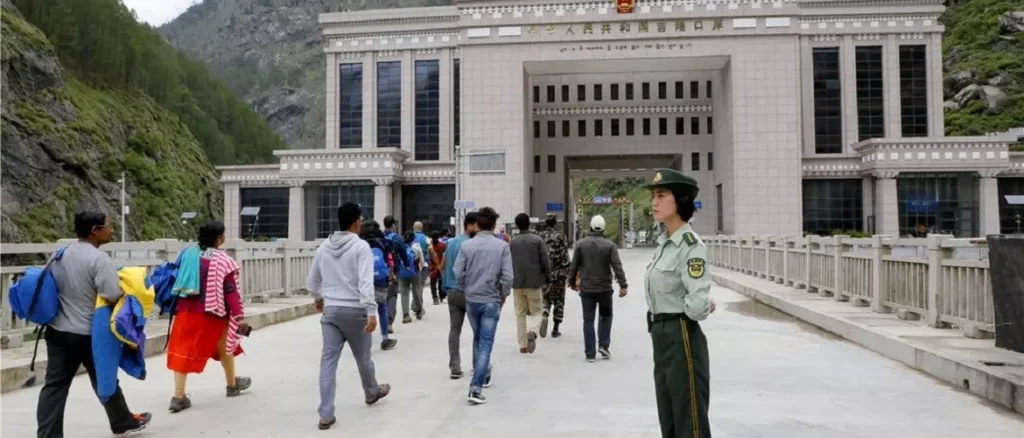
Step 3: Arriving near the border — expect waiting and checks
You may have:
- queues
- document checks
- baggage checks
Don’t panic—this is normal. The key is to arrive with time.
Step 4: Crossing — go through the required immigration/customs steps
You’ll typically move through multiple checkpoints. Have your documents accessible, not buried under three hoodies and a bag of cookies.
Step 5: After you enter Tibet — onward transfer and the “altitude reality”
Two things happen fast:
- logistics (vehicle transfers and onward travel coordination)
- altitude (you feel the change, especially if you’ve been at lower elevation in Nepal)
This is why many itineraries build in a smarter pacing rather than rushing straight through.
Step 6: Common mistakes that cause delays
- Arriving too late in the day
- Missing document copies
- Packing your passport/permit deep inside luggage
- Planning a “same-day tight schedule” after crossing
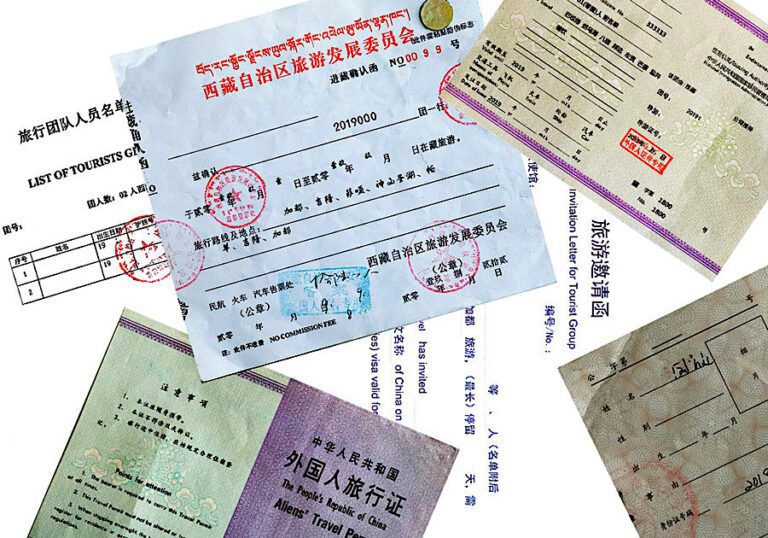
4) Documents & requirements (2026): what you must have ready
Tibet Travel Permit is mandatory
You need a Tibet Travel Permit and you cannot simply arrive and “sort it out there.” ExperienceTibet states that international tourism in Tibet must be done via officially registered travel agencies.
For a broader overview (distance, route options, and planning basics), see: https://experiencetibet.org/blog/nepal-tibet-travel/
China visa rules vary by nationality
Some travelers need a standard China visa; others may have different rules depending on nationality and current policies. The safe move is: confirm your specific situation with your agency before booking flights.
If you want a deep dive into the visa/permit side, ExperienceTibet has a dedicated post covering visa and Tibet permit topics.
5) When not to go overland: monsoon season, landslides, and temporary closures
Overland Nepal–Tibet travel is heavily affected by weather and road conditions.
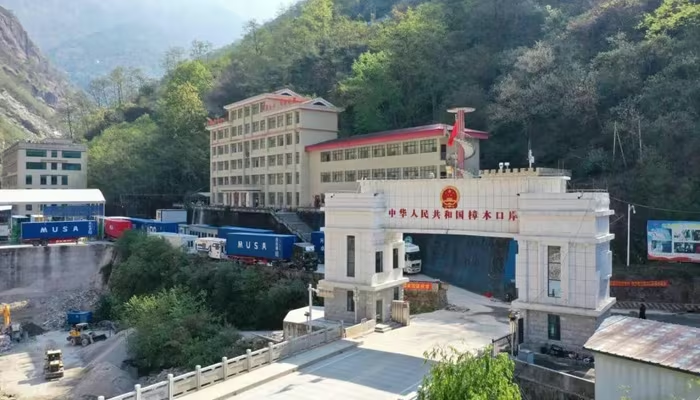
China Highlights notes that road travel remains dependent on weather and that heavy monsoon rains (roughly July to October) can bring landslides and road damage, and it even mentions a period when Gyirong Port was temporarily closed due to flooding—recommending alternatives during that time.
What to do with that info:
- Build at least one buffer day into your plan
- Have a backup plan (alternate crossing or flying) if conditions change
- Don’t treat the border day as a “hard fixed appointment”
6) Gyirong vs Zhangmu: which border should you choose?
Both are discussed in mainstream guides. China Highlights lists Gyirong Port and Zhangmu Port as two main options for road travel and outlines pros/cons and seasonal reliability.
A simple way to decide:
- If you want the most commonly used route for international travelers: Gyirong
- If your dates fall in a period when Gyirong is more likely to be disrupted by weather: consider Zhangmu or flying (depending on current conditions)
Conditions change—your agency should confirm the best option close to departure.
7) Packing, money, and phone tips that make the crossing easier
Pack like you’re going through multiple checks
- Keep documents and essentials in a small daypack
- Avoid overpacking (heavy luggage becomes a problem fast)
Power matters more than you think
A dead phone at the border is just unnecessary stress. Bring a power bank and cables.
Keep some cash
Even if you mostly use cards/apps elsewhere, having cash for small needs is useful.
8) Two tour options that match this crossing (and remove the hassle)
If you want to do this border crossing with permits, transport, and logistics handled, these two tours line up perfectly with the two directions:
Nepal → Tibet: 8-Day Himalayan Tour from Nepal to Tibet (Lhasa)
This is designed for the Nepal → Tibet direction, with a small group style and major permits handled, including Tibet Travel Permit and border arrangements.
It’s ideal if you want:
- a single, organized overland route (no stitching separate services)
- a guide and logistics handled
- big highlights like the border region and Everest-area viewpoints (as described in your overview content)
Tibet → Nepal: 7-Day Tibet to Nepal Overland Tour (Lhasa to the Himalayas)
If you’re going the other way, this route is built around starting in Lhasa with time to rest and acclimatize before heading overland toward Nepal.
9) FAQ
Can I cross the Nepal–Tibet border without booking a tour?
For most international travelers, Tibet travel requires permits and organized arrangements through a registered agency.
How long does the Gyirong (Kyirong) crossing take?
It depends on day-to-day conditions, queues, and weather. Plan with extra buffer and don’t schedule tight connections afterward.
What if the border closes last minute?
This is exactly why you want buffer days and a Plan B. Weather (especially monsoon impacts) can disrupt routes and border operations.
Is it better to travel Nepal → Tibet or Tibet → Nepal?
It depends on your comfort with altitude and how you want the trip to unfold. If you want a structured route with permit handling and border logistics done for you, choose a tour that’s designed for your direction (Nepal → Tibet or Tibet → Nepal).
Final tip (the one that saves most trips)
Don’t treat the Nepal to Tibet border crossing at Gyirong (Kyirong) like a simple border hop. Treat it like a travel day with variables. If you plan it with buffer time and the right documents—and ideally with an experienced local operator—it becomes an epic Himalayan journey instead of a stressful checklist.
If you want, tell me your travel month + direction (Nepal → Tibet or Tibet → Nepal) and whether you prefer small group or private, and I’ll suggest the cleanest routing and which tour fits best.