 About
About




 Tibet Tours
 Tibet Train Tours
 Himalaya Tours (Tibet-Nepal-Bhutan)
 Private Tours
 Mount Kailash Tours
 Trekking Tours
 Travel Guide
 Tibet Travel Blog
 FAQ
FAQ About us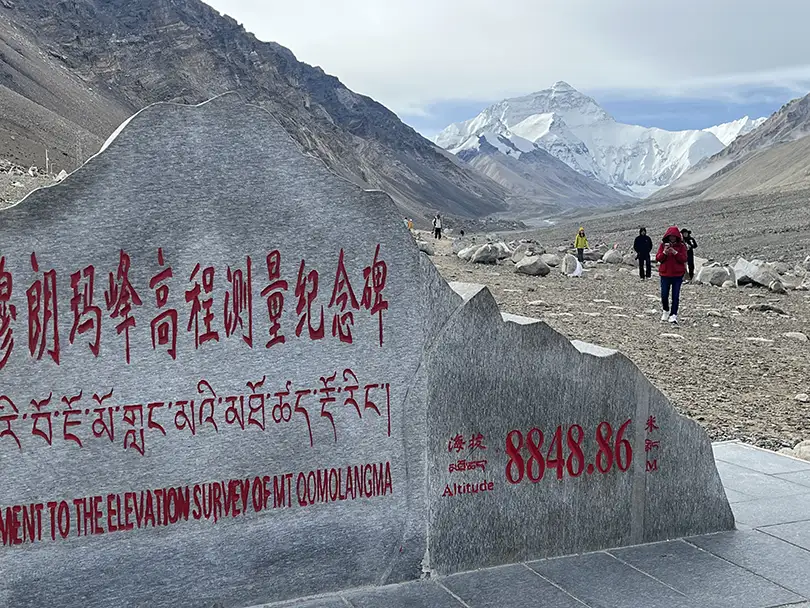
Tibet Everest Base Camp tours offer one of the most extraordinary overland journeys on the planet — a high-altitude road trip across the Tibetan plateau, past turquoise sacred lakes and ancient monasteries, to the foot of the world’s highest mountain. No multi-week trek required. No altitude-testing flight into a remote mountain airstrip. Just an open road, a 5,200-metre horizon, and Everest’s full North Face rising before you.
This guide covers everything you need to plan a Tibet EBC tour in 2026: what makes the Tibet route unique, how it compares to Nepal, what permits you need, the best time to go, practical altitude advice, and which tour is right for you.
Why Choose a Tibet Everest Base Camp Tour?
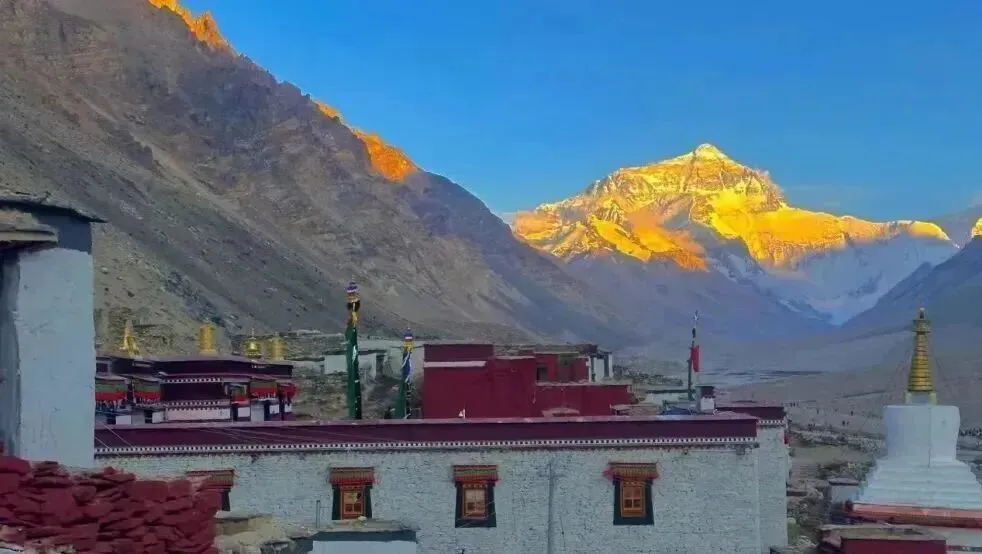
There are two Everest Base Camps in the world. Most people don’t know this. One is in Nepal (South Base Camp, 5,364m), accessible only by a 12–14 day trek from Lukla. The other is in Tibet (North Base Camp, 5,200m), and you can reach it by vehicle — making it accessible to travellers who want to stand at the foot of Everest without committing to two weeks of trekking.
Here’s why the Tibet side is extraordinary on its own terms:
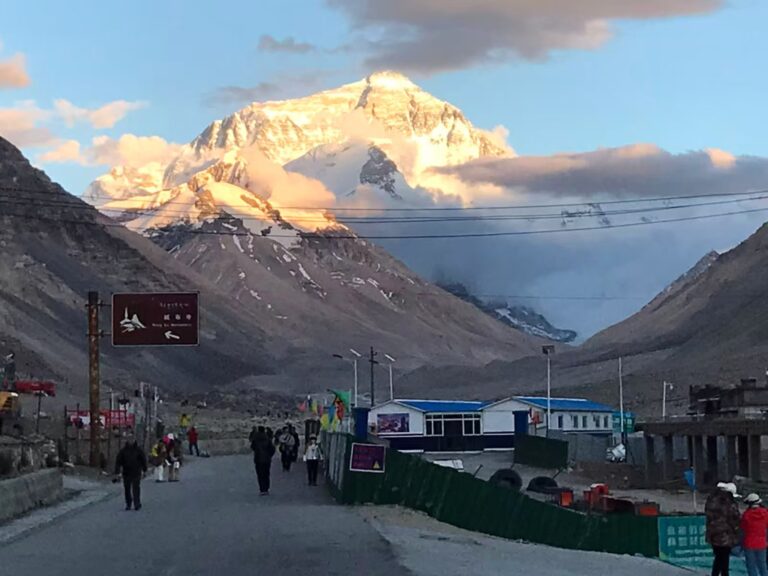
The most unobstructed view of Everest’s summit on Earth
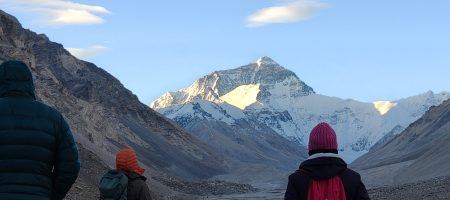
From Tibet’s North Base Camp, you face Everest’s full North Face directly. The summit is clearly visible — no surrounding peaks obscure it. From Nepal’s South Base Camp, the summit is actually partially hidden by nearby ridgelines.
Accessible without trekking
You travel to EBC by vehicle across the Tibetan plateau, with a final short section on the eco-friendly base camp bus from the Rongbuk area. This makes it realistic for travellers of most fitness levels.
A full cultural journey, not just a mountain destination
Every Tibet EBC tour begins in Lhasa — the spiritual capital of the Tibetan world. You spend the first days acclimatising while visiting the Potala Palace, Jokhang Temple, Sera Monastery, and Barkhor Street. The journey to EBC passes through Gyantse (with its extraordinary Pelkor Chode Monastery and Kumbum stupa), Shigatse (home of Tashilhunpo Monastery, seat of the Panchen Lama), and the sacred turquoise waters of Yamdrok Lake.
Rongbuk Monastery — the world’s highest Buddhist monastery
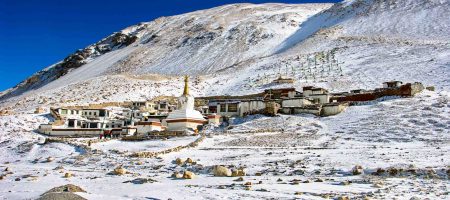
At 4,980 metres, Rongbuk Monastery sits directly below Everest’s North Face. Spending the night here, watching the last light fade on the summit above you, is one of those experiences that marks a life.
Fewer crowds than Nepal
Tibet’s North Base Camp is significantly less crowded than Nepal’s South Base Camp, particularly outside Chinese national holidays.
Tibet EBC vs Nepal EBC: Key Differences at a Glance
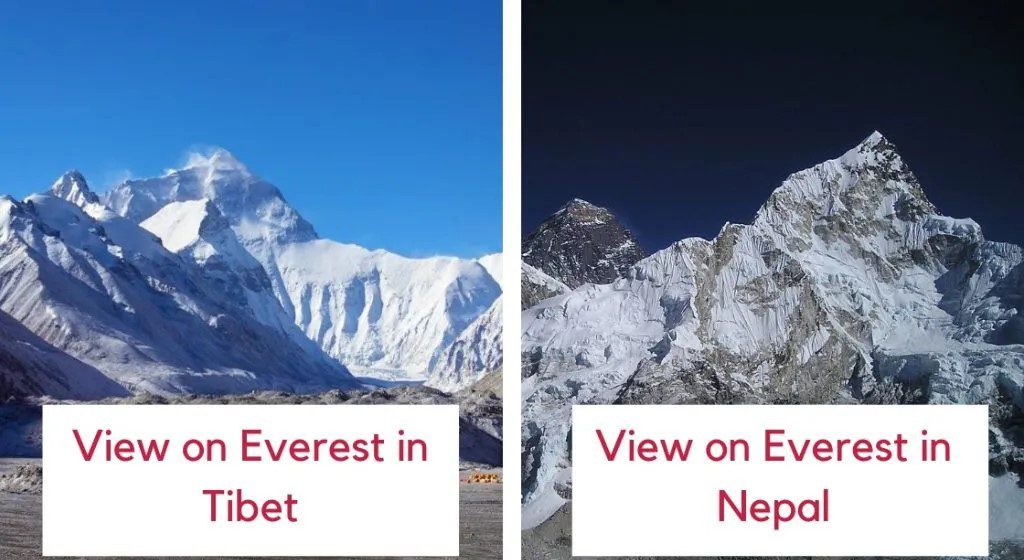
| Tibet — North Base Camp | Nepal — South Base Camp | |
|---|---|---|
| Altitude | 5,200m | 5,364m |
| Access | By vehicle + short eco-bus | 12–14 day trek from Lukla |
| Everest summit view | ✅ Clear, unobstructed North Face | ⚠️ Partially obscured by nearby peaks |
| Fitness required | Moderate — altitude management | High — sustained multi-day trekking |
| Duration | 8–10 days from Lhasa | 14–21 days total |
| Cultural experience | Tibetan Buddhism, monasteries, plateau | Sherpa villages, Khumbu culture |
| Permits required | China visa + Tibet Travel Permit + ATP | Nepal visa + TIMS + National Park entry |
| Guide mandatory? | ✅ Yes | Optional (independent possible) |
| Crowds | Less crowded | More international trekkers |
| Best time | April–June, September–October | March–May, September–November |
Permits Required for Tibet Everest Base Camp Tours
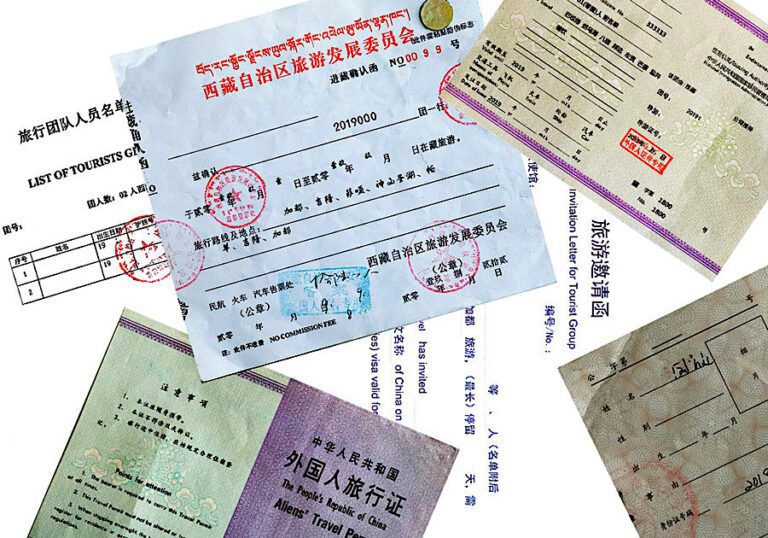
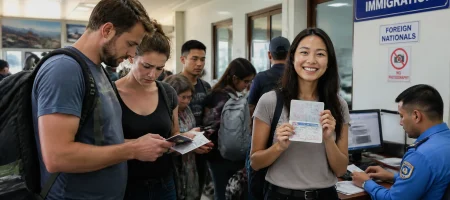
This is the single most important practical aspect to understand before planning your trip. Tibet requires more documentation than almost any destination on Earth — and all of it must be arranged through a licensed tour operator.
1. China Tourist Visa
Obtained before travel at a Chinese embassy or consulate in your country. Tibet cannot be entered without this. Note: as of 2026, China has expanded its visa-free entry program to citizens of several dozen countries — check current policies with your local Chinese embassy.
2. Tibet Travel Permit (TTP)
The essential document for any travel to the Tibet Autonomous Region. Issued exclusively by the Tibet Tourism Bureau, it grants access to the Lhasa prefecture. It cannot be obtained independently — it must be arranged through a licensed Tibetan tour operator.
Processing time: apply 15–20 days before your travel date.
3. Aliens’ Travel Permit (ATP)
Required for travel outside Lhasa to restricted areas — including Shigatse, Gyantse, and Everest Base Camp. This permit is arranged after your arrival in Lhasa, by your guide and tour agency. You do not need to apply for it yourself.
With Experience Tibet, all three permits are fully handled as part of every EBC tour. You don’t need to navigate the permit system alone — we manage everything so you arrive ready to travel. See our 8-Day Everest Base Camp Tour.
Best Time for Tibet Everest Base Camp Tours
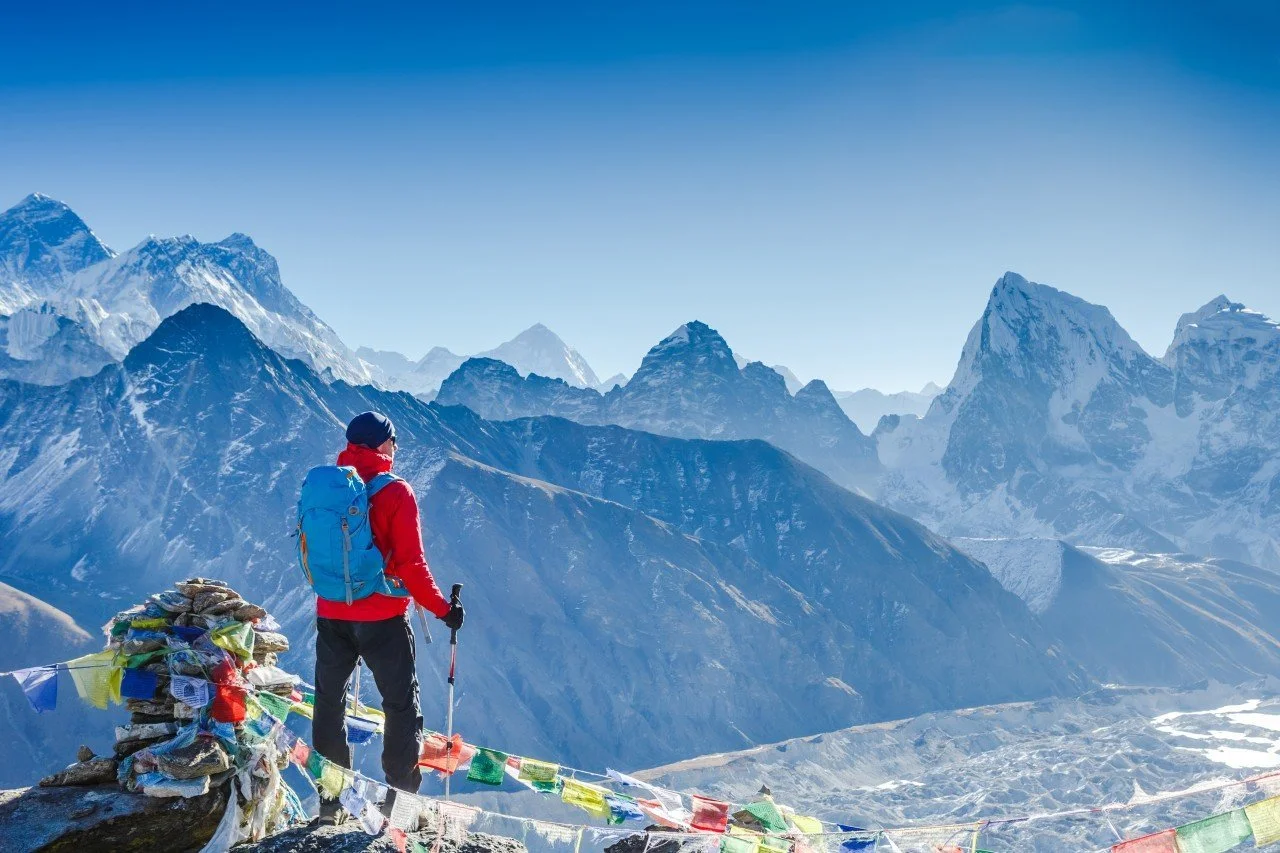
The Tibetan plateau has a distinct climate shaped by altitude and the monsoon cycle. Choosing the right window significantly affects your experience — especially visibility at EBC.
✅ April to June — Peak Season
The best overall window for Tibet EBC tours. Temperatures are rising, skies are clear, and Everest’s summit is regularly visible without cloud cover. April and May are particularly popular — the plateau is awakening, wildflowers are appearing, and the light is extraordinary.
Watch out for: May is the busiest month for Everest summit attempts from both sides, which can increase activity around base camp.
✅ September to October — Autumn Window
The post-monsoon period offers crystal-clear skies, fresh air, and dramatic light. October in particular is considered one of the best months for photography at EBC. Temperatures are dropping but the roads remain fully accessible.
⚠️ July to August — Monsoon Season
The Indian monsoon affects southern Tibet, bringing cloud cover that can obscure Everest’s summit for days at a time. Roads can be affected. Not recommended for EBC tours.
❄️ November to March — Winter
Cold temperatures on the plateau (-15°C to -25°C possible at EBC) and increased road difficulties. Some itineraries operate in winter for experienced cold-weather travellers who want the solitude — but it requires proper preparation.
The Tibet EBC Journey: What to Expect Day by Day
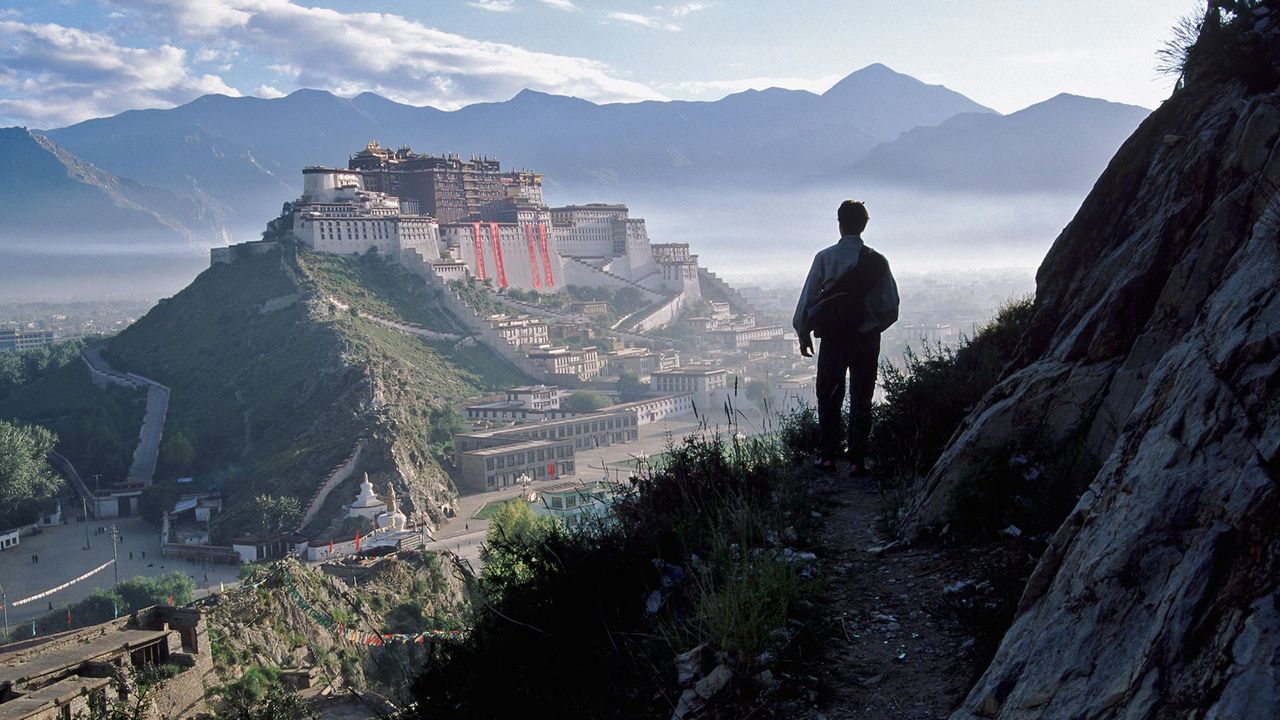
Every Tibet Everest Base Camp tour follows a similar geographic arc — beginning in Lhasa for acclimatisation and moving progressively higher and westward toward the mountain. Here is the classic route:
Lhasa (3,650m) — Days 1–3: Spiritual Capital, Acclimatisation Base
Your journey begins in Lhasa, the highest capital city in the world. These first days serve a critical function: acclimatising your body to altitude before moving higher. But they are far from wasted time.
- Potala Palace — The iconic 17th-century winter palace of the Dalai Lamas. Thirteen stories of red and white rising 300 metres above the city. One of the world’s great architectural achievements.
- Jokhang Temple — Tibet’s holiest site, built in the 7th century. The energy of thousands of pilgrims circumambulating Barkhor Street outside is unlike anything else on Earth.
- Sera Monastery — Watch monks engage in traditional philosophical debate in the courtyards — a living tradition of extraordinary intensity.
- Drepung Monastery — Once the largest monastery in the world, home to thousands of monks.
- Barkhor Street — The ancient pilgrim circuit around Jokhang, lined with incense, prayer flags, and the sounds of devotion.
Gyantse (3,950m) — Day 4: The Kumbum Stupa
Travelling south and west from Lhasa, the road passes over the Karo-la Pass (5,010m) with spectacular glacier views, and curves around the sacred turquoise waters of Yamdrok Lake — one of Tibet’s three most sacred lakes, shimmering at 4,441 metres above sea level.
In Gyantse: the Pelkor Chode Monastery and its extraordinary Kumbum Stupa — a nine-storey, 108-chapel tower of Buddhist art that is one of the finest examples of Tibetan religious architecture in existence.
Shigatse (3,840m) — Day 5: Tashilhunpo Monastery
Tibet’s second city and home of the Panchen Lama. Tashilhunpo Monastery, founded in 1447, houses one of the world’s largest gilded statues — the 26-metre Maitreya Buddha — and remains an active centre of Tibetan Buddhist scholarship.
Tingri / New Tingri (4,350m) — Day 6: Gateway to Everest
The last town before EBC. From here, on a clear day, you can already see Everest on the horizon. The landscape becomes increasingly stark and magnificent — vast plains, enormous skies, and the full sweep of the Himalayas.
Everest Base Camp — Rongbuk (5,200m) — Day 7: The North Face
The final approach to EBC follows a valley that narrows dramatically, with Everest growing larger with every kilometre. At the end of the valley: the Rongbuk Monastery (4,980m), the world’s highest Buddhist monastery, with Everest rising directly behind it in one of the most photographed compositions in Asia.
From here, an eco-friendly bus takes you to North Base Camp at 5,200 metres — close enough to see the mountain’s ridgelines clearly, the prayer flags marking the climbers’ advance camps above.
Altitude & Safety: What You Need to Know
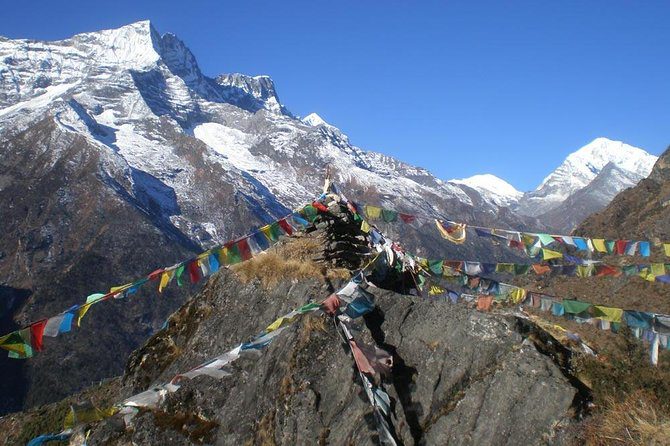
Altitude is the most important practical consideration for any Tibet EBC tour. At 5,200 metres, you are higher than any mountain in Europe, North America, or Africa. Your body needs time to adapt.
Altitude sickness (AMS) can affect anyone regardless of fitness level. The key is gradual ascent and listening to your body.
How Experience Tibet Manages Altitude Safety:
- Gradual acclimatisation profile — 2–3 days in Lhasa (3,650m) before moving higher
- Trained guides who monitor participants throughout the journey
- Oxygen support available on all tours
- Clear emergency protocols — guides know when to descend and how to manage AMS
Practical Altitude Tips:
- Stay hydrated — drink significantly more water than usual
- Avoid alcohol for the first 2–3 days in Lhasa
- Ascend gradually — don’t push to higher elevations before your body adjusts
- Know the symptoms of AMS: persistent headache, nausea, dizziness, breathlessness at rest
- Consult your doctor about Diamox (acetazolamide) before travelling
Tibet EBC Tour Options from Experience Tibet
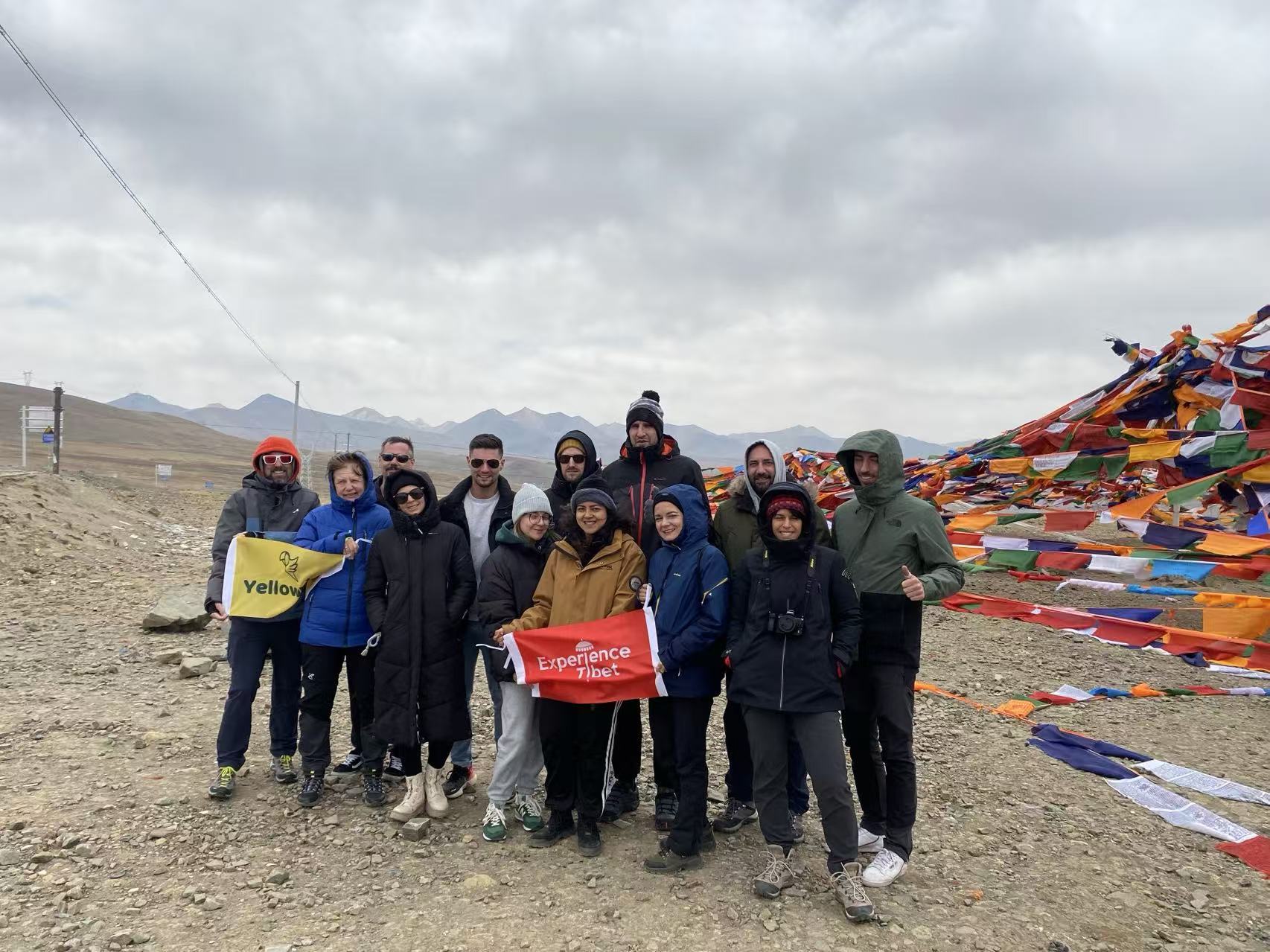
Experience Tibet is a Lhasa-based agency with 15+ years of experience operating small-group and private Tibet tours. All permits — Tibet Travel Permit, Aliens’ Travel Permit, and any additional regional permits — are handled as part of every booking.
8-Day Everest Base Camp Tour (Our flagship EBC tour)
The classic itinerary: Lhasa → Gyantse → Shigatse → EBC → return to Lhasa. Small group format. Includes 6 nights in 3/4-star hotels, 1 night at Rongbuk near base camp, all permits, English-speaking guide, and private vehicle.
👉 See full itinerary and book → 8-Day Everest Base Camp Tour
10-Day Lhasa, Everest & Namtso Lake Tour
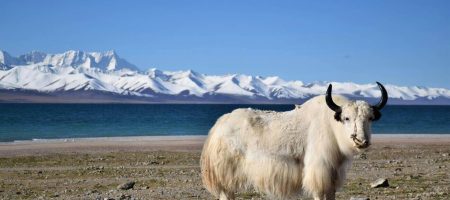
For those who want EBC plus Tibet’s most spectacular high-altitude lake. Namtso Lake sits at 4,718 metres and offers extraordinary night skies far from any light pollution. 👉 10-Day Lhasa, Everest & Namtso Tour
7-Day Tibet to Nepal Overland Tour
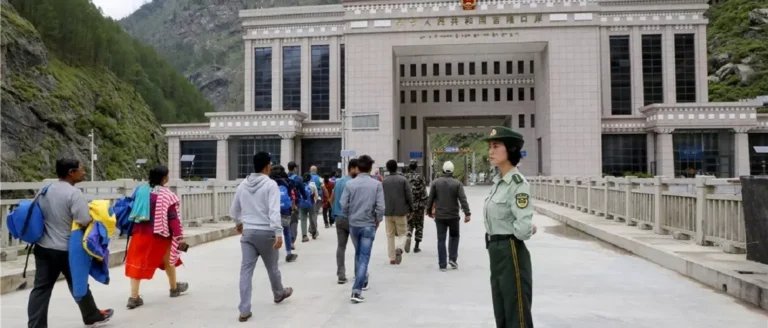
Combines EBC with the overland crossing into Nepal via Gyirong border — one of the great road journeys in Asia. 👉 7-Day Tibet to Nepal Overland Tour
15-Day Mt. Kailash Trekking Tour with EBC
For serious adventurers: combines Everest Base Camp with the sacred Mt. Kailash kora — the most important pilgrimage circuit in Tibetan Buddhism. 👉 15-Day Mt. Kailash Trekking Tour
Arriving from China? Train Tours to Tibet with EBC
- 11-Day Beijing Xi’an Tibet Train Tour
- 10-Day Chengdu to Tibet Train Tour
- 10-Day Shanghai to Tibet Train Tour
Who Are Tibet EBC Tours Right For?
Tibet Everest Base Camp tours are not trekking expeditions. You travel by private vehicle and spend a day at base camp — no mountaineering experience or exceptional fitness is required. What is required:
✅ Good general health — consult your doctor before booking if you have heart or lung conditions
✅ Willingness to acclimatise properly — don’t rush the first days in Lhasa
✅ Open mind for high-altitude living — basic but memorable accommodation near EBC
✅ Respect for Tibetan culture — these are living religious sites, not tourist attractions
✅ Minimum age — no strict limit, but children under 10 and elderly travellers with health conditions should seek medical advice first
Frequently Asked Questions
Is a Tibet Everest Base Camp tour the same as the Nepal EBC trek?
No — they are entirely different experiences. The Nepal trek takes 12–14 days of hiking from Lukla. The Tibet EBC tour reaches North Base Camp by vehicle and is accessible to most travellers without trekking experience. The Tibet side also offers clearer, more direct summit views.
Do I need to be fit to do a Tibet EBC tour?
Reasonable general fitness helps, but no trekking fitness is required. The main challenge is altitude — which is managed through proper acclimatisation built into the itinerary.
How long in advance do I need to book?
Allow a minimum of 15–20 days before your travel date to ensure smooth Tibet Travel Permit processing. For peak season (April–June, September–October), booking 2–3 months in advance is strongly recommended as group spots fill quickly.
Can I visit EBC independently without a guide?
No. Independent travel in Tibet is restricted for foreign visitors. A licensed guide and registered tour operator are mandatory requirements — not optional extras.
What is Rongbuk Monastery?
The world’s highest Buddhist monastery, at 4,980 metres, located directly below Everest’s North Face. Most EBC tours include one night here — an extraordinary experience of silence, altitude, and mountain scale.
Can I combine Tibet EBC with Nepal?
Yes — the 7-Day Tibet to Nepal Overland Tour includes EBC and crosses into Nepal via Gyirong. Border conditions should be confirmed when booking.
Ready to Plan Your Tibet Everest Base Camp Tour?
Experience Tibet has operated small-group and private Tibet tours from Lhasa for over 15 years. Every tour includes full permit handling, English-speaking local guides, careful altitude management, and the kind of on-the-ground support that only comes from a team actually based in Tibet.
👉 See our 8-Day Everest Base Camp Tour — the complete EBC itinerary from Lhasa
Questions? Contact us on WhatsApp: +86 15828535300 (Jessie) or browse our full Tibet tour collection.