 About
About











 Tibet Tours
 Tibet Train Tours
 Himalaya Tours (Tibet-Nepal-Bhutan)
 Private Tours
 Mount Kailash Tours
 Trekking Tours
 Travel Guide
 Tibet Travel Blog
 FAQ
FAQ About us
And then someone mentions the paperwork — and suddenly the conversation gets complicated. How many permits are there? Is the Tibet Travel Permit the same as a visa? Do you need something extra for Everest or Mount Kailash?
Here’s the good news: once you understand the types of permits for Tibet and what each one covers, the whole system starts to make perfect sense. Better yet, your travel agency handles the entire process for you. Your job is simply to know what’s required and plan accordingly.
This guide breaks down every type of permit required to travel in Tibet, organized clearly by destination so you know exactly what’s needed for your specific itinerary — whether you’re heading to Lhasa, Everest Base Camp, or the remote shores of Lake Mansarovar near Mount Kailash.
⚠️ Important note: Permit regulations in Tibet can change. Always confirm the latest requirements with your licensed travel agency before booking. The information in this article reflects the situation as of early 2026.
Why Does Tibet Require Special Permits?
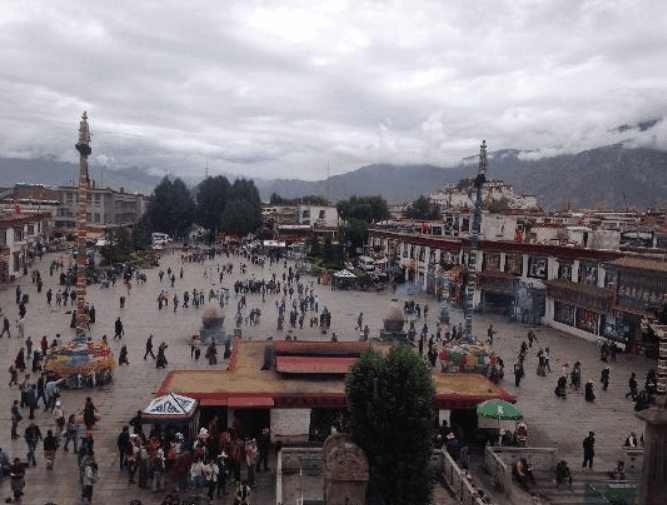
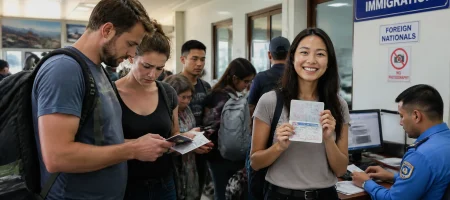
Tibet is not like other destinations in Asia. The Tibet Autonomous Region (TAR) is a politically and geographically sensitive area of China, and the Chinese government regulates foreign access through a layered system of travel documents. All foreign travelers — whether tourists, expats, business visitors, or even foreign long-term residents in China — must obtain special permits in addition to the standard China visa (or exemption status where eligible).
This system has been in place since the 1980s and serves multiple purposes: managing tourism in ecologically sensitive areas, controlling access to military border zones, and preserving the cultural integrity of Tibetan communities.
Even if you have a Chinese visa (or visa exemption), ALL foreigners must obtain a Tibet Travel Permit through a licensed agency. You cannot board a train or flight to Lhasa without showing the TTP. No agency can sell “permit-only” tickets: the law requires at least a minimal itinerary with a guide, booked hotels, and local support.
The practical implication? Independent travel in Tibet is not permitted for foreigners. Every visitor must travel with a licensed agency and a certified guide.
→ Want to understand the deeper reasons behind Tibet’s restrictions? Read: Why Is Travel to Tibet Restricted?
Types of permits for Tibet: How Many Permits Are There? The Quick Overview
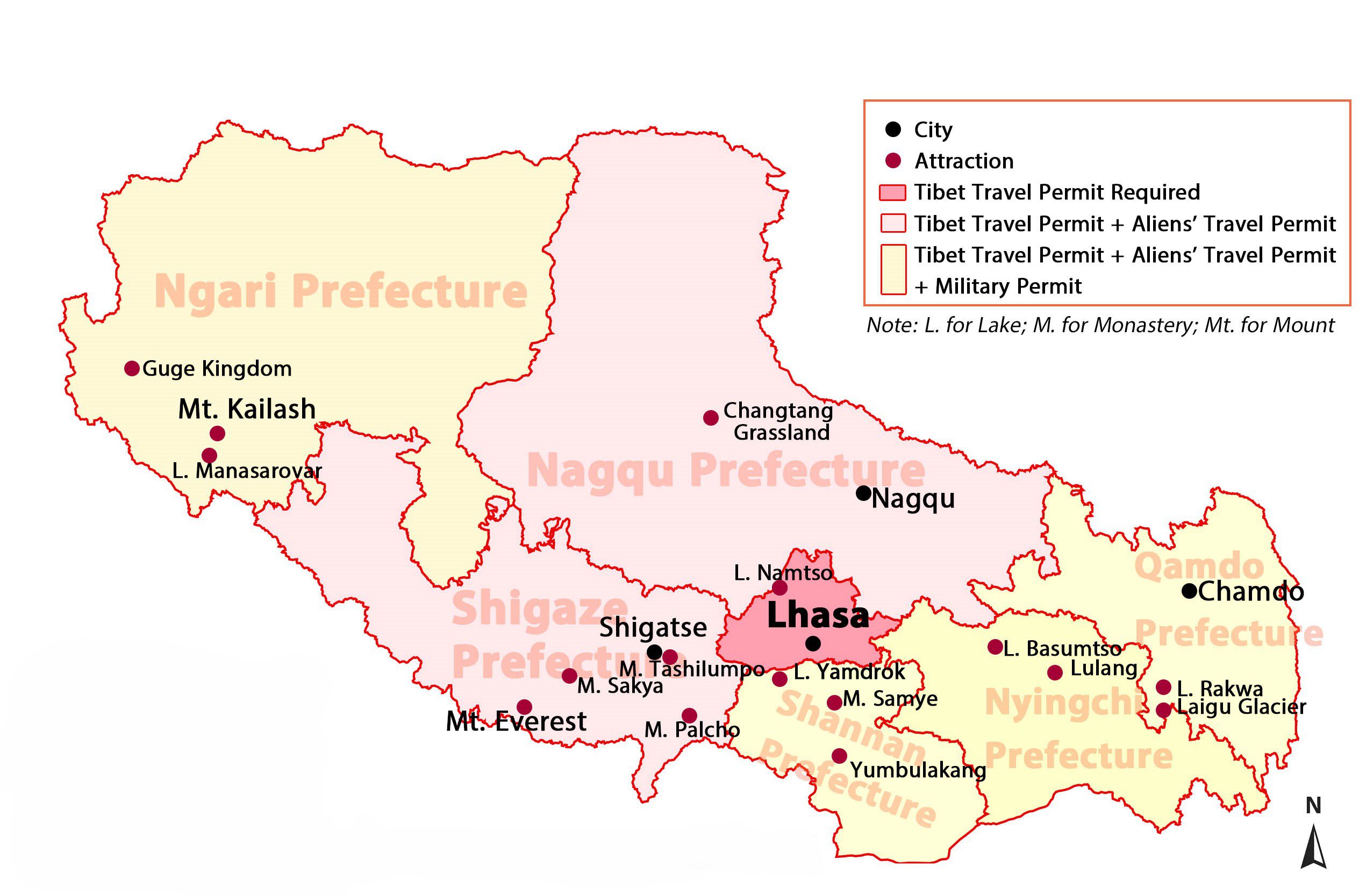
There are up to four types of permits that a foreign traveler may need in Tibet, depending on their destination:
| Permit | Issued by | Required for | Who arranges it |
|---|---|---|---|
| Tibet Travel Permit (TTP) | Tibet Tourism Bureau (TTB) | Entry into the Tibet Autonomous Region — ALL travelers | Your licensed agency before travel |
| Alien’s Travel Permit (ATP) | Public Security Bureau (PSB) | Restricted areas beyond Lhasa (Shigatse, Everest, etc.) | Your agency in Lhasa, after arrival |
| Military Permit | People’s Liberation Army (PLA) | Military-sensitive border zones (Kailash, Ngari, Nyingchi) | Your agency, well in advance |
| Foreign Affairs Permit | Foreign Affairs Office | Specific border or scientific/expedition zones | Your agency, for specialized routes |
Most travelers visiting standard Tibet itineraries — Lhasa, Yamdrok Lake, Shigatse, Everest Base Camp — will need the first two. The Military Permit becomes necessary for adventurous routes like Mount Kailash. The Foreign Affairs Permit applies only to very specific remote zones.
Let’s break each one down.
Types of permits for Tibet: Permit #1: The Tibet Travel Permit (TTP) — The Essential Entry Document
Also known as: Tibet Entry Permit, TTB Permit, “Tibet Visa” (unofficial name)
Issued by: Tibet Tourism Bureau (TTB)
What it is
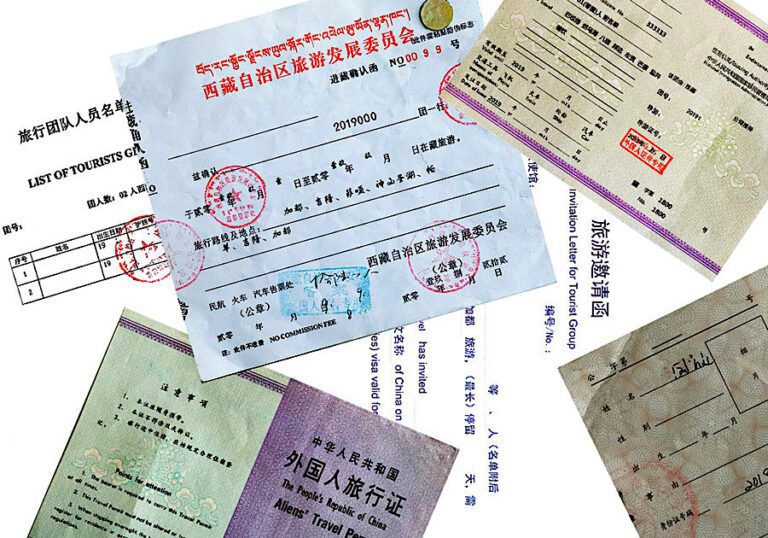
Issued exclusively by the Tibet Tourism Bureau, the Tibet Travel Permit (commonly unofficially called a “Tibet Visa”) is compulsory for all international visitors traveling to the Tibet Autonomous Region in China. Established since the 1980s, this official document grants access specifically to the Lhasa prefecture. Entry without this permit is strictly prohibited.
Think of the TTP as your passport into Tibet itself — even if your actual passport already has a valid Chinese visa. It lists your personal details (full name, nationality, passport number) and your confirmed itinerary inside Tibet.
Who needs it
This is the most important document for all foreign travelers entering the Tibet Autonomous Region (Lhasa and beyond). The TTP is not a visa: it is a special entry permit issued by the Tibet Tourism Bureau (TTB) and is mandatory for entry — even for foreign residents already living in China. The TTP is obtained exclusively through an authorized Tibet travel agency.
Chinese citizens (including from Hong Kong and Macau) do NOT require the TTP, but must bring their own local IDs. Citizens from Taiwan do require the TTP.
How and when to get it
The TTP cannot be applied for by individuals. It must be handled by a licensed Tibet travel agency based on a confirmed itinerary, hotels, and guide services. “Permit-only” services are not allowed. The permit is always linked to a real tour booking.
The permit is typically delivered physically at your hotel in mainland China or electronically if you’re departing from specific cities like Beijing. Note certain departure points — Chongqing, Lanzhou, or Xi’an — strictly require original permits.
Timeline: Allow at least 15–20 days before your travel date for processing.
Cost: The Tibet Tourism Bureau issues the Tibet Permit without charge. Any fee you pay goes to your travel agency for processing, not the TTB itself.
→ Ready to apply? See our step-by-step guide: Tibet Travel Permit Online Application 2026
Types of permits for Tibet: Permit #2: The Alien’s Travel Permit (ATP) — For Going Beyond Lhasa

Also known as: Aliens’ Travel Permit, PSB Permit, Travel Extension Permit
Issued by: Public Security Bureau (PSB)
What it is
Once you’re in Lhasa, your TTP covers you for the city and its immediate surroundings. But Tibet is vast — and if your itinerary takes you beyond Lhasa to places like Shigatse, Yamdrok Lake, or Everest Base Camp, you’ll need an additional document: the Alien’s Travel Permit (ATP).
The Alien’s Travel Permit (ATP) is required for restricted areas outside Lhasa, such as Shigatse, Everest Base Camp (EBC), and more. Your tour guide and agency will arrange this after you arrive in Lhasa.
Where it’s required
The ATP is typically needed for:
- Shigatse — home of the Tashilhunpo Monastery and the seat of the Panchen Lama
- Yamdrok Lake — the stunning turquoise lake south of Lhasa
- Gyantse — a historic city with one of Tibet’s most important fortresses
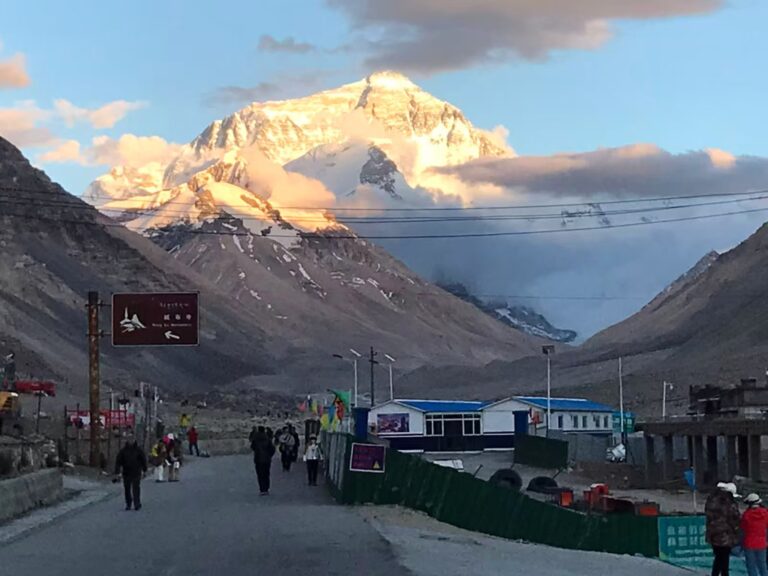
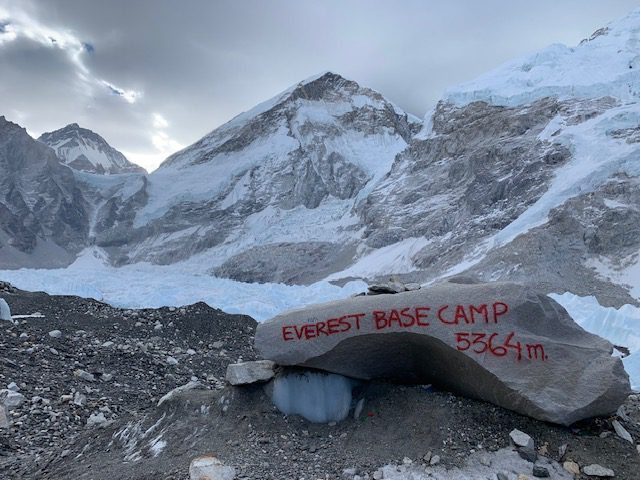
- Everest Base Camp (North, Tibet side) — the world’s most famous trek, at over 5,200m
- Namtso Lake — the sacred high-altitude lake north of Lhasa
- Other restricted counties and areas outside the Lhasa prefecture
How and when to get it
The good news: you don’t need to sort this before you leave home. Your licensed agency arranges the ATP in Lhasa after your arrival, as part of your tour logistics. This is standard procedure and is included in your tour organization.
→ Planning to visit Everest? See our 8-Day Everest Base Camp Tour and 10-Day Lhasa, Everest, Namtso Tour
Types of permits for Tibet: Permit #3: The Military Permit — For Remote & Border Zones
Also known as: Military Area Entry Permit, Border Permit
Issued by: People’s Liberation Army (PLA) / Military authorities
What it is
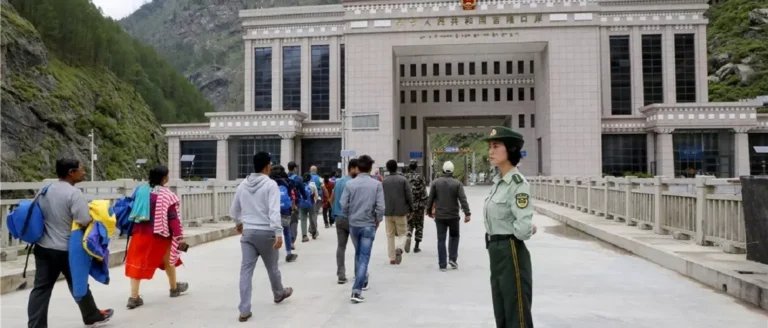
Tibet shares long and geopolitically sensitive borders with India, Nepal, and Bhutan. Certain areas within the TAR — particularly those near these borders or with strategic military significance — require a specific Military Permit in addition to the TTP and ATP.
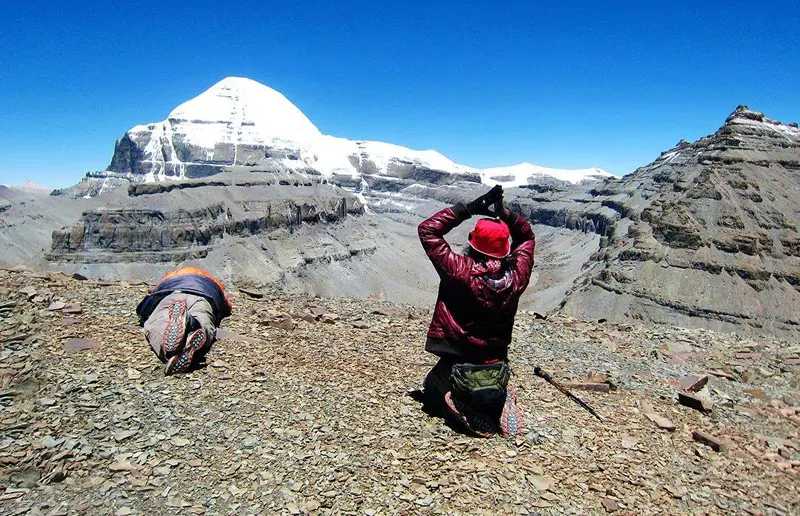
The Military Permit is required for areas near China’s borders or military zones: Mt. Kailash (Ngari), Nyingchi, eastern Tibet, and some remote trekking routes. It is more restrictive and takes longer to process — your Experience Tibet agent will advise you and apply well in advance.
Where it’s required
- Mount Kailash & the Ngari region — one of the most sacred pilgrimage sites in Asia, revered by Hindus, Buddhists, Jains, and Bon practitioners
- Nyingchi Prefecture — especially areas approaching the Indian border
- Eastern Tibet (Chamdo region) — in certain remote counties
- Remote trekking routes in border-adjacent areas
How and when to get it
Unlike the ATP (which is arranged in Lhasa), the Military Permit requires advance preparation before your trip begins, and the processing time is longer. Your travel agency applies for it as part of your tour booking, well ahead of your departure date.
For the Mount Kailash/Ngari region, both the Alien’s Travel Permit AND the Military Permit are required. This means trips to Mount Kailash typically require all three documents: TTP + ATP + Military Permit.
→ Planning to trek to Kailash? See our 15-Day Mt Kailash Trekking Tour with Everest Base Camp and 12-Day Indian Pilgrimage to Mount Kailash and Lake Mansarovar
Types of permits for Tibet: Permit #4: The Foreign Affairs Permit — For the Most Remote Zones
Issued by: Foreign Affairs Office
What it is
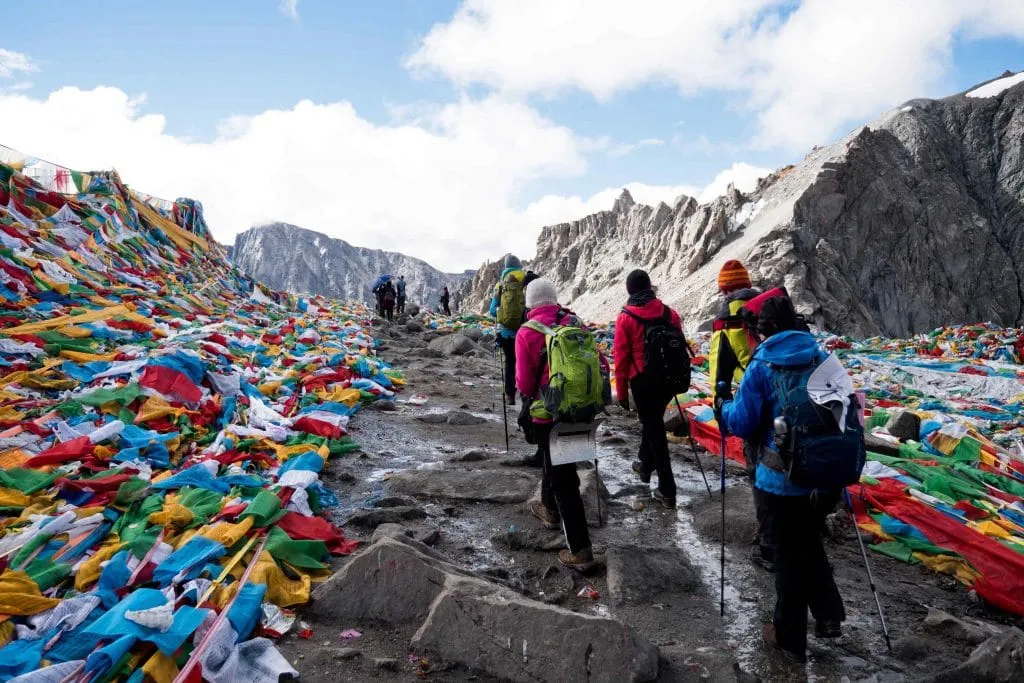
The rarest permit of the four, the Foreign Affairs Permit is required for very specific areas — primarily certain zones along international border areas or for scientific and research expeditions into remote parts of western Tibet.
For remote trekking or expedition routes, an additional Foreign Affairs Permit or military approval may be needed.
This permit applies to places like Tholing and Tsaparang in the far western Ngari Prefecture — ancient ruins of the Guge Kingdom that require a special combination of permits due to their proximity to the Indian border. It is not required for standard tourism itineraries, including regular Mount Kailash tours, but may be needed for specialized expeditions.
Your agency will always advise you if your planned route requires this permit.
Which Permits Do YOU Need? Zone-by-Zone Breakdown
This is the section you’ll want to save. Here is a clear breakdown of which permits apply to each major destination inside Tibet:
| Destination | Tibet Travel Permit (TTP) | Alien’s Travel Permit (ATP) | Military Permit | Foreign Affairs Permit |
|---|---|---|---|---|
| Lhasa city (Potala, Jokhang, Barkhor) | ✅ | ❌ | ❌ | ❌ |
| Drepung & Sera Monasteries (Lhasa area) | ✅ | ❌ | ❌ | ❌ |
| Yamdrok Lake | ✅ | ✅ | ❌ | ❌ |
| Gyantse | ✅ | ✅ | ❌ | ❌ |
| Shigatse & Tashilhunpo Monastery | ✅ | ✅ | ❌ | ❌ |
| Namtso Lake | ✅ | ✅ | ❌ | ❌ |
| Ganden Monastery | ✅ | ✅ | ❌ | ❌ |
| Everest Base Camp (North, Tibet) | ✅ | ✅ | ❌ | ❌ |
| Nyingchi (Peach Blossom region) | ✅ | ✅ | ✅ | ❌ |
| Mount Kailash & Lake Mansarovar (Ngari) | ✅ | ✅ | ✅ | ❌ |
| Eastern Tibet (Chamdo) | ✅ | ✅ | ✅ | ❌ |
| Remote western Tibet / border zones | ✅ | ✅ | ✅ | ✅ (possible) |
⚠️ Disclaimer: This table is based on standard regulations as of early 2026. Specific requirements can vary by exact location within a region and can change with little notice. Always confirm the exact permit requirements for your itinerary with your licensed agency before booking.
Do You Need to Apply for Any of This Yourself?
No — and you actually can’t, even if you wanted to.
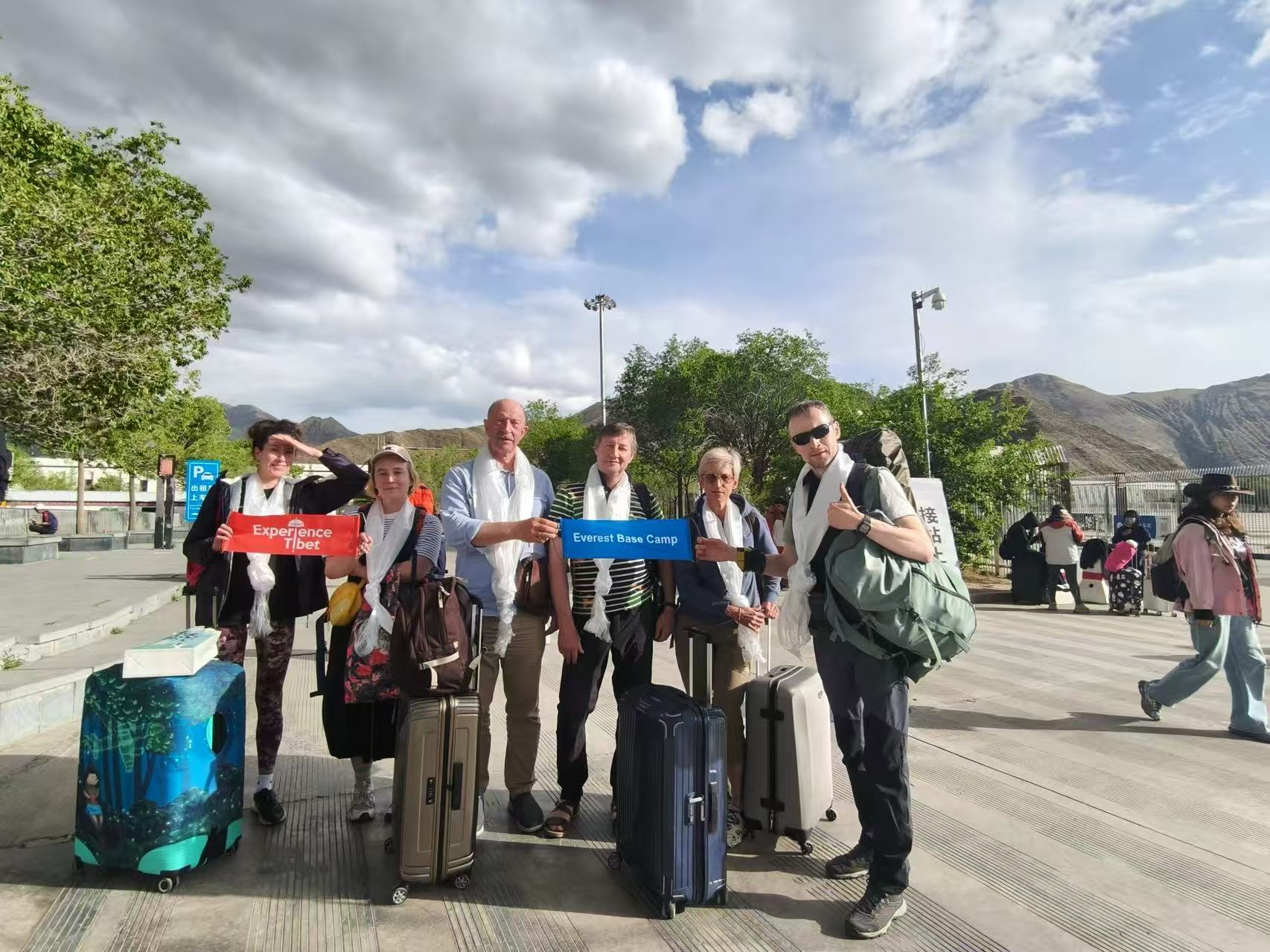
This is the most reassuring thing about Tibet’s permit system: everything is arranged by your licensed travel agency. The law requires it. Individual travelers cannot walk into a government office and apply for a Tibet Travel Permit on their own.
Here’s what the process typically looks like:
- You book your tour with a licensed Tibet travel agency like Experience Tibet
- You provide your documents: valid passport (minimum 6 months validity), Chinese visa (or visa-free eligibility confirmation)
- Your agency handles everything: They submit your TTP application to the Tibet Tourism Bureau, and arrange any additional permits (ATP, Military Permit) as your itinerary requires
- You receive your permit: Either physically at your hotel in mainland China before departure, or electronically depending on your entry point
- You travel — your guide carries and presents the permits at checkpoints, airports, train stations, and hotel check-ins
Your agency will arrange additional regional/alien/military permits depending on your planned route.
One important reminder: Start the permit process at least 15–20 days before your tour. For itineraries involving the Military Permit (Kailash, Nyingchi, border zones), allow even more lead time.
Frequently Asked Questions Tibet Permits
Q: Do children need their own Tibet Travel Permit?
Yes. All foreign nationals, regardless of age, require individual permits. This includes infants and children — each needs a separate TTP linked to their own passport.
Q: I live in China as an expat. Do I still need all the permits?
Yes — foreigners living or working in China (even with long-term residence permits) must follow the same steps: booking via an authorized Tibetan travel agency, with TTP and all required permits. Independent travel is not allowed. Chinese work or residence visa holders also submit copies of their visa/residence certificate to the agency.
Q: My country is now visa-free for China. Does that mean I don’t need a Tibet permit?
While travelers from visa-free countries do not require a Chinese visa, a Tibet Travel Permit is still mandatory for visiting the Tibet Autonomous Region. This permit must be obtained through a registered travel agency and requires joining an organized tour.
Q: How much do Tibet permits cost?
The Tibet Tourism Bureau issues the Tibet Permit without charge. The same applies to the ATP — these are government documents with no direct fee. You may pay a service fee to your travel agency for processing and coordination, which is typically included in your tour price.
Q: What happens if my permit application is denied?
Permit denials are uncommon when booking through an established, licensed agency. If a denial does occur, it is usually related to external political or logistical factors (such as seasonal closures of Tibet) rather than individual traveler issues. A reputable agency will inform you promptly and advise on rescheduling or alternatives.
Q: Is the Tibet Travel Permit the same as a “Tibet Visa”?
Many travelers call it a “Tibet Visa,” but it’s officially the Tibet Travel Permit (TTP), issued by the Tibet Tourism Bureau. It functions similarly to a visa in the sense that it grants entry, but it is a distinct document separate from your Chinese visa.
→ Have more questions? Visit our Tibet Travel FAQ page for a comprehensive list of answers.
The Bottom Line: Permits Are Manageable — With the Right Agency
Yes, Tibet requires more paperwork than your average holiday destination. But viewed in context, the permit system is simply part of what makes Tibet so exceptional: it remains one of the most carefully accessed destinations on Earth, which is precisely why it retains its raw spiritual energy, its ancient culture, and its breathtaking landscapes largely intact.
The permits are not an obstacle. They’re part of the journey.
And with an experienced, licensed agency by your side, they’re also not your problem to solve. Experience Tibet has been navigating this system for over 15 years, with deep experience in all permit categories, including difficult areas like Kailash or restricted zones, real-time support, expert guides, and custom itineraries for all traveler types.
Whether you’re planning a 4-day introduction in Lhasa or a 15-day epic trek to Mount Kailash and Everest Base Camp, we handle your permits from start to finish — so you can focus on preparing for one of the most extraordinary journeys of your life.
Ready to start planning?
Browse our Tibet Tours → | Contact our team for permit advice →
Last updated: March 2026. Permit requirements are subject to change. Always confirm current regulations with your licensed travel agency before booking.