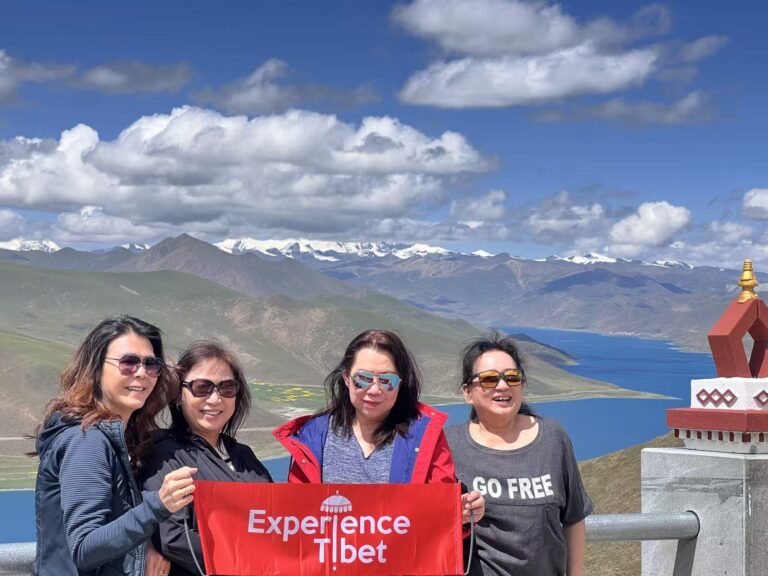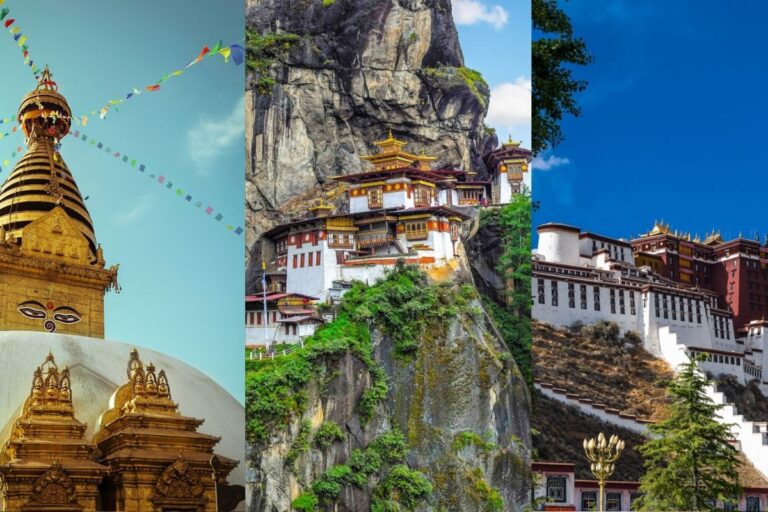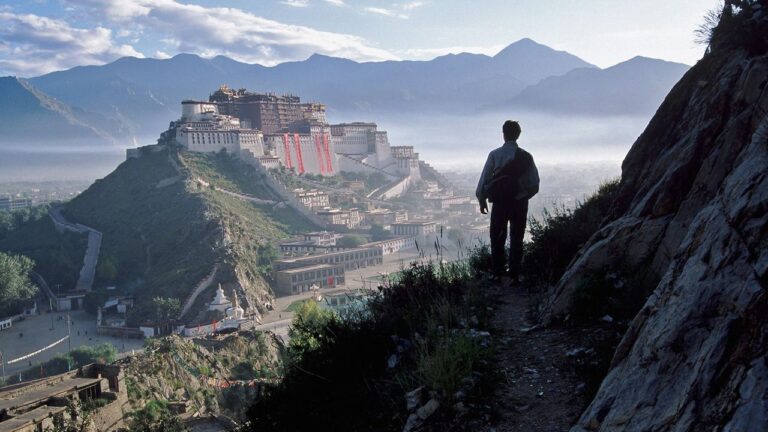
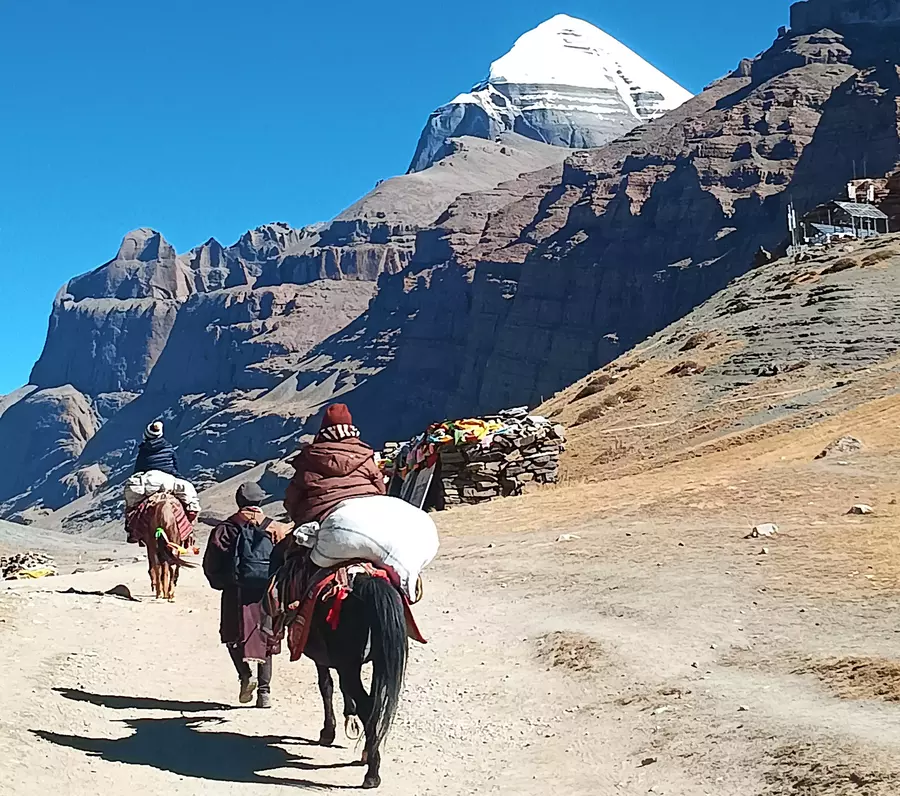
Mount Kailash and Lake Manasarovar are among the most sacred and remote pilgrimage destinations in the world. Visit Mount Kailash 2026 located in Ngari Prefecture in western Tibet, Mount Kailash is revered by Buddhists, Hindus, Jains and Bon practitioners., It’s also one of the most logistically demanding journeys you can make: wild, high and far from major cities.
ExperienceTibet runs a 15‑Day Mount Kailash Kora Trek with Everest Base Camp and Lake Manasarovar as a small‑group adventure (4–13 participants), combining 11 nights in premium 3–4 star hotels with 3 nights in simple guesthouse or tent on the kora, and handling all Tibet permits with an activity level of 4/5.
This guide focuses on when to go in 2026:
- The best time to visit Mount Kailash and Lake Manasarovar by season and by month.
- How weather, altitude and remoteness affect your Yatra.
- The impact of 2026 as a Tibetan Year of the Horse on demand and planning.
- How to align the right season with your goals: pilgrimage, trekking, or photography.
Why Timing Matters So Much for Your Mount Kailash Yatra
High Altitude, Harsh Weather and Remote Location
Mount Kailash lies in the western reaches of Tibet and is a pilgrimage not only for Tibetan Buddhists, but also for followers of Bon, Jainism and Hinduism. It’s “wild and remote”, in your own tour description, with a demanding multi‑day kora and long overland transfers from Lhasa.,
Key points:
- You’ll be traveling and trekking at very high altitude (the kora includes a high pass and multiple days around ~5,000 m).
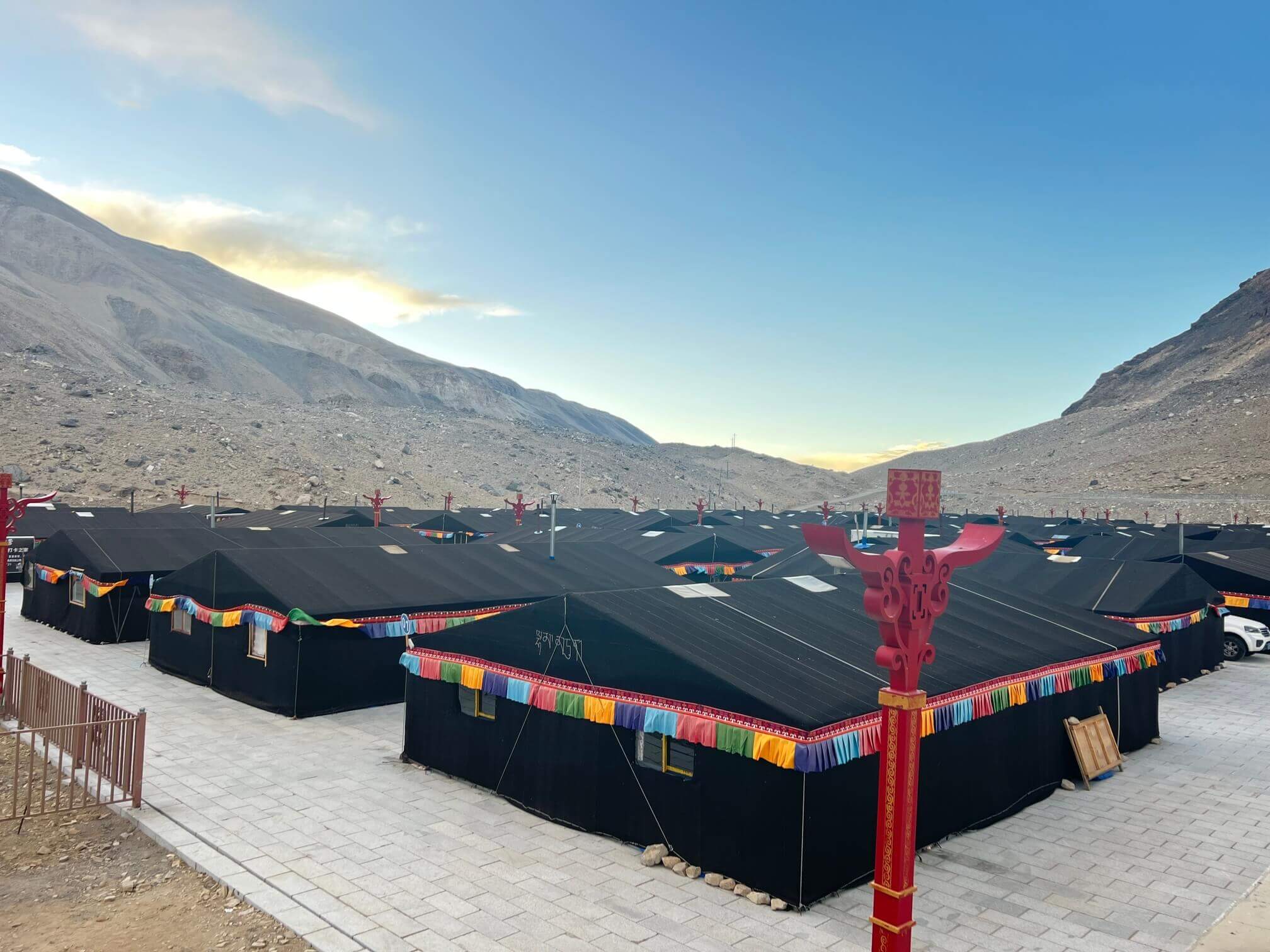
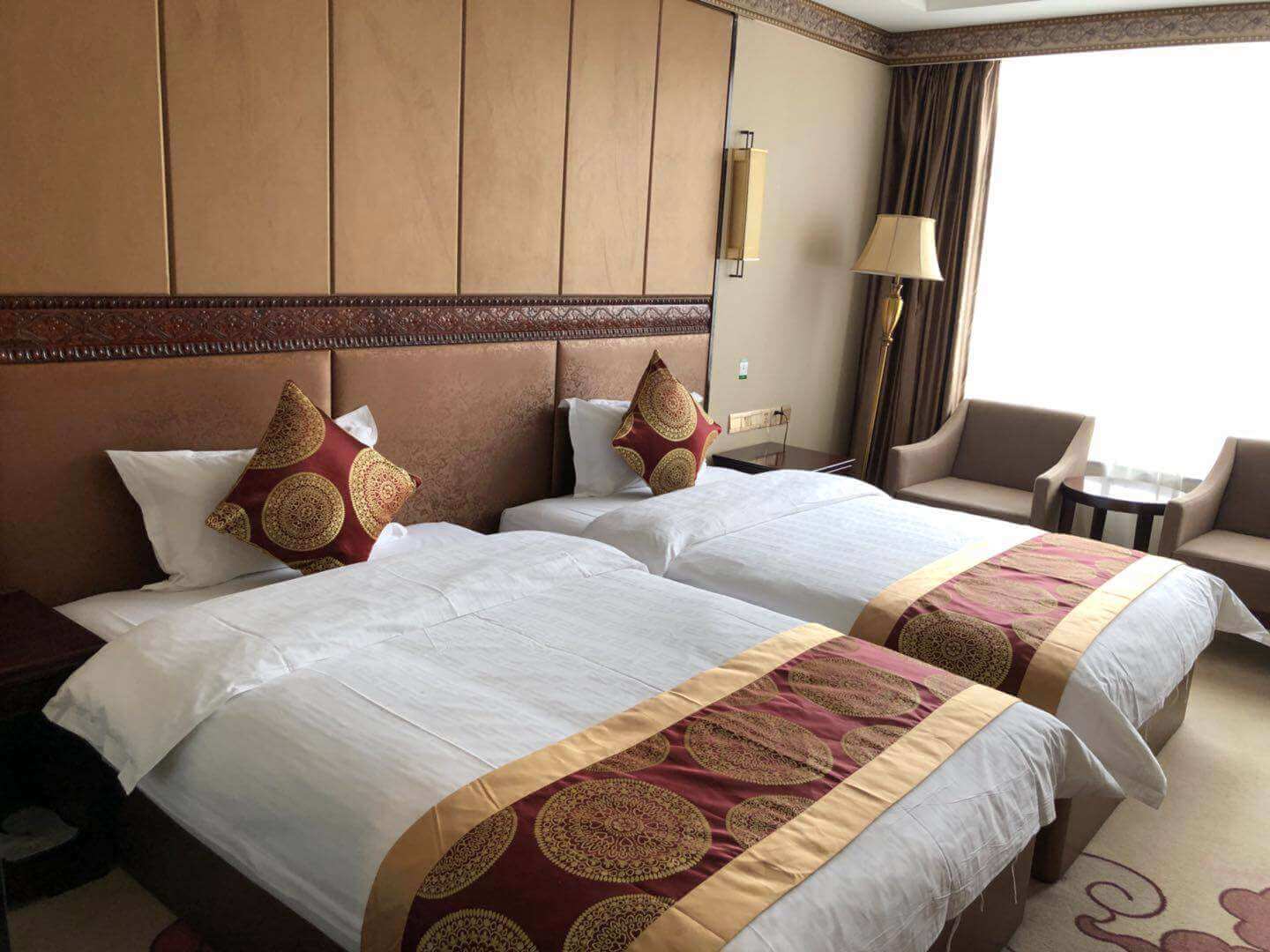
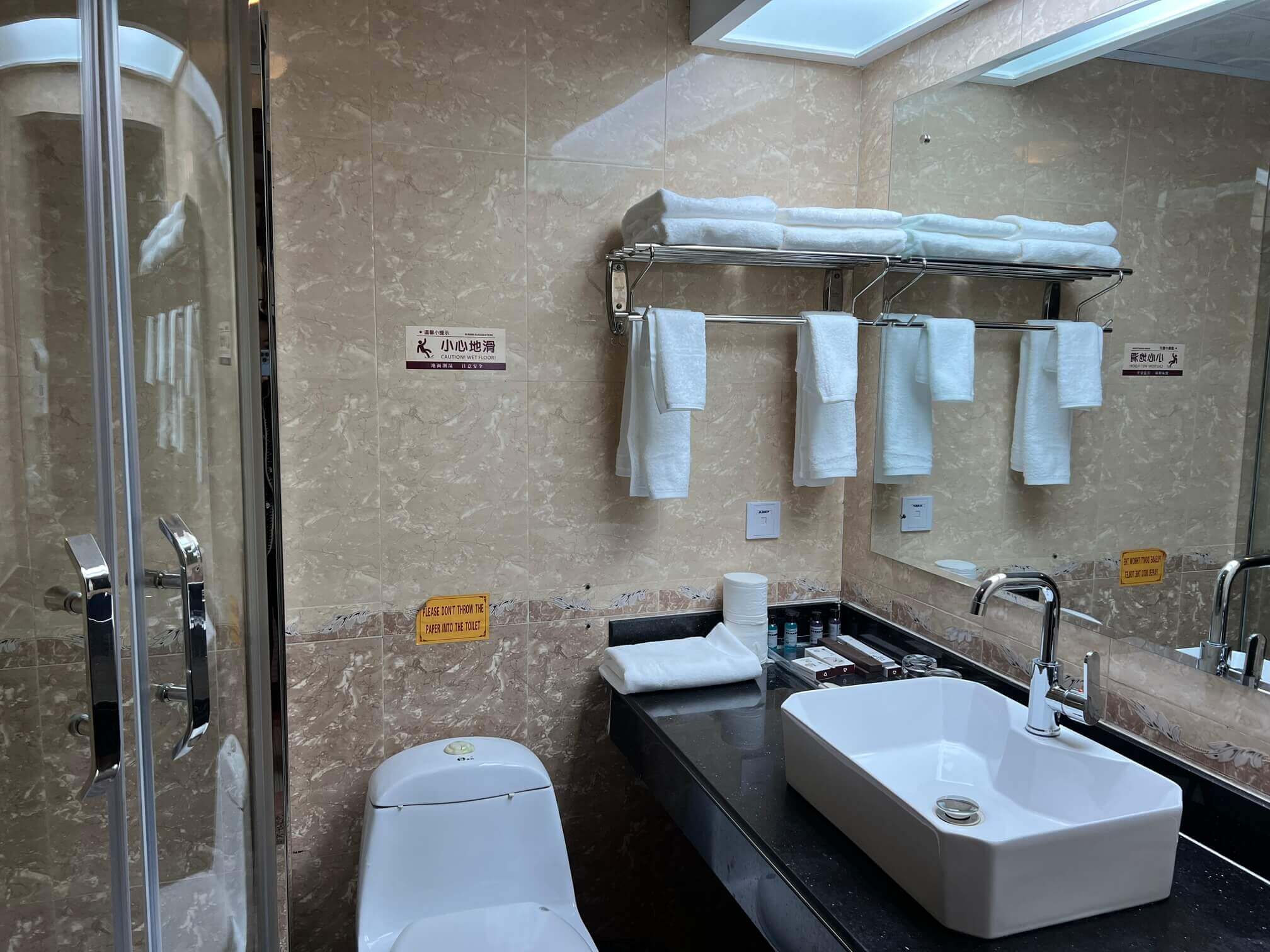
- Infrastructure on the kora is basic (3 nights in a dorm/guesthouse or tent), while nights in Lhasa, Shigatse, etc. are in 3/4‑star hotels.
- Access roads traverse long stretches of plateau and mountain terrain.
If you select the wrong time of year, you may face:
- Heavy snow and ice on the pass.
- Strong winds and sub‑zero nights.
- Rain, mud, or landslides affecting roads.
- Closed guesthouses or services in the off‑season.
Por eso, la ventana de buen tiempo es clave para la seguridad y el éxito de la Yatra.
Pilgrimage Rhythm and Spiritual Timing
More than any other Tibet journey, Kailash is about merit, faith and symbolism. Many pilgrims:
- Try to time their visit around major religious festivals, especially Saga Dawa, often falling in May or June.
- Place special importance on the Tibetan Year of the Horse, as completing a kora in this year is traditionally believed to multiply the spiritual merit many times over.
Quick Answer: Best Time to Visit Mount Kailash and Lake Manasarovar in 2026
Every year has slight variations, but experienced Tibetan guides and agencies converge on a clear recommendation:
The best time to visit Mount Kailash and Lake Manasarovar is from May to June and from September to October.
In 2026, this remains true. These months usually offer:
- Relatively stable weather for high‑altitude travel.
- Manageable temperatures for trekking the kora.
- Better road and trail conditions.
- Higher chances of clear views of Mount Kailash and the surrounding landscapes.
To refine it even more:
- Core best months:
- May, June, September, October
- Possible but more challenging months:
- April – early season, cold, some snow/ice possible.
- July–August – warmer but influenced by monsoon patterns, more clouds and rain risk.
Months that are generally not recommended for standard pilgrims and first‑time visitors:
- November to March – deep winter; very cold, snow and ice, high passes and routes often closed or unadvisable.
In 2026, the Year of the Horse will also increase demand during peak months, especially in May, June, and September, so it’s advisable to book well in advance.
Mount Kailash Weather and Conditions by Season
While you’ll find slightly different opinions online, the basic seasonal logic is consistent:
- Spring: gradual opening, still cold but improving.
- Summer/monsoon: warmer but wetter and cloudier.
- Autumn: post‑monsoon clarity, cold nights.
- Winter: generally off‑limits.
Spring (April–June): Opening of the Pilgrimage Season
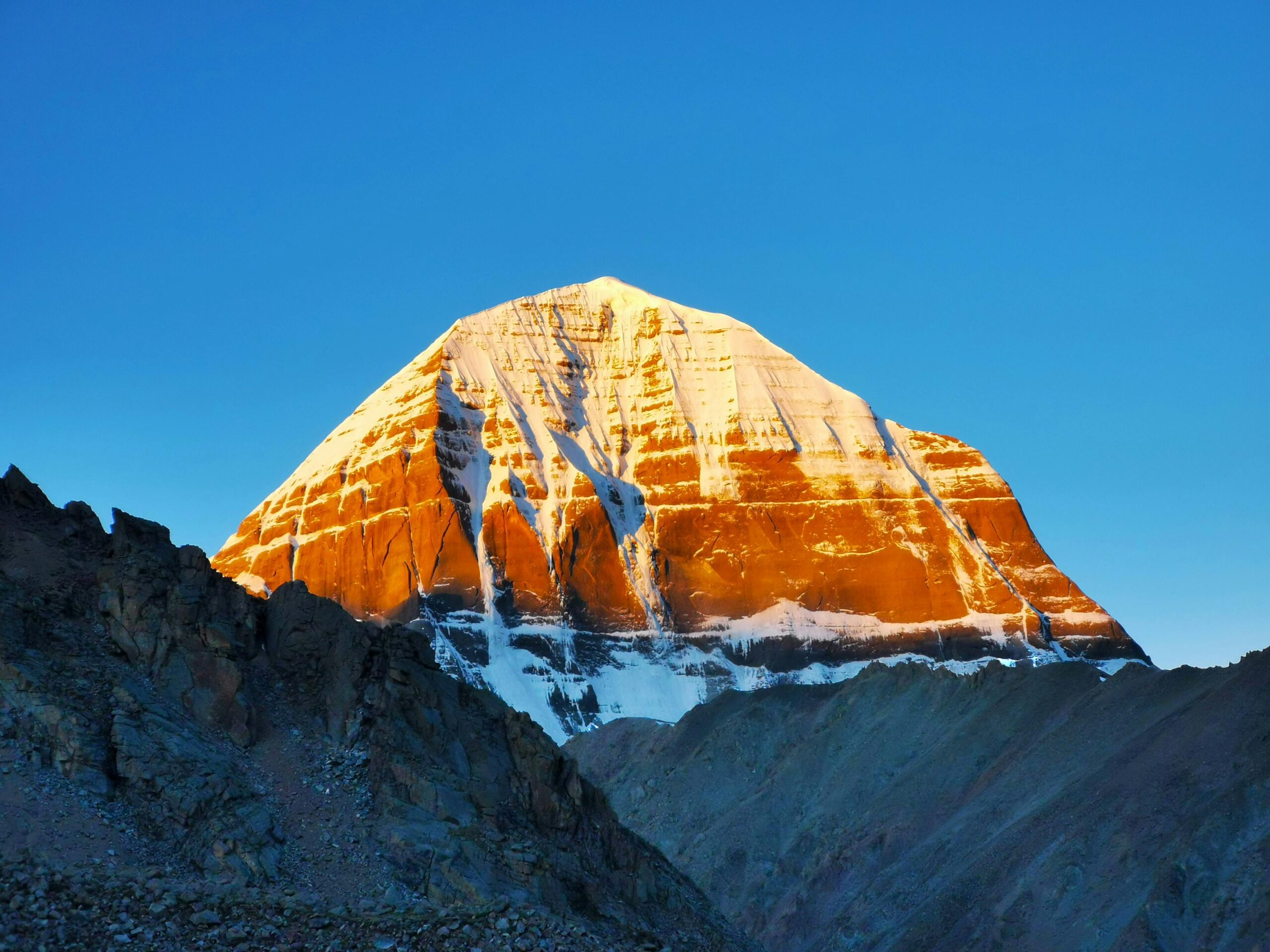
April
- Early start to the Kailash & Manasarovar season.
- Conditions:
- Cold days; very cold nights, especially on the kora.
- Snow and ice can still cover parts of the high pass and shaded sections of the trail.
- Some facilities (guesthouses, local services) are just beginning to open.
- Pros:
- Very few crowds; a quieter, more contemplative atmosphere.
- Cons:
- Greater risk of snow/ice and more physical difficulty.
- Only advisable for very well‑prepared and experienced high‑altitude travelers.
May–June
From May onwards, conditions improve significantly:
- Trail and pass:
- Snow in lower areas mostly melts.
- The high pass is still cold and windy, but tends to be more negotiable.
- Weather:
- Daytime temperatures become more comfortable.
- Nights remain cold; four‑season layers still necessary.
- Pre‑monsoon period means relatively stable weather compared to later in summer.
- Pilgrimage activity:
- Many Kailash yatras and small group tours operate strongly in May and June, including 15‑day itineraries from Lhasa via Shigatse and Everest Base Camp, like your own group tour option.,
- Saga Dawa often falls in late May or June, attracting large numbers of Buddhist pilgrims.
Summary:
For most pilgrims and trekkers, May and June are among the best months of the year for Mount Kailash and Lake Manasarovar: a strong balance between accessibility, reasonable temperatures and spiritually significant dates.
Summer & Monsoon (July–August): Warmer but Wetter
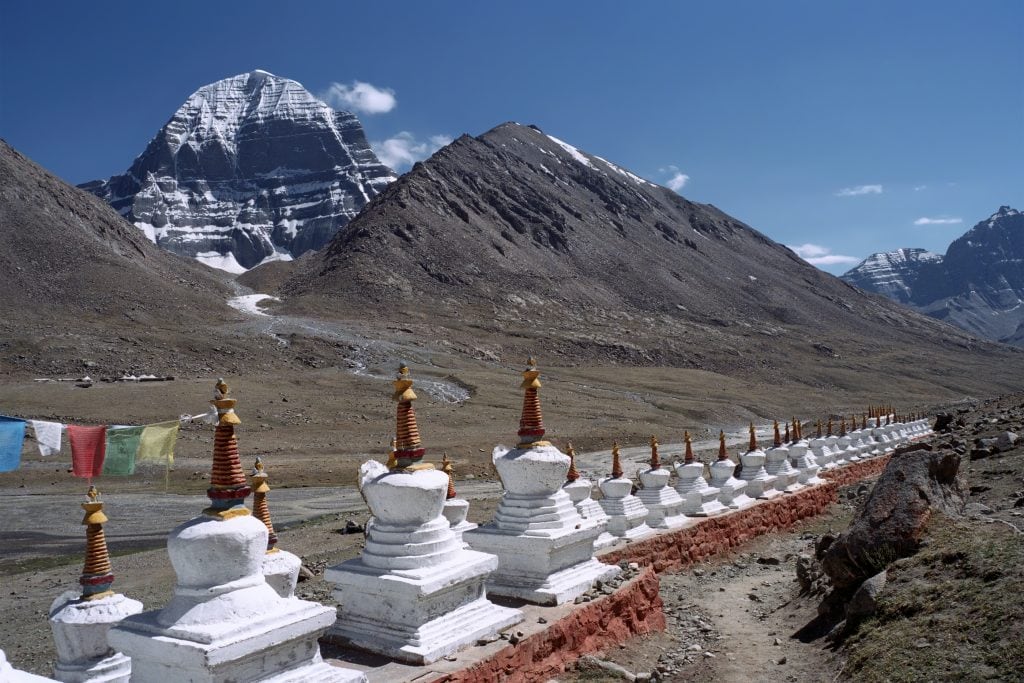
During July and August, the greater Himalayan region is affected by monsoon systems. Ngari receives less rain than the Himalaya foothills, but conditions still change:
- Weather:
- Warmer temperatures – which can be more comfortable for those who dislike cold.
- Increased cloud cover and rainfall; occasional storms.
- On the road:
- Overland routes can experience mud, washouts or landslides, especially on mountain sections.
- Visibility may be reduced on some days, limiting views of Mount Kailash and surrounding peaks.
- On the kora:
- Trails may be muddy and slippery, especially on certain segments.
- Increased likelihood of trekking under cloud or light rain.
Some agencies continue operating Kailash tours in July–August for those whose schedules demand it, but most will emphasize that this is a compromise period:
- Pros:
- Warmer, sometimes more comfortable to camp or stay in basic guesthouses.
- Cons:
- Less predictable weather.
- Higher risk of disrupted road conditions and limited mountain views.
If you can travel in May–June or September–October instead, those windows are usually preferable.
Autumn (September–October): Clear Skies, Crisp Air
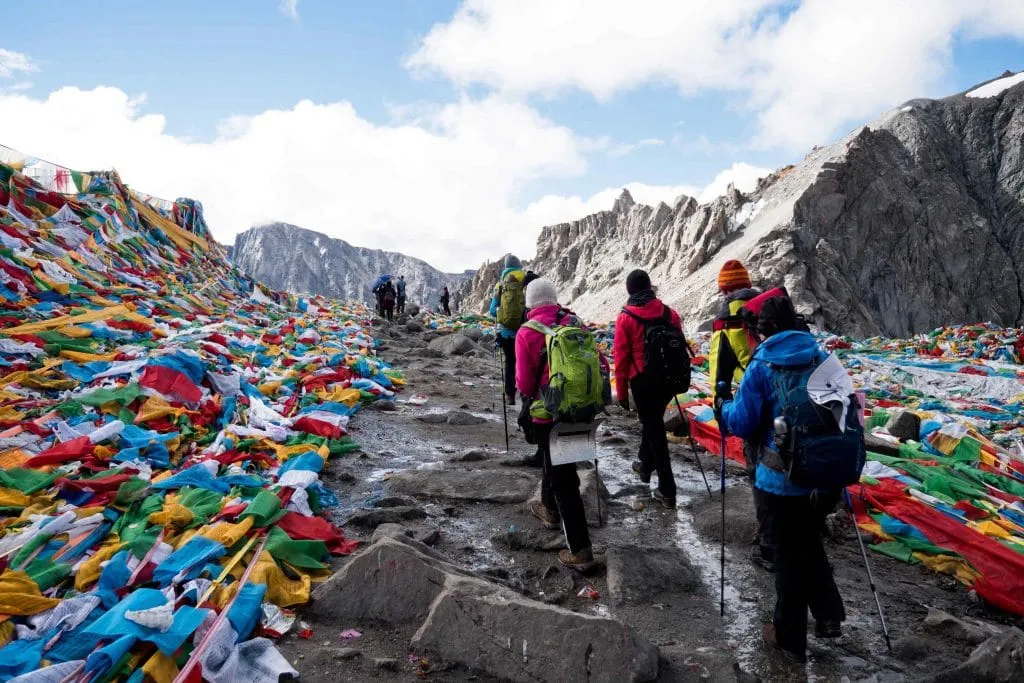
Autumn is often considered the other prime season for Mount Kailash and Lake Manasarovar.
After the monsoon patterns weaken:
- Weather:
- Skies tend to be clearer, with excellent visibility and crisp air.
- Precipitation decreases, and the atmosphere feels clean and bright.
- Temperature:
- Days are cool to mild at high altitude;
- Nights become colder, especially as you move toward late October.
- Trail and roads:
- Roads usually recover from monsoon damage, and most routes are fully operational.
- The kora is generally dry or only lightly damp, making footing more reliable.
September
- Often cited as one of the very best months overall:
- Post‑monsoon clarity.
- Stable weather.
- Balanced temperatures (not yet deep autumn cold).
October
- Early October can still be excellent, especially the first two weeks.
- As the month progresses, nights become much colder and the risk of early snow gradually rises.
- By late October, the region moves steadily toward winter.
If you prefer clear skies and superb photography conditions, September and early October are outstanding choices.
Winter (November–March): Off‑Season and Not Recommended
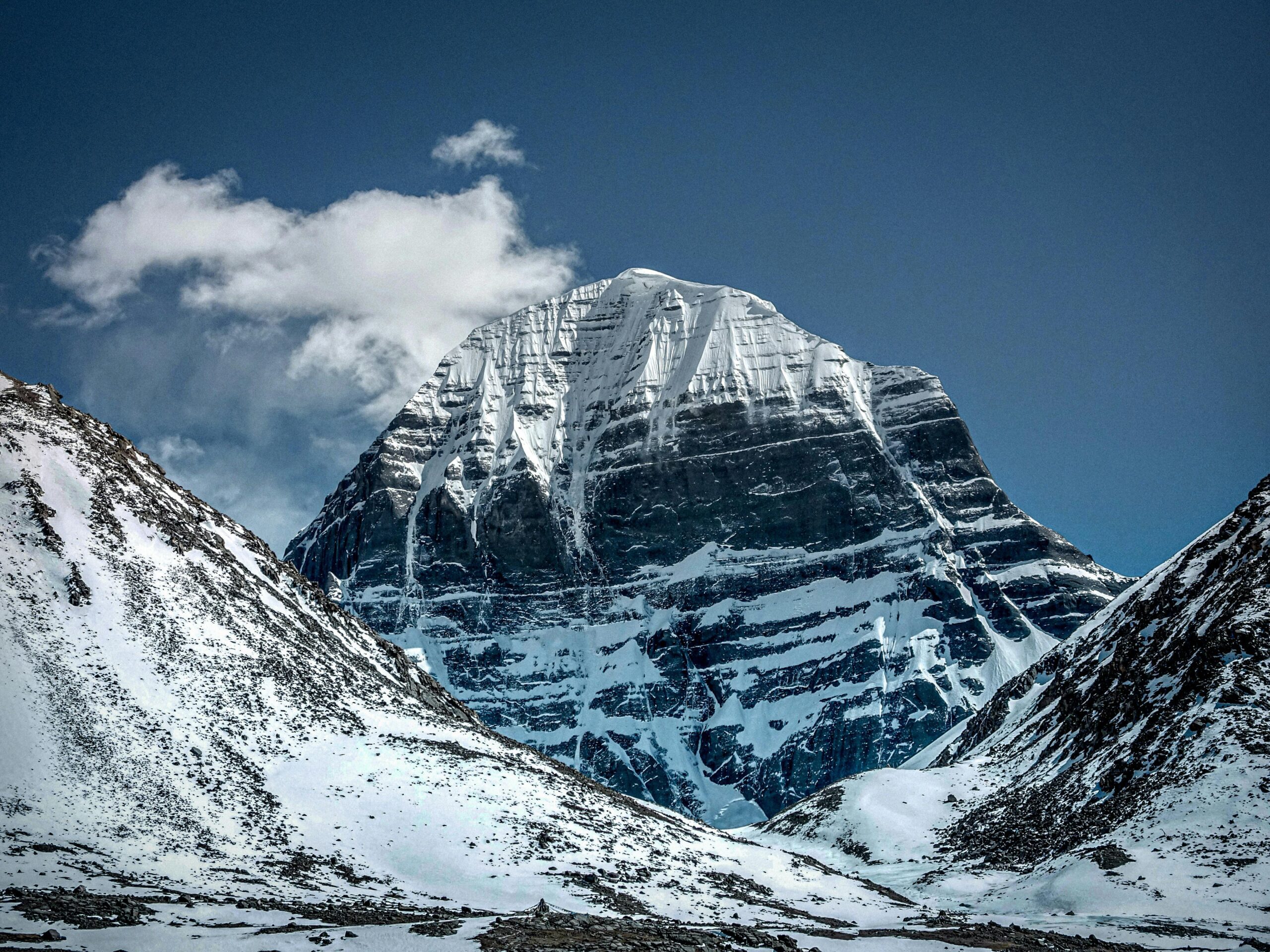
From November through March, Ngari and the Mount Kailash region are in full winter mode:
- Temperatures:
- Very low, especially at night and on the high pass.
- Snow and ice:
- Frequent and sometimes heavy.
- High passes and sections of the road may be blocked or dangerous.
- Operations:
- Many guesthouses and local services close.
- Most reputable Kailash tour operators do not run standard pilgrim trips during this time.
Unless you are an exceptionally experienced high‑altitude winter expedition traveler (under specialized arrangements), winter is not recommended for Kailash and Manasarovar.
Best Time to Visit Kailash Mansarovar by Type of Traveler
Not everyone goes to Mount Kailash for the same reason. Depending on whether you are a devout pilgrim, a trekker, or a photographer, your “best time” may shift slightly within the overall good windows (May–June and September–October).
Devout Pilgrims and Religious Yatras
If your priority is the spiritual dimension of the journey:
- You’ll want to combine:
- A safe and reasonable weather window, and
- Spiritually significant dates, such as Saga Dawa and Horse‑Year periods.
In practice:
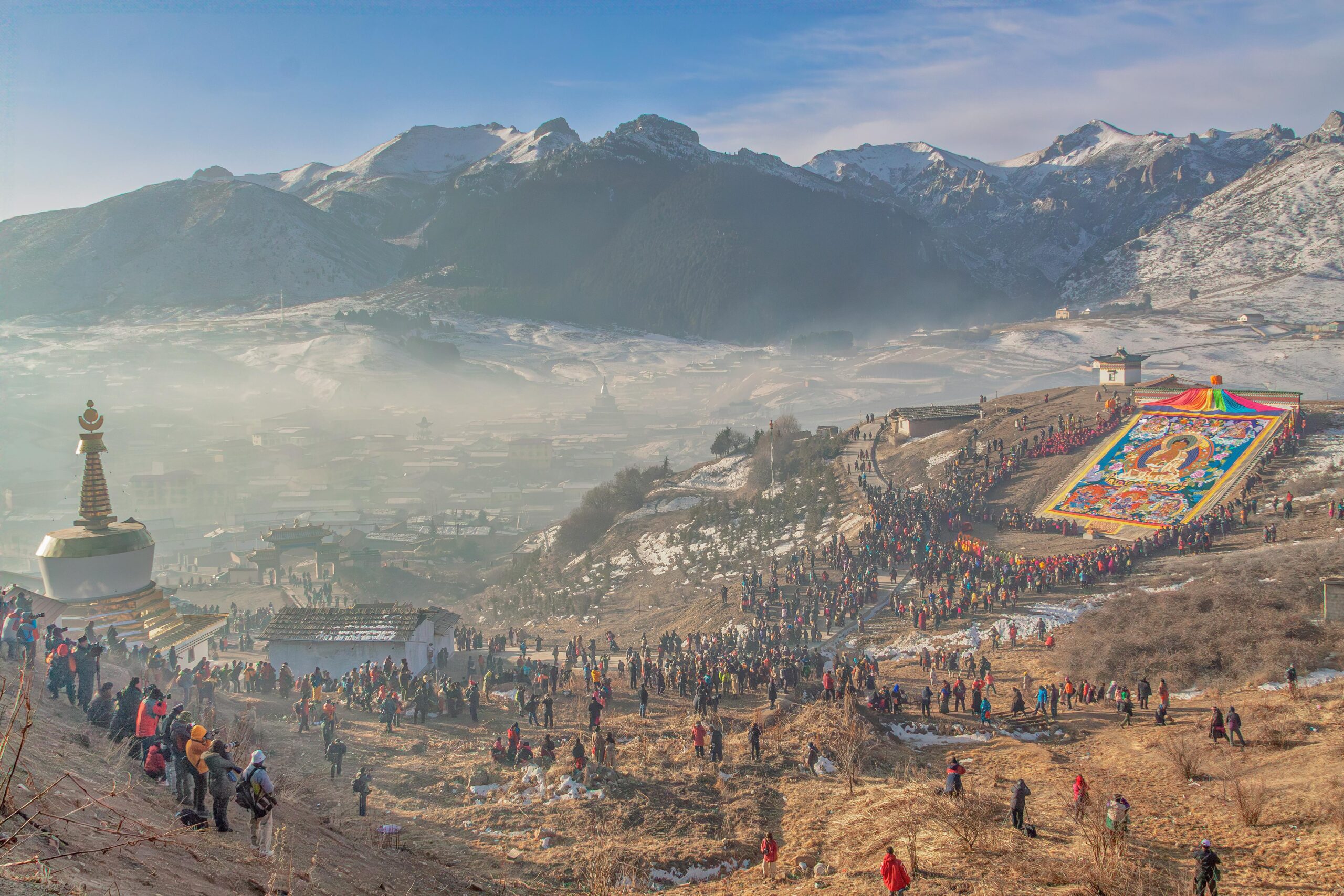
- Best months for pilgrims:
- May–June
- Strong balance of climate and accessibility.
- Saga Dawa typically falls around late May or June, drawing many Buddhist pilgrims.
- May–June
-
- September–early October
- Stable weather, clear skies and fewer monsoon effects.
- September–early October
In 2026 (Year of the Horse), these months will be even more in demand because many pilgrims aim to complete the Kailash kora during this special cycle, believing it greatly multiplies merit. Your dedicated article on the Horse Year pilgrimage explores this symbolism in depth; here we simply emphasize that these peak months are where spiritual timing and good conditions overlap.
Trekkers and Adventure Travelers
If you see Kailash primarily as a high‑altitude trek and physical challenge, you’ll focus on trail conditions and pass safety.
- Best months for trekking‑focused travelers:
- Late May–June
- Less snow and ice on the trail and pass.
- Still pre‑monsoon, with comparatively stable weather.
- September
- Post‑monsoon, with typically drier trails and clearer skies.
- Late May–June
Your own 15‑day Kailash group tour notes an activity level of 4/5, with 3 nights in dorm/guesthouse or tent on the kora and long days of walking, so adding monsoon mud or winter ice to that challenge is rarely a good idea.
Photographers and Landscape Lovers
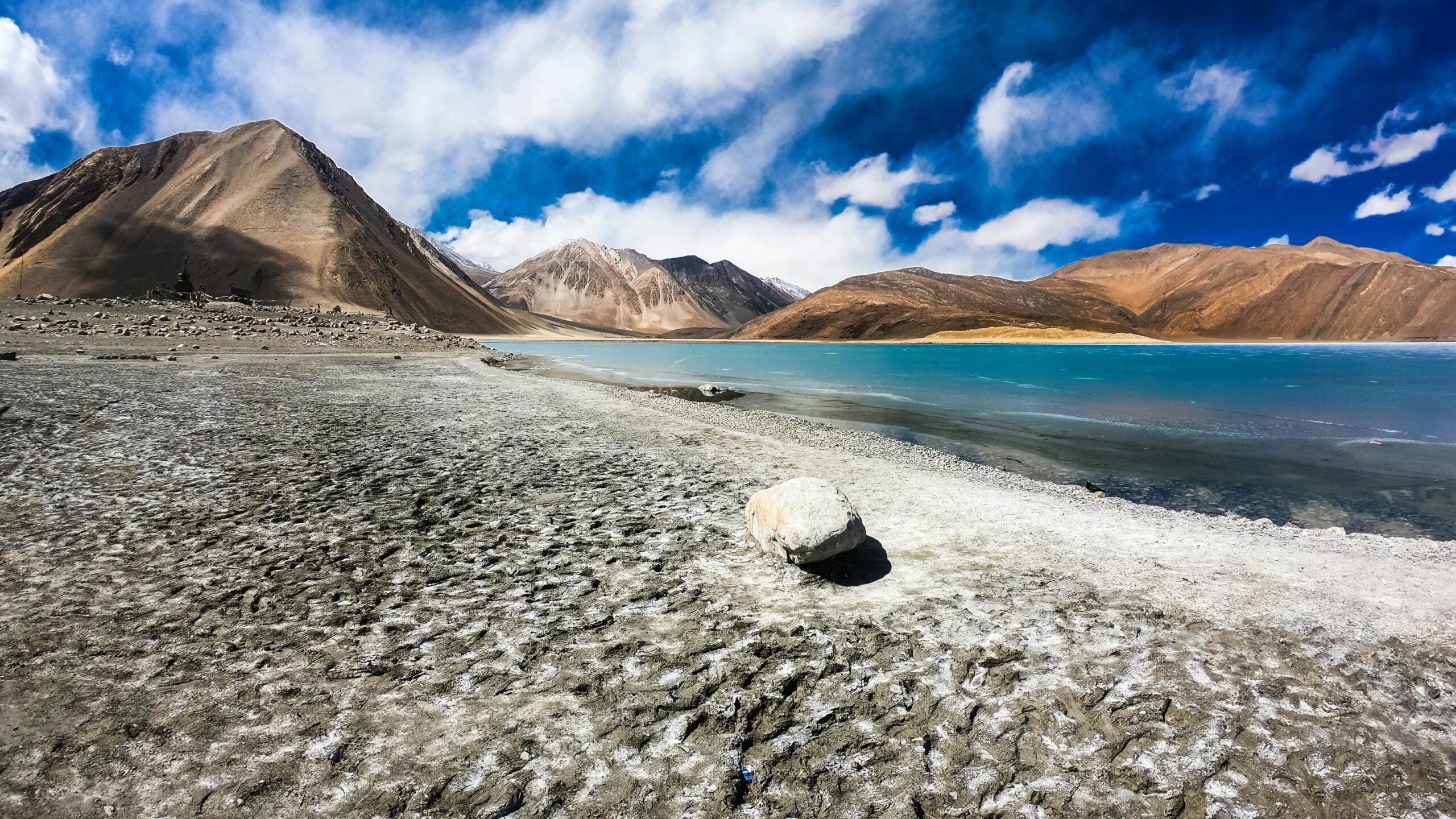
If your main goal is landscape photography and capturing the mountain itself:
- You are looking for:
- Maximum visibility of Kailash’s iconic summit.
- Clean air and dynamic light.
- Good contrasts between snow, sky and plateau.
Best months for photographers:
- May–June
- Strong chance of clear views on many days.
- Transition from snow into greener plateau landscapes.
- September–early October
- Often the clearest air of the year: post‑monsoon atmosphere, with deep blue skies and sharp contours.
September is often the “sweet spot” for pure visual impact, while still avoiding the deep cold of late autumn.
How 2026 (Year of the Horse) Affects When to Visit Mount Kailash
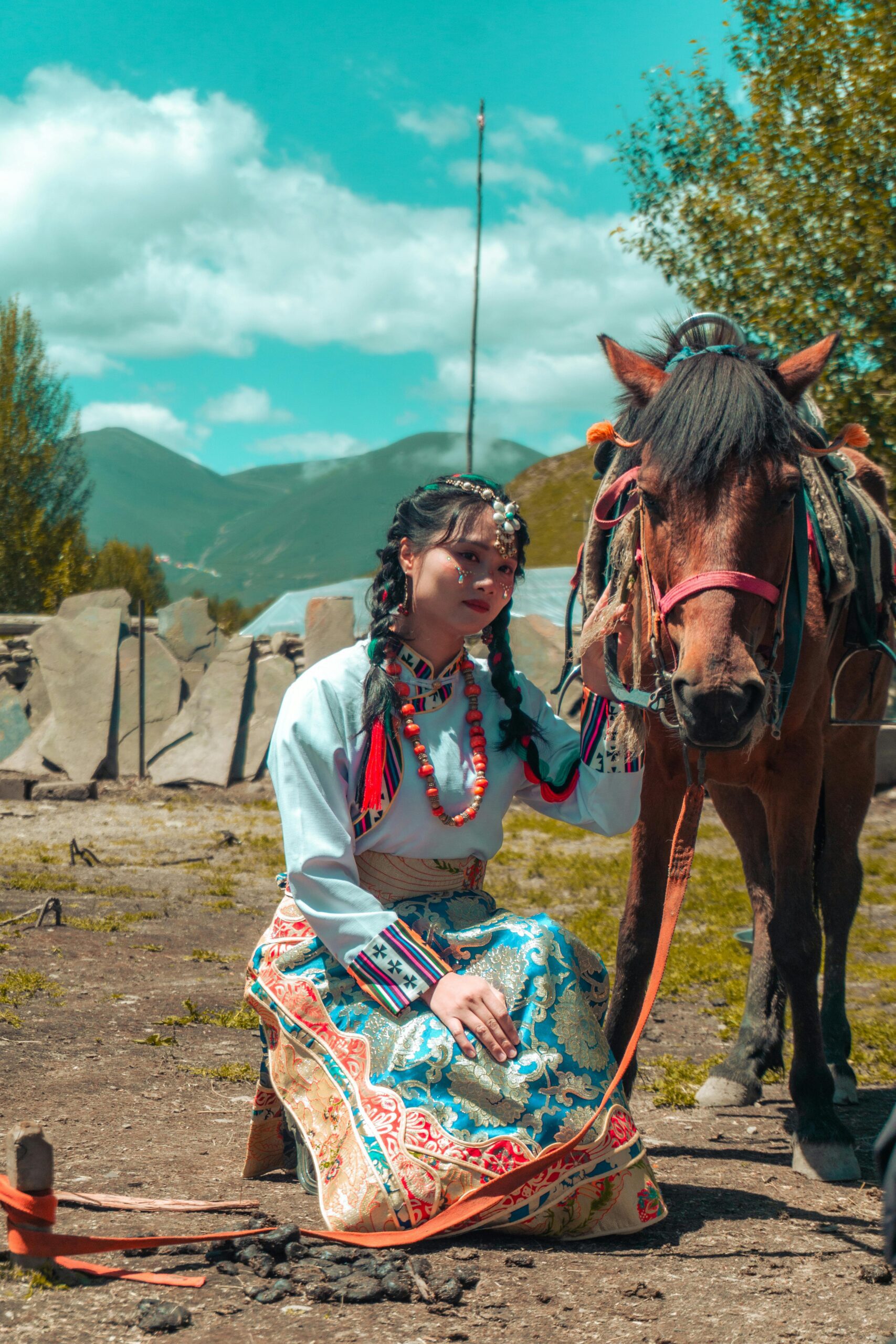
In Tibet, the Year of the Horse is considered especially auspicious for visiting Mount Kailash.
Here, we focus on practical implications for timing.
Spiritual Significance and Peak Demand
Because 2026 is a Horse Year:
- Many pilgrims will specifically target:
- The main season months (May–June and September–October), and
- Key festival dates such as Saga Dawa (often in May/June).
Result: expect higher demand for:
- Group tour seats on your 15‑day Kailash group tour.
- Permits and logistical arrangements in peak months.
- Accommodation around Lake Manasarovar and on the kora.
Booking Earlier Than Usual
In a “normal” year, booking 45–60 days in advance can be enough for many Yatras. In 2026, especially for:
- May, June, September, and
- any departure around major spiritual dates,
it is wise to:
- Start planning several months ahead,
- Secure your place on a tour (like your 15‑day small group Kailash itinerary), and
- Coordinate permits and visas early to avoid disappointment.
Balancing Merit and Safety
While Horse‑Year symbolism is powerful, it’s important to remember:
- The mountain and passes will not become less high or less cold because of the calendar.
- Weather and altitude risks remain exactly the same.
The safest and most spiritually coherent way to plan is:
- Choose one of the proven good windows (May–June or September–early October).
- Then, within that window, look for:
- Festival dates or auspicious calendar days.
- Itineraries that allow proper acclimatization (e.g., starting in Lhasa, then gradually moving west, as your Kailash & Ngari tour suggests,).
How Weather Affects the Kailash Kora: Difficulty and Safety
The classic Mount Kailash kora (circumambulation) is the heart of most itineraries. In your 15‑day group tour, guests spend 3 nights in a guesthouse or tent on the kora, with an activity level of 4/5, making it one of your more demanding trips,.
Altitude and Trail Conditions by Season
Regardless of the month, the kora involves:
- Multiple days at very high altitude.
- One major high pass (Dolma‑La), often the most physically demanding section.
- Long walking days with simple accommodation options.
Seasonal weather modifies how challenging this feels:
- April & late October:
- Greater chance of snow and ice on the trail and pass.
- Colder temperatures make it more strenuous; risk of slippery sections.
- May–June & September (prime seasons):
- Generally drier, more stable conditions.
- Still cold at night, but daytime trekking is more manageable.
- July–August:
- Warmer, but increased rain and mud can make paths slippery and tiring.
- Cloud cover can reduce visibility and make navigation more reliant on guides.
Choosing a good month won’t remove altitude challenges but will help keep them within a safer, more predictable range.
Acclimatization and Health: Why You Shouldn’t Rush
Your Kailash tours are designed to start in Lhasa and move gradually west, often combining sites like Everest Base Camp and sacred lakes before reaching Kailash,. This serves a crucial purpose:
- Allows your body to acclimatize step‑by‑step.
- Reduces the risk of acute mountain sickness (AMS).
- Gives you time to adjust mentally and physically before the kora.
Regardless of the month, you should:
- Plan a multi‑day approach through Tibet rather than attempting a rushed arrival.
- Stay well hydrated and avoid over‑exerting yourself in the first days.
- Consult your doctor before travel about high‑altitude readiness.
Good timing plus a gradual itinerary, like those ExperienceTibet offers, is one of the safest ways to approach Kailash,.
Essential Gear by Season (Brief Overview)
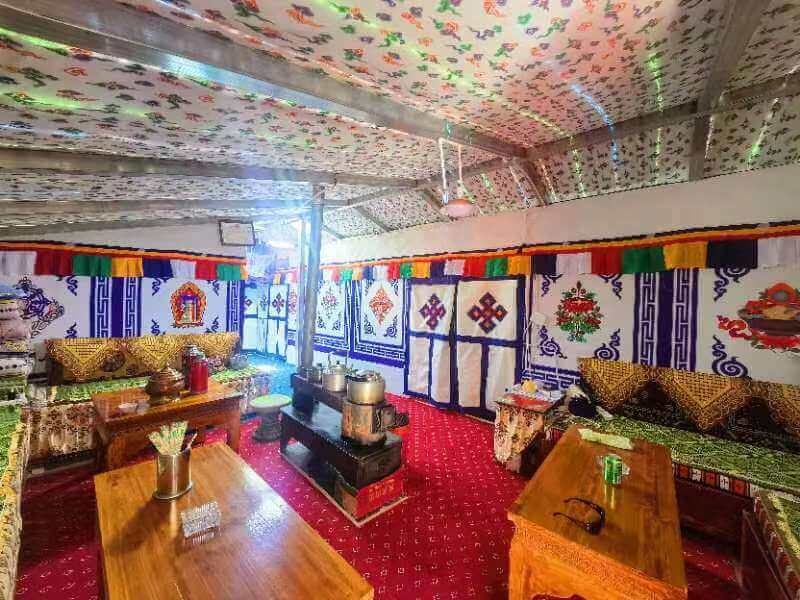
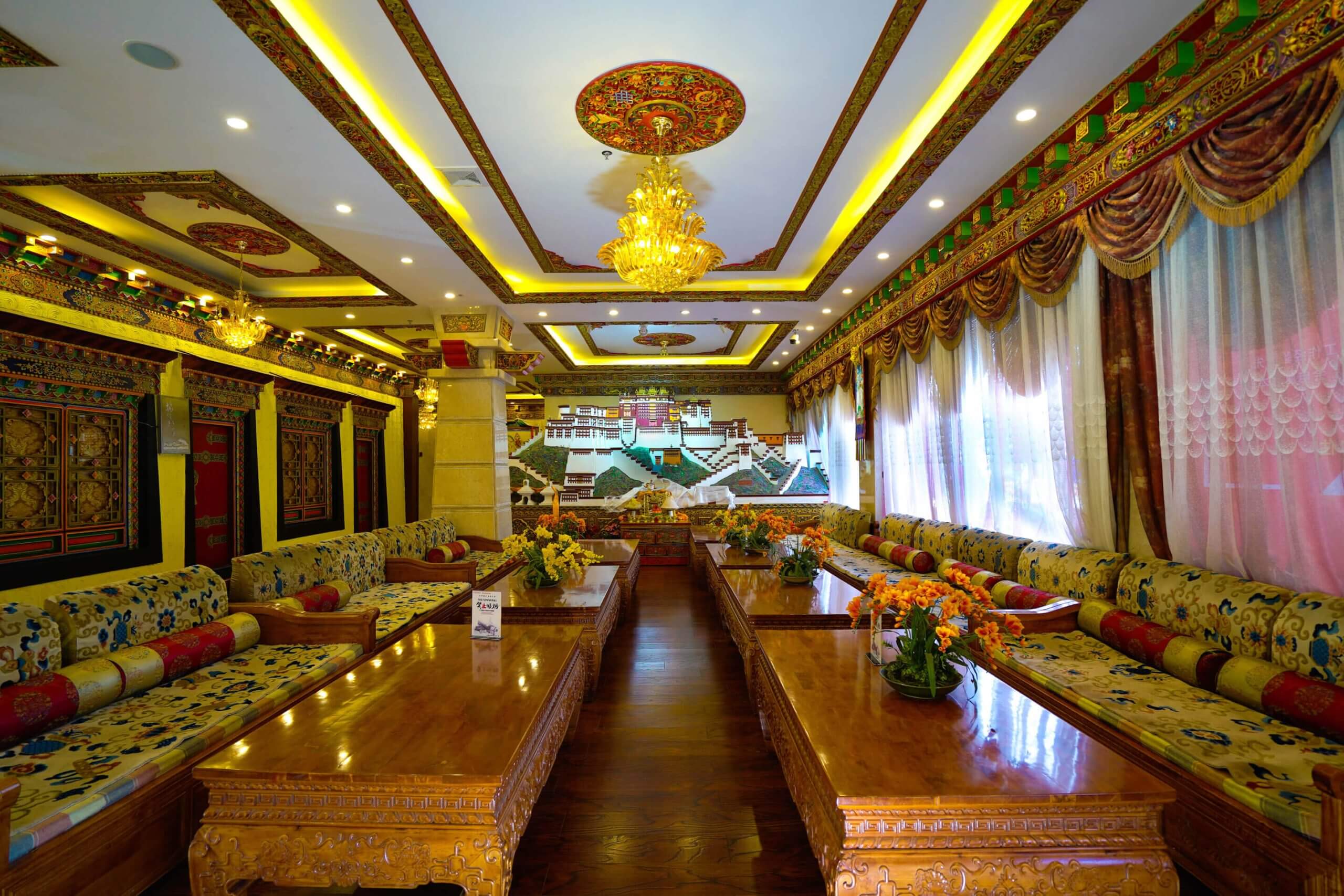
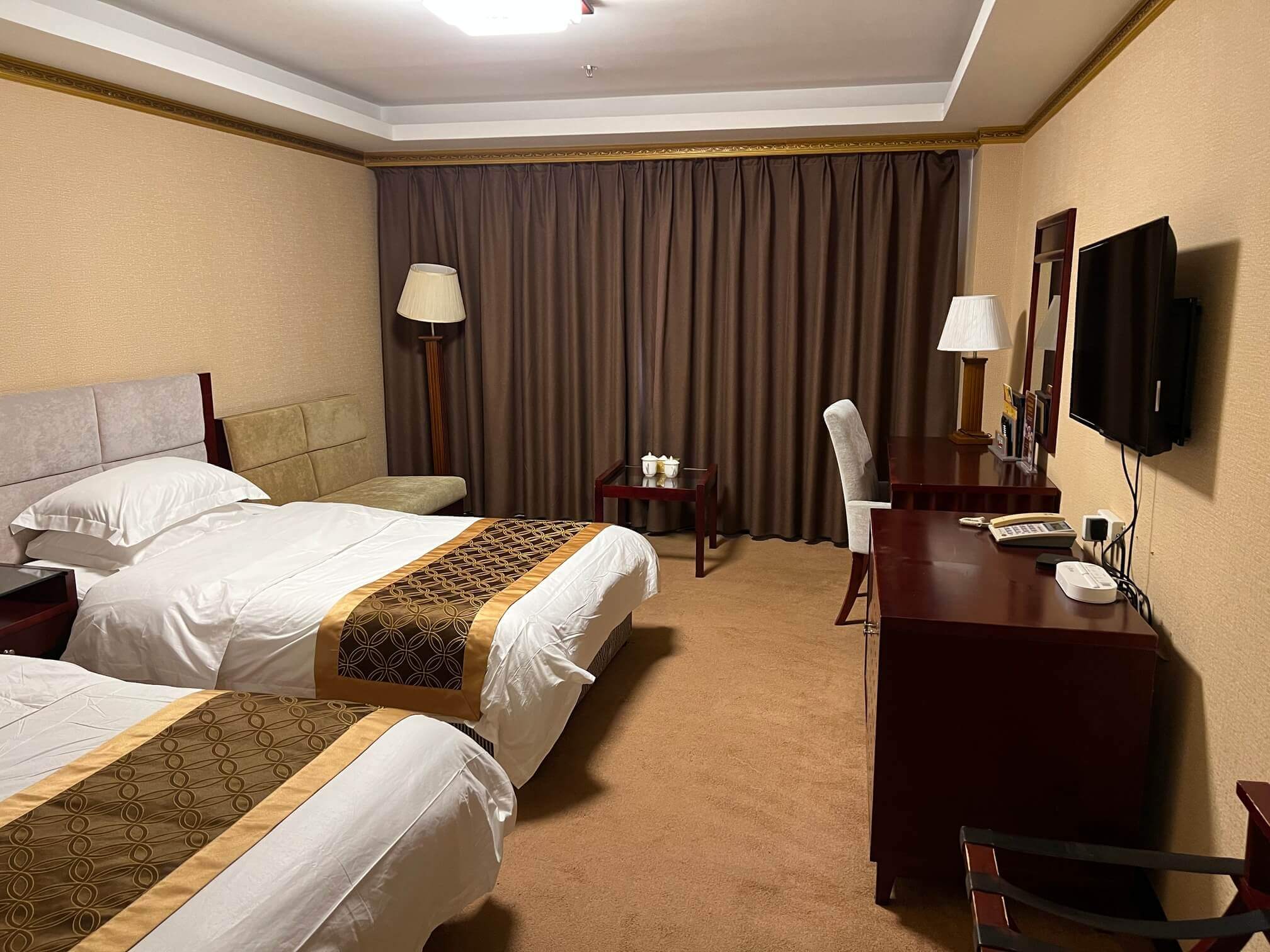
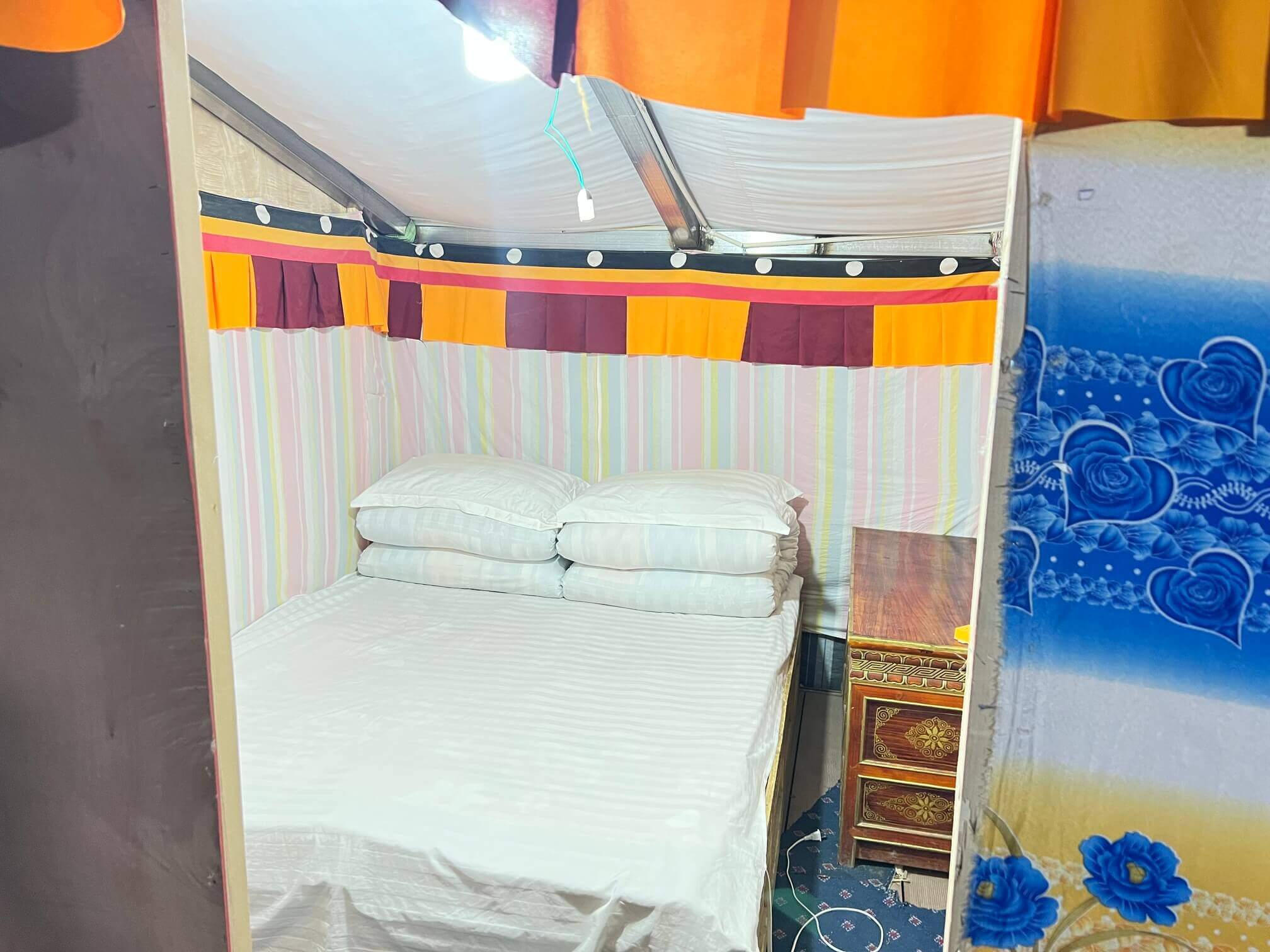
Your 15‑day Kailash tour provides 11 nights in comfortable 3/4‑star hotels and 3 nights in dorm/guesthouse or tent, so your packing should cover both comfort and simplicity:





- Core items for all seasons:
- Solid trekking boots with good grip.
- Thermal base layers, fleece or insulated mid‑layer, and a windproof/waterproof shell.
- Warm hat, gloves, and sun hat.
- Sunglasses and high‑SPF sunscreen.
- Refillable water bottle and basic first‑aid/medication.
- Extra focus by season:
- April & late October: heavier insulation, extra gloves and socks.
- May–June & September: layered system (mornings and evenings cold, afternoons milder).
- July–August: reliable rain gear, quick‑drying clothing, and possibly lighter mid‑layers.
For a fully detailed packing list, it’s best to consult your main Kailash & Ngari adventure guide, where you can go deeper into gear recommendations.
Frequently Asked Questions About the Best Time to Visit Mount Kailash in 2026
What is the overall best month to visit Mount Kailash in 2026?
For most travelers, the single best month is often September:
- Post‑monsoon clarity, with very good visibility.
- Generally stable weather and relatively dry trails.
- Not yet into the harshest cold of late autumn.
However, May, June, and early October are also excellent options, especially if you want to align with festivals or avoid the height of Horse‑Year crowds in September.
Is July or August a good time for Kailash Mansarovar Yatra?
July and August are possible but not ideal:
- Pros:
- Warmer temperatures, which can be more comfortable at night.
- Cons:
- Greater chance of rain, cloud, and muddy trails.
- Risk of landslides or temporary road issues.
- Less reliable visibility of Mount Kailash.
If you have no choice but to travel in these months, make sure you’re prepared for more variable conditions and remain flexible with your expectations.
Can I visit Mount Kailash in winter?
For most visitors, no:
- Winter (November to March) brings very low temperatures, snow and ice, and frequent closures or dangers on roads and passes.
- Many guesthouses and services close, and standard Kailash tours do not operate.
Only expedition‑level travelers with specialized support should even consider winter—and it is generally not recommended.
How far in advance should I book a Kailash Yatra in 2026?
Because 2026 is a Year of the Horse, demand will be higher than usual, especially for May, June, and September:
- Ideally, start planning several months in advance.
- For peak dates and group tours, aim to secure your place at least 2–3 months before your intended departure.
- This allows time to arrange:
- Tibet permits (handled by your agency).
- Flights or trains into Tibet.
- Any Chinese visa and related paperwork.
Early planning is particularly important if you want to join a small group Kailash tour like your 15‑day itinerary, where group size is limited to maintain quality,.
When is the best time to see Saga Dawa at Kailash?
The Saga Dawa festival usually falls in late May or June, based on the Tibetan lunar calendar. It is one of the most important celebrations of Tibetan Buddhism, commemorating the Buddha’s birth, enlightenment, and parinirvana.
- Best timing: Plan your Kailash trip in late May or June 2026 to overlap the festival period.
- Considerations:
- Expect more pilgrims on the route and at Lake Manasarovar.
- Book early to secure spaces on tours and in accommodations.
Planning Your 2026 Kailash Mansarovar Trip With ExperienceTibet
Use the Kailash & Ngari Adventure Guide as Your Next Step
This article has focused on when to visit. For the what and how, your main resource is:
- “Tibet Kailash Tours, Your Complete Guide to Mount Kailash and Ngari Adventure” – which outlines:
- Different Kailash itineraries.
- How the 15‑day group tour is structured (Lhasa, Everest, Manasarovar, Kailash kora).
- What’s included (hotels, guesthouses, meals, transfers, permits) and the overall experience,.
Combine Best Time Advice With Routes and Permits
For more specific planning:
- From India:
- Use “How to Reach Mount Kailash from India – All Routes, Permits and the Easiest Way to Go” for:
- Detailed route options via Nepal or China.
- Permit and visa steps specific to Indian travelers.
- Use “How to Reach Mount Kailash from India – All Routes, Permits and the Easiest Way to Go” for:
- For Horse‑Year pilgrims in 2026:
- Use “2026 – The Year of the Horse: A Once‑in‑12‑Years Mount Kailash Pilgrimage Tour” for:
- Spiritual explanations of why 2026 is special.
- Suggestions on aligning your kora with key dates and auspicious cycles.
- Use “2026 – The Year of the Horse: A Once‑in‑12‑Years Mount Kailash Pilgrimage Tour” for:
Talk to a Tibetan Travel Advisor About Your Ideal Month
Finally, the most effective way to refine your timing is to speak directly with a local Tibetan advisor:
- Share:
- Your preferred year (2026) and month options.
- Whether you are more focused on pilgrimage, trekking, or photography.
- Any constraints (holidays, school vacations, or work schedules).
- Your advisor at ExperienceTibet can then:
- Confirm the best month for your priorities.
- Suggest the right tour length and route (e.g., the 15‑day Kailash group tour with Everest Base Camp and Lake Manasarovar),.
- Coordinate permits, logistics and acclimatization so that you use your chosen window safely and effectively.
You can reach them through the contact options on your main site and tours pages (phone/WhatsApp/WeChat/email).
In 2026, Mount Kailash and Lake Manasarovar will draw pilgrims, trekkers, and seekers from all over the world, especially because it is a Year of the Horse, a once‑in‑12‑years opportunity in Tibetan tradition. By understanding the seasonal patterns, choosing May–June or September–early October, and planning with experienced Tibetan guides, you can turn this rare year into a journey that is not only powerful and meaningful, but also safe, well‑timed and deeply memorable.