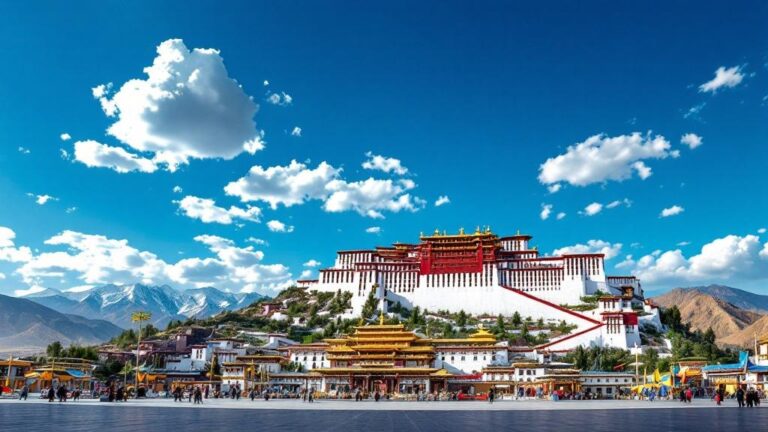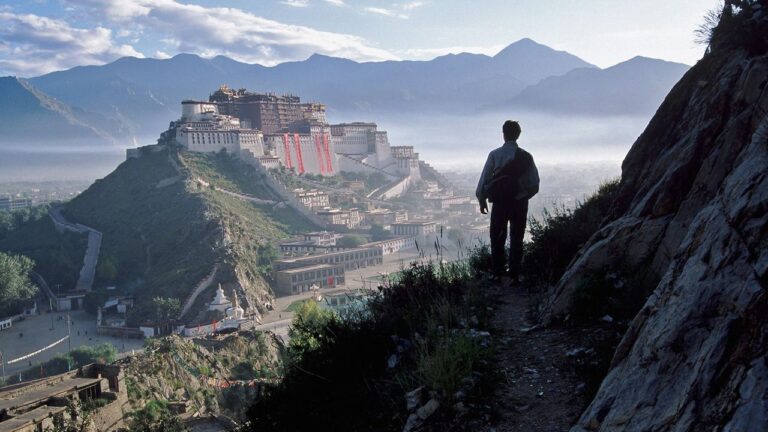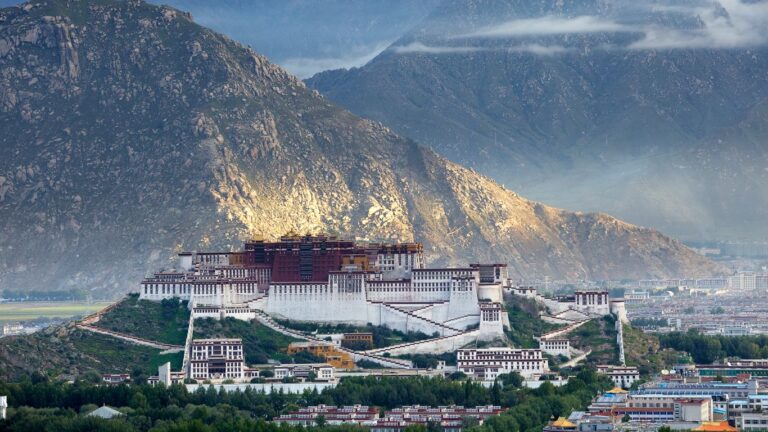

Planning to travel from Nepal to Tibet and enter China from the Himalayan side? The Nepal–Tibet route is one of the most spectacular ways to reach the Tibetan Plateau, with dramatic overland scenery, high passes, and the chance to stand at Everest Base Camp before continuing to Lhasa.
This updated Nepal Tibet travel guide explains:
- Where Nepal and Tibet are located – and clears up confusion like “is Nepal in Tibet?”
- Exactly how far Tibet is from Nepal and what that distance means in real travel time
- How to get to Tibet from Nepal – overland vs. flight
- Current border, visa and permit requirements
- How to visit Tibet from Nepal in a safe, well‑paced way, with a recommended small‑group itinerary:
1. Nepal and Tibet: Where Are They, and How Are They Related?
Many travelers search for things like “is Nepal in Tibet”, “is Nepal Tibet”, or “where is Nepal and Tibet”. It’s important to understand the basics before planning a Tibet Nepal trip.
- Nepal is an independent country in South Asia, bordered by India to the east, south and west, and by China to the north. Its capital is Kathmandu.
- Tibet (Tibet Autonomous Region) is a region of China, located on the high Tibetan Plateau north of the Himalayas. Its capital is Lhasa.
So:
- Is Nepal in Tibet? No. Nepal is not in Tibet – they are two different places.
- Is Nepal Tibet? / Nepal in Tibet? No. Nepal is an independent country; Tibet is an autonomous region within China.
- Is Nepal near Tibet? Yes. Nepal and Tibet share a long Himalayan border, and the China–Nepal border is where overland travelers cross between the two.
When people talk about “Nepal Tibet” or “Tibet and Nepal” travel, they mean combining both destinations in one Himalayan journey – usually starting in Kathmandu and ending in Lhasa, or the other way round.
2. How Far Is Tibet from Nepal?
If you are wondering how far Tibet is from Nepal, you’re usually thinking about the classic route between Kathmandu (Nepal) and Lhasa (Tibet).
- By road, traveling via the Gyirong border (also written Kyirong) and the Sino–Nepal Friendship Highway, the total distance between Kathmandu and Lhasa is around 1,300 km.
- This is not a direct, flat highway: it involves mountain roads, high passes and stops in places like Kyirong, Tingri, Shigatse and Yamdrok Lake, which is why it takes several days.
In practice:
- You do not drive 1,300 km in a single day. A well‑designed tour stretches this distance over 6–7 days with acclimatization stops and sightseeing – for example, the .
So when you ask “how far is Tibet from Nepal?”, the answer is:
- It’s roughly 1,300 km overland between Kathmandu and Lhasa, crossing the Himalayas, and you should plan about a week for a comfortable journey including sightseeing and acclimatization.
3. How to Get to Tibet from Nepal (2025)
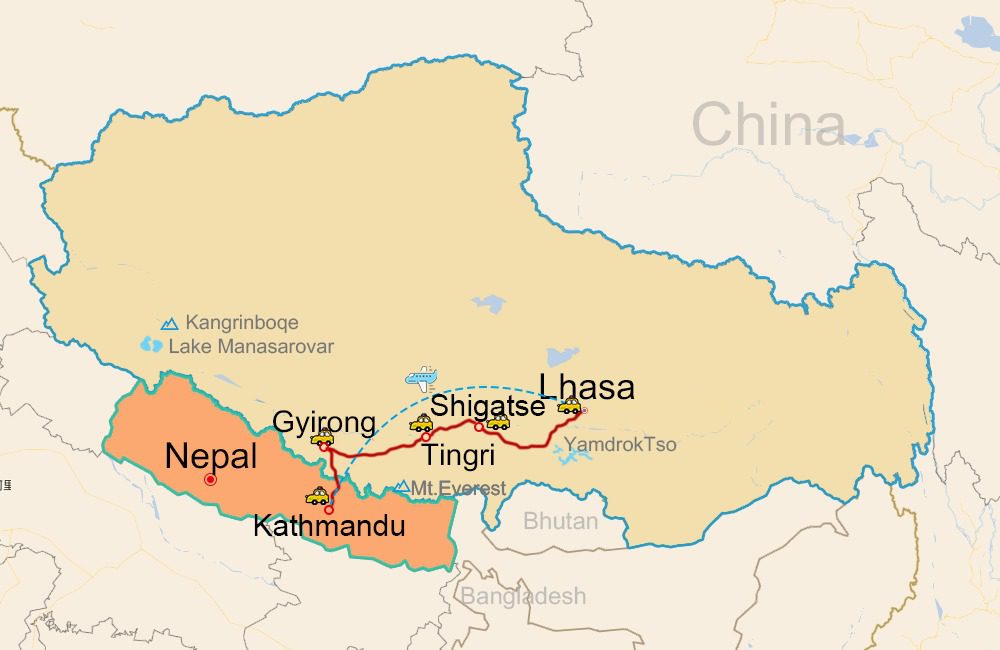
Your existing article already summarizes this clearly: you have two main options to travel from Nepal to Tibet – overland or by air. Below we expand and structure this for search intent like “how to get to Tibet from Nepal” and “visit Tibet from Nepal”.
3.1 Overland: Nepal to Tibet via Gyirong Border
The classic overland Nepal–Tibet journey is:
- Drive from Kathmandu to the China–Nepal border
- You leave Kathmandu and travel by road towards the border area (now via the Gyirong Port route).
- The scenery already becomes mountainous as you get closer to the frontier.
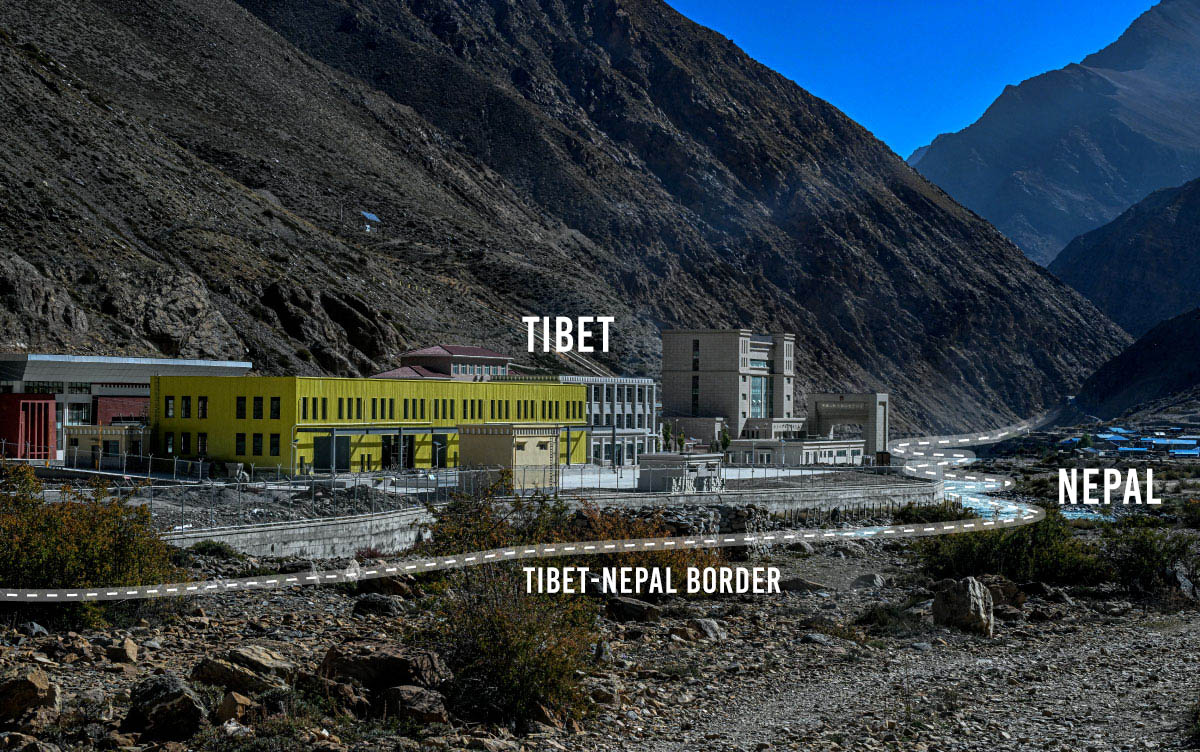
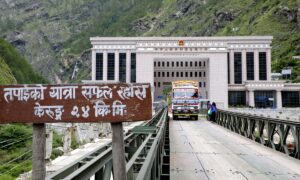
- Cross the Nepal–China border (Gyirong Port)
- This is currently the main land border crossing between Tibet and Nepal.
- On the Chinese side, you are formally entering Tibet (China), so proper China visa and Tibet permits are required.
- Continue overland from Kyirong through Tibet to Lhasa
- After the border, you travel through Kyirong Valley and then on to Everest Base Camp, Tingri, Shigatse, Yamdrok Lake and finally Lhasa.
- This is the route featured in the 8‑Day Himalayan Adventure from Nepal to Tibet (Lhasa).
Your original blog rightly notes that this is not a short trip: doing the vast distance between Kathmandu and Lhasa overland means “you’ll rack up around 1,300 kilometers”. Many travelers also start in Lhasa and end in Kathmandu (Tibet to Nepal), but the reverse direction – Nepal to Tibet – is just as popular.
Why choose the overland route?
- You see more of Tibet’s landscapes, including Everest region, high passes, and turquoise lakes.
- You gradually gain altitude with acclimatization stops – reducing the risk of altitude sickness compared with flying directly into Lhasa.
- You can experience both Tibet and Nepal in one continuous journey.
If you want a fully organized way to visit Tibet from Nepal overland, the small‑group follows exactly this route, starting from the Nepal side and ending in Lhasa.
3.2 Flights: Kathmandu to Lhasa
If you want the fastest connection between Tibet and Nepal, there is also a direct flight from Kathmandu to Lhasa.
Key points from your current article:
- The Kathmandu–Lhasa route is the only international flight connection at Lhasa Gonggar International Airport.
- It is operated by Air China and Sichuan Airlines.
- Flight time is around 90 minutes.
- Transfer from Lhasa Gonggar Airport to downtown Lhasa can take a similar amount of time as the flight itself.
However, there’s an important health consideration:
- Even though Kathmandu is already at some altitude, flying directly to Lhasa means a rapid jump in elevation, which can increase the risk of altitude sickness. Overland routes via Kyirong allow more gradual acclimatization.
Use the flight option if:
- You are short on time, and your priority is Lhasa city and nearby attractions.
- You are prepared to manage high‑altitude adaptation more carefully on arrival.
3.3 Is There a Train from Nepal to Tibet?
Your existing post states this very clearly: there is no train connection between Nepal and Tibet.
- There have been plans and discussions about a future rail link, which explains why some travelers search for “Tibet train to Nepal” or “Tibet to Nepal train”.
- As of the latest information in your article, the rail link is still in the planning stage, with no concrete completion date.
So at the moment, for Tibet Nepal travel by land, you rely on road transport, not trains.
4. Visas and Permits for a Nepal–Tibet Trip
If you plan to enter Tibet from Nepal, you must respect both China’s visa rules and Tibet’
s special permit system. Your blog already lists four key documents:
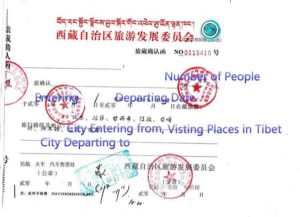
4.1 Tibet Travel Permit (TTB Permit)
- Mandatory for all foreign travelers entering the Tibet Autonomous Region.
- Issued by the Tibet Tourism Bureau.
- You cannot board a flight or cross into Tibet without it.
- Must be arranged through a licensed Tibet travel agency (such as Experience Tibet).
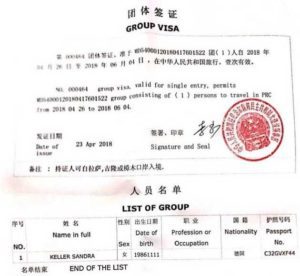
4.2 China Group Visa (for entry via Nepal)
If you visit Tibet from Nepal (instead of from mainland China), you do not use a standard individual China visa. Instead:
- You need a China Group Visa, issued by the Chinese Embassy in Kathmandu.
- It is a special visa for foreigners entering Tibet from Nepal, and it replaces any existing China visa you might already hold.
- Your Tibet agency coordinates the invitation documents and application; you collect the visa in Kathmandu before crossing the border or flying.
4.3 Alien Travel Permit
- Because the Nepal–Tibet overland route passes through several prefectures outside Lhasa – such as Shigatse – you must obtain an Alien Travel Permit.
- This permit allows you to visit regions beyond Lhasa city, including highlights on the Friendship Highway.
4.4 Tibet Border Pass
- Required specifically to cross the Nepal–China border at Gyirong.
- Issued in Tibet and arranged through your travel agency.
In short:
- Independent travel is not allowed in Tibet – you must join an organized tour with a licensed agency, which will handle all these documents on your behalf.
- A package like the includes application for the Tibet Travel Permit and provides guidance about the China Group Visa.
5. What Is the Overland Nepal–Tibet Journey Really Like?
Your original post highlights that the Sino–Nepal Friendship Highway makes it possible
to include Everest Base Camp, Shigatse, and monasteries on the way between Tibet and Nepal. The new 8‑Day Himalayan Adventure from Nepal to Tibet (Lhasa) page provides even more detail on how this looks day by day.
Here is a practical example to illustrate what a Nepal–Tibet overland itinerary can include.
5.1 Sample Itinerary: 8‑Day Himalayan Adventure from Nepal to Tibet (Lhasa)
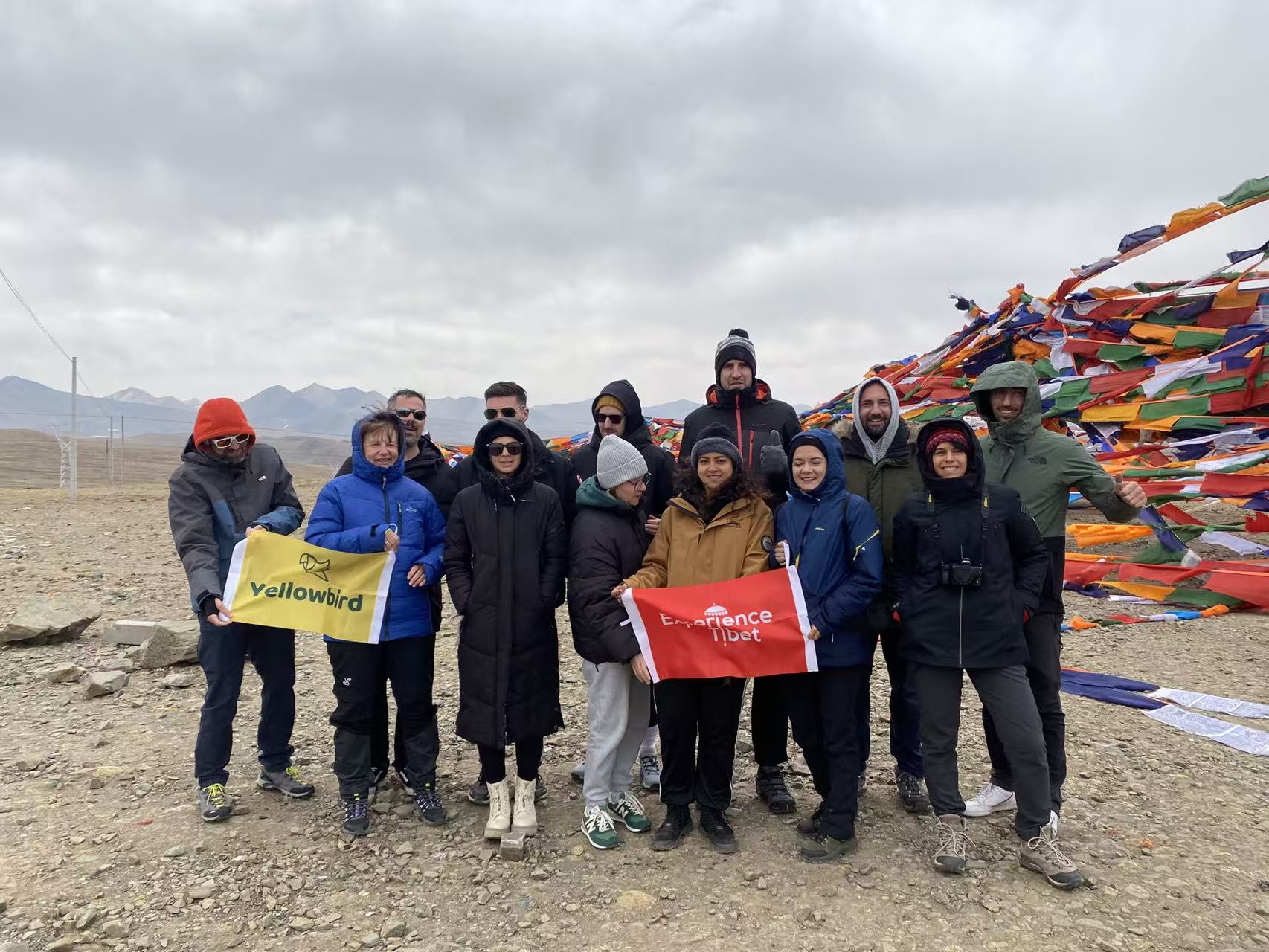
The is a small‑group tour (4–13 participants) designed exactly for travelers who want to go from Nepal to Tibet via the China–Nepal border.
Route: Kathmandu → Nepal–China Border → Kyirong → Everest Base Camp → Tingri → Shigatse → Gyantse → Yamdrotso Lake → Lhasa.
Key points and highlights:
-
Day 1 – Kathmandu to Nepal Border
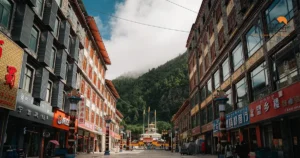
Scenic drive from Kathmandu to the China–Nepal border, with views of snow‑capped mountains and forests. Overnight in the border town to prepare for entry into Tibet. -
Day 2 – Kyirong (2,800 m) Acclimatization
Cross into Tibet and spend the day in the stunning Kyirong Valley, visiting a chain bridge and walking through local villages, giving your body time to adjust to the altitude. -
Day 3 – Kyirong → Everest Base Camp → Tingri
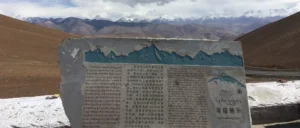
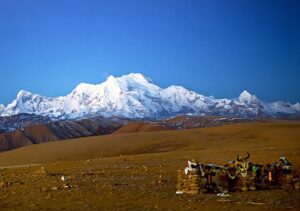
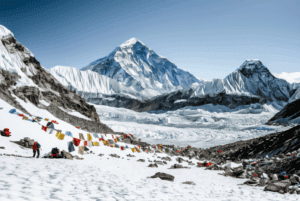
Travel toward Everest Base Camp (5,200 m), passing by Pekutso Lake and Shishapangma Peak. From Gawula Viewpoint, you can see a panorama of several of the world’s highest peaks, including Mount Everest. Overnight in Tingri. -
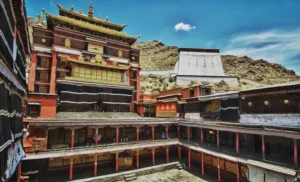
Day 4 – Tingri → Shigatse
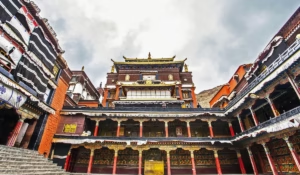
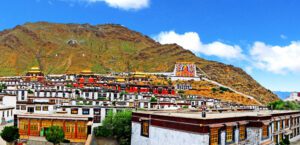
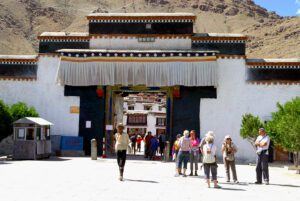
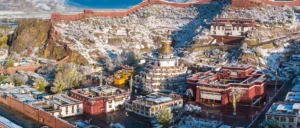
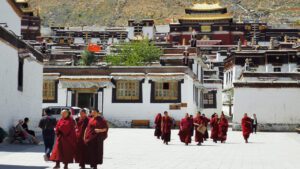
Drive to Shigatse, Tibet’s second largest city. Visit Tashilhunpo Monastery, the traditional seat of the Panchen Lama. -
Day 5 – Shigatse → Gyantse → Yamdrotso Lake → Lhasa
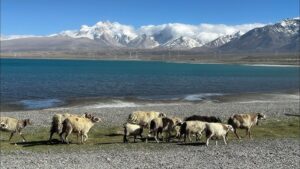
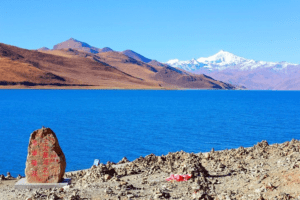
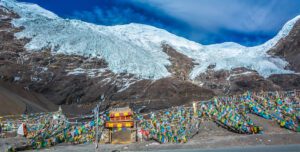
Continue via Gyantse to visit Pelkor Monastery, then pass the spectacular Karola Glacier and the turquoise waters of Yamdrotso Lake. Enjoy a local farmhouse lunch with a Tibetan family before reaching Lhasa. -
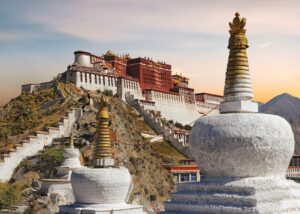
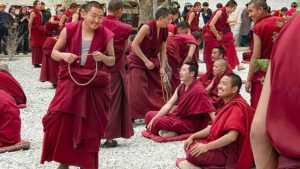
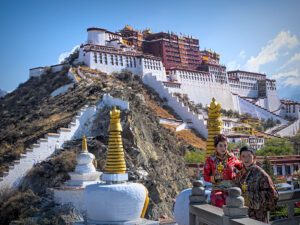
Days 6–7 – Lhasa City Sightseeing
Explore Drepung Monastery and Sera Monastery (including the famous m -
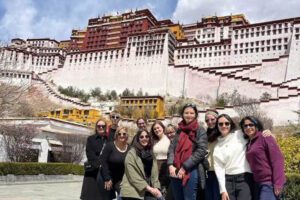
onks’ debate) one day, then Potala Palace, Jokhang Temple and Barkor Street the next, with time in a local sweet‑tea house.
-
Day 8 – Departure from Lhasa
After a final breakfast, transfer to Lhasa Airport or train station for your onward journey.



Tour inclusions (as listed on the tour page):
- Application for Tibet Travel Permit.
- Tibetan English‑speaking guide.
- Accommodation in 3–4* hotels (plus a tent guesthouse at Everest Base Camp) with breakfast.
- Transportation throughout the tour.
- Entrance fees (including Mount Everest eco car), oxygen supply, travel insurance, some meals (e.g., farmhouse lunch, farewell dinner).
This itinerary is a concrete answer to the question “how to get to Tibet from Nepal” if you want a comprehensive Nepal Tibet overland experience rather than just a flight.
6. Nepal or Tibet First? Which Direction Is Better?
Another common search pattern is “Nepal or Tibet” – as in, which destination should come first on your trip?
Both directions – Tibet to Nepal and Nepal to Tibet – are possible and featured in Experience Tibet’s tours:
- 7‑Day Tibet to Nepal Overland Tour (Lhasa to the Himalayas) – starting in Lhasa, finishing in Kathmandu.
- 8‑Day Himalayan Adventure from Nepal to Tibet (Lhasa) – starting in Kathmandu, finishing in Lhasa.
Advantages of starting in Nepal and going to Tibet:
- You can adjust in lower altitudes around Kathmandu and then gradually move up via Kyirong and Tingri.
- The journey feels like a “climb” toward the roof of the world, culminating in Lhasa.
- Logistics of the China Group Visa are centralized in Kathmandu, where you’re already based before crossing.
Advantages of starting in Tibet and going to Nepal:
- You can explore Lhasa and central Tibet first and then descend towards lower altitudes in Nepal.
- This fits well if you are already in mainland China and want to exit overland to Nepal.
There is no absolute “best” choice; it depends on your wider Asia itinerary. But if your main question is “how to get to Tibet from Nepal”, and you’d like a ready‑made solution, the is designed exactly for that direction.
7. In a Nutshell: How to Travel to Tibet from Nepal or Vice Versa
Your original article ends with a simple summary: “You have two options: taking a flight or going for the overland route.”
To recap:
- Overland route (recommended for scenery and gradual acclimatization)
- Kathmandu → China–Nepal border → Kyirong → EBC → Tingri → Shigatse → Yamdrotso Lake → Lhasa.
- Requires Tibet Travel Permit, China Group Visa, Alien Travel Permit and Border Pass.
- Best done with an experienced Tibet travel agency and a structured itinerary such as the 8‑Day Himalayan Adventure from Nepal to Tibet (Lhasa).
- Flight route (fastest, higher altitude risk)
- Direct Kathmandu–Lhasa flight (Air China or Sichuan Airlines), about 90 minutes.
- Also requires Tibet permit and China Group Visa arranged through your agency.
In both cases, foreign travelers cannot travel independently in Tibet and must join an organized tour with a licensed agency.
8. Why Choose the 8‑Day Himalayan Adventure from Nepal to Tibet (Lhasa)?
If your main intent is to visit Tibet from Nepal and you’re looking at countless options for Tibet and Nepal routes, there are several reasons to consider Experience Tibet:
- Designed for the Nepal → Tibet direction – no need to stitch together separate “Nepal” and “Tibet” services.
- Small group size (4–13 people) – more personal than large bus tours.
- All major permits handled – Tibet Travel Permit, guidance for China Group Visa, Alien Travel Permit and border arrangements.
- Iconic highlights in one trip:
- China–Nepal border & Kyirong Valley
- Everest Base Camp and Gawula Viewpoint
- Shigatse & Tashilhunpo Monastery
- Karola Glacier, Yamdrotso Lake & Gyantse Pelkor Monastery
- Lhasa’s Potala Palace, Jokhang Temple, Drepung and Sera monasteries
- Comfort & safety:
- 3–4* hotels; tent guesthouse at EBC.
- Oxygen supply and altitude support included.
- Travel insurance and a Tibetan English‑speaking guide.
If you’re comparing “Nepal or Tibet” as standalone destinations, this itinerary lets you enjoy both – starting in Nepal’s valleys and ending in Tibet’s spiritual capital.


Frequently Asked Questions: Travel from Nepal to Tibet
1. Where are Nepal and Tibet? Are they the same country?
No. Nepal and Tibet are not the same and one is not inside the other.
- Nepal is an independent country between India and China, with Kathmandu as its capital.
- Tibet (Tibet Autonomous Region) is part of China, located north of Nepal on the high Tibetan Plateau, with Lhasa as its capital.
So the answer to questions like “is Nepal in Tibet?”, “is Nepal Tibet?” or “Nepal in Tibet?” is: no – Nepal and Tibet are neighboring but separate.
2. Is Nepal near Tibet?
Yes. Nepal is very near Tibet and the two share a long Himalayan border. The main crossing used by tourists is the China–Nepal border at Gyirong Port, which connects the Kathmandu region with Tibet’s Kyirong Valley. This is the starting point for many overland Tibet–Nepal or Nepal–Tibet journeys.
3. How far is Tibet from Nepal?
When travelers ask “how far is Tibet from Nepal?”, they usually mean the distance between Kathmandu (Nepal) and Lhasa (Tibet).
- Overland via the Gyirong border and the Sino–Nepal Friendship Highway, the distance is about 1,300 km.
- Because of mountain roads and sightseeing stops, this is normally spread over several days rather than driven in a single day.
A typical small‑group itinerary, like the, takes around a week to cover this distance comfortably while visiting Everest Base Camp, Shigatse, Yamdrotso Lake and Lhasa.
4. How can I get to Tibet from Nepal?
You have two main options to get to Tibet from Nepal:
- Overland route (Kathmandu → Gyirong → Lhasa)
- Drive from Kathmandu to the China–Nepal border at Gyirong Port.
- Cross into Tibet and continue via Kyirong, Everest Base Camp, Tingri, Shigatse and Yamdrotso Lake to Lhasa.
- This is the route used by the 8‑Day Himalayan Adventure from Nepal to Tibet (Lhasa).
- Flight (Kathmandu → Lhasa)
- Take a direct Kathmandu–Lhasa flight operated by Air China or Sichuan Airlines.
- Flight time is around 90 minutes, and it is the only international air route serving Lhasa.
In both cases, foreigners must travel with a licensed Tibet agency and arrange the proper visa and permits.
5. Is there a train from Nepal to Tibet?
No. There is no train connection between Nepal and Tibet at the moment.
Plans for a future rail link have been discussed, which sometimes causes confusion, but as of the latest information in your existing article, the rail line is still in the planning stage and not yet operating. For now, travel is by road or flight.
6. What documents do I need to visit Tibet from Nepal?
To visit Tibet from Nepal, you need several documents, all of which are handled or coordinated through a Tibet travel agency:
- Tibet Travel Permit (TTB Permit) – mandatory for all foreign travelers entering the Tibet Autonomous Region.
- China Group Visa – a special visa issued by the Chinese Embassy in Kathmandu for travelers entering Tibet from Nepal.
- Alien Travel Permit – required to visit areas outside Lhasa, such as Shigatse and Everest region.
- Tibet Border Pass – needed to cross the China–Nepal border at Gyirong.
The tour includes application for the Tibet Travel Permit and provides guidance for the China Group Visa and other permits.
7. Is it better to travel Nepal → Tibet or Tibet → Nepal?
Both directions – Nepal to Tibet and Tibet to Nepal – work well, and Experience Tibet offers tours for each:
- Nepal → Tibet (e.g., the 8‑Day Himalayan Adventure from Nepal to Tibet)
- Start in Kathmandu, cross the border, gradually gain altitude via Kyirong and Tingri, visit Everest Base Camp, then end in Lhasa.
- Good for travelers who want to enter China from Nepal and see both countries in one trip.
- Tibet → Nepal (e.g., 7‑Day Tibet to Nepal Overland Tour)
- Start in Lhasa, travel through central Tibet and Everest region, then descend towards Kathmandu.
If your main question is “how to get to Tibet from Nepal”, the Nepal → Tibet direction on the 8‑day Himalayan tour is usually the most convenient choice.
8. Can I travel independently from Nepal to Tibet?
No. Independent travel is not allowed in Tibet for foreign passport holders.
Whether you travel from Nepal to Tibet or from Tibet to Nepal, you must:
- Join an organized tour with a licensed Tibet travel agency.
- Have a registered guide and pre‑arranged itinerary.
- Show your Tibet Travel Permit when boarding flights or crossing borders.
Small‑group tours like the 8‑Day Himalayan Adventure from Nepal to Tibet (Lhasa) are a popular way to keep costs reasonable while still having a professional guide and all permits handled.