Is it safe to travel to Tibet? For most foreign travelers, yes—Tibet is generally a safe destination in terms of everyday crime. The real “safety game” in Tibet isn’t pickpockets or street scams; it’s altitude, weather, long distances, and planning well so you don’t get caught out by permit checks, road conditions, or an itinerary that climbs too fast.
This guide breaks down what’s actually risky (and what’s mostly internet worry), plus a simple checklist to stay safe from the moment you land in Lhasa.
Is it safe to travel to Tibet? The short answer (and who should think twice)
For the average healthy traveler who follows a sensible itinerary, Tibet is a safe place to visit—especially on an organized route where transport, hotels, and timing are planned.
You should be extra cautious (and get medical advice) if you have:
- Serious heart or lung conditions
- A history of severe altitude problems
- A plan that jumps immediately to very high elevations without acclimatization days
If any of that sounds like you, Tibet can still be possible—but your itinerary needs to be designed around safety, not “how many highlights can I cram in.”
The #1 safety issue in Tibet: altitude (not crime)
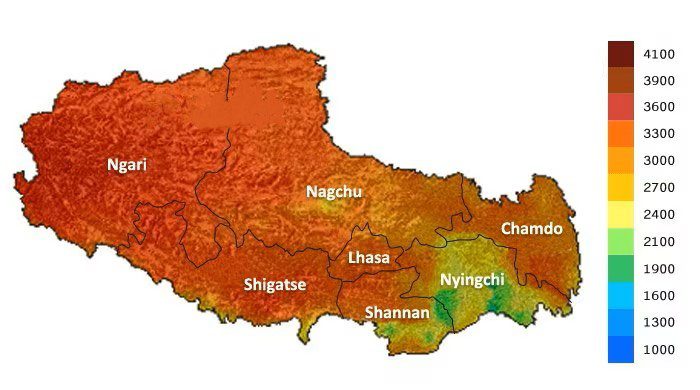
Altitude is the single biggest factor behind “Tibet went wrong” stories.
Most travelers will be fine with the right pacing, but you need to respect the numbers: a lot of Tibet travel happens most places you’ll visit in Tibet are between 3,600 and 5,000 meters above sea level.
Common altitude symptoms (what’s normal vs what’s a warning)
In the first 24–48 hours, it’s common to feel:
- Headache
- Poor sleep
- Mild nausea
- Fatigue Headache, poor sleep, mild nausea and fatigue in the first 24–48 hours.
What helps:
- Rest
- Hydrate
- Avoid alcohol early on Hydrate, rest, and avoid alcohol.
If symptoms escalate or don’t improve, you need to take it seriously and adjust the plan.
How many acclimatization days do you need in Lhasa?
A practical, safe approach is: plan 1–2 easier days in Lhasa before you go higher or do long drives.
That means: light sightseeing, early nights, no hero workouts, and no “let’s sprint up temple stairs to prove we’re fine.”
Should you take altitude medicine (Diamox)?
This is personal and you should consult your doctor, but many travelers plan ahead with common altitude-prep meds. The practical packing list often includes Diamox and ibuprofen (again: check with a medical professional). Bring medications like Diamox for altitude sickness, ibuprofen for headaches… (consult your doctor!).
Good to know: you can usually find altitude-related medicine and oxygen supplies in Lhasa as well. Many drug stores in Lhasa sell altitude medicine and oxygen bottles.
Train vs flight: which is “safer” for altitude?
- Flying to Lhasa gets you to high altitude fast, which is convenient—but it can feel like your body got “teleported” uphill.
- Taking the train gives a more gradual ascent and many travelers find it easier for acclimatization.
Neither option is automatically “unsafe”—it’s your first 48 hours in Lhasa and your itinerary design that matter most.
For a deep-dive, practical step-by-step approach, read: https://experiencetibet.org/blog/tibet-travel-how-to-handle-altitude-sickness/
Health care, oxygen, and what to do if you feel unwell
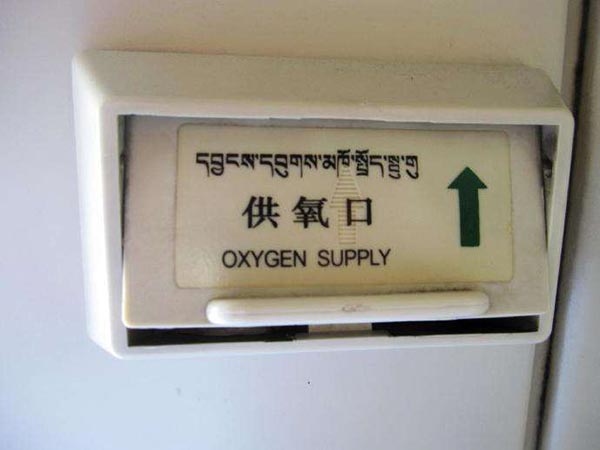
A key reality of Tibet travel: it’s remote.
- Lhasa has the best facilities in Tibet.
- Outside major cities, care can be basic, so your plan should be conservative with altitude and long drives. Outside major cities, care is basic—plan accordingly.
If you feel bad:
- Tell your guide immediately (don’t “tough it out” to be polite)
- Rest and stop ascending
- If symptoms don’t improve, the safest move is often to descend or adjust the route (your future self will thank you)
Personal security in Tibet: crime, scams, and solo travel
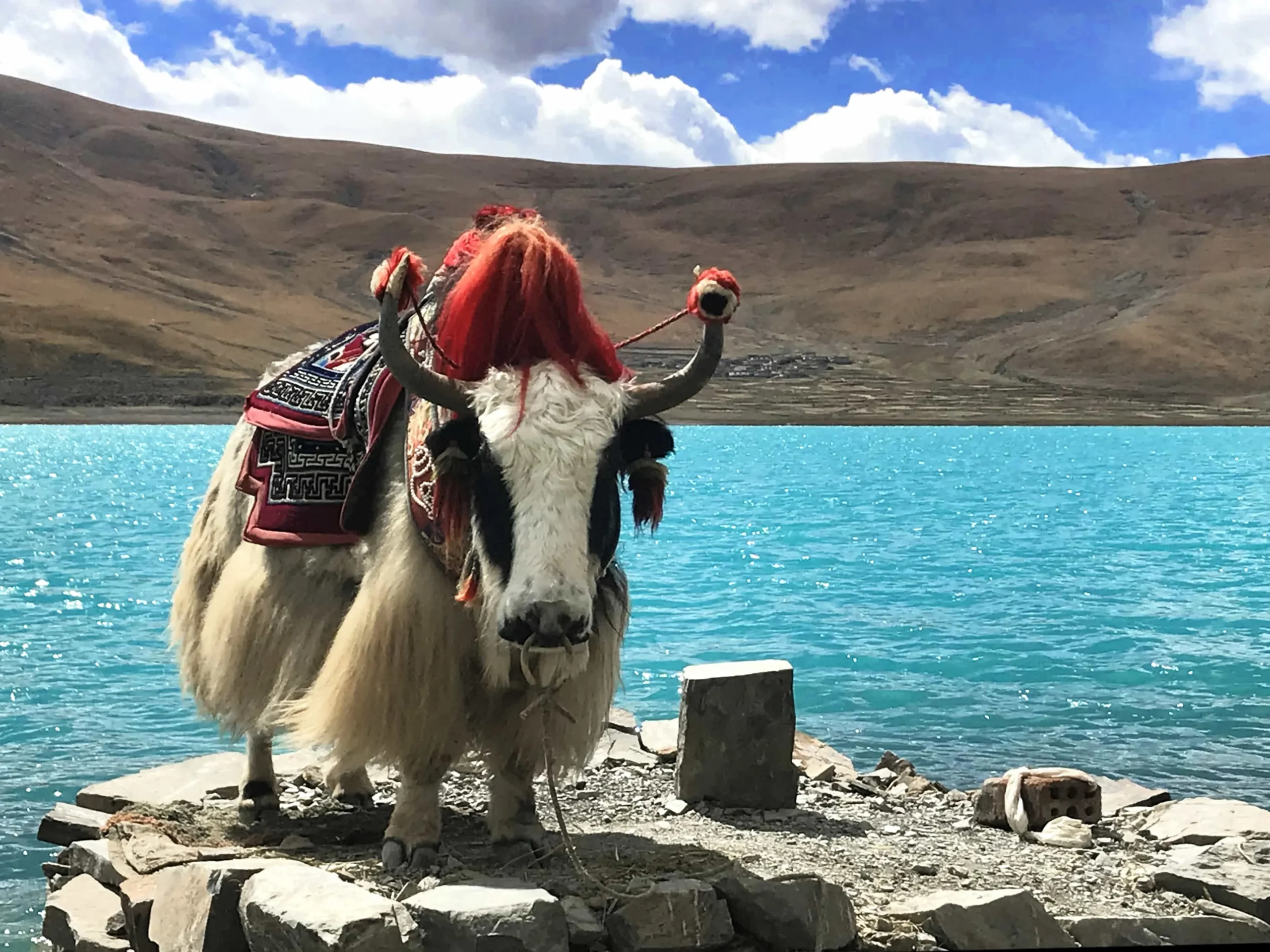
In day-to-day terms, Tibet is typically calm for visitors. Your common-sense precautions are the usual:
- Keep passport/valuables secure
- Don’t flash large cash
- Be careful in crowded areas (markets, busy squares)
- Use reputable transport arrangements
Is Lhasa safe at night?
In general, yes—especially around the central areas where travelers stay. Still: walk with awareness, avoid poorly lit backstreets late, and don’t overdo it on your first nights (because altitude + tiredness can make you sloppy).
Is it safe to travel to Tibet solo?
Foreigners generally travel in Tibet with a guide/arranged itinerary due to permit and travel rules. If your question is really “Can I go to Tibet alone without help?”—the practical answer is no. If your question is “Can I join as a solo traveler?”—yes, that’s common (especially on small group departures).
Road and weather safety: the underrated factor
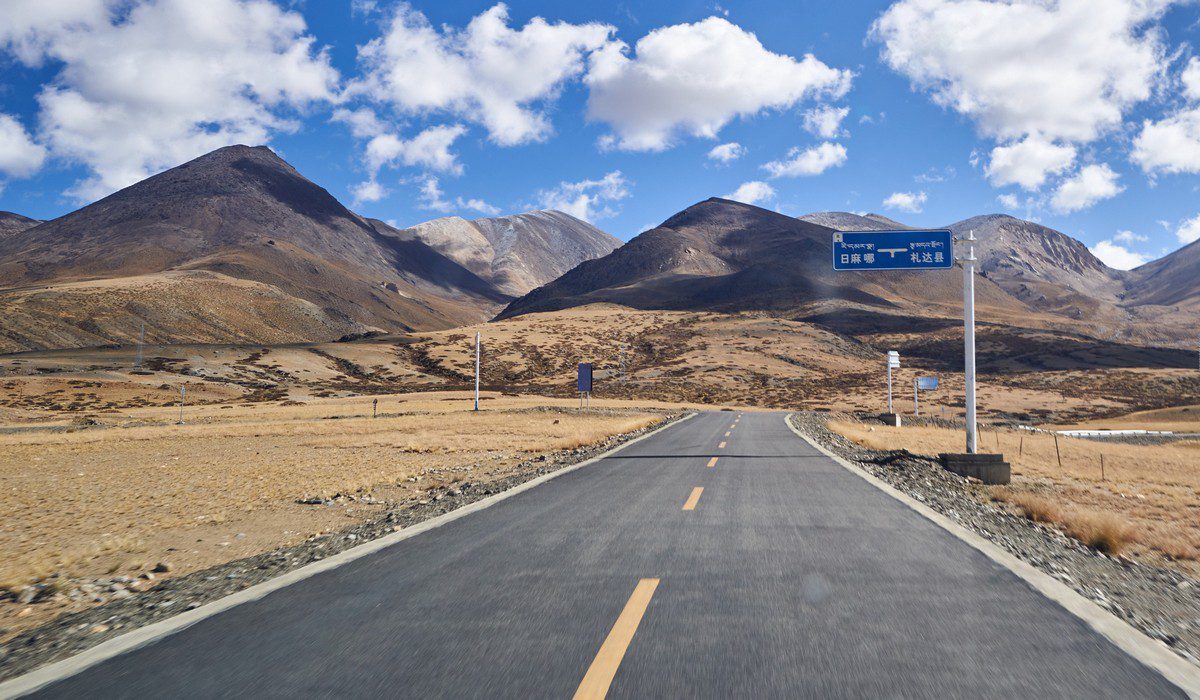
Tibet looks close on a map. It isn’t.
Safety issues on the ground often come from:
- Long driving days
- High passes
- Rapid weather changes
- Seasonal conditions
Winter vs summer: which is safer?
It depends on the route.
- Winter can mean colder temperatures and more challenging road conditions in some areas.
- Summer is warmer, but certain regions can have rain impacts.
If you’re choosing between seasons, don’t just think “best photos”—think “best road reliability for my route.”
Permits and travel rules that affect safety (and your sanity)
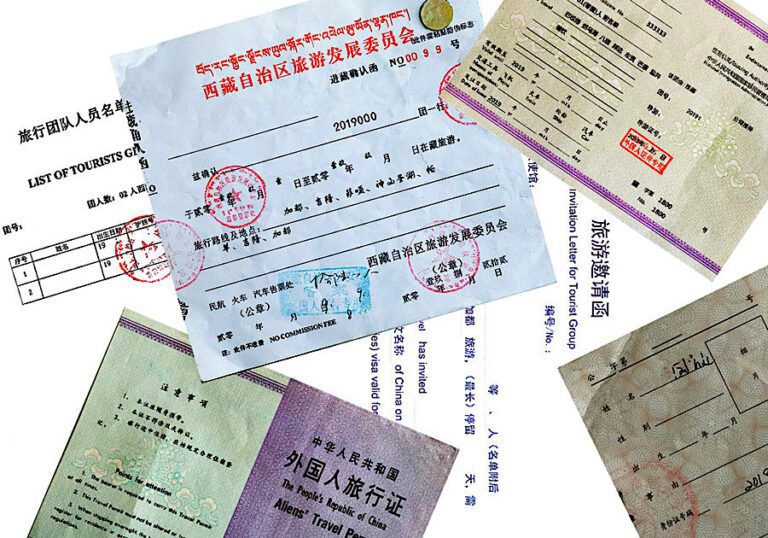
This is “safety” in the practical sense: not getting stuck.
Foreign travelers need the right permits arranged in advance, and checks can happen before boarding transport into Tibet (and during travel). The safest approach is simple:
- Book your Tibet itinerary first
- Let the agency arrange permits based on that confirmed route
- Don’t make last-minute changes that require extra paperwork

Political sensitivity: how to stay out of trouble (without paranoia)
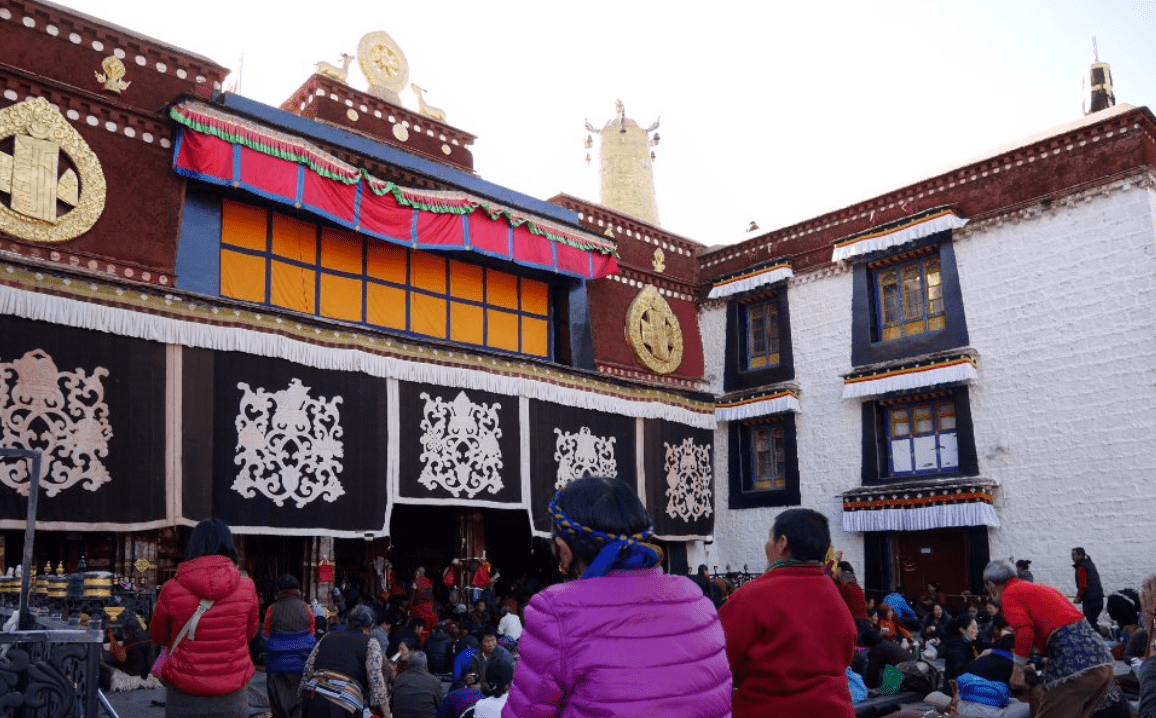
Tibet is politically sensitive. For tourists, the “stay safe” rule is boring but effective:
- Avoid large public gatherings
- Be respectful with what you photograph and where
- Don’t treat sensitive topics like a debate club assignment
Most travelers have zero issues by simply behaving like a guest.
Travel insurance for Tibet: what coverage you actually need
If you’re asking “Is it safe to travel to Tibet?”, you should also ask: “If something goes wrong, am I covered?”
Because altitude and remoteness are real factors, insurance matters more here than in a normal city trip. A good plan should consider:
- High-altitude medical coverage
- Treatment and emergency support
- Trip disruption (weather, road issues)
Read the full guide here (and link it in your planning checklist): https://experiencetibet.org/blog/travel-insurance-for-tibet-what-coverage-you-really-need-for-lhasa-everest-and-kailash/
Safety checklist (copy/paste this before your trip)
Before you go
- Build in 1–2 easy acclimatization days in Lhasa
- Talk to your doctor about altitude meds (if relevant)
- Pack a basic kit (headache meds, throat lozenges, etc.)
- Confirm your permits and route
- Get travel insurance that covers high altitude and remote travel
On arrival in Lhasa (first 48 hours)
- Keep it light: short walks, early bedtime
- Drink water, skip alcohol
- Don’t rush to higher passes immediately
During the trip
- Monitor symptoms daily
- If you feel worse, stop ascending and tell your guide
- Be flexible: in Tibet, the safest plan is often the one that can slow down
Conclusion
Is it safe to travel to Tibet? Yes—if you treat altitude seriously, plan your itinerary like a human (not like a checklist), and back it up with proper travel insurance. Most problems are preventable with pacing, preparation, and a route that respects how high Tibet really is.
FAQs
Is Tibet safe for first-time travelers?
Yes, as long as you plan acclimatization days and don’t cram too much altitude too quickly. A Lhasa-based start is usually the easiest.
Is it safe to travel to Tibet in 2026?
For tourists, the key is staying updated on travel rules and planning permits/itinerary properly. On-the-ground, your main safety factor remains altitude and route pacing.
Is Lhasa safe for tourists?
Generally yes. The bigger “risk” in Lhasa is overexerting yourself on day one because you feel excited and “totally fine” (classic last words at 3,650m).
Do I really need travel insurance for Tibet?
Strongly recommended—especially for high-altitude medical situations and trip disruption. Start here:
https://experiencetibet.org/blog/travel-insurance-for-tibet-what-coverage-you-really-need-for-lhasa-everest-and-kailash/