The Short Answer: Your Main Ways to Reach Mount Kailash from India
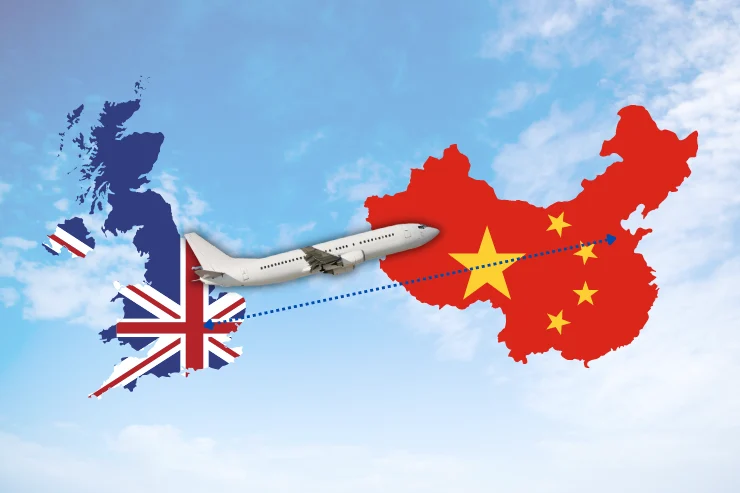
- Via Chinese Mainland and Lhasa (Tibet): Fly from India to a major city in Mainland China, then fly to Lhasa. From Lhasa, either drive overland across Western Tibet to Kailash or take a flight to Ngari Gunsa Airport (Ali) and then drive about 5 hours to the Mount Kailash region. Tibet Airlines operates a Lhasa–Ngari Gunsa (Ali) flight, which significantly shortens the overland time to Kailash.
- Via Kathmandu, Nepal: Fly to Kathmandu from India and continue either by Lhasa connection into Tibet or via the Nepalgunj–Simikot–Hilsa route to cross into Tibet at the border before driving to Kailash .
- Government-organized Yatras from India: The traditional Indian routes are via Lipulekh Pass (Uttarakhand) or Nathu La Pass (Sikkim) under arrangements coordinated with the Indian Ministry. These are longer pilgrimages (often 15–20 days) and follow specific allotment and logistics managed by the Indian side.
Where Exactly Is Mount Kailash and Why It Matters for Your Route
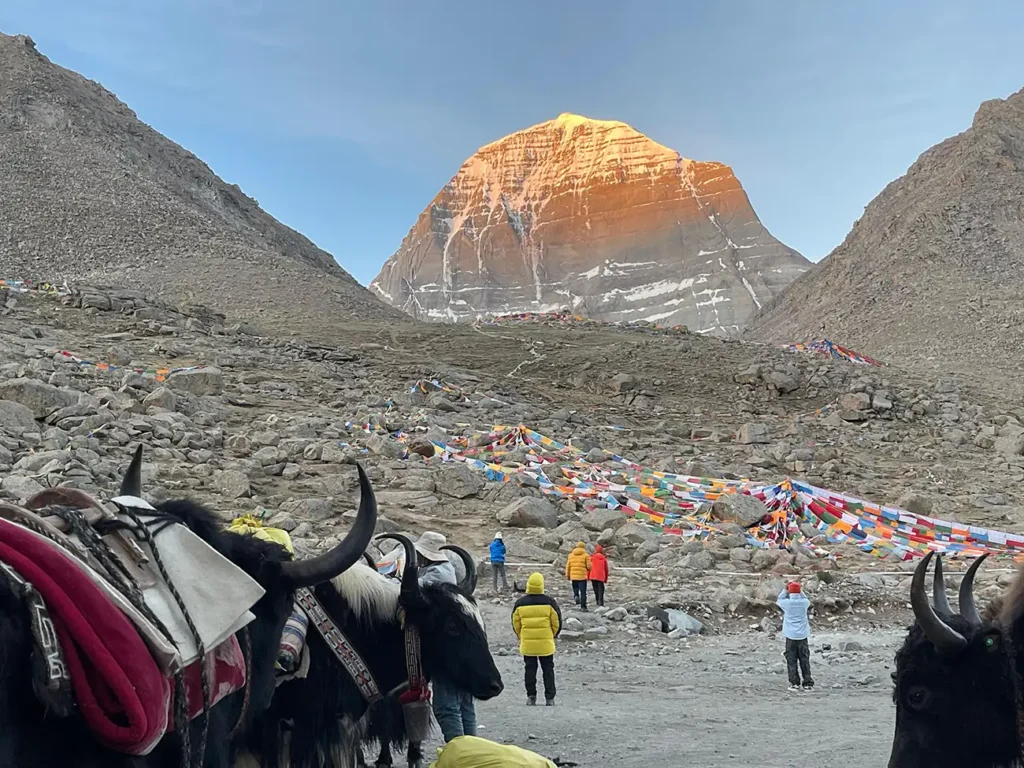
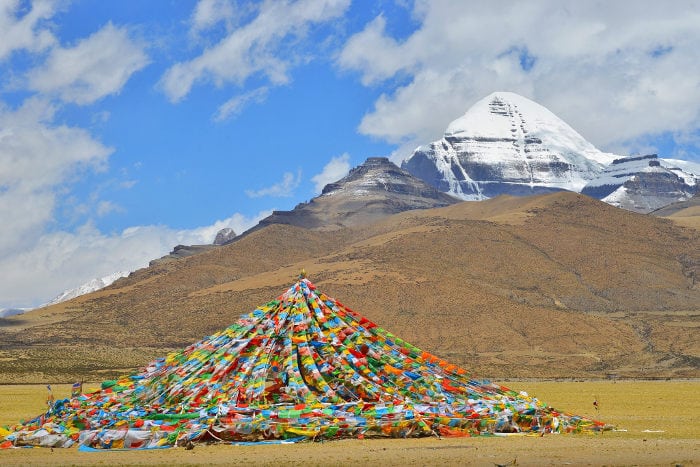
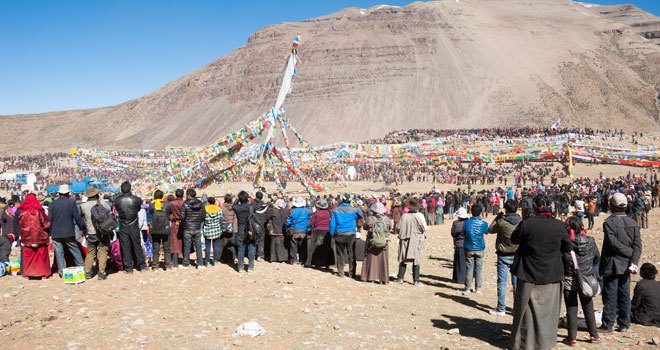
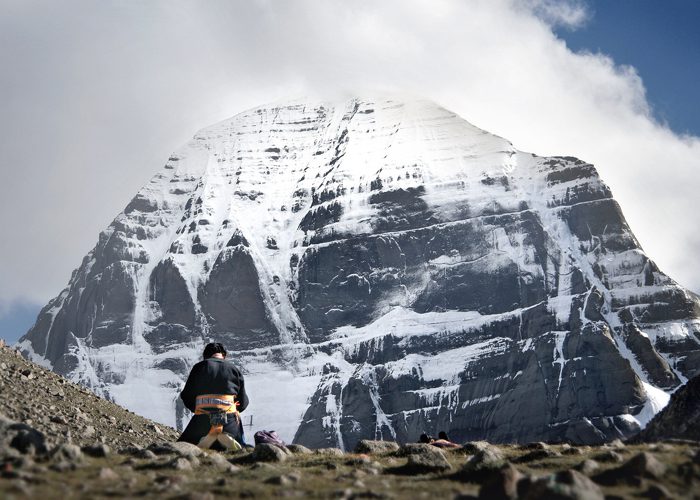
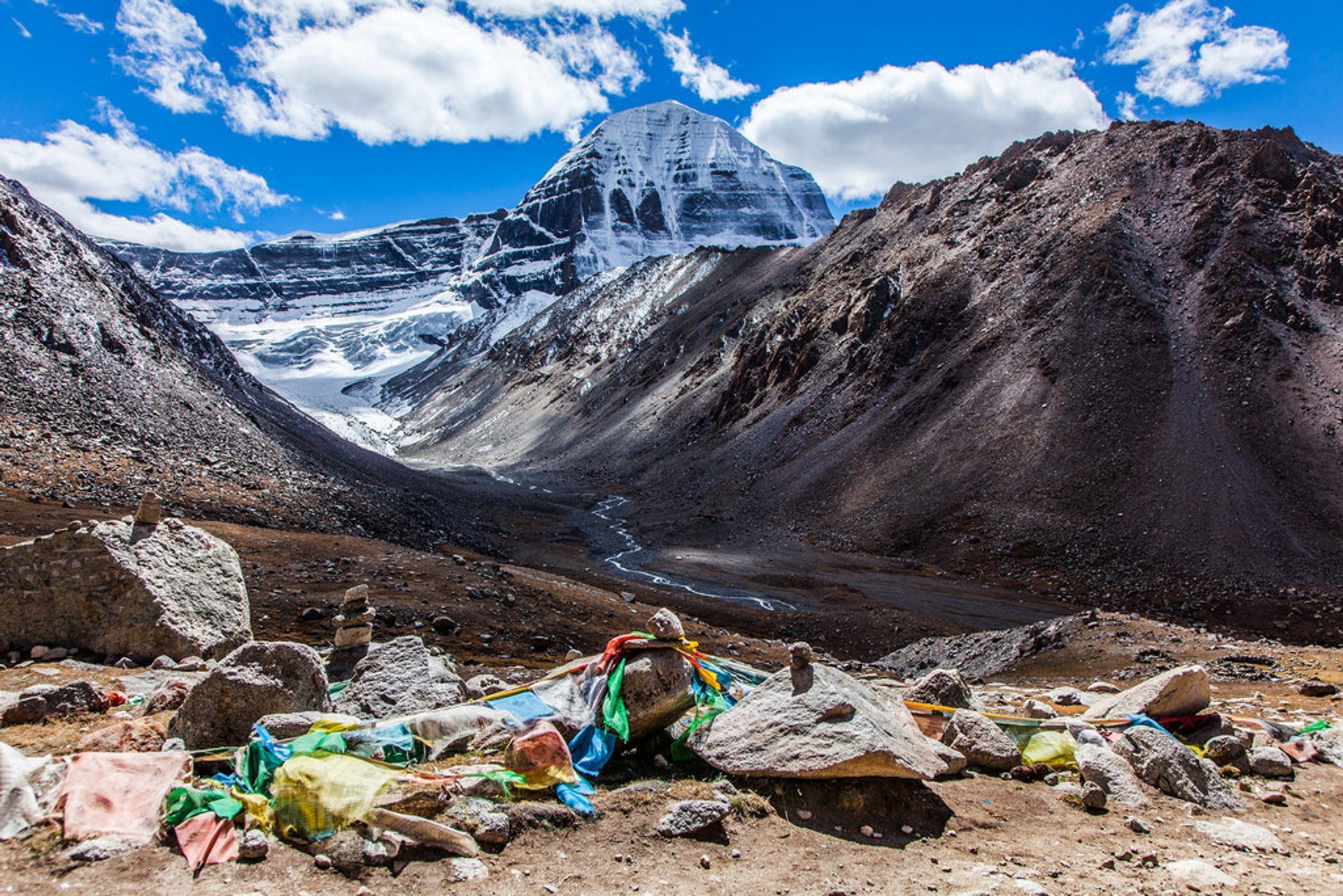
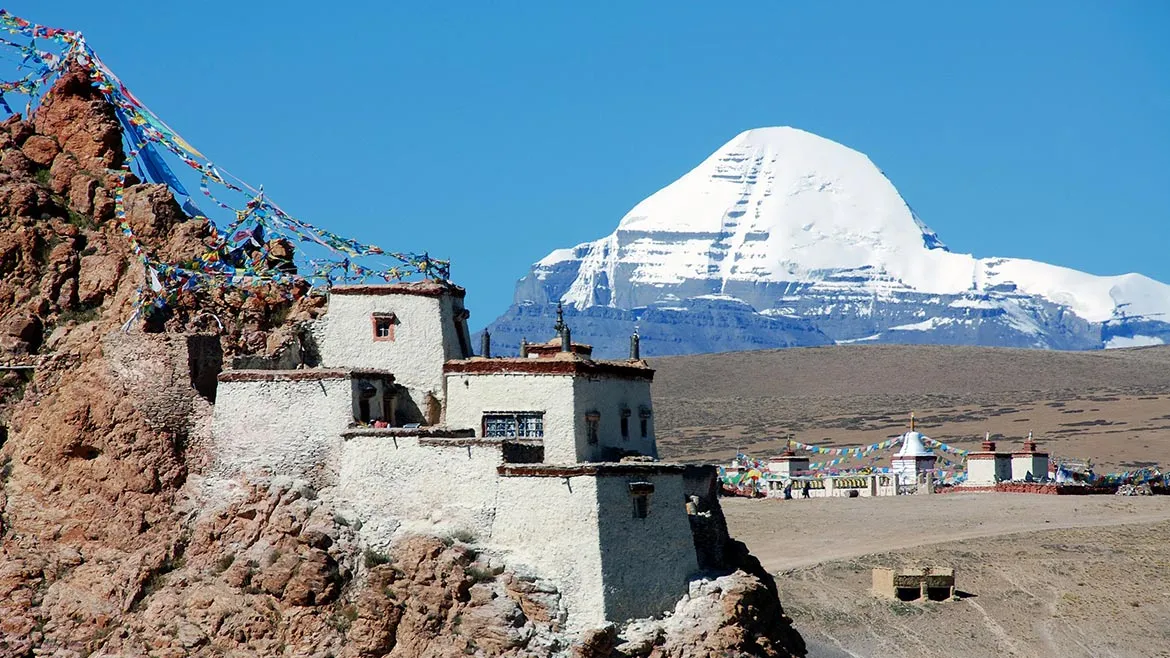
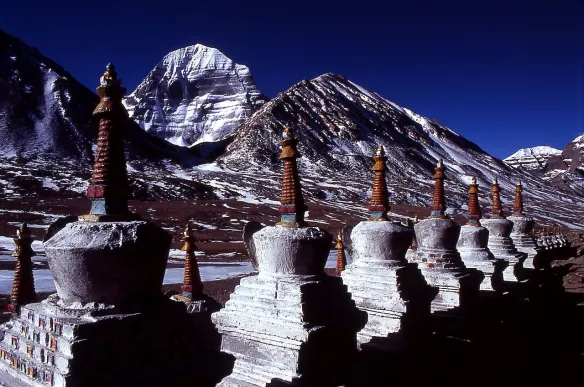
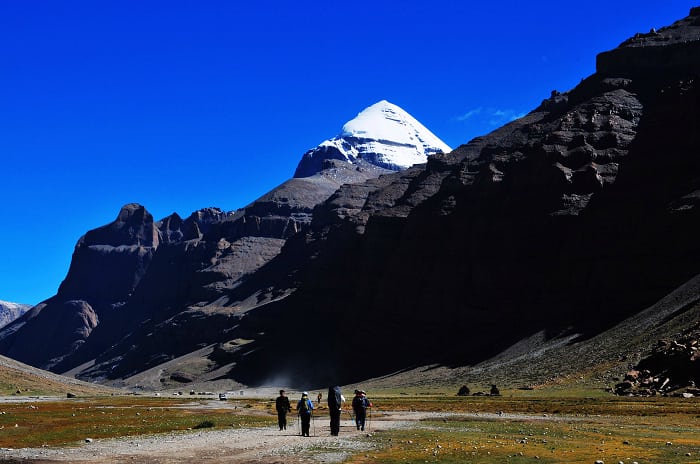
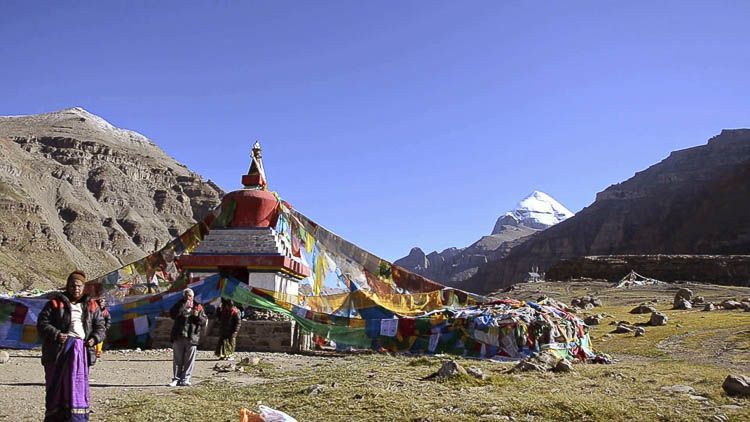
Mount Kailash lies in remote Ngari (Ali) Prefecture in Western Tibet and is considered sacred by Buddhists, Hindus, Jains, and Bon practitioners. Because of its remoteness, most itineraries either:
- Drive across Tibet from Lhasa (classic overland), or
- Fly from Lhasa to Ngari Gunsa Airport (Ali) and drive approximately 5 hours to Kailash/Manasarovar, which saves time and reduces fatigue.
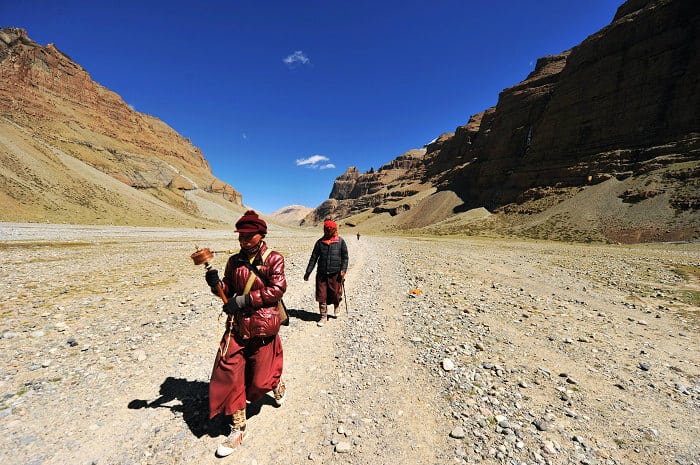
Route 1 — India to Lhasa (via Chinese Mainland), then Overland or via Ngari Flight
Step-by-step
- Fly India → a major Chinese city (e.g., Chengdu/Chongqing) → Lhasa. There is no direct flight from India to Lhasa; a connection in Mainland China or Kathmandu is required.
- From Lhasa, choose:
-
- Overland journey to Kailash with acclimatization stops across Tibet (popular with group and private tours); or
- Lhasa → Ngari Gunsa Airport (Ali) by air, then a roughly 5-hour drive to the Kailash/Manasarovar area. Tibet Airlines runs Lhasa–Ngari Gunsa flights seasonally, making this the quickest Tibet-internal routing.
Pros and who it’s for
- Best for travelers who want a smoother acclimatization profile (spending time in Lhasa first) and enjoy classic Tibetan landscapes.
- The Lhasa–Ngari flight plus a short drive minimizes overland hours while still providing a safe acclimatization schedule.
Route 2 — India to Kathmandu, then to Kailash via Lhasa or Nepalgunj–Simikot–Hilsa
Option A: Kathmandu → Lhasa → Kailash
- Many Indian travelers choose Kathmandu as an entry point to Tibet travel logistics; from Kathmandu, you can connect to Lhasa and continue overland or via Ngari flight as above.
- This route works well for those who prefer Kathmandu as a starting base and then follow standard Tibet tour protocols.
Option B: Kathmandu → Nepalgunj → Simikot → Hilsa → Tibet → Drive to Kailash
- A well-known route for pilgrims: fly to Nepalgunj, continue to Simikot, then to Hilsa near the Tibet border; from there, enter Tibet and drive to Kailash. Many India-based pilgrims use this route during peak season.
- This path reduces the need to go through Lhasa but involves multiple short flights and a high-altitude border crossing. It’s efficient but weather-dependent around Simikot/Humla.
Route 3 — Government-Organized Yatras via India (Lipulekh Pass or Nathu La)
- The Ministry-coordinated routes operate via Lipulekh Pass (Uttarakhand) or Nathu La Pass (Sikkim), and itineraries are typically 15–20 days starting from Delhi. They follow specific allotment, medical checks, and coordinated logistics by the Indian side.
- If you prefer to travel outside those allocations and with more flexibility in dates, a licensed Tibet operator route via Lhasa/Ngari or Kathmandu is often simpler to plan and book .
Getting There by Train or Road from India
There is no direct train from India to Tibet. Some travelers take a train from Delhi to Gorakhpur (near the Indo–Nepal border) if they plan to continue into Nepal and then toward Kailash via the Nepalgunj–Simikot–Hilsa path . The remainder of the journey requires flights and road transport in Nepal and Tibet .
Visas, Tibet Permits, and Who Arranges What
To enter Tibet, travelers require specific permits. Independent travel in Tibet is not permitted; you must be on an organized tour with a licensed operator, who obtains permits on your behalf. Experience Tibet handles the Tibet Travel Permit and related arrangements as part of your tour.
Indians typically reach Tibet either via Kathmandu or through Mainland China. There are no direct flights from India to Lhasa, so your visa and permits will be processed accordingly depending on the route you choose .
Tibet permit processing and government fees: ExperiencieTibet arrange and cover all required Tibet permits for this itinerary, including the Tibet Travel Permit (TTB), Alien’s Travel Permit (PSB), and Border/Military Passes needed for the Mt. Kailash & Lake Manasarovar region. Permits are applied through a licensed local agency and delivered to you before travel.
Note: ExperiencieTibet not handle China visa applications (individual or group). Travelers must obtain their China visa independently before we can process Tibet permits. Please start the process at least 15–20 days before your tour.
How Long Does the Whole Trip Take?
Expect about 12–15 days if you start via Lhasa (with proper acclimatization), depending on whether you drive overland or add the Lhasa–Ngari flight leg. For example, multi-day Kailash small-group programs are common and include the Kailash kora days plus travel and acclimatization time.
Traditional Indian-government routes are often in the 15–20 day range from Delhi, depending on pass and logistics.
Best Time to Visit Kailash Mansarovar
The core season runs from May to October, offering the most stable weather window and open high passes. Outside these months, snow and closures are common.
Why Consider Experience Tibet for Your Kailash Journey
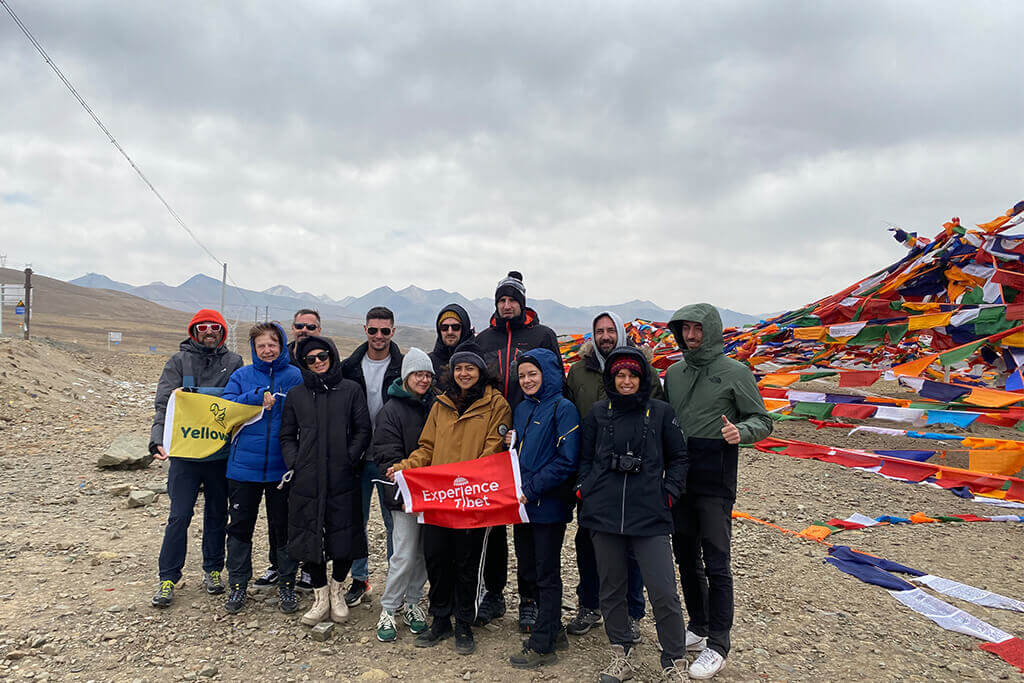
Kailash is remote and logistically complex; a trusted agency removes friction. Experience Tibet specializes in Tibet small-group tours, handles permits, and runs multi-day Kailash programs with acclimatization, transfers, and on-the-ground support in Ngari.
See a sample group tour format for Kailash with included permits and comprehensive logistics: Experience Tibet’s 15 Day Mt Kailash Group Tour Package .
Planning specifically for Indian pilgrims? Explore our dedicated 12-day Indian Pilgrimage to Mount Kailash and Lake Manasarovar for an efficient, spiritually focused program that streamlines time and logistics while keeping acclimatization in mind:
https://experiencetibet.org/tibet-tours/12-day-indian-pilgrimage-to-mount-kailash-and-lake-mansarovar/
New to Tibet travel? Consider starting with a short Lhasa acclimatization tour before the Kailash segment to boost comfort at altitude: 4-Day Lhasa Holy City Tour
Practical Planning Checklist (Step-by-Step)
1) Choose your entry route
- Fastest internal Tibet routing: India → Mainland China → Lhasa → fly to Ngari (Ali) → 5-hour drive to Kailash .
- Classic overland experience: India → Mainland China → Lhasa → multi-day drive across Western Tibet .
- Nepal bay route: India → Kathmandu → either connect to Lhasa or go Nepalgunj–Simikot–Hilsa → enter Tibet → drive to Kailash .
- Government yatras: Apply via Indian authorities for Lipulekh/Nathu La routes if you prefer an India-based pilgrim program .
2) Secure permits and visa
ExperiencieTibet arrange and cover all required Tibet permits for this itinerary, including the Tibet Travel Permit (TTB), Alien’s Travel Permit (PSB), and Border/Military Passes needed for the Mt. Kailash & Lake Manasarovar region. Permits are applied through a licensed local agency and delivered to you before travel.
Note: ExperiencieTibet not handle China visa applications (individual or group). Travelers must obtain their China visa independently before we can process Tibet permits. Please start the process at least 15–20 days before your tour.
3) Plan for altitude and acclimatization
- Whether you fly to Ngari or go overland, include acclimatization days. Many itineraries spend time in Lhasa specifically to prepare before heading to 4,500–5,600 m elevations on the kora.
4) Time your trip
- Aim for May–October for better weather and pass conditions.
5) Book with a specialist
- Kailash requires coordinated flights, drives, permits, and local support. Experience Tibet’s small-group style, permit handling, and on-the-ground expertise simplify the entire process so you can focus on the pilgrimage itself.
- Explore the 15 Day Mt Kailash Group Tour (reference itinerary): https://experiencetibet.org/tibet-tours/15-day-mt-kailash-trekking-tour/
- Explore the 12-Day Indian Pilgrimage option: https://experiencetibet.org/tibet-tours/12-day-indian-pilgrimage-to-mount-kailash-and-lake-mansarovar/
What It’s Like on the Ground
Remote and sacred: Kailash sits in Tibet’s far west and is revered across four religions . The region is wild, remote, and culturally rich .
Group sizes and comfort: Expect guesthouse/dorm stays during the kora days, with hotels in transit towns. Experience Tibet’s group tours typically include hotel nights on the way and simpler lodging during the kora itself .
Permits handled: Experienced operators coordinate Tibet Travel Permits and logistics so you can travel legally and safely.
Frequently Asked Questions
Is there a direct flight from India to Lhasa?
No. You must connect via a city in Mainland China or via Kathmandu to reach Lhasa.
What’s the nearest airport to Mount Kailash?
Ngari Gunsa Airport (Ali). From there, it is about a 5-hour drive to the Kailash/Manasarovar area. Tibet Airlines operates the Lhasa–Ngari route seasonally.
Can I reach Kailash without going through Lhasa?
Yes. Many pilgrims go via Nepal: India → Kathmandu → Nepalgunj → Simikot → Hilsa → enter Tibet and then drive to Kailash.
What are the Indian government-organized routes?
Lipulekh Pass (Uttarakhand) and Nathu La Pass (Sikkim). These are typically 15–20 days with logistics and allotment managed by the Indian side.
Is there a direct train from India to Tibet?
No direct train exists from India into Tibet. Some travelers take a train to Gorakhpur (India) when planning to proceed into Nepal, but the Tibet portion still requires flights and road transport.
When is the best time to go?
The main season is May to October due to relatively stable weather and more accessible passes.
Do I need a tour operator to visit Kailash?
Yes. Travel in Tibet requires permits and a licensed tour. Experience Tibet handles permits for foreign travelers and runs small-group Kailash programs with acclimatization and local support.
How long do I need?
Allow about 12–15 days if entering via Lhasa (with acclimatization). Government-run yatras are often 15–20 days from Delhi depending on the specific route.
Ready to Plan? Talk to a Kailash Specialist
Kailash is a once-in-a-lifetime journey that rewards careful planning. Experience Tibet has over 15 years organizing small-group tours across Tibet and will handle permits, logistics, and a reliable acclimatization plan so you can focus on your spiritual journey.
12-Day Indian Pilgrimage to Mount Kailash and Lake Manasarovar:
https://experiencetibet.org/tibet-tours/12-day-indian-pilgrimage-to-mount-kailash-and-lake-mansarovar/