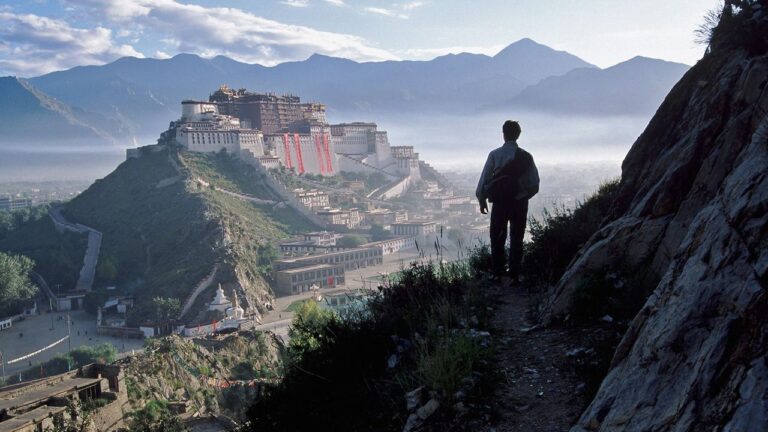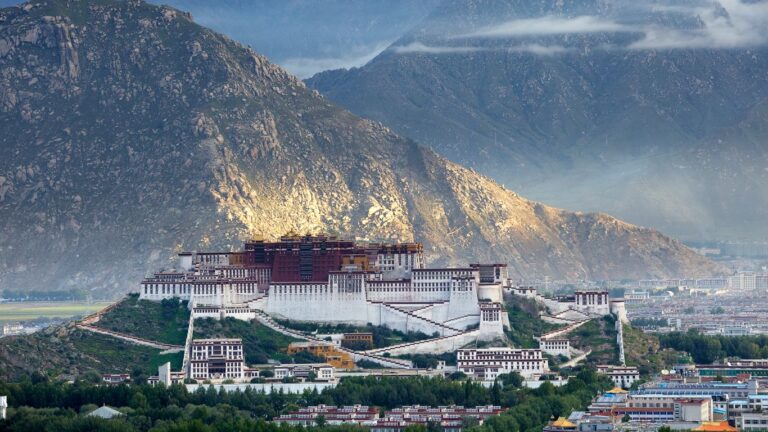
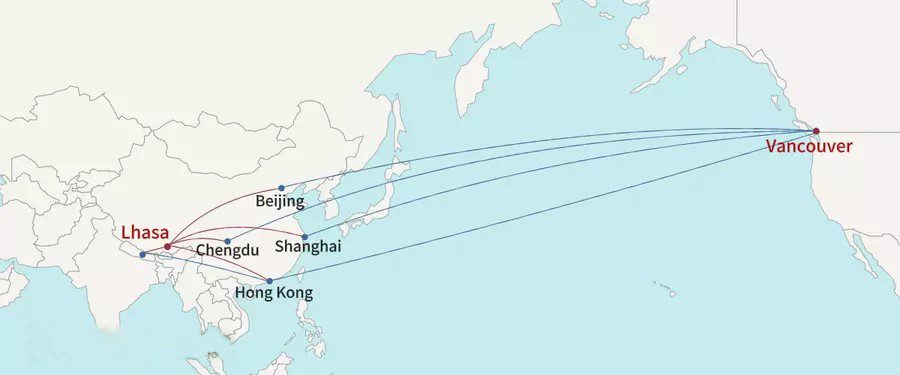
Canada just got a very tempting upgrade for 2026: Canadian ordinary passport holders can enter China visa-free for up to 30 days (during the 2026 policy window). That’s huge news if Tibet has been sitting on your bucket list for years.
But here’s the part that trips people up (sometimes literally, because altitude): visa-free entry to China does not mean visa-free entry to Tibet. Tibet still requires a Tibet Travel Permit, and you can’t apply for it on your own—you must book through a registered Tibet travel agency.
The 2026 change Canadians care about: visa-free China entry (and what it unlocks)
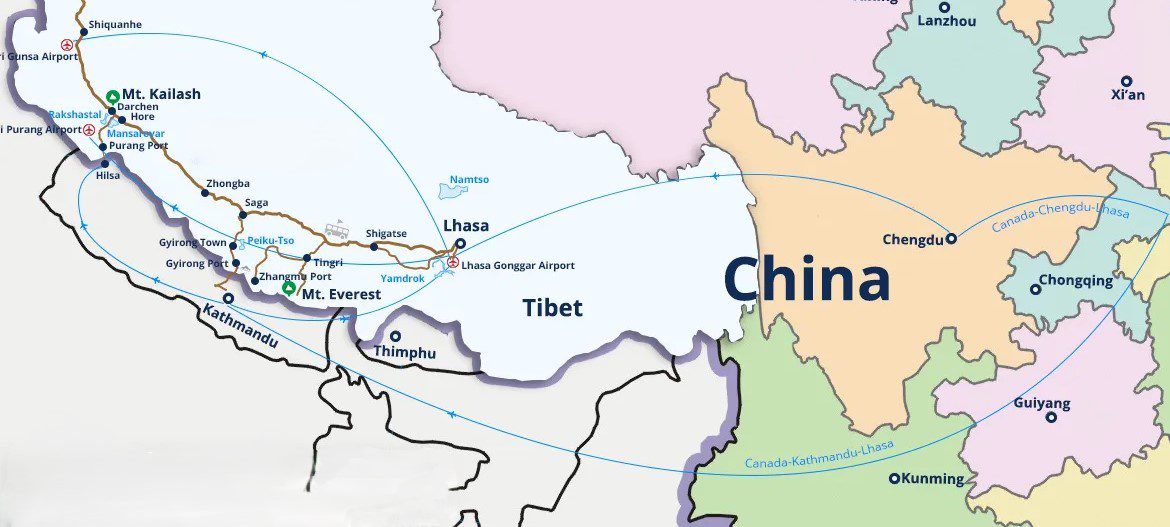
If you’re Canadian, the visa-free policy makes it much easier to do this classic Tibet route:
Canada → Mainland China → Tibet (Lhasa / Shigatse / Everest Base Camp) → Mainland China → Fly home
Less paperwork for China entry means you can spend your energy on the real planning: picking the best Tibet itinerary, pacing your altitude adjustment, and deciding whether you’re more “monastery sunrise” or “Everest Base Camp wow moment.”
Important: Visa-free China ≠ Visa-free Tibet
Think of it like a two-door system:
- Door #1: China entry
In 2026, Canadians may be visa-exempt for China entry during the policy period (up to 30 days). - Door #2: Tibet entry (Tibet Autonomous Region)
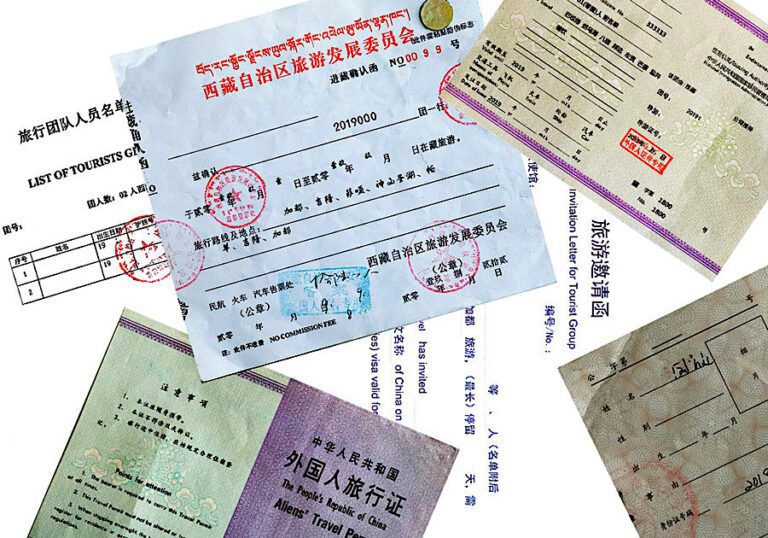
For Tibet, you still need the Tibet Travel Permit (often informally called a “Tibet visa,” but it’s a permit). It’s compulsory for international visitors, and entry without it is strictly prohibited.
And there’s another key point: independent travel in Tibet is restricted—international travelers must book with a registered travel agency.
So yes, you can enjoy easier access to China in 2026, but Tibet still runs on permits + organized travel.
What Canadians need to visit Tibet in 2026 (simple checklist)
Here’s the “don’t overcomplicate it” version:
- A valid passport (Canadian ordinary passport, if you’re relying on visa-free China entry)
- China entry eligibility (visa-free if you qualify during the policy period)
- A Tibet Travel Permit arranged by a registered travel agency (mandatory)
- A fixed Tibet itinerary (because the permit is tied to where you go)
- A guided tour / arranged travel inside Tibet (required for international tourism)
Depending on where you travel in Tibet, you may need additional permits. That’s normal—and it’s exactly why using an experienced Tibet agency matters.
How the Tibet Travel Permit process works
The Tibet Travel Permit is issued by the Tibet Tourism Bureau and contains your personal details and a detailed itinerary in Tibet.
When should Canadians start the permit process?
Experience Tibet recommends starting about 20–30 days before departure.
If you like living dangerously, Tibet is not the best place to express it through paperwork timing.
Where do you need to show the permit?
The permit must be shown at key checkpoints like:
- airport check-in (flying to Tibet),
- train boarding,
- and land border crossings into Tibet.
In other words: it’s not a “nice-to-have.” It’s the ticket that lets you board.
Best Tibet itineraries for Canadians using the 30-day China visa-free window
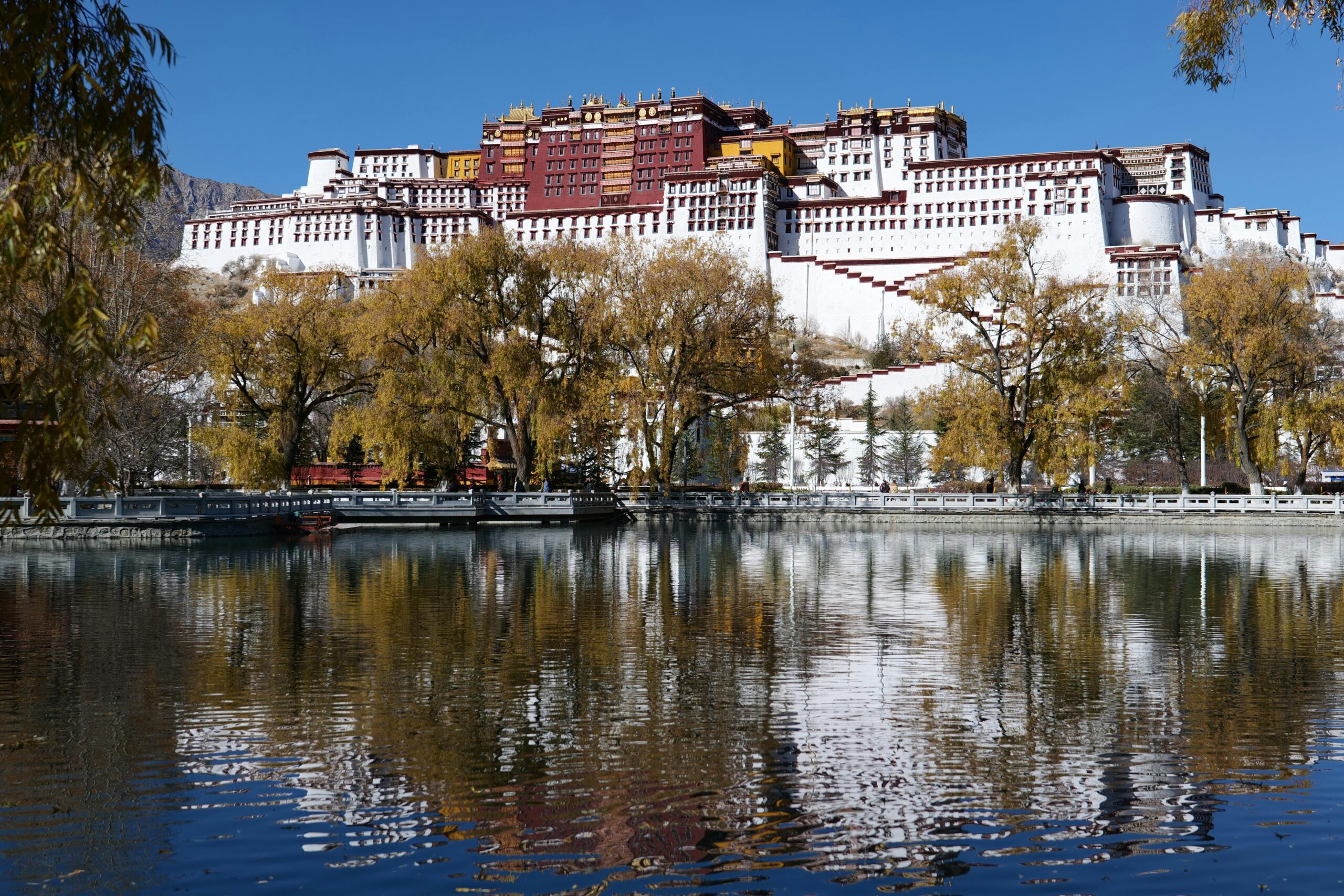
The visa-free China entry window (up to 30 days) is perfect for building a Tibet trip that includes a soft landing in mainland China before going to altitude. Here are three itinerary styles that work really well for Canadians.
Itinerary A (10–14 days total): First-time Tibet, focused on Lhasa + culture
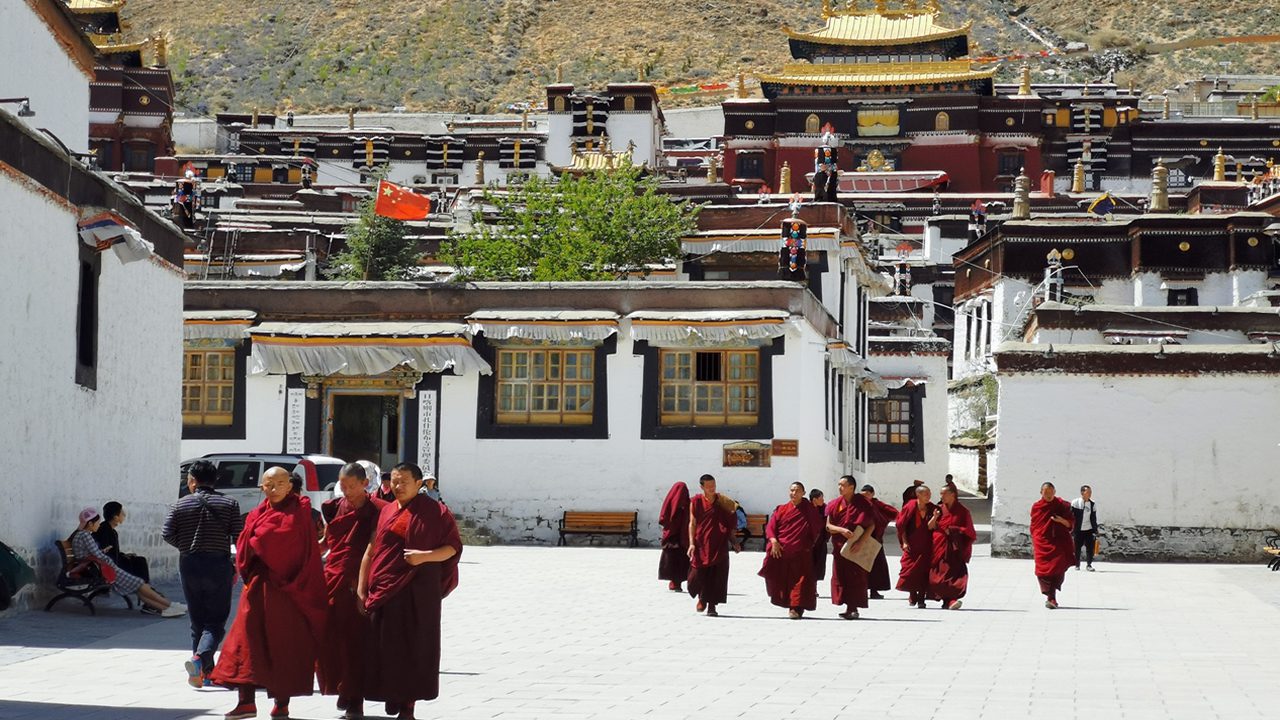
Best for: first-timers, families, travelers who want monasteries + local life + a manageable pace.
Typical flow:
- 2–3 days in a mainland China gateway city (rest, adjust time zone)
- 4–6 days in Lhasa area (Potala Palace vibes, monasteries, Tibetan culture)
- Optional day trip to a holy lake/monastery depending on route
- Return via mainland China
Tour ideas that fit this style:
- A shorter Lhasa tour: 4-Day Lhasa Holy City Tour (From US$486)
- Lhasa + nearby monasteries (Ganden is a popular add-on)
Itinerary B (14–18 days total): Lhasa + Shigatse (classic overland route)
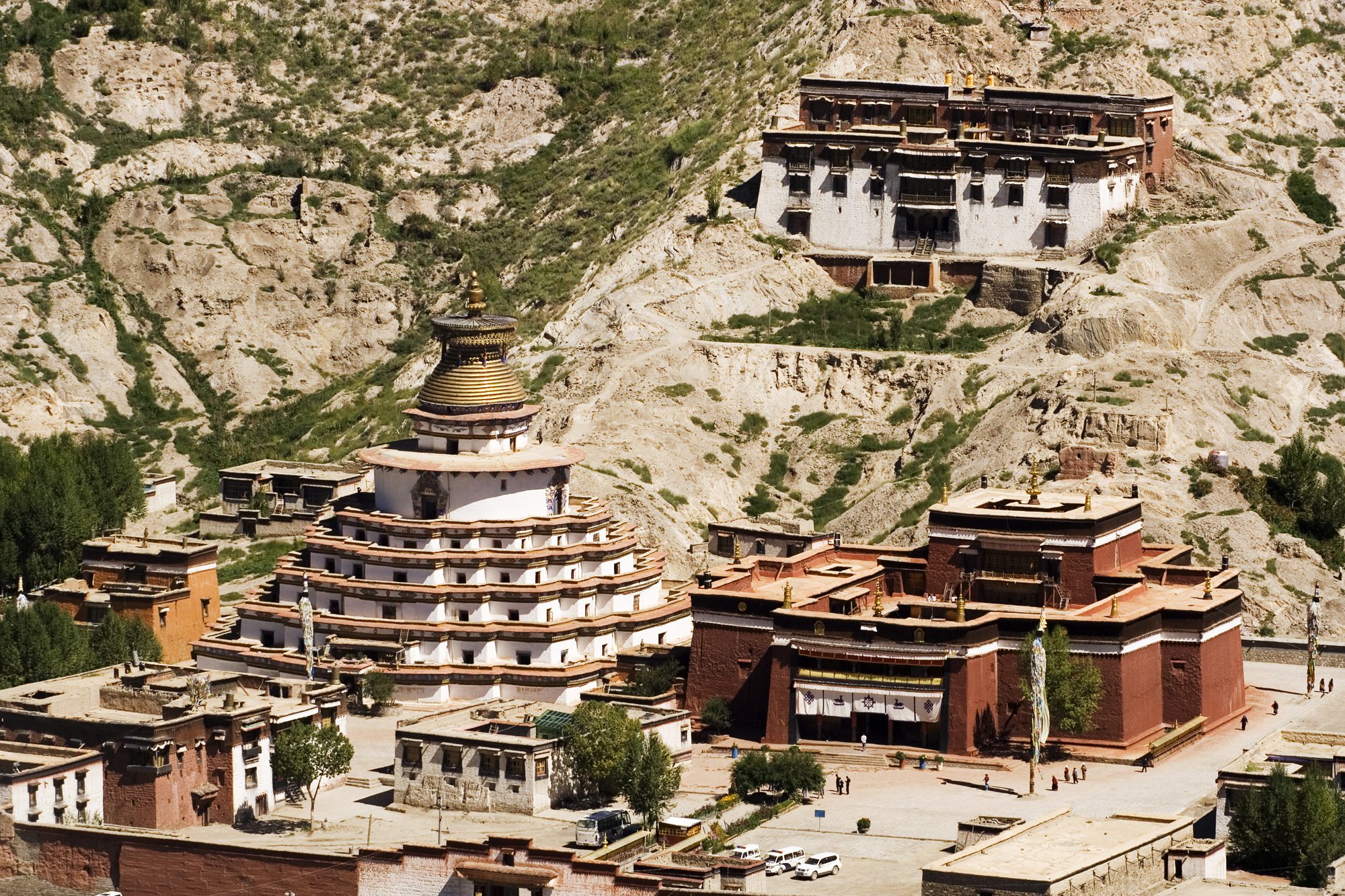
Best for: travelers who want more than Lhasa, but still want a comfortable progression in altitude.
Typical flow:
- Mainland China entry + prep
- Lhasa (acclimatization + highlights)
- Overland to Shigatse and the main cultural route towns
- Back to Lhasa / fly out
Experience Tibet has a ready-made route that matches this perfectly:
Itinerary C (15–20+ days): Tibet Everest Base Camp (big landscapes, big feelings)
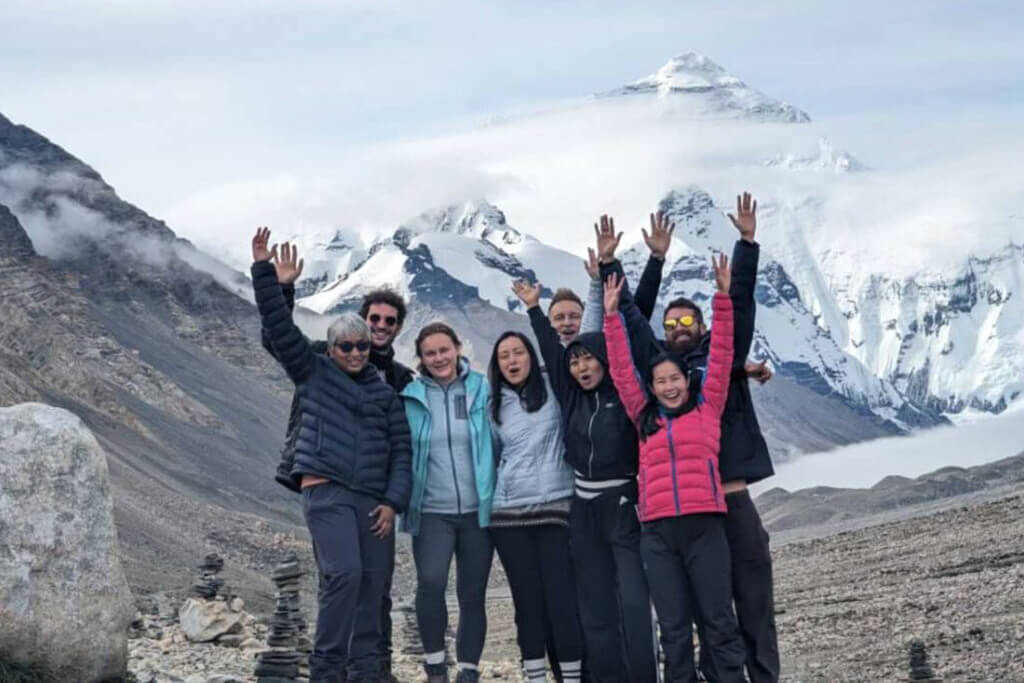
Best for: photographers, nature lovers, “I want the wow” travelers.
Typical flow:
- Mainland China entry + prep
- Lhasa acclimatization days (non-negotiable)
- Overland route to Everest Base Camp (Tibet side)
- Return via Lhasa / exit via China
A strong match here:
Bonus (for the seriously committed): Mount Kailash (pilgrimage/trek style)
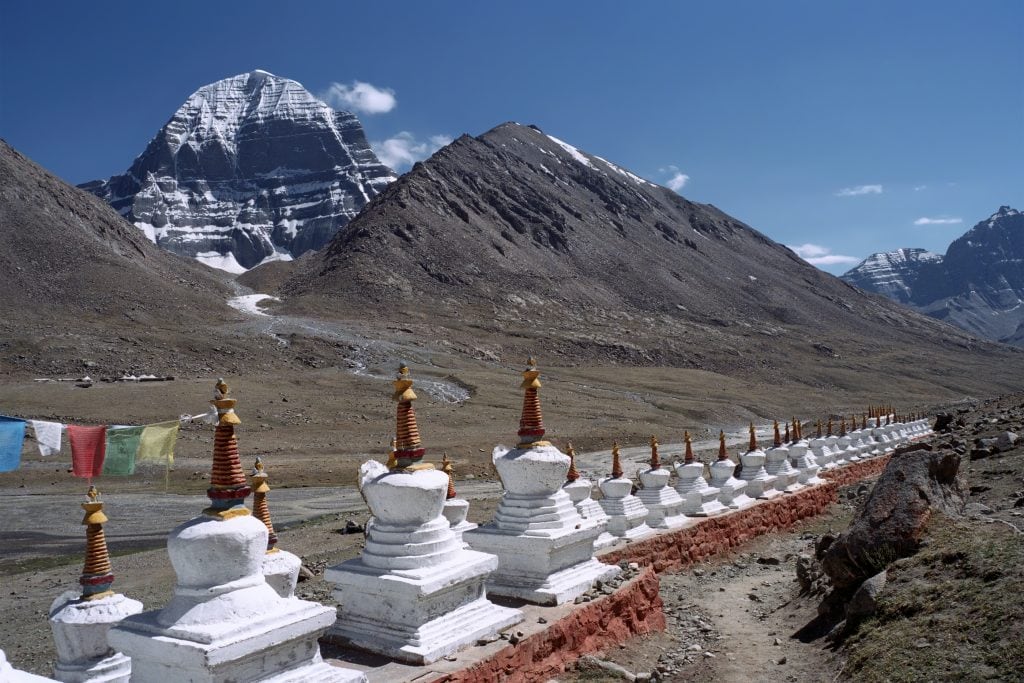
Best for: experienced travelers, pilgrims, and people who want a life story, not just a holiday.
Experience Tibet offers:
This one is about endurance, altitude, and meaning—not “quick highlights.” Worth it, but plan it properly.
Can Canadians travel independently in Tibet in 2026?
No—independent travel is restricted, and all international tourists must book with a registered travel agency.
If you were hoping to “just wing it,” save that energy for choosing your momos filling or spotting the best yak photo moment. Tibet is incredible, but it’s not a destination where paperwork improvisation wins.
Why booking with a Tibet agency isn’t just helpful — it’s the rule
A registered Tibet agency does three essential things:
- Arranges your Tibet Travel Permit (you can’t DIY it).
- Builds an approved itinerary that matches permit requirements.
- Handles logistics at altitude, where “small problems” can become “big headaches” faster than you’d expect.
Independent travel is restricted the permit includes your itinerary details—so the tour structure isn’t a random upsell; it’s the system.
Ready to plan a Tibet trip from Canada in 2026?
If you’re Canadian and the 2026 visa-free China policy is your green light, the smartest move is:
- pick your Tibet route (Lhasa-only, Lhasa–Shigatse, Everest Base Camp, Kailash),
- start your permit process early (20–30 days),
- and let a registered Tibet agency handle the official part while you focus on the exciting part.
Tibet Travel Permit Online Application (2026):

FAQ
Can Canadians visit Tibet without a visa in 2026?
Canadians may be visa-exempt for China entry during the 2026 policy period, but Tibet still requires the Tibet Travel Permit, arranged by a registered travel agency.
Do Canadians still need a Tibet Travel Permit if China is visa-free?
Yes. The Tibet Travel Permit is compulsory for international visitors to the Tibet Autonomous Region, and entry without it is prohibited.
How early should I apply for the Tibet Travel Permit?
A practical timeline is 20–30 days before departure.
Can I travel independently in Tibet?
No. Independent travel is restricted and international tourists must book via a registered travel agency.
Where do I need to show the Tibet Travel Permit?
You’ll need it for things like airport check-ins, train boarding, and land border crossings into Tibet.