Altitude sickness in Tibet for Indonesian travelers is the number one concern before boarding that flight from Jakarta or Bali to the Roof of the World — and for good reason. You’ve booked your dream trip. Your Tibet Travel Permit is in process. Your flights are locked in. And then the question hits you: “Will it ruin everything?” It won’t — if you prepare correctly. And that’s exactly what this guide is for.
“Will altitude sickness in Tibet ruin my trip?”
It’s a fair question. And it deserves a real answer — not a vague “drink plenty of water and you’ll be fine.”
The truth is, altitude sickness in Tibet for Indonesian travelers is a unique challenge that visitors from many other countries simply don’t face at the same level: you’re coming from almost exactly sea level. Jakarta sits at roughly 8 meters above sea level. Bali averages around 200–500 meters depending on where you are on the island. Lhasa, Tibet’s capital, sits at approximately 3,656 meters (nearly 12,000 feet) above sea level.
That’s a jump of over 3,600 meters — often made in a single afternoon flight.
This guide will tell you exactly how to prepare your body before flying from Jakarta or Bali, which routes give you the best chance of acclimatizing successfully, and what to do if symptoms hit anyway.
Why Altitude Sickness in Tibet for Indonesian Travelers Is a Unique Challenge
Before we get to the solutions, let’s understand the problem.
Your body at sea level in Jakarta or Denpasar is used to air at roughly 21% oxygen at full atmospheric pressure. At 3,656 meters in Lhasa, the atmospheric pressure drops significantly, meaning you’re inhaling roughly 40% less oxygen per breath than at sea level — even though the percentage of oxygen in the air is the same.
Understanding altitude sickness in Tibet for Indonesian travelers starts with knowing what happens to your body the moment you step off the plane in Lhasa. The result? Your heart works harder. Your breathing becomes more rapid. Your blood thickens. And if your body can’t adjust fast enough, you get altitude sickness — known medically as Acute Mountain Sickness (AMS).
Most travelers from coastal cities in Southeast Asia — Bangkok, Manila, Singapore, and yes, Jakarta and Bali — are in the same boat. The 72-hour window after arrival at high altitude is the most critical period , and how you spend those first three days determines everything about the rest of your trip.
💡 The good news? Altitude sickness is largely preventable. And ExperienceTibet’s guides are specifically trained to monitor you and respond immediately if symptoms appear.
Symptoms of Altitude Sickness in Tibet for Indonesian Travelers
Symptoms typically appear within 6 to 12 hours of arriving at altitude. For most people flying into Lhasa from Chengdu or Beijing, that means symptoms can start the same evening.
Mild symptoms (very common):
- Headache — often described as feeling like a slow, persistent pressure
- Fatigue that feels disproportionate to any activity
- Mild dizziness or lightheadedness
- Reduced appetite
- Difficulty sleeping (very common in the first night)
- Slight nausea
Moderate symptoms (less common, but important to flag):
- Persistent or worsening headache that doesn’t respond to paracetamol
- Vomiting
- Noticeable shortness of breath even at rest
- Difficulty walking in a straight line
Severe symptoms (rare, requires immediate attention):
- Confusion or unusual behavior
- Coughing up pink or frothy sputum
- Extreme difficulty breathing even while sitting still
If you experience moderate or severe symptoms, your ExperienceTibet guide will act immediately. The only guaranteed cure for severe altitude sickness is descending to a lower altitude as quickly as possible — something your guide is trained to arrange without hesitation.
Your Pre-Trip Preparation: Starting in Jakarta or Bali
Here’s where most travelers go wrong — they wait until they land in Lhasa to think about altitude. The smart approach starts weeks before departure.
4 Weeks Before You Fly
Get a medical check-up. If you have a history of heart conditions, respiratory issues, severe anemia, or high blood pressure, consult your doctor before booking. Tibet is accessible to most healthy adults, but pre-existing conditions deserve professional evaluation.
Start building cardiovascular fitness. You don’t need to become an athlete. Regular moderate exercise — running, cycling, or swimming — in the weeks before your trip helps your body become more efficient at using oxygen . Even 30 minutes of brisk walking five days a week makes a measurable difference.
Reduce alcohol consumption. Alcohol dehydrates you and impairs oxygen absorption — exactly the opposite of what you want. Cut back in the two weeks before departure.
Ask Your Doctor About Acetazolamide (Diamox)
Acetazolamide, sold under the brand name Diamox, is the most widely used prescription medication for altitude sickness prevention. It works by stimulating your breathing rate, which increases oxygen intake.
⚠️ Important: Diamox requires a prescription and is not suitable for everyone — particularly people with sulfa drug allergies. Consult your doctor in Indonesia before your trip. Do not buy it without medical advice.
If Diamox isn’t appropriate for you, ask your doctor about ibuprofen (which some studies suggest reduces AMS symptoms) or other alternatives.
How Your Route Affects Altitude Sickness in Tibet for Indonesian Travelers
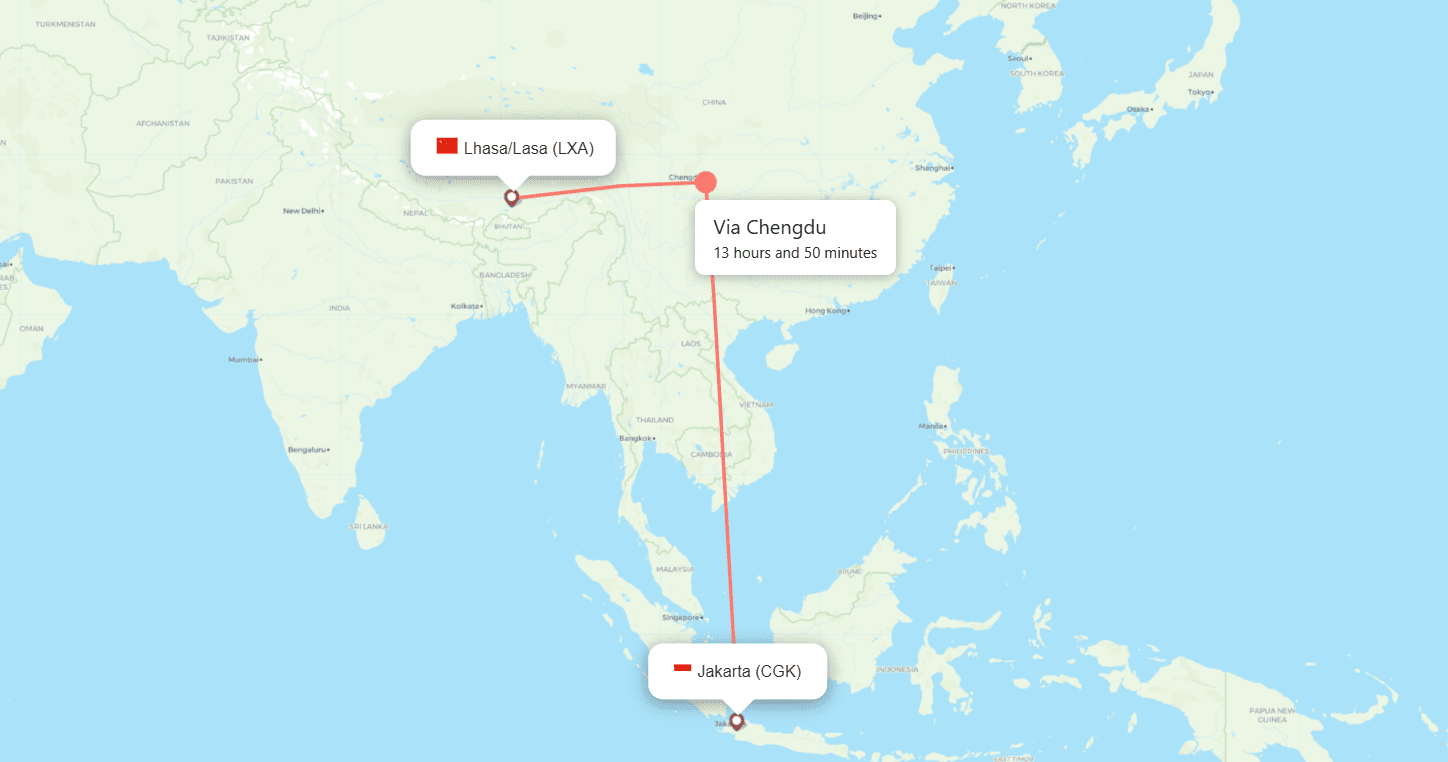
Here’s a truth that most generic Tibet guides won’t tell you: the route you choose from Indonesia matters enormously for altitude sickness prevention.
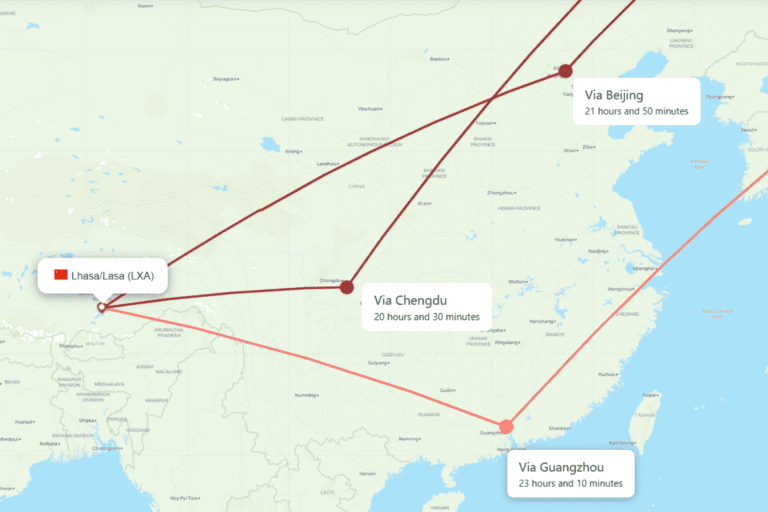
As covered in detail in our complete guide on how to travel from Indonesia to Tibet, there are four main routes. Here’s how each route affects altitude sickness in Tibet for Indonesian travelers and your chances of acclimatizing successfully:
Route A — Jakarta/Bali → Chengdu → Lhasa by Plane
Acclimatization rating: ★★★☆☆ (Moderate)
The most popular route. You fly into Lhasa in about 2.5 hours from Chengdu — a rapid ascent from roughly 500 meters to 3,656 meters. Symptoms are common but manageable with proper preparation.
Best for: Most Indonesian travelers, especially on tours of 7–10 days.
Route B — Via Chengdu: The Tibet Train (Chengdu → Lhasa)
Acclimatization rating: ★★★★★ (Best option available)
This is the gold standard for altitude acclimatization. The 10-Day Chengdu to Tibet Train Tour takes you on one of the world’s most extraordinary rail journeys — crossing the Tibetan Plateau over approximately 44 hours. Ascending slowly over land gives your body time to gradually adjust, dramatically reducing the risk of severe altitude sickness.
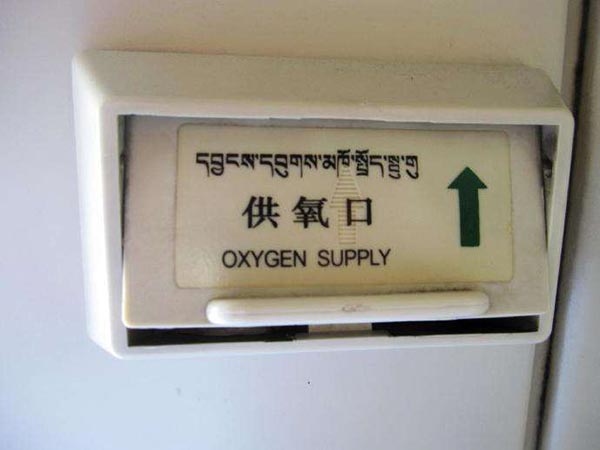
You’ll ascend from ~500 meters in Chengdu through Golmud (~2,800m), over the Tanggula Pass (~5,231m), and down to Lhasa. Modern Tibet Railway carriages are pressurized and equipped with oxygen supply, making this the safest ascent available.
Best for: Indonesian travelers who want the best possible acclimatization AND one of the most spectacular train rides on Earth.
Route C — Via Kathmandu → Lhasa by Air
Acclimatization rating: ★★★☆☆ (Similar to direct flight)
Flying from Bali or Jakarta via Kathmandu (1,400m) gives your body a brief intermediate altitude stop, which is marginally better than flying directly. However, the Kathmandu-to-Lhasa flight is still a rapid jump to 3,656 meters.
Best for: Travelers combining Nepal and Tibet on tours like the 8-Day Himalayan Adventure from Nepal to Tibet.
Route D — Via Beijing → Lhasa by Plane
Acclimatization rating: ★★★☆☆ (Moderate)
Similar to Route A. Beijing sits at around 43 meters above sea level, so the ascent to Lhasa is equally rapid. The 11-Day Beijing Xi’an Tibet Train Tour includes the train segment, which improves acclimatization.
Your First 72 Hours in Lhasa: The Rules That Actually Work
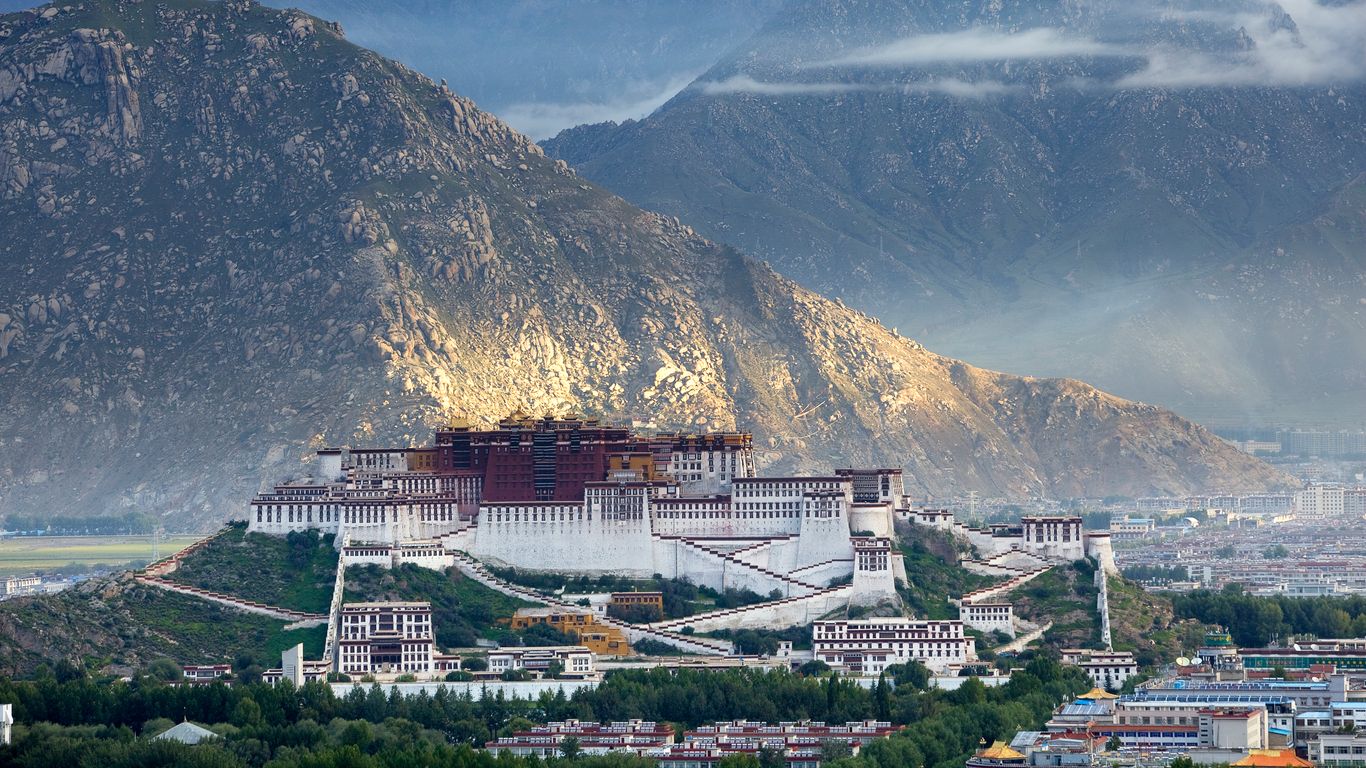
Whether you flew or took the train, your first three days in Lhasa are the most important for setting up the rest of your trip.
Day 1 — Arrival Day: Do Almost Nothing (Seriously)
Walk at a slightly slower pace than normal — what you would call a gentle stroll at sea level. Don’t try to sightsee. Don’t insist on being active. Drink plenty of water — at least 3–4 liters throughout the day. Your ExperienceTibet guide will meet you, check on your symptoms, and encourage you to rest.
Skip: Alcohol, heavy meals, strenuous activity, hot showers (which can worsen headaches at altitude).
Do: Hydrate, eat light, breathe slowly and consciously.
Day 2 — Gentle Introduction
If Day 1 went well, Day 2 can include light sightseeing at a slow pace — perhaps the Barkhor Street area or a brief visit to Jokhang Temple. Your guide monitors you continuously.
Day 3 — The Green Light Day
By Day 3, most healthy travelers have adapted sufficiently for full touring. Your body typically requires 1–2 days to adjust to the high-altitude plateau environment , with most acclimatization happening within the first 48–72 hours.
Practical Tips for Indonesian Travelers Specifically
Yes, try the yak butter tea. It sounds alarming (and it tastes… interesting), but Tibetan yak butter tea — called po cha — is genuinely helpful at altitude. The fat content provides sustained energy and the salt helps with hydration. Think of it as the Tibetan version of isotonic sports drinks — just with a considerably stronger personality.
Drink more than you think you need. The dry air on the Tibetan Plateau accelerates dehydration significantly compared to Indonesia’s humid climate. You may not feel thirsty, but you’re losing more water than usual. Carry a reusable bottle and refill it constantly.
Avoid sleeping pills on the first night. Many travelers at altitude experience disturbed sleep and are tempted to use sleep aids. Avoid them — they can suppress the breathing rate, which is the opposite of what your body needs at altitude.
Protect your skin. UV radiation at 3,650m is significantly more intense than at sea level in Bali or Jakarta. Pack a high-SPF sunscreen and apply it even on cloudy days.
Don’t panic about mild symptoms. A mild headache on Day 1 is almost universal and doesn’t mean your trip is over. Stay calm, hydrate, rest, and communicate with your guide. Anxiety itself can worsen symptoms.
Before You Book: The Tibet Travel Permit Process Matters for Timing
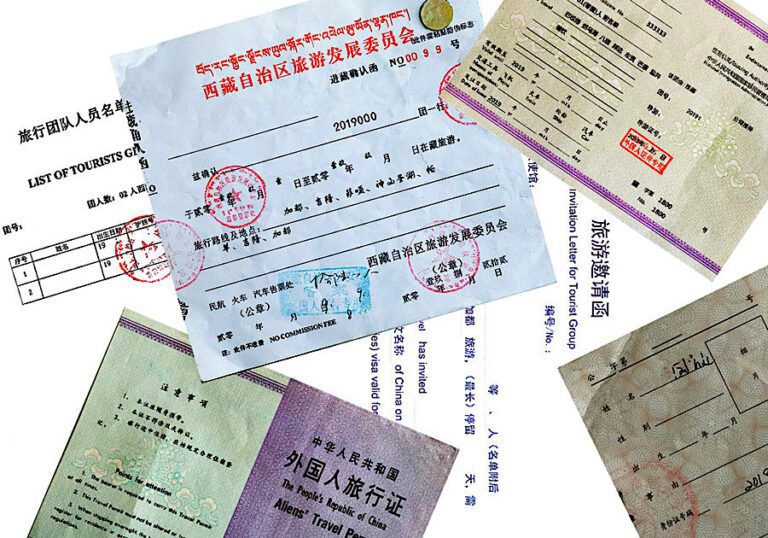
Here’s a connection that most travelers miss: good acclimatization planning requires adequate permit preparation time.
As explained in our guide on how to apply for the Tibet Travel Permit online in 2026, permits require processing time that should be built into your planning. Last-minute bookings create pressure to rush the whole trip — including the acclimatization days in Lhasa that your body genuinely needs.
The ideal planning sequence for Indonesian travelers:
- Choose your tour and route (consider the train option for best acclimatization)
- Consult your doctor about Diamox and general fitness prep
- Apply for your Tibet Travel Permit well in advance through ExperienceTibet
- Build at least 2 rest days at the beginning of your Lhasa itinerary
- Start fitness training 4 weeks before departure
Frequently Asked Questions
Is altitude sickness in Tibet for Indonesian travelers with no mountain experience really a risk?
Yes — altitude sickness in Tibet for Indonesian travelers with no prior high-altitude experience is common, but manageable with the right preparation.
Is the Tibet train better than flying for altitude sickness?
Generally, yes. The gradual ascent over 44+ hours gives your body significantly more time to adjust compared to a 2.5-hour flight. ExperienceTibet’s 10-Day Chengdu to Tibet Train Tour is specifically recommended for travelers concerned about altitude.
Can I go to Everest Base Camp if I had symptoms in Lhasa?
This is a decision your guide will help you make based on how your body responds during the Lhasa acclimatization days. The 8-Day Everest Base Camp Tour includes acclimatization time in Lhasa specifically for this reason — you don’t rush to higher altitudes until your body is ready.
What if I need to see a doctor in Lhasa?
Lhasa has medical facilities experienced with altitude-related conditions. Your ExperienceTibet guide knows exactly where to take you if needed.
Ready to Start Planning Your Tibet Trip from Indonesia?
Altitude sickness in Tibet for Indonesian travelers is real — but so is the solution. With the right preparation, the right route, and the right guide by your side — but it’s not a reason to stay home. With the right preparation, the right route, and the right guide by your side, Indonesian travelers have been reaching the Roof of the World — and coming back transformed — for years.
Our team handles everything: your Tibet Travel Permit, your itinerary, your acclimatization schedule, and 24/7 on-tour support. Start with our complete travel guide for Indonesian travelers to understand your route options, then apply for your Tibet Permit here to get the process started.
The Potala Palace is waiting. And your lungs will catch up — promise.
🌐 Explore All Tibet Tours | 📋 Apply for Your Tibet Permit | 📞 Contact Us