 About
About




 Tibet Tours
 Tibet Train Tours
 Himalaya Tours (Tibet-Nepal-Bhutan)
 Private Tours
 Mount Kailash Tours
 Trekking Tours
 Travel Guide
 Tibet Travel Blog
 FAQ
FAQ About us
Travel insurance for Tibet is one of the most important things to think about when you start planning your journey to the Roof of the World. Tibet is one of the most spectacular—and unique—places you can travel to. High altitude, long distances between towns, basic facilities in remote regions and strict travel regulations make it very different from a typical city break.
Experience Tibet already runs safety‑focused tours with gradual acclimatization, oxygen support on select routes and experienced local guides, and strongly recommends that you also carry your own comprehensive travel insurance with high‑altitude coverage.
Because of this, travel insurance matters more in Tibet than in many other destinations.
This article is not selling insurance; it’s a practical guide to help you understand what to look for in a policy if you’re planning a tour to Lhasa, Everest Base Camp, Mount Kailash or other Tibetan regions.
Why Travel Insurance Matters More in Tibet Than in Other Destinations
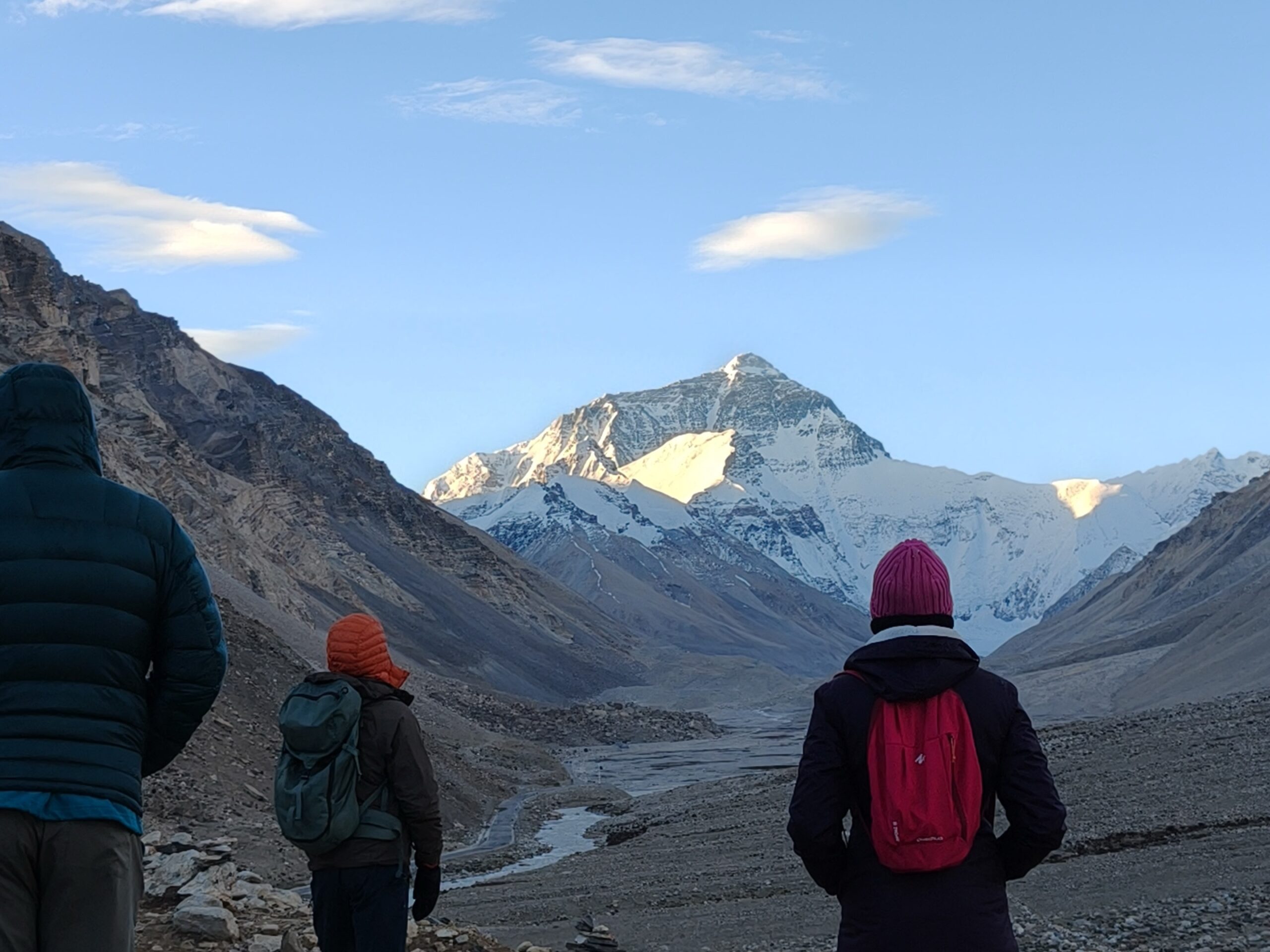
High Altitude, Remote Regions and Unpredictable Weather
Even “city‑only” trips in Tibet are high‑altitude trips:
- Lhasa sits at around 3,650m, where many travelers feel mild altitude symptoms in the first 24–48 hours.
- Classic routes to Shigatse, Yamdrok Lake and high passes go even higher.
- Journeys to Everest Base Camp (Tibet side) and Mount Kailash / Ngari reach very high elevations and pass through remote, sparsely populated areas.
Outside Lhasa, medical facilities are limited. If something more serious happens, you may need evacuation to a larger city—or even outside Tibet or China.
Weather and road conditions can also change quickly, causing delays or route changes.
Tibet’s Special Travel Rules and Guided Tours
Foreign travelers cannot travel independently within the Tibet Autonomous Region; by law, you must join a tour with a licensed agency, which arranges your Tibet Travel Permit and other regional permits,. Experience Tibet takes care of:
- Permits and compliant routes
- Local transport and experienced drivers
- Tibetan, English‑speaking guides
- Oxygen support on select tours and altitude‑aware pacing,
However, agency support is not the same as personal travel insurance. Experience Tibet explicitly recommends that you buy your own policy covering high‑altitude travel, medical treatment and emergency evacuation,.
What Experience Tibet Already Provides on Tour (and What It Doesn’t)
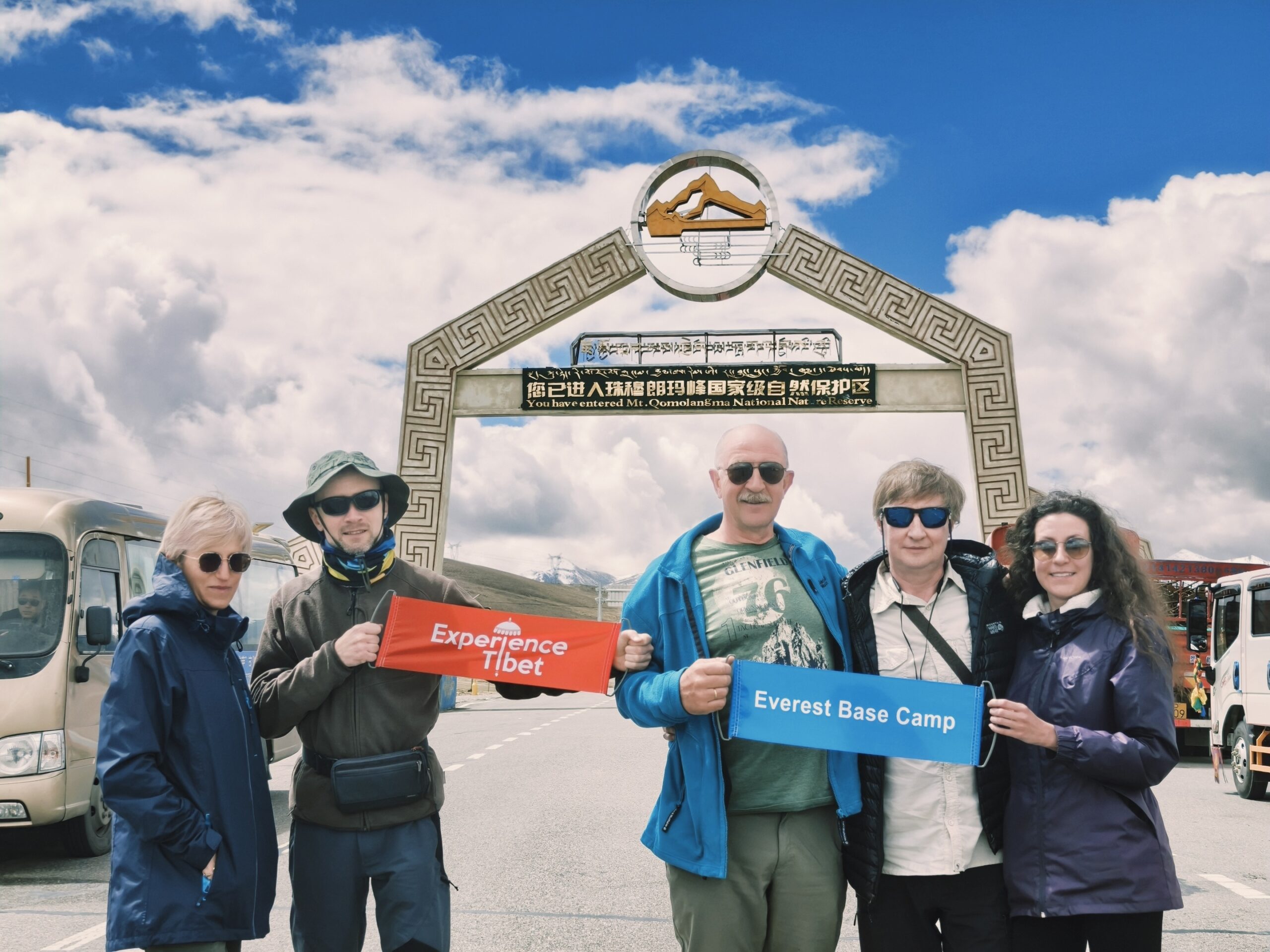
Safety and Support Included in Experience Tibet Tours
On all Experience Tibet group tours you can expect:
- Tibetan, experienced English‑speaking guides
- Local transport and drivers who know mountain roads,
- 3–4 star hotels in Lhasa and main hubs; simpler but clean accommodation in remote areas like EBC and Kailash,
- Daily bottled water, welcome dinner in Lhasa, breakfasts and entrance fees
- Oxygen support when needed on certain itineraries,
- For some routes (e.g. Kailash/Ngari), included Travel Accident Insurance, Vehicle Seat Insurance and Travel Agency Liability Insurance
This internal coverage protects you in certain on‑tour situations, especially those linked to transportation and agency responsibilities. It is not a full substitute for your own international travel insurance.
Why You Still Need Your Own Travel Insurance
Your personal policy should cover:
- Medical expenses (including high altitude issues)
- Emergency evacuation and repatriation
- Trip cancellation or interruption (e.g. illness, family emergency, flight disruptions)
- Baggage and personal belongings
Experience Tibet’s blog and FAQ emphasize that travel insurance with high‑altitude coverage is strongly recommended and should be considered part of your total trip budget.
Key Risks to Consider When Choosing Travel Insurance for Tibet
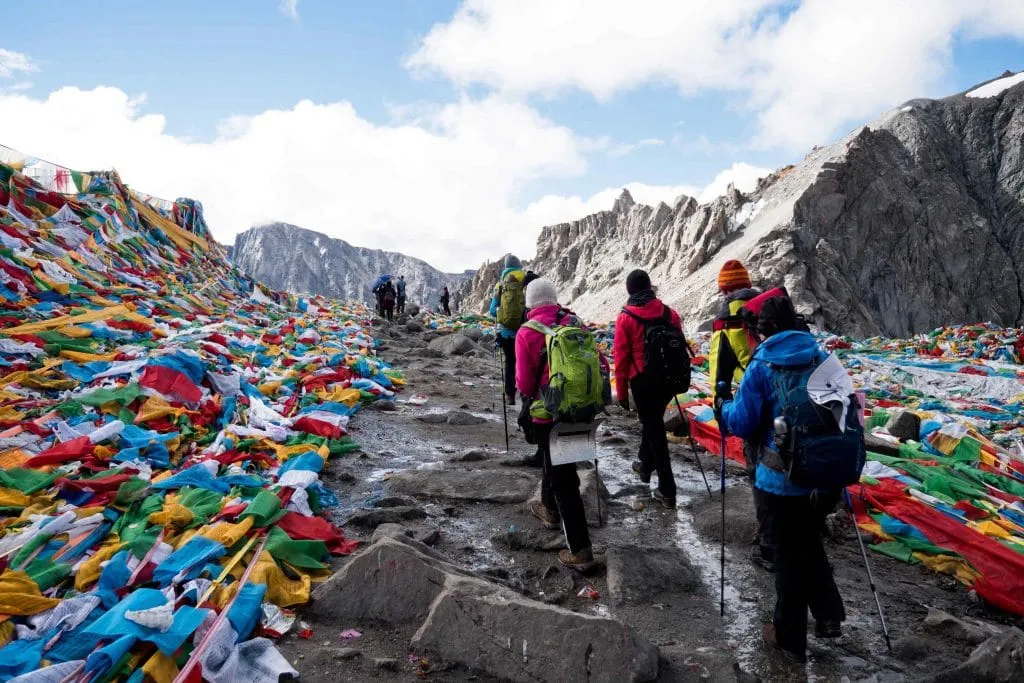
Health and High Altitude (Lhasa, Shigatse, Lakes and Passes)
Common altitude symptoms include headache, poor sleep, mild nausea and fatigue during the first 24–48 hours. Most visitors only experience mild discomfort, but there is a small risk of more serious complications.
Points to consider:
- Lhasa has the best medical facilities in Tibet.
- Outside major cities (e.g. on the way to Yamdrok Lake, Gyantse, Shigatse), facilities are more basic.
- You should ensure your policy covers medical treatment at altitude and does not exclude conditions related to high elevation.
Remote Destinations: Everest Base Camp and Mount Kailash
Experience Tibet operates routes that go far beyond Lhasa, including:
- Everest Base Camp (Tibet side) via Lhasa and Shigatse,
- Mount Kailash and Ngari region, including Lake Mansarovar, Dirapuk and Zutulpuk monastery guesthouses
These areas are:
- Very remote
- Served by basic clinics at best
- Many hours’ drive from Lhasa or larger hospitals
For such itineraries, it’s important that your insurance covers:
- Emergency evacuation from remote regions
- Transport to a major medical facility, potentially outside Tibet or China
- Higher coverage limits for medical and evacuation than you might choose for a city‑only trip
Trip Disruptions: Weather, Road Closures and Regulations
While well‑organized tours run smoothly most of the time, there can be:
- Weather‑related road closures on mountain passes
- Flight delays to or from Lhasa
- Occasional changes in regional regulations affecting certain areas,
A policy that includes trip interruption and cancellation can help protect your investment if something prevents you from traveling or forces you to change plans.
Essential Coverage to Look for in Travel Insurance for Tibet
This article can’t recommend specific companies, but it can help you understand what to look for in a good policy.
Medical Expenses for High‑Altitude Travel
Choose a plan that:
- Offers robust medical coverage (often at least tens of thousands of USD; more if visiting remote areas).
- Explicitly covers:
- Treatment at high altitude (e.g. above 3,000–4,000m)
- Conditions related to altitude sickness (if not excluded)
Check carefully whether “high‑risk destinations” or “high‑altitude activities” are mentioned in the exclusions.
Emergency Evacuation and Repatriation
For journeys to Everest Base Camp, Mount Kailash or other remote parts of western Tibet, emergency evacuation is crucial.
Look for:
- Emergency medical evacuation coverage from remote areas
- Repatriation to your home country if medically necessary
- Sufficient coverage limit to realistically cover long‑distance transport
This complements Experience Tibet’s on‑the‑ground help and local arrangements,.
Trip Cancellation and Interruption
You might want coverage for:
- Illness or injury before departure
- Serious illness or death in the family
- Significant flight disruptions
- Other covered reasons that prevent you from traveling or force you to cut the trip short
This is especially relevant for longer, higher‑priced itineraries like Everest Base Camp or Kailash pilgrimage tours,.
Baggage, Gear and Personal Belongings
While not as critical as medical coverage, baggage protection can be useful if you are carrying:
- Expensive camera equipment
- Specialized outdoor clothing or trekking gear
- Laptops or other electronics
Make sure you understand the per‑item limits and any requirements for documentation.
Adventure Sports and Pilgrimage Activities
Some policies exclude or limit:
- Trekking above a certain altitude
- “Adventure sports” or “expedition” activities
If your itinerary includes:
- High passes on the way to Yamdrok, Gyantse, Shigatse
- The Everest Base Camp route
- Pilgrimage walking (kora) around Mount Kailash
check that these are not excluded or that you add appropriate “adventure” coverage if needed.
Insurance Considerations for Specific Tibet Routes
Lhasa and Surroundings (Lower Risk, Still High Altitude)
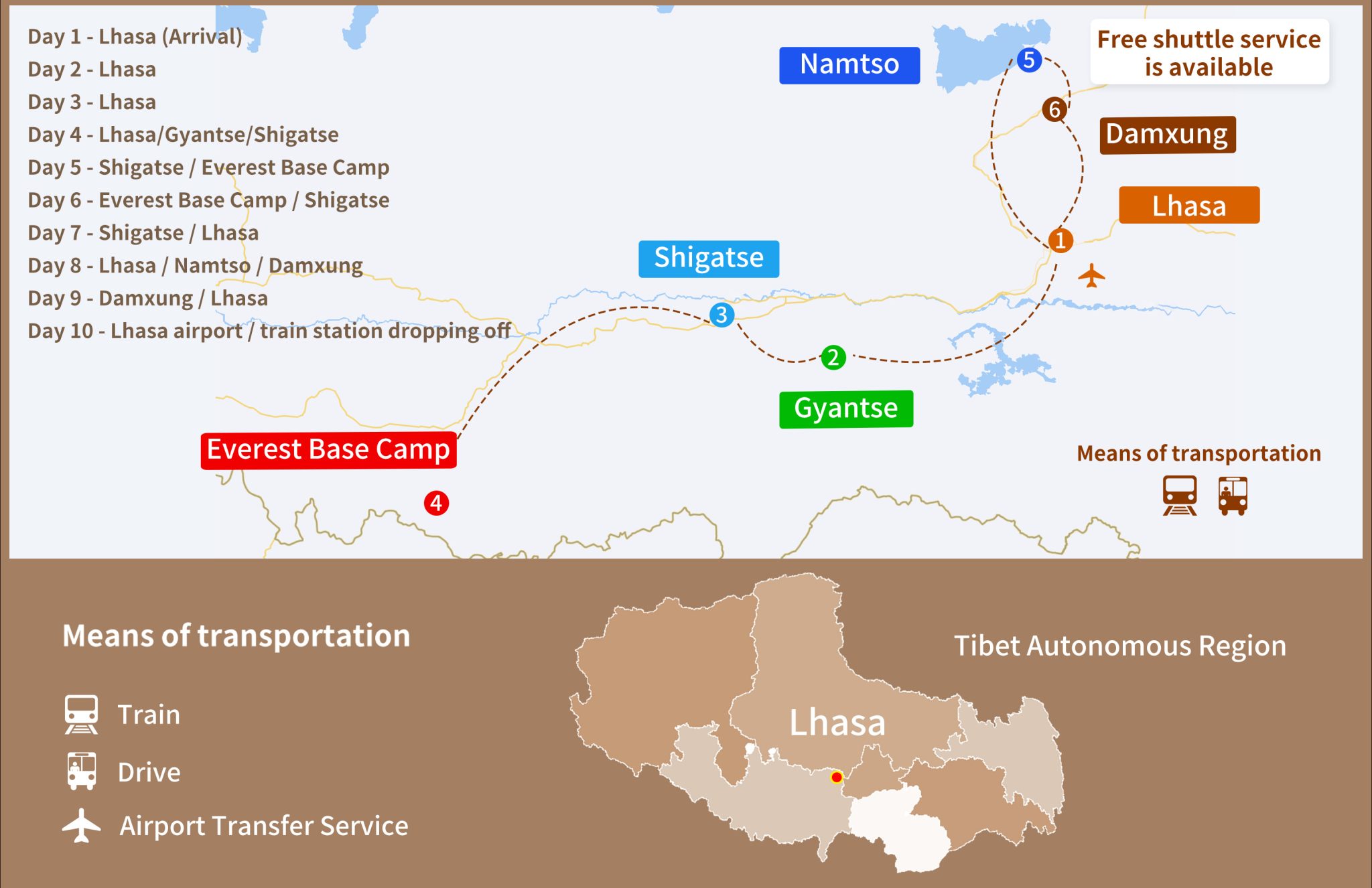
For shorter cultural trips such as:
you’ll mostly stay in or near Lhasa, with day trips to lakes and monasteries.
Important coverage:
- General medical and altitude‑related treatment
- Trip cancellation/interruption
- Evacuation in case you need to be moved to a larger hospital (or out of Tibet)
Even on these itineraries, Experience Tibet’s FAQ stresses that comprehensive travel insurance with high‑altitude coverage is strongly recommended,.
Lhasa to Shigatse and Everest Base Camp Tours
For routes like:
you spend more time at higher altitudes and greater distances from major hospitals.
Your insurance should emphasize:
- Higher medical and evacuation limits
- Clear coverage for travel in remote mountain regions
- Trip interruption protection in case of route disruptions
Mount Kailash and Western Tibet Pilgrimage Tours
Kailash and the Ngari area are among the most remote regions accessible on Tibet tours:
- Nights in basic monastery guesthouses such as Dirapuk and Zutulpuk
- Very long distances between population centers
- Simple medical infrastructure
Here, it is especially important that your policy includes:
- High medical coverage limits
- Emergency evacuation from remote regions
- Coverage for trekking/pilgrimage at high altitude (if the Kailash kora is included)
Experience Tibet adds some internal insurance (Travel Accident, Vehicle Seat, Agency Liability) to its Kailash‑type itineraries, but this should sit on top of your own international travel policy, not replace it.
How to Check if Your Policy Really Covers Tibet
Read the Fine Print for Altitude and Location
Before purchasing, carefully read:
- The maximum altitude covered
- Any exclusions for:
- “High‑risk destinations”
- “High‑altitude trekking”
- Specific countries or regions
If Tibet, high altitude or remote travel is mentioned in the exclusions, you may need a different plan or an added rider.
Ask Your Insurer the Right Questions
When in doubt, contact the insurance provider and ask:
- Do you cover travel to Tibet (Tibet Autonomous Region)?
- Does my policy cover travel and medical treatment at elevations above 3,500–5,000 metres?
- Is emergency evacuation from remote regions (e.g. Everest Base Camp in Tibet, Mount Kailash/Ngari) included?
- Are there any exclusions for altitude sickness, pre‑existing conditions or specific activities (trekking, pilgrimage, etc.)?
You can also use Experience Tibet’s itinerary details to explain to your insurer exactly where you will be traveling and at what approximate elevations,.
Keep Documentation Handy on Tour
Once you have a policy:
- Save a digital copy on your phone and cloud storage.
- Carry a printed copy of the key pages (policy number, emergency contacts, coverage summary).
- Share the basics with a family member or friend at home.
- If you wish, let your Experience Tibet guide know the provider and emergency contact number, so they can assist in an emergency.
How Experience Tibet Supports You If Something Goes Wrong
Local Guides, Oxygen Support and On‑the‑Ground Help
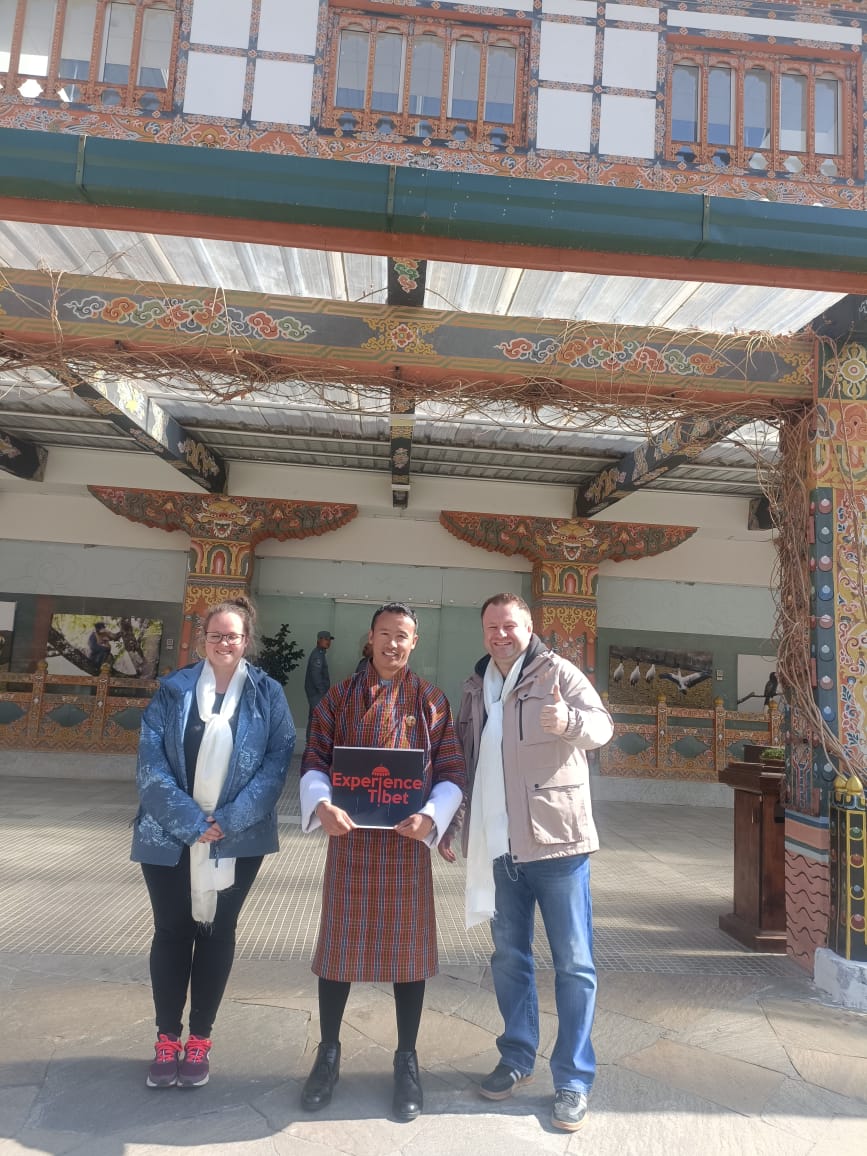
Experience Tibet’s safety approach includes:
- Itineraries that build in acclimatization days in Lhasa before going higher
- Guides trained to recognize common altitude symptoms and advise rest, hydration and pacing,
- Oxygen support on select tours and bottled water daily,
- Clear communication about when accommodation and conditions become more basic (e.g. EBC, Kailash),
In remote areas, your guide will help arrange suitable local care and assist with decisions about continuing or adjusting your route.
Coordination With Your Insurance, Not a Replacement
If you need to use your travel insurance:
- Experience Tibet can help you communicate with local clinics or hospitals, and
- Assist you in contacting your insurance provider to coordinate any necessary evacuation or further treatment.
However:
- The costs of medical care, evacuation and trip changes are covered by your insurance policy, not by the tour alone.
- That’s why they repeatedly describe travel insurance as a strongly recommended extra cost you should plan for in your Tibet budget,.
FAQ: Travel Insurance for Tibet Tours
Do I need travel insurance to visit Tibet?
It’s not legally mandatory in all cases, but Experience Tibet strongly recommends comprehensive travel insurance with high‑altitude coverage for any Tibet trip,. Most travelers consider it essential given the altitude and remoteness.
What kind of travel insurance is best for a Tibet tour?
Look for a policy that covers high‑altitude travel, medical expenses, emergency evacuation/repatriation, trip cancellation/interruption, and ideally baggage/personal effects. If your route includes Everest or Kailash, check that trekking and very high altitude are not excluded.
Does standard travel insurance cover high altitude in Tibet?
Some standard policies do, many do not. Always check maximum covered altitude and exclusions for high‑risk or high‑altitude destinations. If necessary, choose a plan that specifically mentions coverage for high altitude or add an adventure‑travel rider.
Do I need special insurance for Everest Base Camp or Mount Kailash in Tibet?
You may not need a separate policy, but you do need one that clearly covers remote, high‑altitude regions, trekking or pilgrimage activities, and emergency evacuation from those areas. Routes to EBC and Kailash are more demanding and remote than Lhasa‑only itineraries,.
Does Experience Tibet sell or include travel insurance in its tours?
Experience Tibet includes certain accident, vehicle seat and agency liability insurance within some itineraries, especially longer routes like Kailash. However, they explicitly treat personal travel insurance with high‑altitude coverage as an extra cost you should arrange yourself.
Plan Your Tibet Itinerary First, Then Match the Insurance
The smartest way to choose travel insurance is:
- Decide where you’re going
- Only Lhasa and nearby sites (e.g. 4‑Day Lhasa Holy City Tour)
- Lhasa–Shigatse–Everest Base Camp
- Kailash and Western Tibet or other remote regions,
- Check the altitudes and remoteness of your route
- Use Experience Tibet’s tour descriptions and travel guides for reference,
- Select a policy that clearly covers those conditions
- High altitude
- Remote travel and evacuation
- Your planned activities (cultural sightseeing, trekking, pilgrimage, etc.)
If you’re unsure, you can always contact Experience Tibet with your draft itinerary; they can explain the route’s typical altitudes and remoteness, so you can discuss accurately with your insurance provider and choose coverage that matches your specific Tibet adventure,.
A thoughtful insurance choice plus a reputable local operator like Experience Tibet will help you travel the Roof of the World with far more peace of mind.