 About
About


















 Tibet Tours
 Tibet Train Tours
 Himalaya Tours (Tibet-Nepal-Bhutan)
 Private Tours
 Mount Kailash Tours
 Trekking Tours
 Travel Guide
 Tibet Travel Blog
 FAQ
FAQ About us
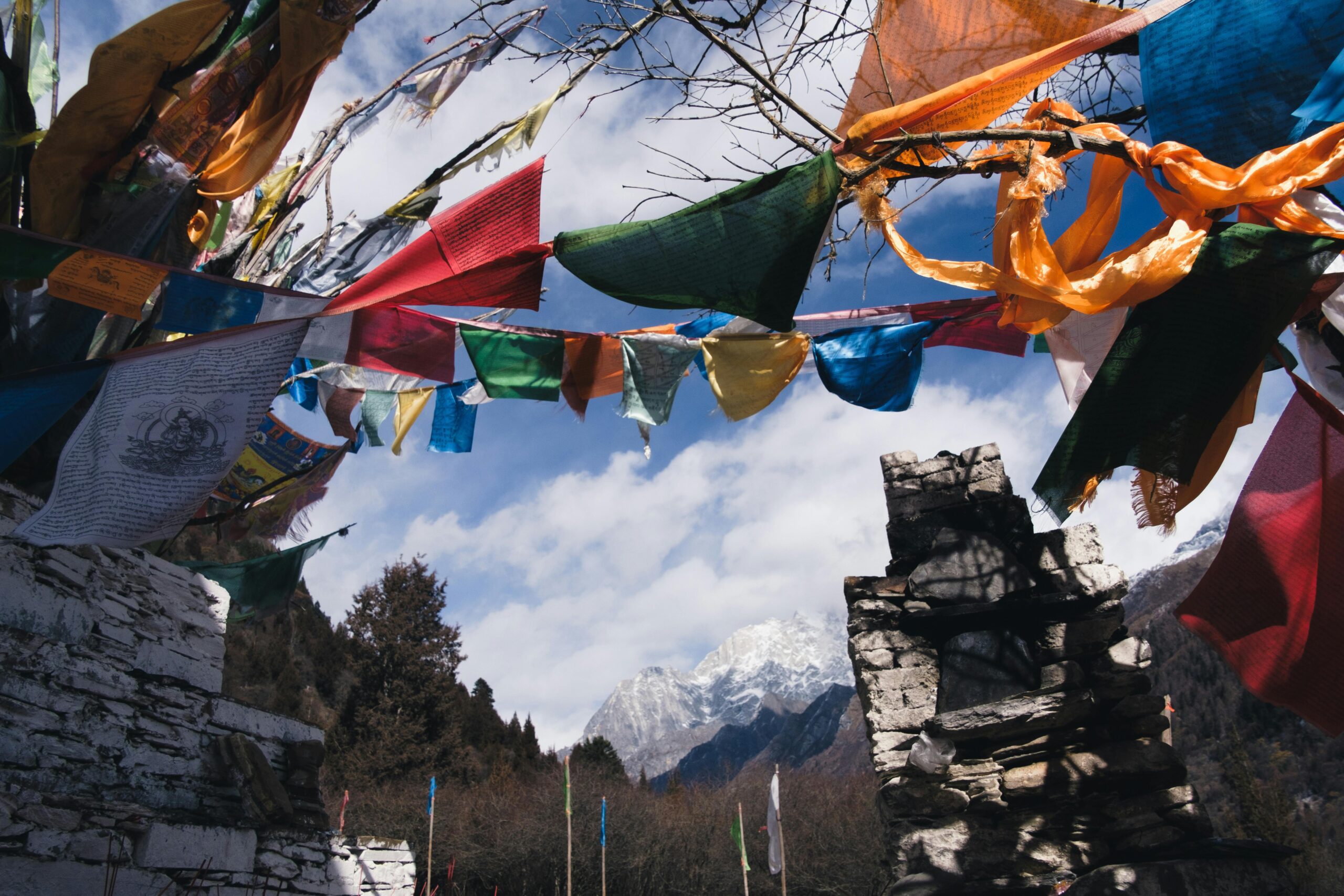
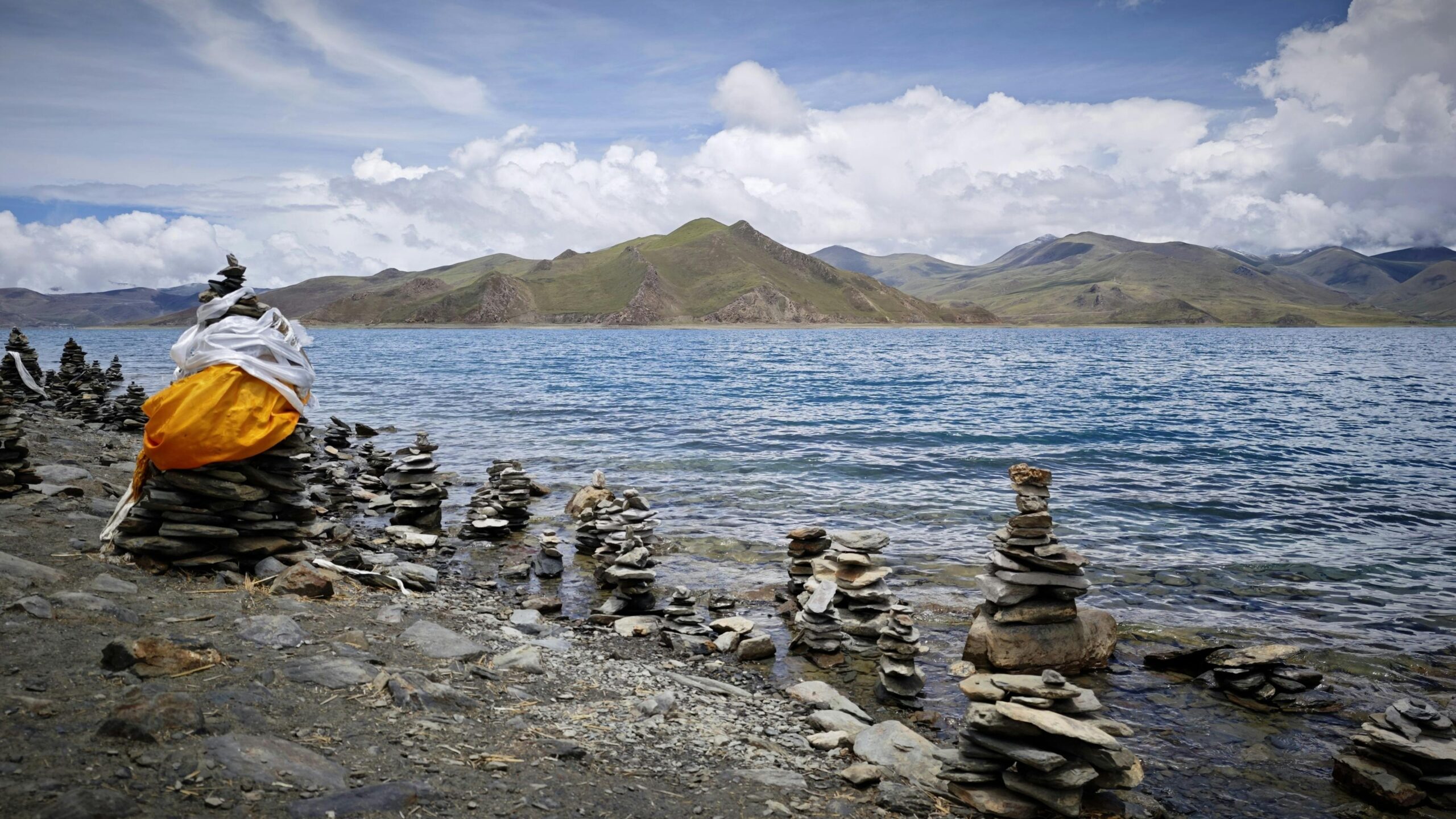
Tibet’s landscapes are dotted with mysterious stone piles and walls, often wrapped in colorful prayer flags. For many travelers, these “cairns” are one of the first visible signs that Tibet is not just a place—it is a living spiritual world.
In Tibetan culture, these are not casual hiking markers. They are mani stones: devotional stone carvings, stacked with intention in sacred places. Understanding what they mean—and how to behave around them—will make your journey through Tibet feel deeper, more respectful, and more connected.
This guide explains what mani stone cairns are, how they fit into Tibetan Buddhism, where you’ll see them on tour, and how to visit them responsibly with a local agency like Experience Tibet, which specializes in guided Tibet tours for foreign travelers.
What Are Mani Stone Cairns in Tibet?
From “Cairns” to Mani: A Tibetan Perspective
In English, we often call any pile of stones a cairn. In Tibet, though, the common term you’ll hear is “mani” (or mani stone).
A mani stone is:
- A stone carved, painted or engraved with sacred texts—most commonly the mantra
“Om Mani Padme Hum”, associated with Avalokiteshvara (Chenrezig), the bodhisattva of compassion. - A devotional offering in solid form, intended to accumulate merit, express faith, and bless the surrounding landscape.
Mani stones are often:
- Individually carved and then:
- Placed together into piles (cairns) or walls, forming a collective expression of devotion.
So while “cairn” suggests a neutral trail marker, mani stone cairns in Tibet are religious objects, closer to outdoor shrines than to practical waypoints.
Where You’ll See Mani Stones in Tibet
As you travel with a guided tour in Tibet, you’ll encounter mani stones in many forms:
- Along high passes and mountain roads
At the top of passes en route from Lhasa to Yamdrok Lake, Shigatse, Everest region and other classic routes, you’ll see large piles of stones, often covered in prayer flags. - Near monasteries and nunneries
Mani stones line paths leading to monasteries and temples around Lhasa, and in traditional towns across the plateau., - Around stupas (chortens) and village entrances
Many villages and sacred sites place mani piles near gateways and stupas to mark the sacred boundary. - On pilgrimage circuits (kora)
On more demanding journeys, such as a Mount Kailash pilgrimage tour, mani stones appear frequently along the kora (circumambulation) route.
A good local guide will point these out and explain their meaning as you travel from site to site.,
Mani Walls, Piles and Single Stones
You’ll see mani in several distinct forms:
- Mani cairns (stone piles)
Stacked heaps of carved or uncarved stones, usually with mani stones placed prominently on top or around the base. - Mani walls
Long, low walls made entirely from mani stones laid side by side. Pilgrims walk around these walls clockwise as an act of devotion. - Single mani stones
Individual stones built into house walls, small roadside shrines, or placed beside lakes and rivers.
All of these are treated as sacred objects, not mere decorations.
Spiritual Meaning of Mani Stone Cairns
Prayer in Stone: The Power of “Om Mani Padme Hum”
The mantra “Om Mani Padme Hum” is at the heart of mani stones. Tibetans believe that:
- Carving or commissioning this mantra onto stone is a powerful form of merit-making.
- Each stone is a kind of prayer, continuously radiating blessings to beings who see it, touch it, or walk past it.
- Mani stones help transform the landscape itself into a field of compassion.
For travelers, understanding this transforms your view: what seems like a random pile of rocks is in fact a silent, ongoing prayer.
Pilgrimage, Protection and Wayfinding
Mani stone cairns also play a role in:
- Pilgrimage routes – They often mark sections of a sacred circuit (kora) around lakes, mountains, or monasteries.
- Spiritual “signposts” – Mani piles can indicate auspicious directions, holy sites, or the boundary of a sacred space.
- Protection – Some are believed to protect travelers and local communities from harm or misfortune.
When you walk past mani stones on a guided tour, you’re following the same paths used by pilgrims for centuries.
Relationship With Prayer Flags, Stupas and Temples
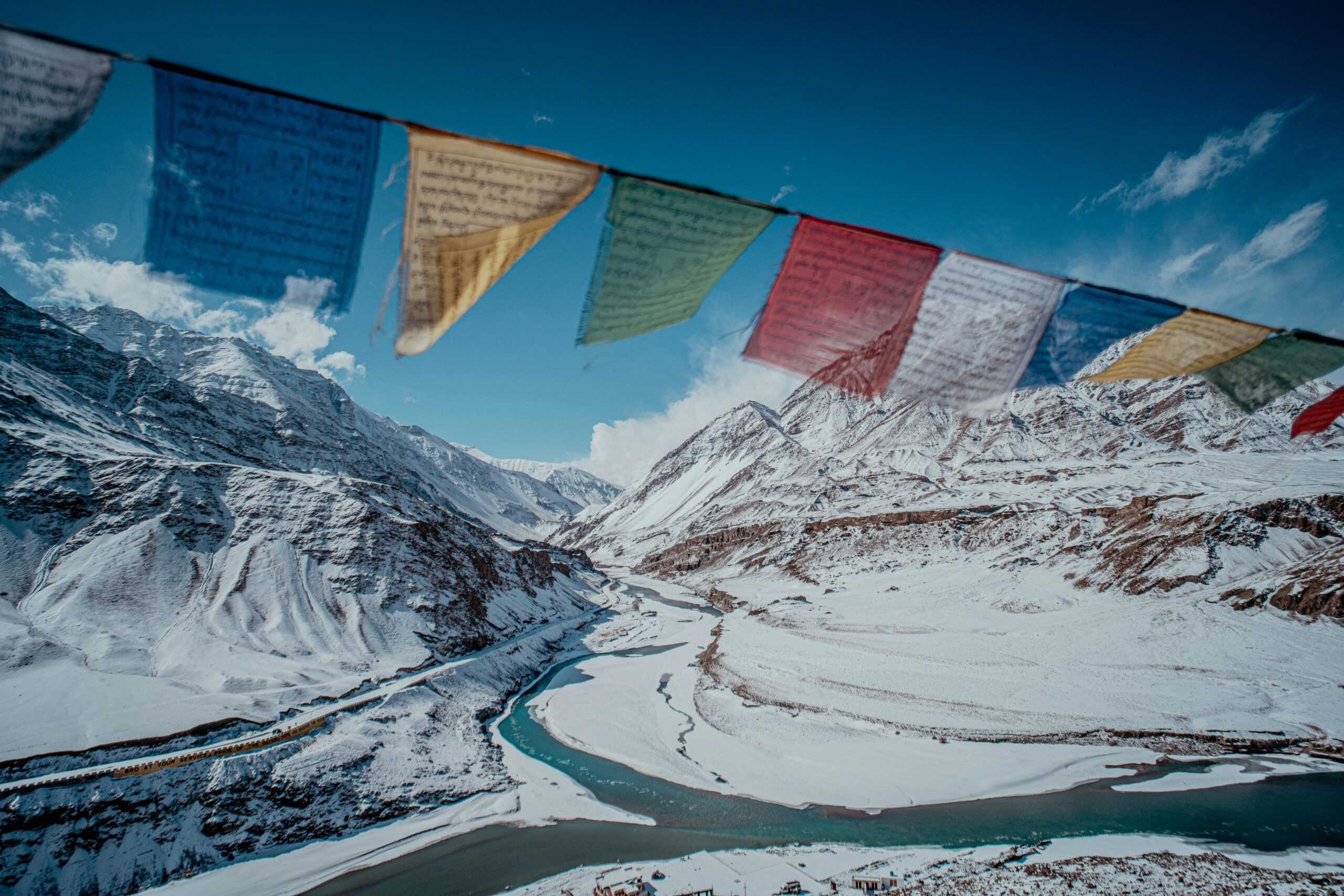
Mani stone cairns rarely stand alone; they usually appear alongside other sacred objects:
- Prayer flags (lungta)
Strung above stone cairns at high passes or hilltops, spreading prayers with the wind. - Stupas (chortens)
Mani stones circle or cluster around stupas, reinforcing the sanctity of the spot. - Monasteries and temples
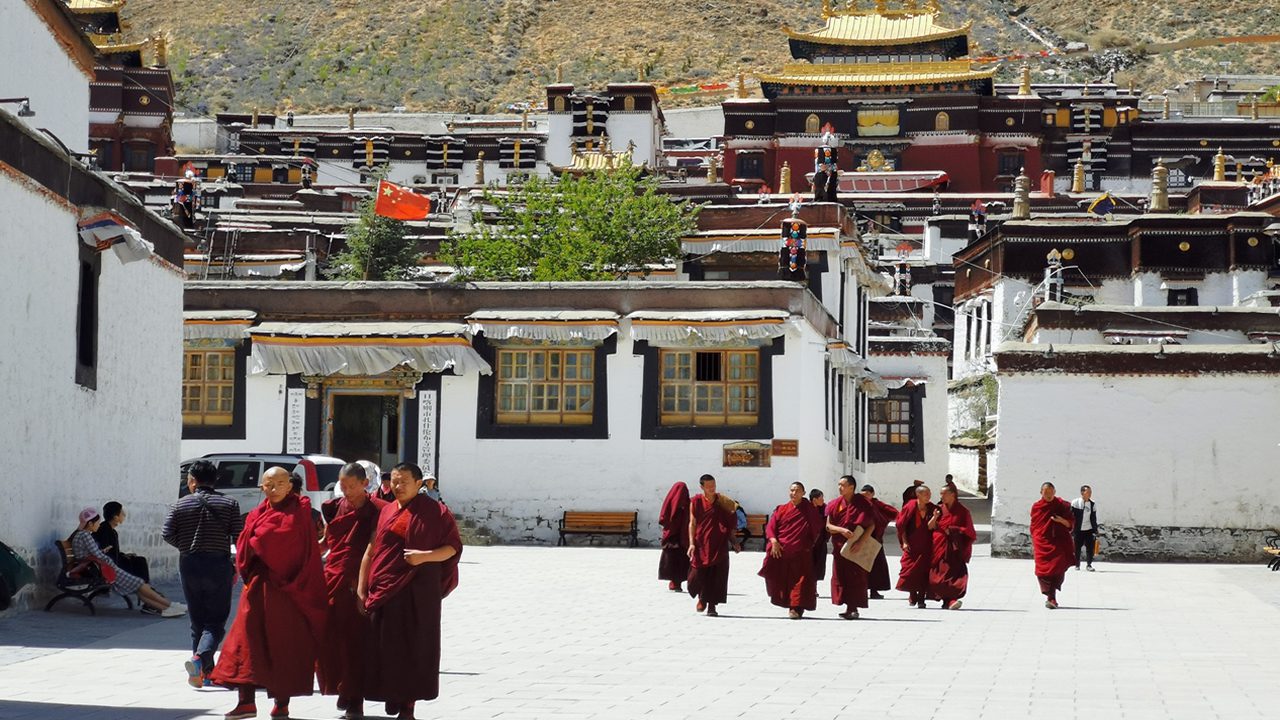
In Lhasa’s holy city and other spiritual centers, mani stones are part of the wider ritual landscape—together with spinning prayer wheels, circumambulation paths and prostration areas.
Mani Stone Cairns and Your Tibet Tour Experience
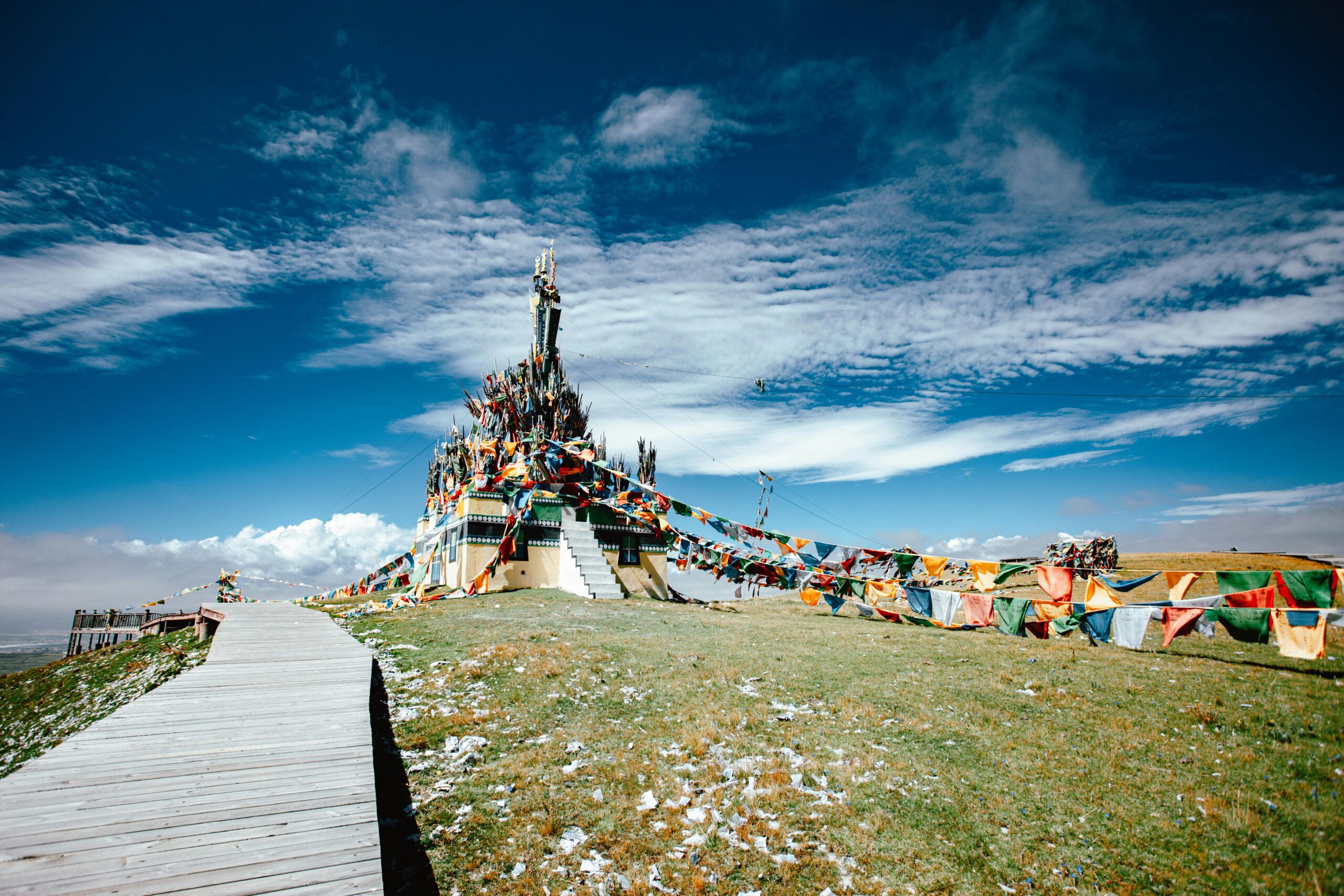
Where Travelers Commonly Encounter Mani Stones on Tours
On a well-planned Tibet itinerary, it’s almost impossible not to see mani stones. Common locations include:
- Lhasa and nearby monasteries
Around the Jokhang Temple, along the Barkhor kora, near Sera and Drepung Monasteries, and in the city’s many smaller chapels and shrines., - High passes between Lhasa and Shigatse
On classic routes like a 6–8 day Lhasa–Shigatse–Everest tour, you’ll cross passes where mani cairns and prayer flags dominate the skyline., - Sacred lakes such as Yamdrok and Namtso
Viewpoints above the lakes are often marked with mani stones and flags, making the scenery both spectacular and deeply symbolic., - Mount Kailash and Ngari region
On a Kailash pilgrimage tour, mani cairns appear throughout the kora, especially at high points and major rest spots.
Mani Stones on Small‑Group and Private Tours With Experience Tibet
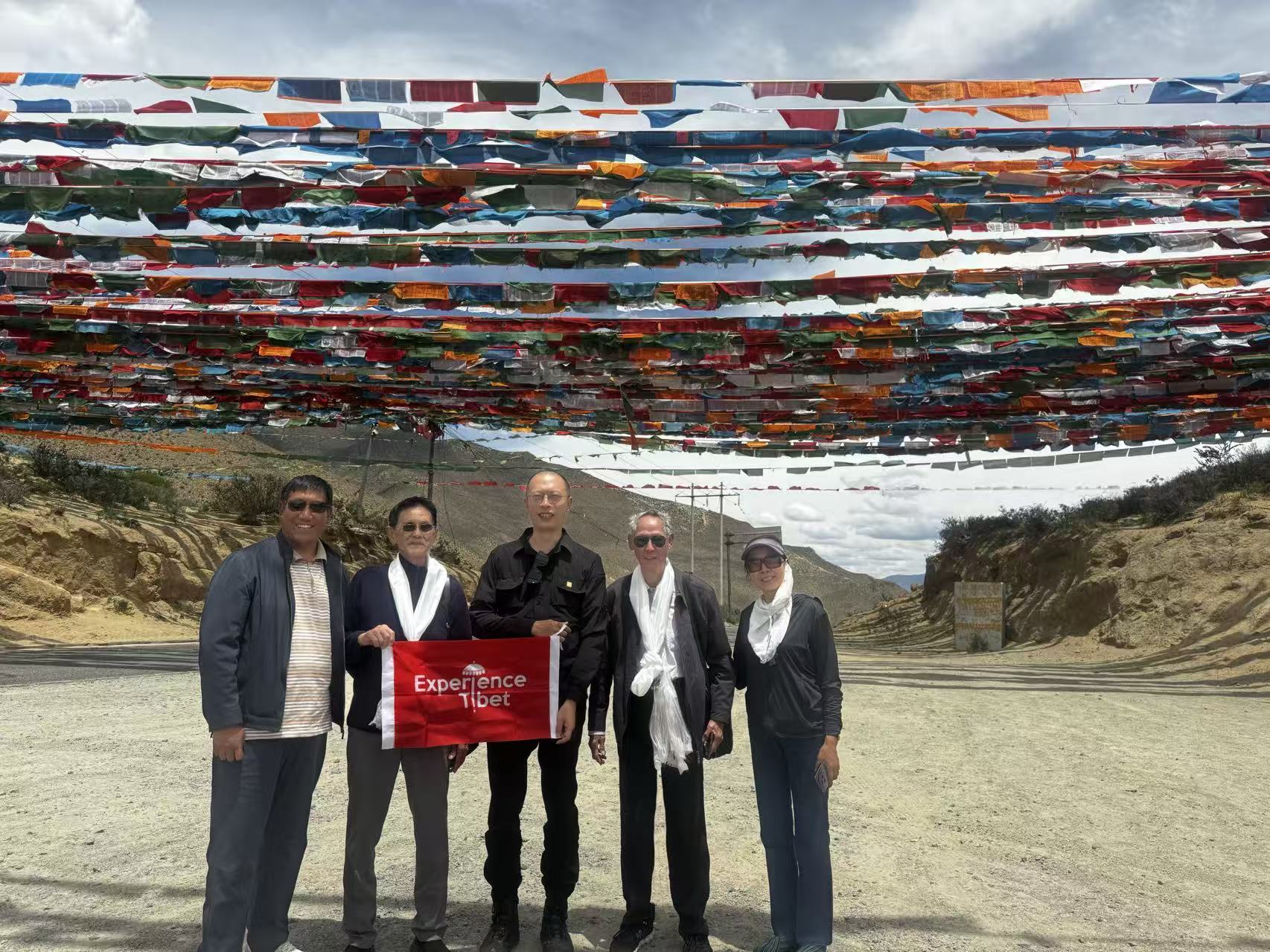
Foreign travelers cannot tour Tibet independently; travel must be arranged through a licensed local agency with permits and guides., That’s where Experience Tibet comes in:
- The company specializes in small‑group and private Tibet tours, including:
- The 4‑Day Lhasa Holy City Tour
- 5‑day and 6‑day itineraries combining Lhasa, Yamdrok Lake and Shigatse
- Extended journeys to Everest Base Camp and Mount Kailash,
- Guides are local experts who explain mani stones, rituals and etiquette as you encounter them along the way.
- Because groups are small, you have time in each place to observe pilgrims and ask questions, instead of just taking quick photos.,
Watching Local Pilgrims Interact With Mani Cairns
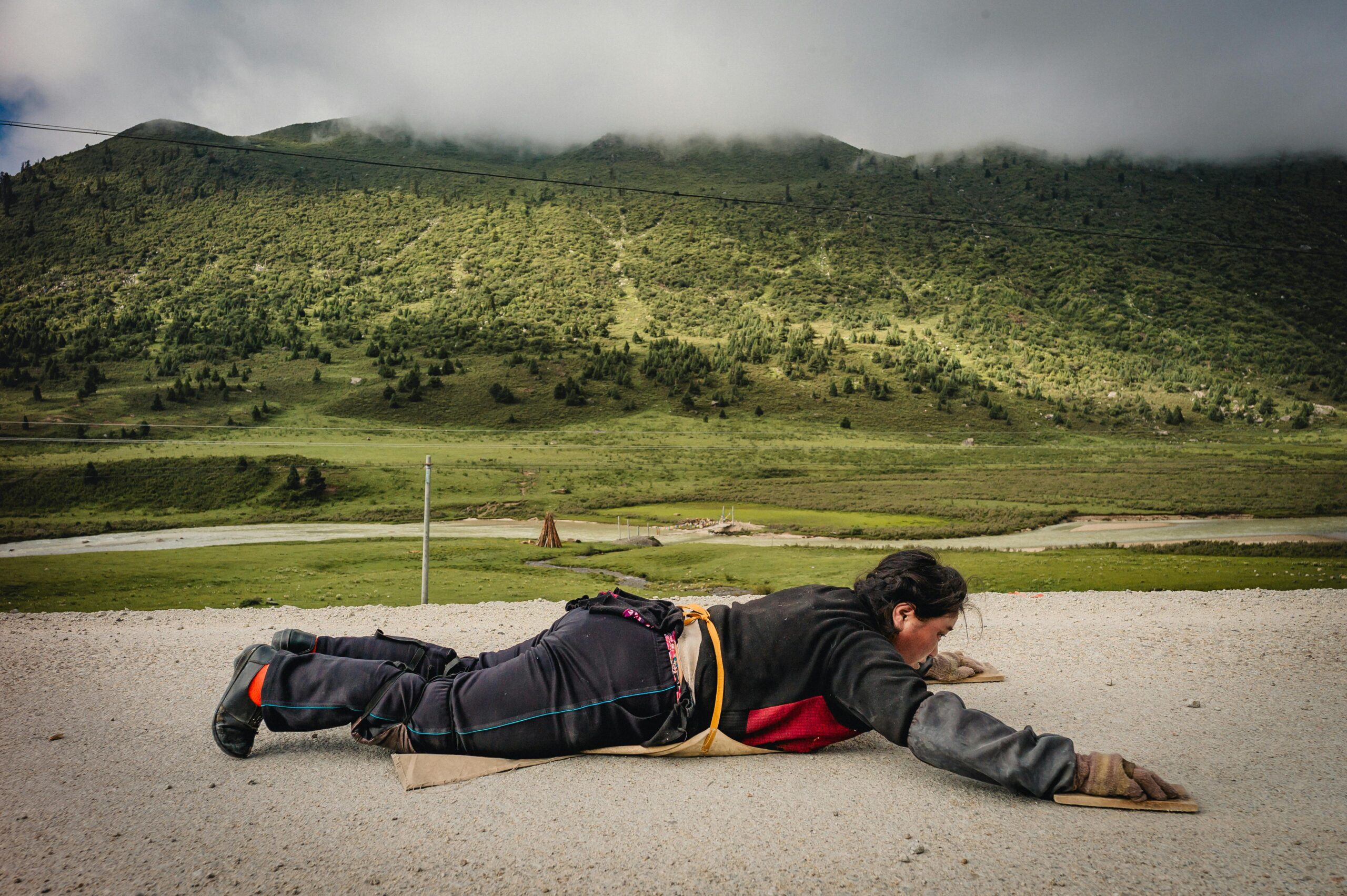
One of the most powerful moments on tour is simply watching how Tibetans interact with mani stones:
- Circumambulation (kora)
Pilgrims walk clockwise around mani walls, cairns, stupas and temples, sometimes for hours. - Offerings
They may add a small stone to a cairn, light incense or juniper, or leave other small offerings nearby. - Prostrations
In especially sacred places (like around the Jokhang or on the Kailash kora), some pilgrims prostrate themselves repeatedly as they move past mani walls.
Seeing this up close—guided by someone who can translate the symbolism—helps you understand that mani cairns are not relics of the past, but part of a living devotional practice.
How to Behave Around Mani Stone Cairns: Etiquette for Travelers
Walking the Right Way Around Mani Stones
As with stupas and temples, direction matters:
- Always walk clockwise around mani walls and major cairns.
- This means you keep the mani stones on your right side as you pass.
- Follow your guide; if local pilgrims are moving in a certain direction, match their flow.
This simple habit shows immediate respect for local customs.
What You Should and Shouldn’t Do
Do:
- Walk by slowly and respectfully, especially if locals are praying.
- Lower your voice; treat the area like a place of worship.
- Ask your guide if you’re unsure how to act.
Don’t:
- Climb, sit or stand on mani stone cairns or walls.
- Remove, rearrange or stack stones for fun or for photos.
- Carve or write your name, initials, slogans or symbols on any stone.
- Treat mani stones as props for social media shots.
Remember: these piles are equivalent to outdoor altars, not hiking toys.
Photography Tips and Respectful Distance
- It’s generally fine to photograph mani cairns, but:
- Don’t block pilgrims’ paths or step into ritual areas for a better angle.
- Avoid touching or moving stones.
- When photographing people praying or making offerings:
- Ask permission when possible.
- Respect anyone who seems uncomfortable being photographed.
- Your guide can help you communicate politely.
Modern Cairn‑Building vs. Traditional Mani Stones: Cultural and Environmental Issues
When a Cairn Is Not a Mani Stone
Western hikers sometimes have a habit of building small stone piles “just for fun” or as personal markers. In Tibet, this practice can clash with local traditions:
- A random pile can disrupt the visual language of the landscape, which relies on meaningful placement of mani stones.
- Locals may mistake an artificial cairn for a sacred marker, or it may simply feel disrespectful.
In short: not every cairn is a mani, and not every place is appropriate for building one.
Environmental Concerns and Overtourism
Modern tourism brings extra pressure to fragile high‑altitude environments:
- Removing stones from one spot can disturb fragile alpine vegetation.
- Excessive or misplaced cairns can confuse future hikers and pilgrims.
- Over‑building in popular viewpoints leads to visual clutter in what were once pristine sacred landscapes.
Responsible agencies like Experience Tibet emphasize sustainable tourism and respect for both culture and environment, urging travelers to enjoy the scenery without altering it.,
Responsible Travel Practices
To support both culture and nature:
- Follow a “leave no trace” approach:
- Don’t build new cairns.
- Don’t take stones as souvenirs.
- Don’t write on or repaint mani stones.
- Let your local guide decide if/when it’s appropriate to add a stone to an existing sacred pile.
- Channel your desire to “leave a mark” into positive actions:
- Support local communities, monasteries, and conservation projects.
- Share accurate, respectful information about Tibet when you return home.
Mani Stones, Monasteries and Key Spiritual Sites in Tibet
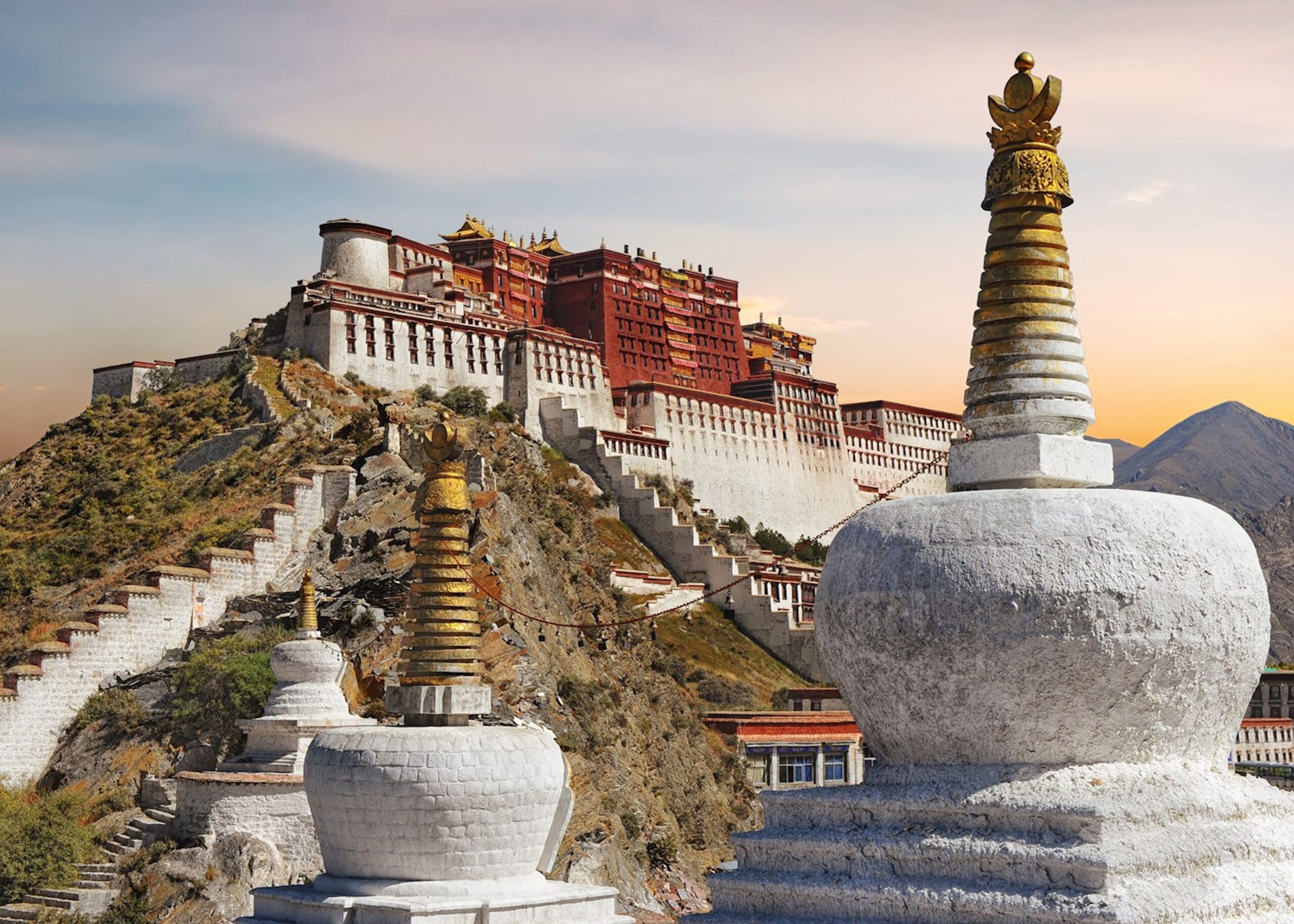
Lhasa’s Sacred Circuit: Mani Stones Near Iconic Sites
Lhasa is the heart of Tibetan spiritual life and the starting point for most itineraries.
On a Lhasa Holy City Tour, you can expect to see mani stones around:
- Jokhang Temple and the Barkhor kora
Pilgrims circle the temple, muttering mantras, spinning prayer wheels, and passing by mani stones and other offerings. - Potala Palace surroundings
While the palace itself is the main focus, the area around it includes smaller shrines and devotional sites that may feature mani stones. - Sera and Drepung Monasteries
As you explore these monasteries and their debating courtyards, you’ll notice mani stones integrated into the wider monastic environment.,
Mani Stones on Kailash and Ngari Pilgrimage Routes
For those seeking deeper spiritual immersion, Mount Kailash is one of the ultimate destinations in Tibet:
- The Kailash kora is ringed with mani stones and cairns, marking key points on the circuit.
- Pilgrims add stones to specific piles, chant mantras, and make offerings as they pass.
- A Kailash pilgrimage tour with a local guide helps you navigate not just the physical route but the rituals and meanings associated with each mani cairn along the way.,
High Passes, Lakes and Remote Villages
Beyond the major cities:
- High passes on routes to places like Yamdrok Lake, Namtso, Shigatse and Everest are crowned with mani stones and flags, turning each summit into a mini temple under the open sky.,
- Village entrances and local shrines often feature small mani piles, marking the transition from everyday space to sacred community ground.
Planning a Tour to Discover Mani Stone Cairns in Tibet
Recommended Itineraries to See Mani Stones
Depending on your time and interests, you can choose from several types of itineraries with Experience Tibet that naturally include mani stone sites:,
Short cultural immersion:
- 4‑Day Lhasa Holy City Tour
Ideal if you have limited time. You’ll explore Lhasa’s main spiritual sites, where mani stones blend into daily religious life.
Classic high‑pass routes:
- 5‑Day Lhasa & Yamdrok Lake Tour
Includes a high pass with mani cairns and panoramic views over the lake. - 8‑Day Lhasa–Shigatse–Everest Route
Combines cultural visits with dramatic high passes and mani‑lined roads.
Deep spiritual journeys:
- Extended Tibet itineraries including Mount Kailash
Multi‑day tours to western Tibet let you experience the full power of mani cairns along the Kailash kora and in remote Ngari.
You can browse available tours and sample itineraries on the Tibet Tours and Tibet Travel Blog sections of the Experience Tibet site.,
Best Season to Travel for Outdoor Sacred Sites
Because mani cairns are often located at high altitude and on exposed passes, weather matters:
- April–October is typically best for access to high‑altitude sites, lakes and remote regions.
- In winter, some passes can be restricted, and tours may focus more on Lhasa and nearby valleys.
- The Tibet Travel Guide 2025 on Experience Tibet’s site offers updated information on seasons, routes, and current conditions, which is important given that certain areas can be more restricted at times.,
Preparing for High Altitude and Cultural Immersion
To enjoy mani stone sites comfortably and respectfully:
- Acclimatize in Lhasa before heading higher.
- Dress in layers; high passes can be windy and cold even in summer.
- Read through FAQ and travel guide resources on permits, health, and cultural etiquette so you know what to expect.,
- Travel with a licensed local agency (as required by law) that prioritizes responsible tourism and cultural respect.
FAQ About Mani Stone Cairns in Tibet
What is a mani stone cairn in Tibet?
A mani stone cairn is a pile or wall of stones, often carved or painted with sacred mantras (especially “Om Mani Padme Hum”), placed in sacred locations such as passes, monastery paths, village entrances and pilgrimage routes. It functions as an outdoor devotional shrine, not a casual trail marker.
Are tourists allowed to add stones to mani cairns?
In some cases, yes—but only respectfully and usually under guidance:
- It may be appropriate to add a small stone to an existing sacred cairn if your local guide says so.
- Do not start a new pile or alter the shape of an existing one.
- When in doubt, it is more respectful to observe rather than participate.
Can I touch or rearrange mani stones for photos?
You should avoid touching or moving mani stones. Rearranging them for aesthetic photos is considered disrespectful and can damage the integrity of the shrine. Treat them as you would religious objects in a temple.
Where can I see the most mani stones on a short Tibet tour?
On shorter itineraries, mani stones are most visible:
- Around Lhasa’s spiritual sites, especially Jokhang Temple, Barkhor kora, Sera and Drepung Monasteries.
- On viewpoints and passes included in tours to Yamdrok Lake and other nearby destinations.
A 4–6 day tour starting in Lhasa with a reliable operator like Experience Tibet will naturally include several mani stone locations.,
Are mani stones only Buddhist, or do they appear in other Himalayan traditions?
Mani stones are specifically linked to Tibetan Buddhism, particularly the practice of inscribing mantras and sacred texts. However, similar stone offerings and cairns appear in other Himalayan cultures influenced by Tibetan Buddhism and older local traditions.
Join a Tibet Tour to Experience Mani Stone Cairns Respectfully
Mani stone cairns are one of the most striking and meaningful expressions of Tibetan spirituality. Seen through informed eyes, they turn every mountain pass and village entrance into a living mandala of devotion.
To experience them in a way that respects both local culture and Tibet’s strict travel regulations, it’s essential to:
- Travel with a licensed local agency (required for all foreign tourists).,
- Choose a small‑group or private tour that allows enough time for cultural explanations, not just quick photo stops.
- Follow your guide’s advice on etiquette, environmental care, and participation in local practices.
Experience Tibet is a Lhasa‑based operator focused on guided Tibet tours, offering:
- Carefully designed itineraries across Lhasa, Everest, Kailash, sacred lakes and more.,
- Up‑to‑date support on permits and travel restrictions.
- Local guides ready to explain the stories and rituals behind every mani wall and cairn you encounter.
To start planning your journey:
- Explore the Tibet Tours, Travel Guide, and Tibet Travel Blog sections on the Experience Tibet website.,
- Reach out via the contact details on the site (email, WhatsApp, WeChat) to design an itinerary that matches your interests and timeframe.,
Traveling with knowledge and respect, you won’t just see mani stones—you’ll understand why they matter, and you’ll walk among them as an informed guest in Tibet’s sacred landscape.