 About
About





 Tibet Tours
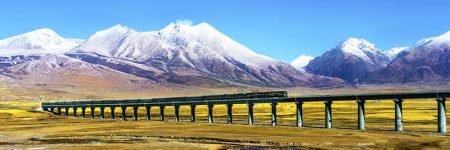
 Tibet Train Tours
 Himalaya Tours (Tibet-Nepal-Bhutan)
 Private Tours
 Mount Kailash Tours
 Trekking Tours
 Travel Guide
 Tibet Travel Blog
 FAQ
FAQ About us
Tibet is one of the world’s most extraordinary destinations: high Himalayan landscapes, ancient monasteries, and a living Buddhist culture that still shapes daily life. But visiting Tibet isn’t as simple as booking a flight and showing up. Foreigners must follow specific rules, travel with a licensed agency, and obtain the right permits.
ExperienceTibet is a Tibetan‑run agency specializing in small group tours—4‑day Lhasa city trips, classic Lhasa–Shigatse routes, Everest Base Camp, and even 15‑day Mt. Kailash pilgrimages—designed to make the process smooth and authentic for you.,
This guide explains, step by step, how to visit Tibet in 2026 safely, legally, and respectfully, and how to make the most of your time there—without duplicating the more detailed FAQ and 2025 Travel Guide already on the site.
1. Can Foreigners Visit Tibet? What You Really Need to Know Before You Plan
Before going into permits and itineraries, you need clarity on one key point: yes, foreigners can visit Tibet, but under specific conditions.
ExperienceTibet already has a detailed blog article about independent travel regulations (“Can You Visit Tibet Independently? 2025 Guide for Solo Travelers”), which explains the rules for solo travelers and why independent travel within the Tibet Autonomous Region (TAR) is restricted.
1.1 Who Can Visit Tibet Today?
Most foreign passport holders—Americans, Europeans, Australians, Asians, etc.—can visit Tibet provided they:
- Hold a valid passport.
- Obtain a Chinese visa (unless they come via special schemes not common for Tibet).
- Join a tour operated by a licensed Tibet travel agency (like ExperienceTibet) that arranges the mandatory Tibet Travel Permit and any additional permits.
Travelers from different countries may face slightly different visa procedures, but the fundamentals are the same. For nationality‑specific details (e.g., US citizens, Indian travelers), ExperienceTibet tends to address them in specialized guides/tours rather than in one generic article, to avoid confusion and keyword solapamiento.
1.2 Independent Travel vs Organized Tours in Tibet
One of the biggest questions is: “Can I visit Tibet independently?”
ExperienceTibet solo‑travel article already goes in‑depth on this.
- In the Tibet Autonomous Region (TAR) (Lhasa, Shigatse, Everest Base Camp, Mt. Kailash, etc.), foreigners must travel with a licensed agency and a guide.
- Solo backpacking without a tour, or moving freely between cities without permits, is not allowed.
- In certain “Tibetan cultural areas” outside the TAR (parts of Qinghai, Sichuan, Yunnan, Gansu), foreigners can often travel more independently—but that is not the same as visiting the TAR, where most iconic sites are.
What you can do independently:
- Decide your dates.
- Compare tours and agencies.
- Choose between small group tours and private/custom itineraries.
- Spend free time in Lhasa’s Barkhor area or similar, within the framework of your tour.
For deeper detail about what is and isn’t allowed, check the independent‑travel guide on the blog, which covers solo travel rules, restricted zones, and how guided travel still allows plenty of personal freedom.
2. The 3 Essential Documents to Visit Tibet Legally
To visit Tibet legally and smoothly, you need three key things:
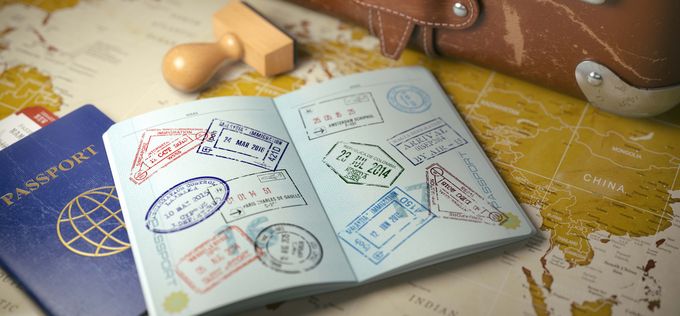
- A passport (valid at least six months beyond your trip).
- A Chinese visa (if you enter via mainland China).
- A Tibet Travel Permit (arranged through your agency).
The Tibet Travel FAQ on ExperienceTibet explains these in Q&A format.
2.1 Chinese Tourist Visa (L Visa): Your First Step via Mainland China
If you plan to enter Tibet through Beijing, Chengdu, Xian, Shanghai, or other cities in mainland China, you must first get a Chinese tourist visa in your home country (or current residence).
- Apply for the L (tourist) visa at your local Chinese embassy/consulate or via an official visa center.
- Usually you’ll need:
- Passport.
- Completed visa application.
- Photo.
- Sometimes proof of flights/accommodation in China (your ExperienceTibet consultant can advise what is currently required).
Once you have your Chinese visa and confirm your Tibet tour with ExperienceTibet, the agency will use your passport and visa copies to process your Tibet permits.
Note: If you are entering from Nepal or on a combined Nepal-Tibet tour, a Chinese Group Visa issued in Kathmandu is normally required, which replaces the individual visa.
2.2 Tibet Travel Permit: The Key Document to Board Plane or Train
The Tibet Travel Permit (TTP) is mandatory for all foreigners entering the TAR, and you cannot apply for it yourself. It must be arranged by a licensed Tibet travel agency.
Lo esencial:
- Who applies? Your agency (e.g., ExperienceTibet).
- What they need from you?
- Passport scan.
- Chinese visa scan.
- Confirmed itinerary and dates.
- Why it matters?
- You cannot board a flight or train to Lhasa without it.
- Hotels in Tibet will often check it at check‑in.
ExperienceTibet’s FAQ section covers this clearly in Q&A form (“Do I need a Tibet Travel Permit (TTP)?”).
2.3 Extra Permits for Special Regions (Everest, Kailash & More)
Depending on your route, additional permits may be needed—often mentioned in the FAQs and tour descriptions.,
Typical examples:
- Aliens’ Travel Permit – for areas like Shigatse and Everest Base Camp.
- Military or Border Permits – for highly sensitive border regions, such as Mt. Kailash or remote western Tibet.
You do not need to worry about applying for these yourself. When you book an Everest Base Camp Tour or Mt. Kailash tour with ExperienceTibet, the agency includes all required permits and handles them in the background.
3. How to Get to Tibet: Plane, Train and Overland Routes
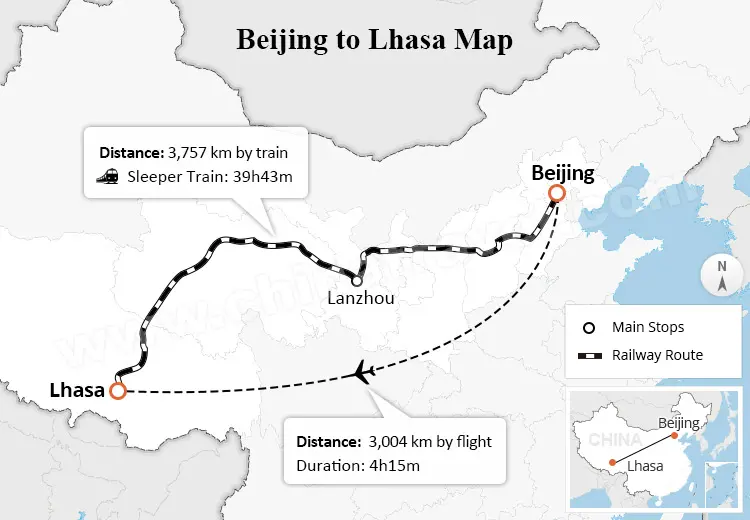
Once your visa and permits are in motion, the next big question is: how will you actually get to Tibet?
3.1 Flying to Lhasa: Fastest and Most Common Option
Most travelers reach Tibet by flying to Lhasa Gonggar Airport from a major Chinese city:
- Common gateways: Chengdu, Chongqing, Xian, Beijing, Shanghai, and others.
- ExperienceTibet often recommends a route that allows a gradual altitude gain and enough time in Lhasa for acclimatization. Many of their small group tours start with arrival and pick‑up in Lhasa.,
Key tips:
- Make sure your Tibet Travel Permit has been issued and arranged before your flight—you may be asked to show it when checking in at the airport in mainland China.
- Coordinate your arrival time with your tour start date so your guide can meet you at the airport (included in most tour packages).
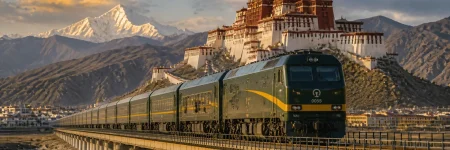
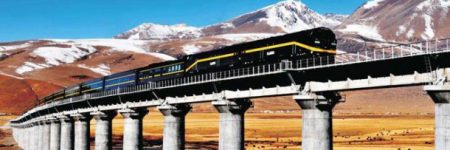
3.2 Taking the Qinghai–Tibet Train: Scenic and Helpful for Acclimatization
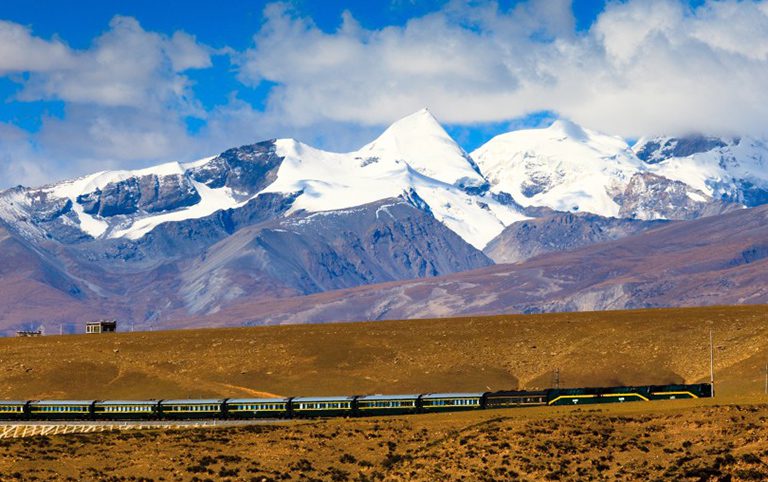
The Qinghai–Tibet Railway is one of the highest railway lines in the world and a memorable way to arrive in Lhasa:
- Routes typically begin in cities like Xining, Chengdu, Chongqing, Beijing.
- The journey takes longer than a flight but offers:
- Gradual ascent, which can help with altitude acclimatization.
- Spectacular landscapes across the Tibetan Plateau.
ExperienceTibet’s travel blog includes a “Plateau of Tibet Map” guide that helps visualize these routes and understand the geography of the region, which is especially useful if you’re choosing between train and plane.
As with flights:
- You must have your Tibet Travel Permit ready.
- The agency will advise on which city and train make the most sense for your chosen tour.
3.3 Entering Tibet from Nepal or India
Many travelers dream of a Nepal–Tibet or India–Tibet combination:
- From Nepal, tourists usually:
- Obtain a Chinese Group Visa in Kathmandu.
- Enter Tibet overland or by plane (e.g., Kathmandu–Lhasa).
- From India, routes often involve:
- Flying into Nepal or a major Chinese city.
- Then continuing to Tibet by plane/train.
ExperienceTibet offers 8‑day Nepal tours and multi‑country combinations in its tour catalogue, which can be combined with Tibet itineraries.
Given the complexity, these routes are typically covered in dedicated tour pages and tailored advice rather than one general article.
4. Best Time to Visit Tibet: Seasons, Weather and Festivals
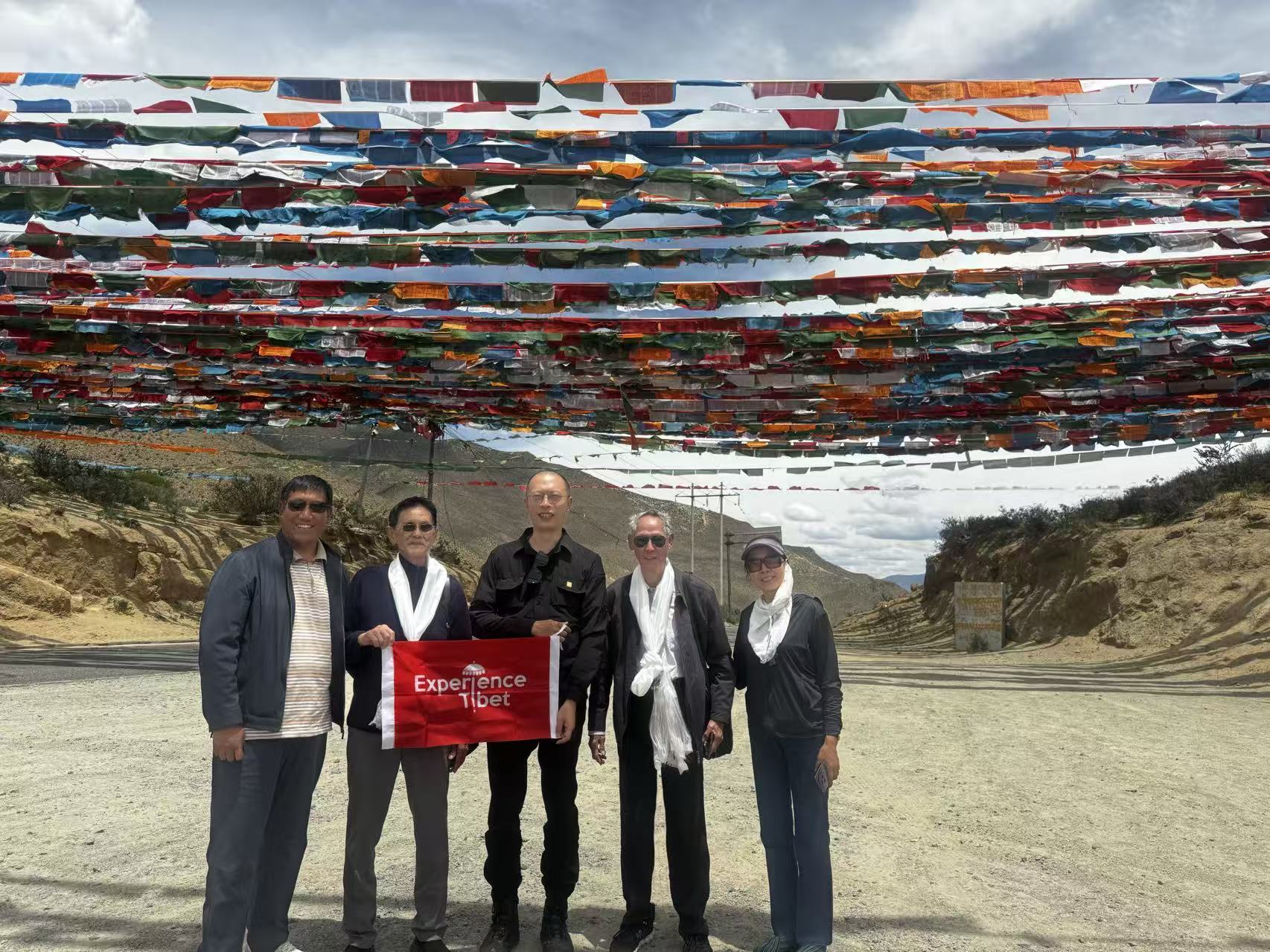
Choosing when to visit is almost as important as choosing where to go. ExperienceTibet already has a dedicated category “Best Time to Visit” and a Tibet Travel Guide 2026 that goes deep into months and seasonal conditions.
Here you’ll find a strategic overview so you can decide the right window for your trip.
4.1 Tibet by Seasons
- Spring (April–May)
- Snow begins to melt, roads open up.
- Clear skies, especially good for mountain views.
- Summer (June–August)
- Warmer temperatures; fields are green.
- Some rainfall, but still a popular time for travel.
- Autumn (September–October)
- Stable weather, crisp air, excellent visibility.
- Often considered the best all‑round season.
- Winter (November–March)
- Cold, but Lhasa and central Tibet can still be visited.
- Fewer tourists, lower prices, very atmospheric in cities and monasteries.
For a more detailed breakdown by month, you can cross‑check the dedicated “Best Time to Visit” content category on the blog, which discusses timing in more depth.
4.2 High Season vs Low Season
- High Season: roughly May–October
- Pros: best weather, maximum route availability.
- Cons: higher prices, more visitors at iconic sites.
- Low/Shoulder Season: late autumn and winter
- Pros: fewer tourists, potential cost savings, calmer atmosphere.
- Cons: cold temperatures; some remote routes may be limited.
The Tibet Travel Guide 2026 summarizes these factors while connecting them to tour options, permits and costs.
4.3 Festivals and Cultural Highlights
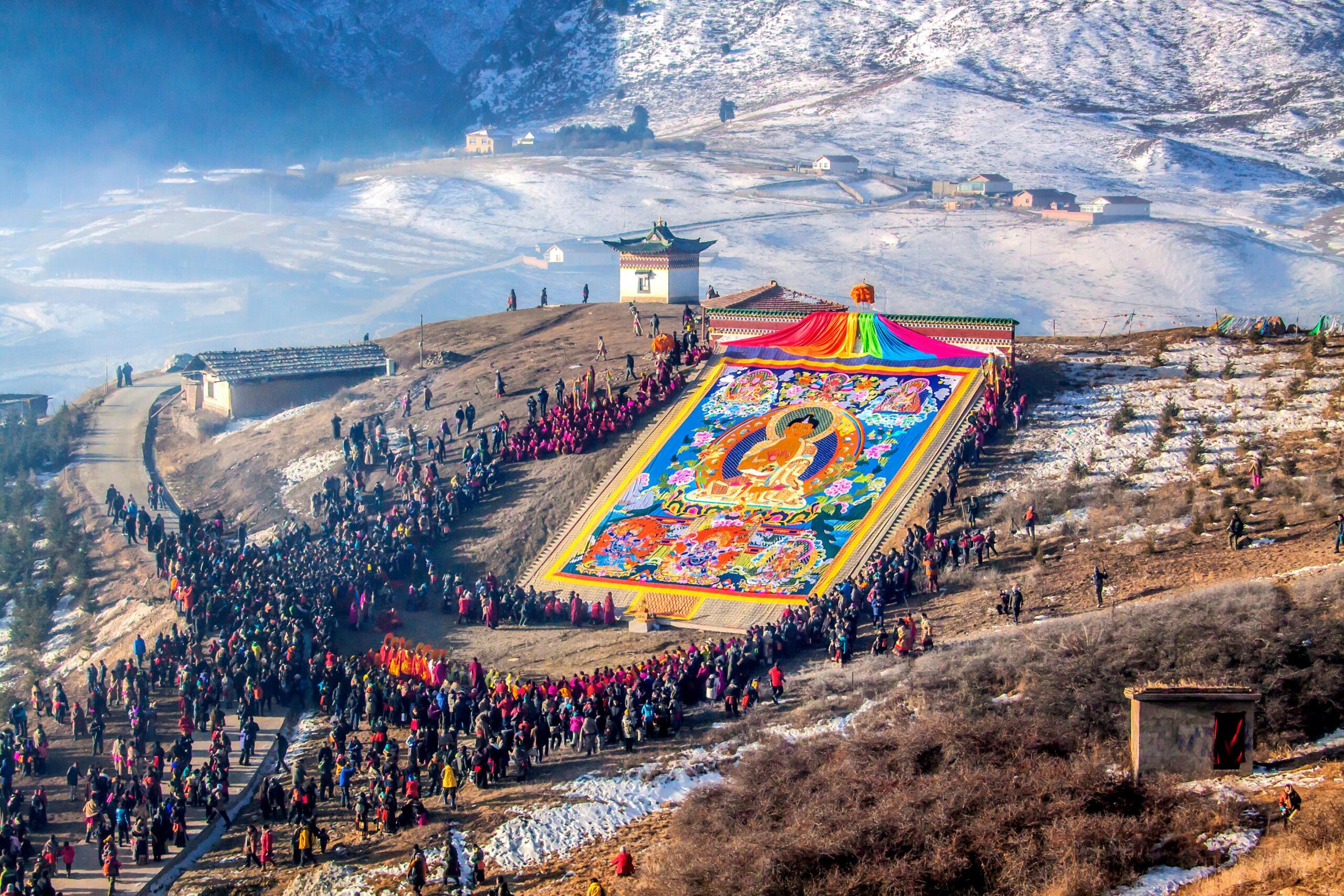
Tibet’s religious calendar is rich in Buddhist festivals, processions, and local celebrations. While not every festival suits every traveler (some dates change based on the lunar calendar), aligning your trip with a major event can transform your experience.
ExperienceTibet blog has multiple culture‑oriented posts—on Tibetan Buddhism, education, and spiritual sites in Lhasa—that can help you understand the meaning and etiquette around such events.,
A few examples to research (dates vary each year):
- Monlam Prayer Festival
- Saga Dawa (honoring the Buddha’s birth, enlightenment and parinirvana)
- Shoton (Yogurt) Festival in Lhasa
5. Classic Tibet Itineraries: How Many Days Do You Really Need?
ExperienceTibet specializes in small group itineraries that match key time frames: 4 days, 5 days, 6 days, 8 days, 15 days and more.,
Here’s how to think about your visit in terms of duration.
5.1 4–5 Days: Essential Lhasa City and Monasteries
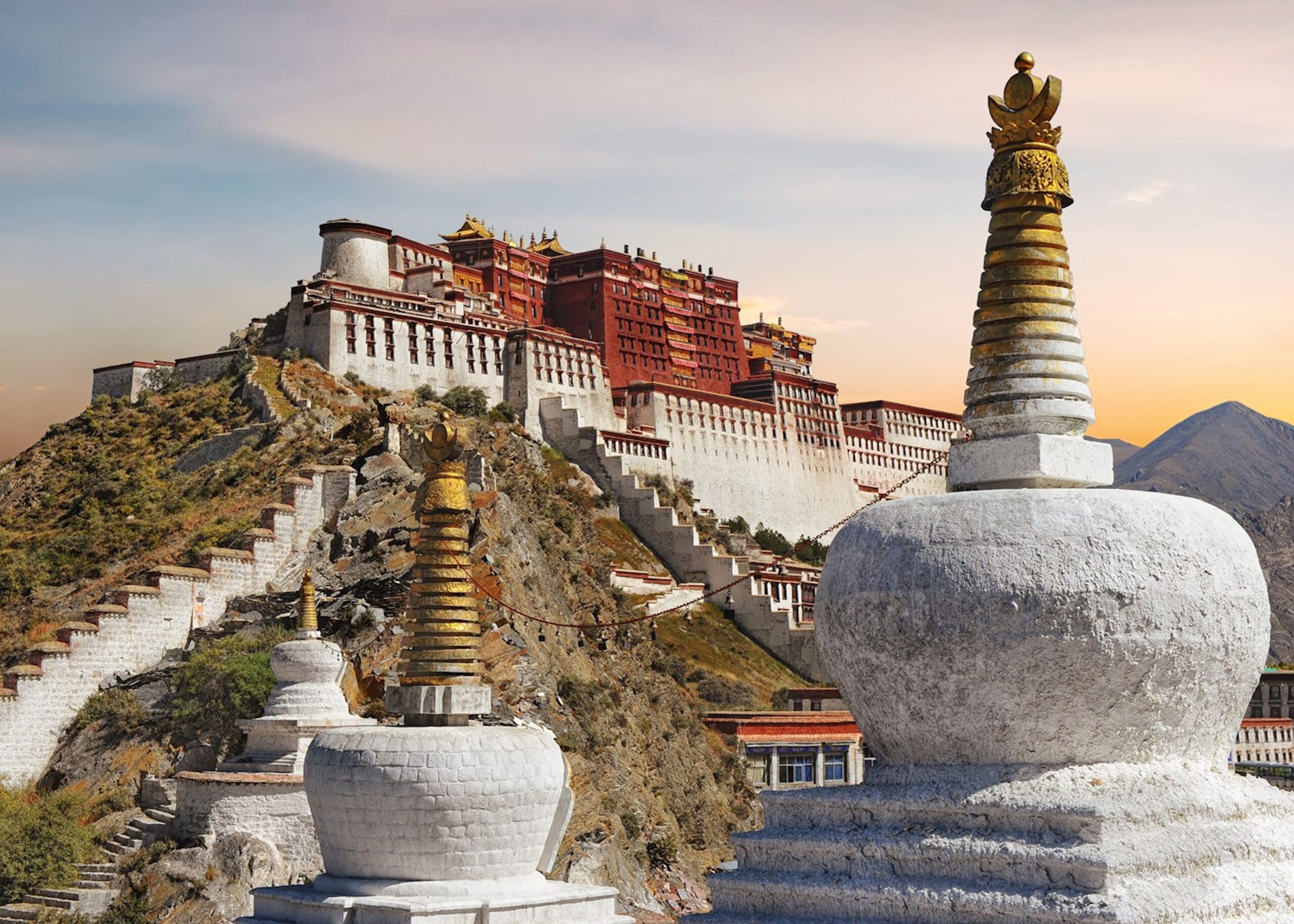
If you have only a few days, a 4‑Day Lhasa Holy City Tour or 5‑Day Lhasa & Yamdrok Lake Tour gives you a deep but manageable introduction.,
Typically includes:
- Lhasa:
- Potala Palace.
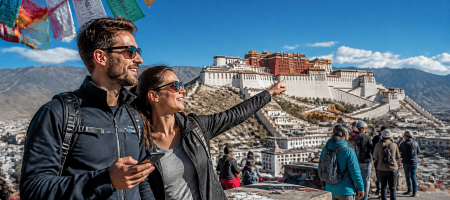
- Jokhang Temple.
- Barkhor Street.
- Major monasteries around the city.
- Optional extension to Yamdrok Lake (on 5‑day version): brilliant turquoise waters and high‑altitude scenery.
This duration is perfect if:
- You’re concerned about altitude and want a shorter stay.
- You’re combining Tibet with a longer China or Nepal trip.
- You prefer a more relaxed pace focused on culture and spirituality.
5.2 6–10 Days: Lhasa Plus Central Tibet and Everest Base Camp
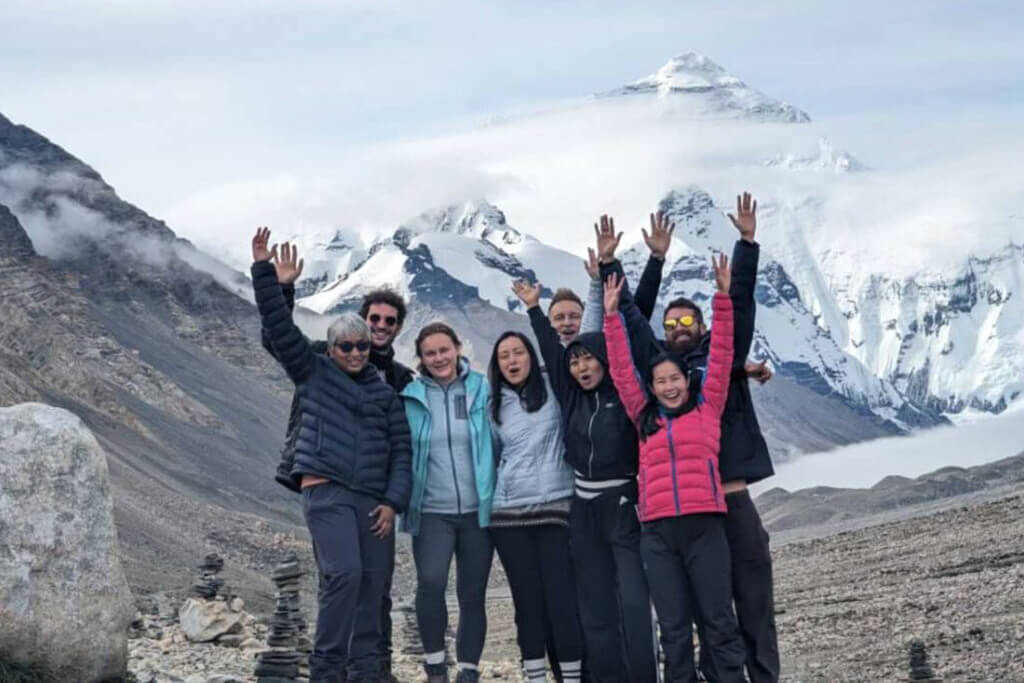
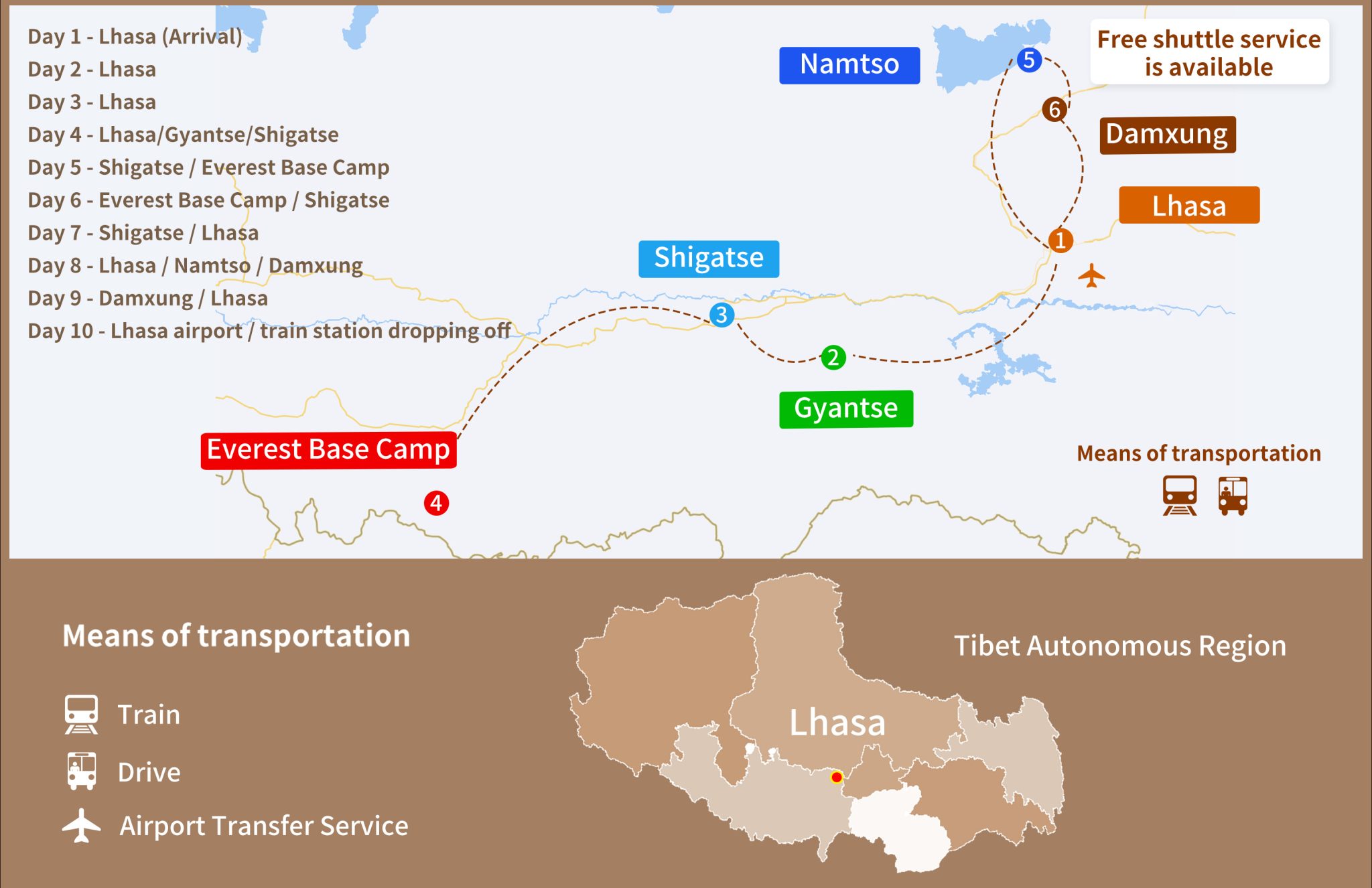
For a fuller experience, many travelers choose 6–10 days. ExperienceTibet offers a 6‑Day Lhasa to Shigatse Golden Route Tour and an 8‑Day Everest Base Camp Tour, among others.,
These itineraries often include:
- All the highlights of Lhasa.
- Road journey through Gyantse, Shigatse, and the central valleys.
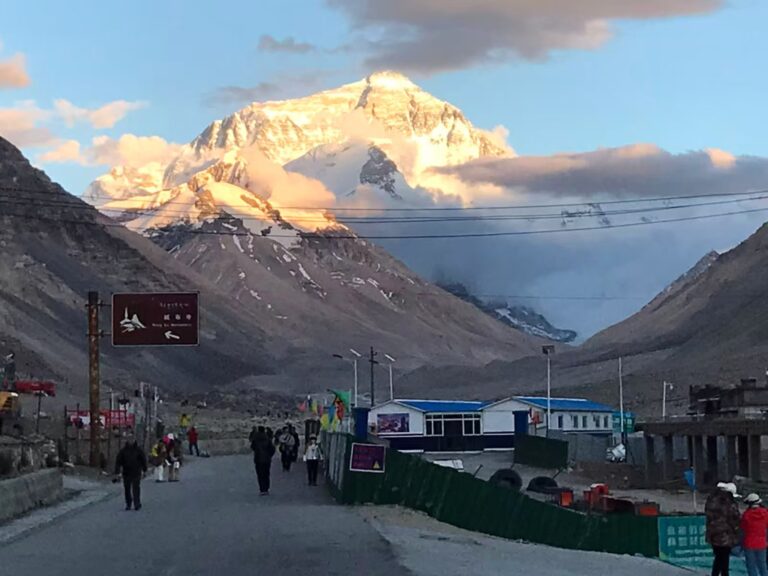
- Everest Base Camp North (EBC) from the Tibetan side—accessible even without trekking, as highlighted in ExperienceTibet’s blog article “Everest Base Camp Tour Tibet – EBC North (No Trek Required)”.
Ideal for:
- Travelers wanting the iconic Himalayan experience.
- People with enough time to adjust to altitude and enjoy the changing landscapes.
- Those interested in a variety of monasteries, fortresses, lakes, and mountain views.
5.3 12–15 Days: Kailash and Remote Regions
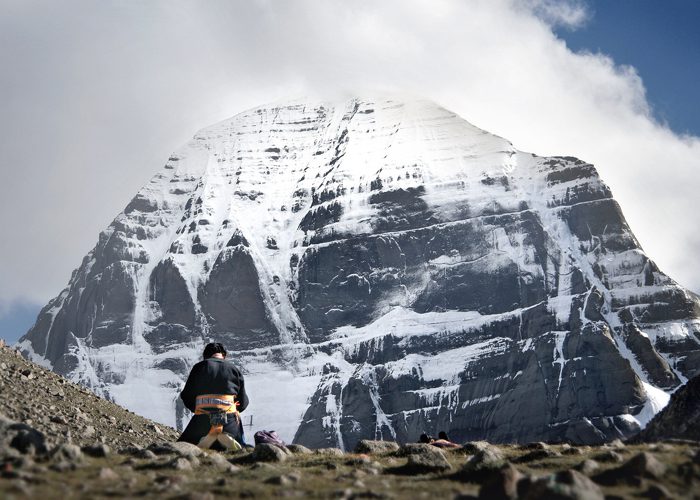
If you’re drawn to pilgrimage routes and remote landscapes, consider 12–15 days or more. ExperienceTibet mentions a 15‑day Mt. Kailash tour in its site introduction, targeted at travelers seeking a deeper spiritual or adventure experience.
A longer tour may include:
- Lhasa city highlights.
- Overland journey through central Tibet.
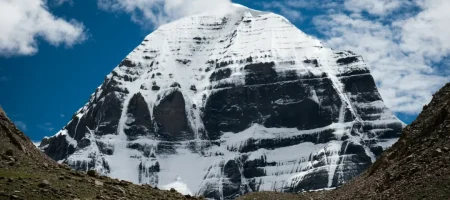
- Mount Kailash and Lake Manasarovar: sacred sites for Buddhists, Hindus, Jains and Bon practitioners.
- Sometimes side trips to lesser‑known monasteries or high lakes.
Because these itineraries are complex and physically demanding, they’re typically described in detail on specific Kailash or long‑tour pages, rather than in a general “how to visit” article.
6. Health, Safety and Altitude: Visiting Tibet Safely
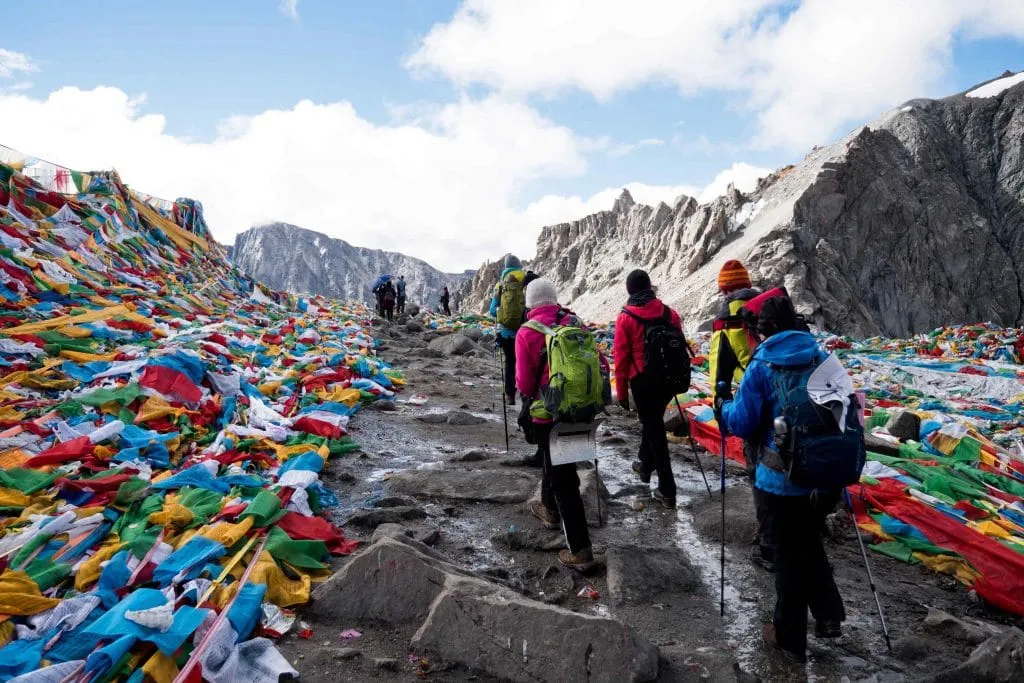
Health and safety are central to both the Tibet Travel FAQ and ExperienceTibet advice.,
Here we focus on what you must know before you go.
6.1 Understanding Altitude Sickness in Tibet
Most places you’ll visit in Tibet are between 3,600 and 5,000 meters above sea level. At these heights, some travelers experience Acute Mountain Sickness (AMS).
Basic facts:
- Common symptoms: headache, nausea, fatigue, shortness of breath when exerting, poor sleep.
- Prevention tips:
- Ascend gradually—spend several nights in Lhasa before going higher (this is built into ExperienceTibet’s itineraries).
- Stay hydrated, avoid heavy alcohol in the first days.
- Walk slowly; don’t over‑exert.
- Consider talking to your doctor about preventative medication before travel.
6.2 Practical Safety Tips
Tibet is generally a safe destination for foreign visitors, but conditions are unique:
- Road travel: Mountain roads can be winding and long; travel with experienced drivers and agencies that prioritize safety.
- Accommodation: In Lhasa and main hubs, you’ll find comfortable hotels and guesthouses; in remote areas (EBC, Kailash), expect simple but clean accommodations.
- Weather: Temperature swings are large; sun is strong; wind can be harsh at altitude. Proper clothing is essential.
ExperienceTibet emphasizes reliable service and a focus on seeing more and enjoying the journey, which includes safety as a core value.
6.3 What to Pack for Tibet
ExperienceTibet FAQ includes a sustainability and practical tips section (e.g., using refillable bottles, packing out trash, staying on marked paths). Building on that, your basic packing list should include:
- Clothing:
- Layering system: base layers, fleece/sweater, windproof and waterproof jacket.
- Warm hat, gloves, scarf.
- Comfortable walking shoes/boots.
- Health & comfort:
- Any personal medications.
- Simple first‑aid kit (pain relief, stomach remedies, plasters).
- Lip balm and strong sunscreen (high UV).
- Other essentials:
- Sunglasses.
- Refillable water bottle (to reduce plastic waste).
- Power bank and plug adapter.
- Copies (digital and printed) of passport and tour documents.
For a more detailed “Tibet packing list”, ExperienceTibet may offer or develop a dedicated blog post; this general guide stays at a mid‑level of detail to avoid overlapping future content.
7. Budgeting Your Tibet Trip: Costs, Smart Savings and Tour Types
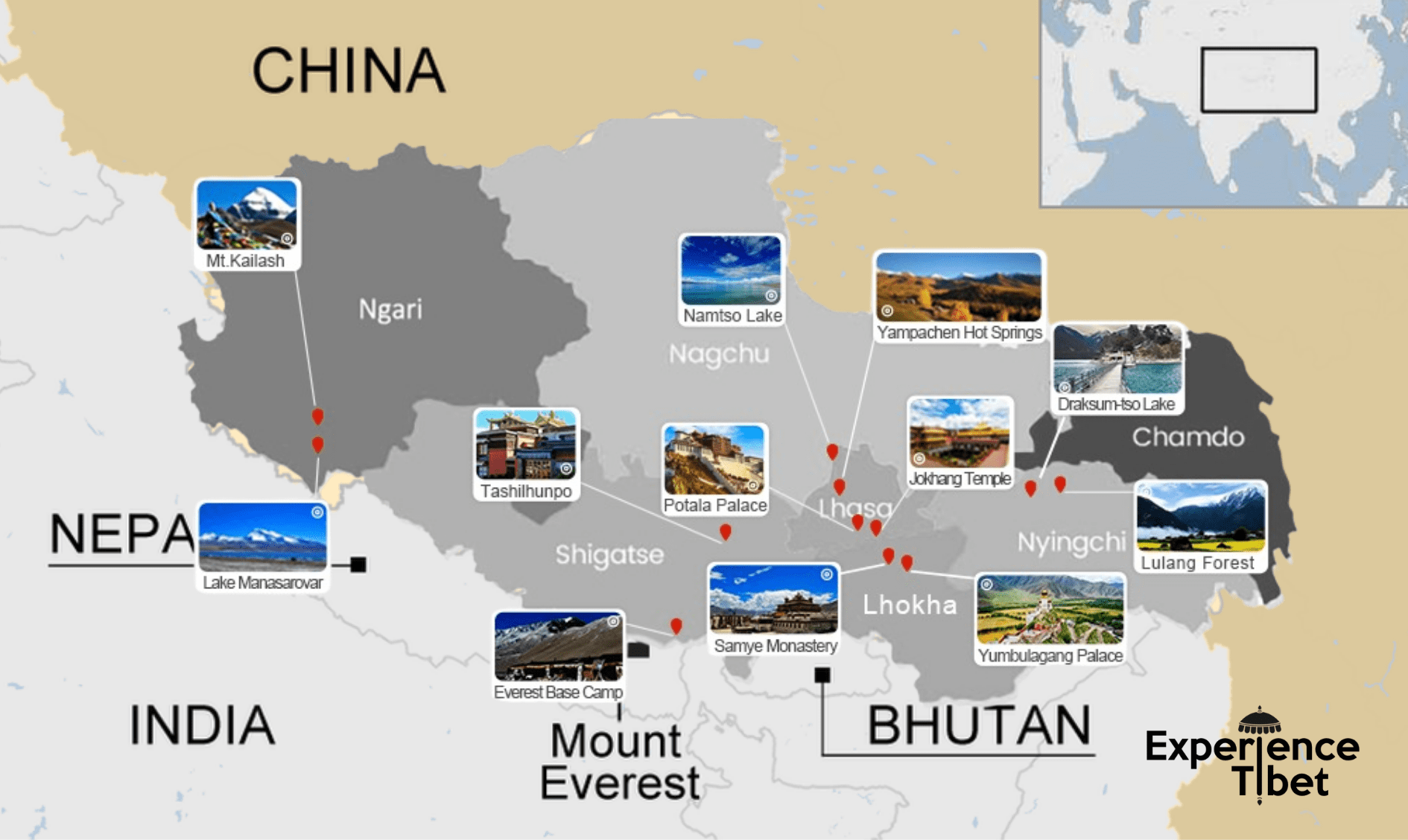
Budget is another frequent topic, addressed in different places across ExperienceTibet’s travel guide and FAQs.
Here you’ll see the big picture: what affects the price and how to optimize it.
7.1 Main Cost Components
Your total cost to visit Tibet usually includes:
- International & domestic flights / train tickets
- Flights to China or Nepal.
- Internal flight or train to Lhasa.
- Tour package with ExperienceTibet:
- Accommodation within Tibet.
- Local transport and driver.
- Tibetan guide(s).
- Required permits (TTP, etc.)
- Some or all meals, depending on the package.
- Personal expenses:
- Meals not included.
- Souvenirs, donations at temples.
- Optional extra activities.
- Insurance:
- Strongly recommended for any high‑altitude trip.
7.2 Group Tours vs Private Tours
ExperienceTibet specializes in small group tours but also supports custom itineraries.
- Small Group Tours:
- Lower per‑person cost.
- Fixed itineraries such as:
- 4‑Day Lhasa Holy City Tour.
- 5‑Day Lhasa & Yamdrok Lake Tour.
- 6‑Day Lhasa–Shigatse Golden Route.
- 8‑Day Everest Base Camp Tour.
- Great option for first‑time visitors and budget‑conscious travelers.
- Private / Customized Tours:
- Schedule and pacing tailored to you.
- Ideal for families, special interests (photography, meditation, trekking), or complex combinations (Tibet + Nepal + Bhutan).
- Higher per‑person cost, but more flexibility and privacy.
The FAQ confirms that you can indeed have a customized private tour in Tibet and explains how to book, including deposit policies and communication with trip advisors.
7.3 Ways to Save Money Without Sacrificing Experience
To keep your Tibet trip affordable, consider:
- Travel in shoulder season (early spring or late autumn) for better prices on flights and fewer crowds.
- Join a small group tour rather than going fully private—this spreads costs of transport and guide services.
- Start from cost‑efficient hubs in China for flights/trains (e.g., Chengdu or Xining).
- Share accommodation if you’re comfortable doing so.
- Prioritize a shorter, high‑quality itinerary over a long but rushed one.
ExperienceTibet’s travel guide and future budget‑focused posts can provide more granular examples and price ranges.
8. How to Visit Tibet Ethically and Respectfully
One of the strengths of ExperienceTibet as a Tibetan‑run agency is its commitment to responsible travel—highlighted explicitly in its FAQs and website values.
8.1 Understanding the Cultural and Spiritual Context
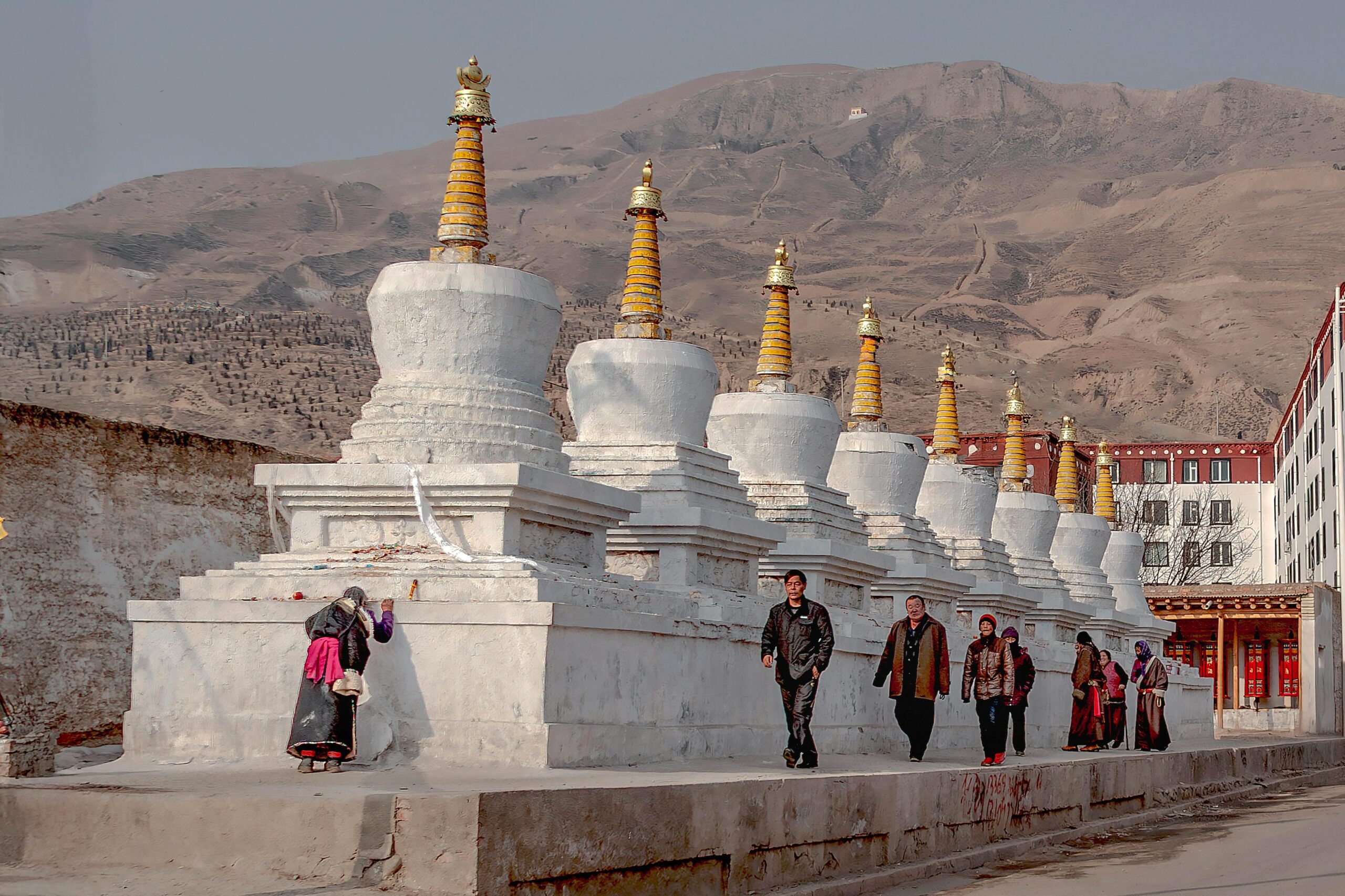
Tibet is not just a scenic destination; it’s a deeply religious and cultural landscape.
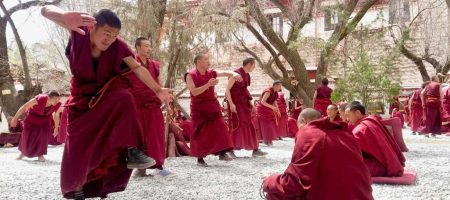
- Many sites you’ll visit—monasteries, stupas, pilgrimage routes—are living centers of Buddhist practice.
- The blog includes posts on Tibetan Buddhism and education that help contextualize what you see.
Before you go:
- Read about basics of Tibetan Buddhism and monastic life.
- Understand that many Tibetans you meet will be pilgrims themselves, not “local color” for tourism.
8.2 Respectful Behavior in Monasteries and Public Spaces
General guidelines:
- Dress modestly in religious sites (cover shoulders, no very short shorts/skirts).
- Walk clockwise around stupas and kora routes, following local pilgrims.
- Ask permission before photographing people, especially monks and elders.
- Keep a quiet, respectful demeanor inside prayer halls; do not touch sacred objects unless invited.
ExperienceTibet’s sustainability FAQ also mentions respecting local customs and minimizing environmental impact, which is part of ethical behavior.
8.3 Supporting Local Communities
ExperienceTibet notes that they use local Tibetan guides, hotels and services wherever possible. As a traveler, you can enhance this impact by:
- Choosing agencies that are Tibetan‑run and employ local staff.
- Buying handicrafts directly from Tibetan artisans.
- Eating in local restaurants and cafés.
- Avoiding bargaining to the point of disrespect over small amounts.
Small choices—like carrying a refillable bottle instead of buying multiple plastic bottles, or staying on marked paths—also help protect Tibet’s fragile environment.
9. Step‑by‑Step Checklist: From First Idea to Arriving in Lhasa
To tie everything together, here’s a practical timeline you can follow.
9.1 3–6 Months Before Your Trip
- Decide when to visit (season, month) using the Tibet Travel Guide 2026 and Best Time content as references.,
- Choose your ideal itinerary length:
- 4–5 days for Lhasa and nearby sites.
- 6–8 days for Lhasa + central Tibet + perhaps EBC.
- 10–15 days for Kailash or extended routes.,
- Sketch a rough budget (international flights + tour + insurance + extras).
9.2 2–3 Months Before
- Contact ExperienceTibet or similar licensed agency:
- Share your dates, interests, and group size.
- Ask about available small group tours and/or private options.,
- Confirm the tour that best matches your dates and style:
- For example: 4‑Day Lhasa Holy City Tour, 6‑Day Lhasa–Shigatse, or 8‑Day Everest Base Camp Tour.,
- Arrange your Chinese visa (if entering via China) according to latest consular requirements.
9.3 4–6 Weeks Before
- Send your passport and China visa copies to your trip advisor so they can apply for the Tibet Travel Permit and other necessary documents.
- Pay any required deposits or remaining tour balance, as advised by the agency.
- Confirm your flights or train to Lhasa (make sure arrival matches the first day of your tour).
9.4 1–2 Weeks Before
- Prepare your packing list:
- Clothing layers, warm gear, sun protection, basic medicines, and refillable bottle.
- Print or store digital copies of:
- Passport.
- Visa.
- Tour confirmation and emergency contacts.
- Review basic info on altitude and health, and ensure your travel insurance is valid for high altitude.
9.5 Upon Arrival in Lhasa
- Meet your local Tibetan guide, who will usually pick you up at the airport/train station as part of your tour.,
- Spend your first day taking it easy:
- Gentle strolls around the city.
- Plenty of water and rest.
- Over the following days, immerse yourself in Tibet’s landscapes, monasteries, food, and people—drawing on ExperienceTibet’s blog for extra context on cuisine, spiritual sites, and culture.
Frequently Asked Questions About Visiting Tibet
Below are concise answers to common questions, with references to where ExperienceTibet covers them in more detail.
1. Do I need a Tibet Travel Permit?
Yes. All foreign passport holders need a Tibet Travel Permit (TTP) issued via a licensed Tibet travel agency; independent travelers cannot obtain it directly. Your agency (e.g., ExperienceTibet) arranges this once you send your passport and China visa copies.,
2. Can I travel independently in Tibet?
Within the Tibet Autonomous Region, foreigners cannot travel entirely independently—tours with a licensed agency and a guide are required., You can still have free time in certain areas (like Lhasa), but the overall itinerary must be organized. ExperienceTibet has a full 2025 guide on this exact topic.
3. How many days do I need to visit Tibet?
It depends on your goals:
- 4–5 days: Lhasa and nearby highlights (Potala, Jokhang, Barkhor, Yamdrok Lake).,
- 6–8 days: Lhasa + central Tibet and possibly Everest Base Camp.,
- 10–15 days: Extended journeys including Mt. Kailash or remote regions.
Choose based on your available time, budget, and interest in high‑altitude areas.
4. Is Tibet safe for tourists?
Generally yes, Tibet is safe for tourists. The main risks are related to altitude, weather, and long road journeys, rather than crime. Traveling with a reputable agency like ExperienceTibet ensures professional drivers, local knowledge, and support.,
5. When is the best time to visit Tibet?
The overall best seasons are usually April–October, with September–October often favored for clear skies and stable weather.,
However, winter can be rewarding for those who want fewer crowds and a more contemplative atmosphere in cities and monasteries.
6. How do I book a Tibet tour with ExperienceTibet?
According to the FAQ:
- Tell them when you plan to visit Tibet and how long you’ll stay.
- A trip advisor will recommend suitable tour packages.
- After you confirm, send your passport and China visa copies.
- Pay a deposit (typically at least 50% of the tour cost) to secure your booking.
You can start from the Tibet Tours or Tibet Travel Blog pages and use the contact links provided.,
7. Can I have a private, customized tour in Tibet?
Yes. ExperienceTibet confirms that you can book private customized tours in addition to joining small group departures. If you have special interests (photography, pilgrimage, family travel, etc.), mention them to your trip advisor.
8. How can I minimize my environmental and cultural impact?
ExperienceTibet suggests:
- Using a refillable water bottle.
- Avoiding single‑use plastics.
- Packing out trash on trails.
- Staying on marked paths.
- Respecting wildlife and local customs.
Supporting local Tibetan businesses and behaving respectfully in monasteries are also key parts of ethical travel.
Visiting Tibet in 2026 can be one of the most powerful journeys of your life—spiritually, culturally, and visually. By understanding the rules, preparing properly for altitude, and choosing a responsible Tibetan‑run agency like ExperienceTibet, you’ll not only see the “Roof of the World”, you’ll truly experience it.
For more detailed and up‑to‑date tips, browse the Tibet Travel Guide 2026, Tibet Travel FAQs, and the latest articles on the ExperienceTibet blog.,