 About
About




 Tibet Tours
 Tibet Train Tours
 Himalaya Tours (Tibet-Nepal-Bhutan)
 Private Tours
 Mount Kailash Tours
 Trekking Tours
 Travel Guide
 Tibet Travel Blog
 FAQ
FAQ About us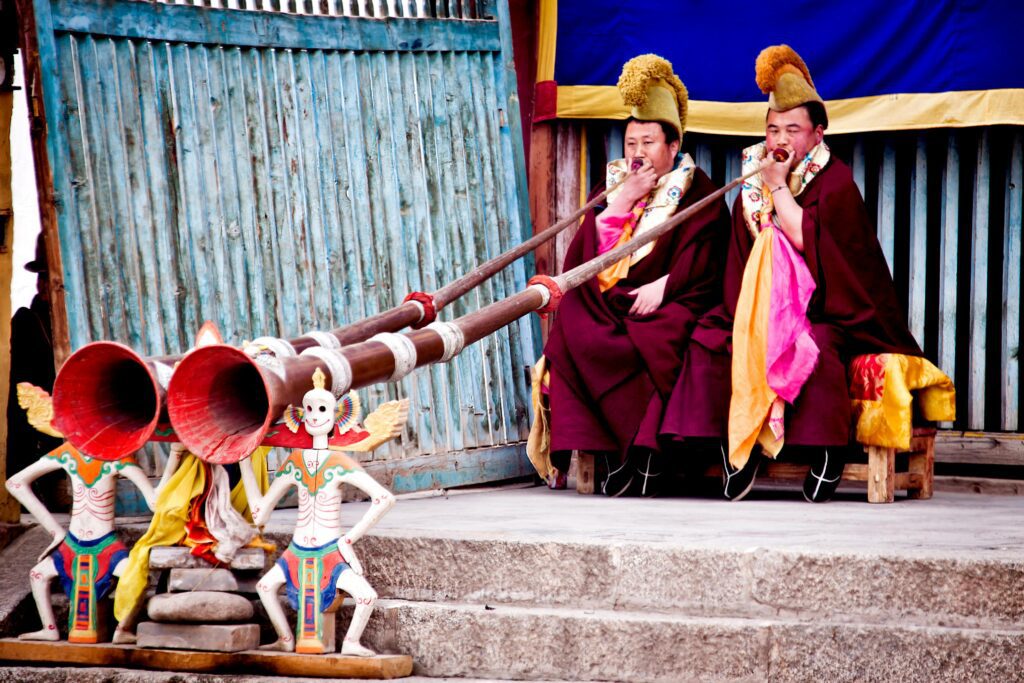
Tibet captivates travelers with snow‑capped peaks, ancient monasteries, and deep spiritual traditions. Often called the “Roof of the World,” this vast plateau sits at an average elevation of over 4,000 meters (13,000 ft), making it the highest region on Earth. But beyond the famous images of the Potala Palace and Mount Everest, Tibet is full of curiosities—unique facts, rituals, landscapes, and ways of life that you won’t find anywhere else.
This article gathers 25 fascinating curiosities of Tibet—all verified—so you can better understand the region before you visit. Along the way, you’ll see how you can experience many of these curiosities firsthand with guided tours by ExperienceTibet, a trusted local agency with small‑group and private itineraries across the plateau,.
Why Tibet Is Full of Curiosities
The “Roof of the World” and Its Extreme Landscape
Tibet is known worldwide as the “Roof of the World” because its average elevation exceeds 4,000 meters (13,000 ft) above sea level,. The plateau itself is surrounded by some of the highest mountain ranges on Earth, including the Himalayas, the Kunlun, and the Karakoram,. This geography shapes everything:
- The climate is dry and intense, with strong sunlight and thin air.
- Travel requires careful acclimatization to avoid altitude sickness, which is why reputable agencies build in gradual elevation gains and rest days.
- The scenery—turquoise lakes, endless grasslands, and glacier‑capped peaks—is unlike any other region on the planet,.
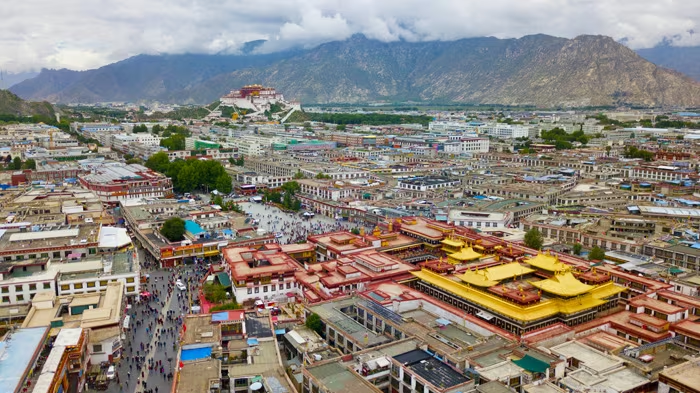
ExperienceTibet’s itineraries, such as their 4‑Day Lhasa Holy City Tour or longer plateau journeys, are designed around these realities, making sure travelers adapt safely while enjoying the landscapes.
A Blend of Ancient Traditions and Living Spirituality
Tibet’s culture is deeply shaped by Tibetan Buddhism, which permeates daily life, festivals, art, and even the layout of cities like Lhasa. Monasteries, prayer flags, and pilgrims are part of the everyday scenery.
This mix of ancient traditions and living spirituality creates many of the curiosities travelers notice: from ritual circumambulations of sacred sites to philosophical debates in monastery courtyards. These aren’t staged shows; they are active expressions of faith and identity.
Natural Curiosities of Tibet’s Landscape
1. The Highest Plateau on Earth
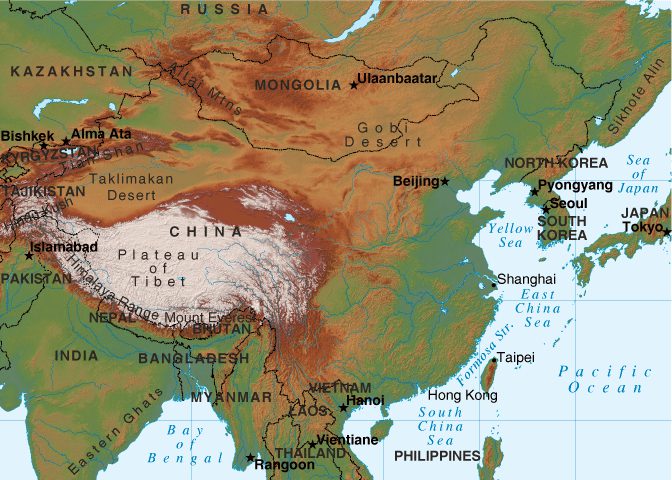
The Tibetan Plateau covers around 1 million square miles, making it one of the largest and highest plateaus in the world. Its elevation and size significantly influence the climate patterns of Asia.
For travelers, this means:
- Vast open spaces and panoramic views.
- Long distances between settlements.
- A sense of isolation and purity that many describe as transformative.
Many ExperienceTibet routes, especially those combining Lhasa with more remote regions, give you the chance to see how huge and wild this plateau really is,.
2. Home to Mount Everest’s Northern Face
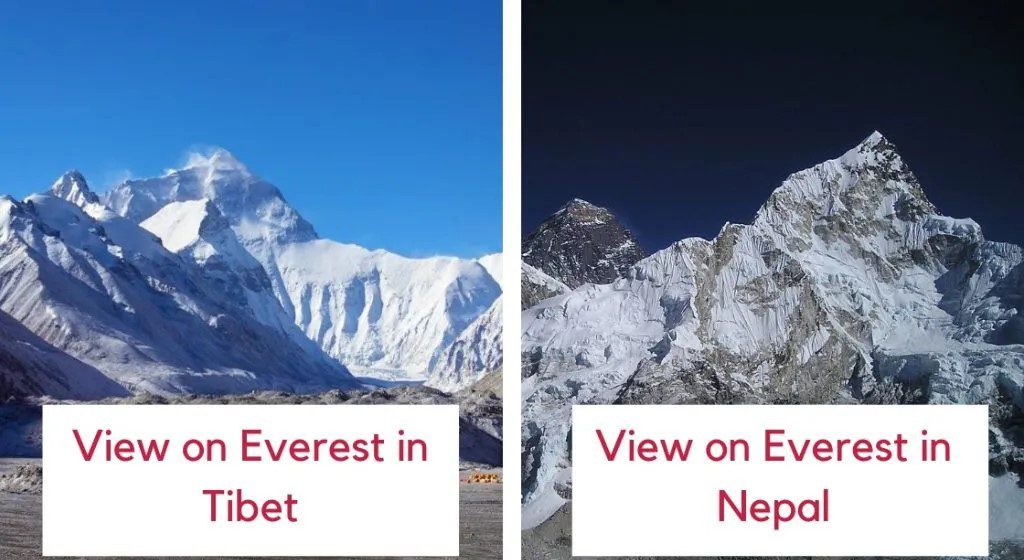
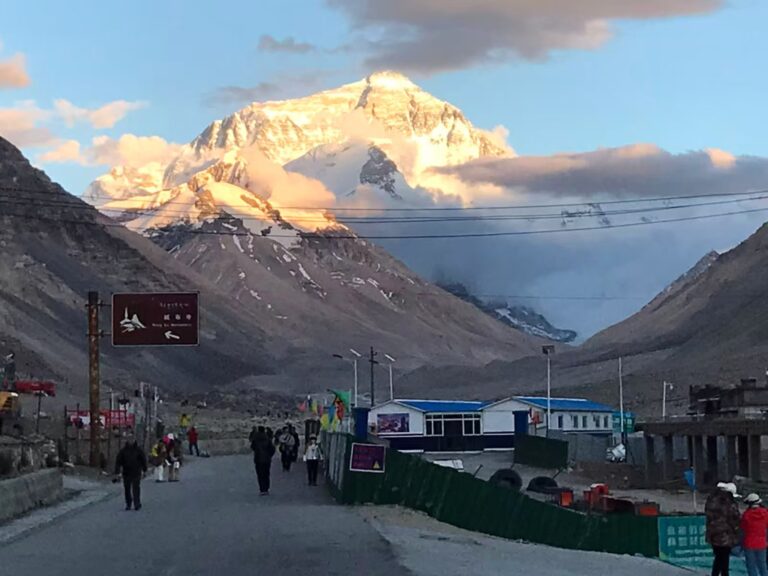
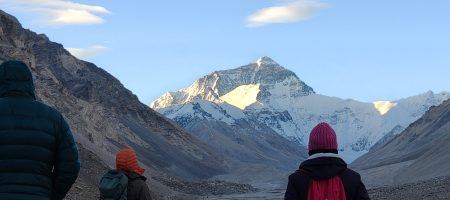
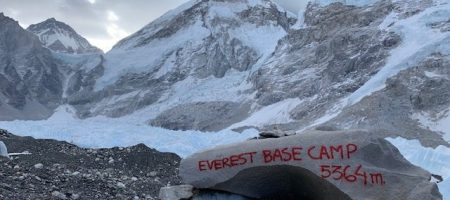
Tibet is home to the northern side of Mount Everest, the highest peak on Earth at 8,848 meters (29,000 ft). While many climbers approach from Nepal, the Tibetan Everest Base Camp offers striking views of the mountain’s sheer northern face.
Curiosity for travelers: reaching the Everest Base Camp from Lhasa by overland tour allows you to experience gradual altitude gain and to pass through historic towns and monasteries along the way—something that agencies like ExperienceTibet include in their small‑group itineraries.
3. Sacred Mountains No One Dares to Climb
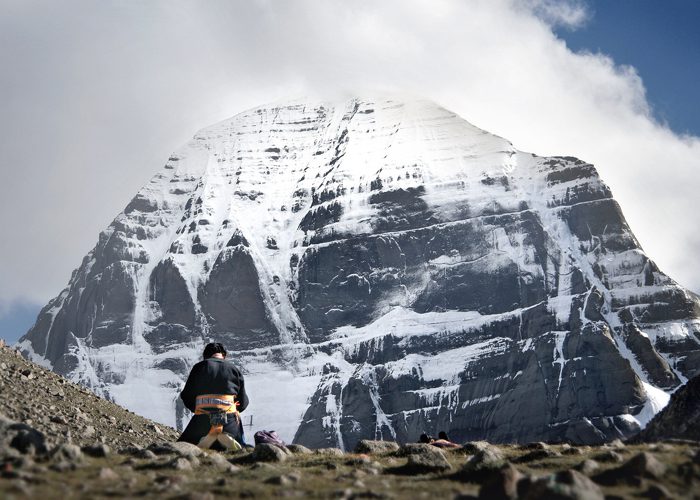
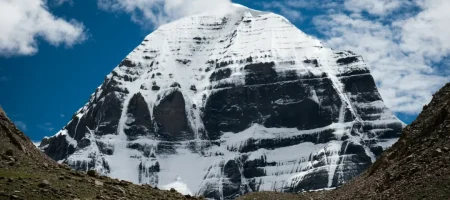
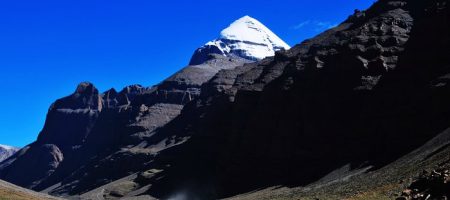
One of Tibet’s most intriguing curiosities is Mount Kailash, a peak revered by Buddhists, Hindus, Jains, and followers of Bön. Unlike Everest, no one climbs Kailash out of religious respect,.
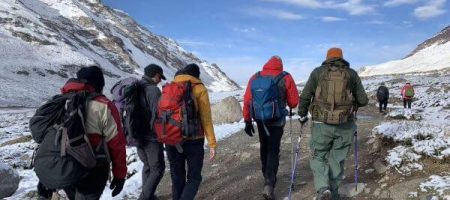
Instead, pilgrims perform a kora—a ritual circumambulation—around the mountain on foot, often at altitudes over 4,500 m. Completing a full kora is believed to bring great spiritual merit. For travelers, joining part or all of this route with a professional guide offers a powerful mix of physical challenge and cultural immersion.
4. Holy Lakes with Turquoise Waters
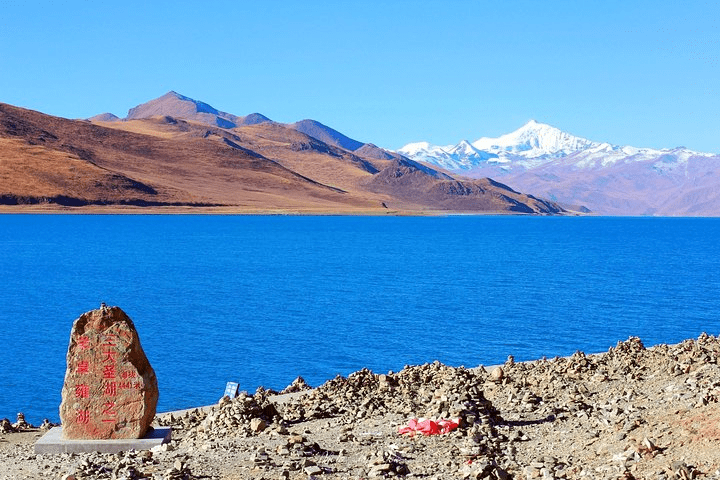
Tibet is dotted with sacred lakes whose colors and legends fascinate visitors:
- Yamdrok Lake: Often visited from Lhasa, it’s one of Tibet’s most beautiful lakes, with bright turquoise waters and surrounding snow‑capped peaks.
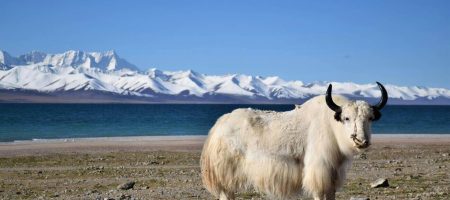
- Namtso Lake: Another holy lake, known for its vast open horizons and high altitude.
- Remote lakes like Puma Yumco: Described as one of the most remote lakes in the world, Puma Yumco is about 32 km long and 13 km wide, located deep on the plateau.
Many Tibetans believe these lakes are connected to deities or oracles, and pilgrims visit them to pray, make offerings, or seek blessings.
Spiritual Curiosities and Tibetan Buddhism
5. Prayer Flags: Sending Prayers on the Wind
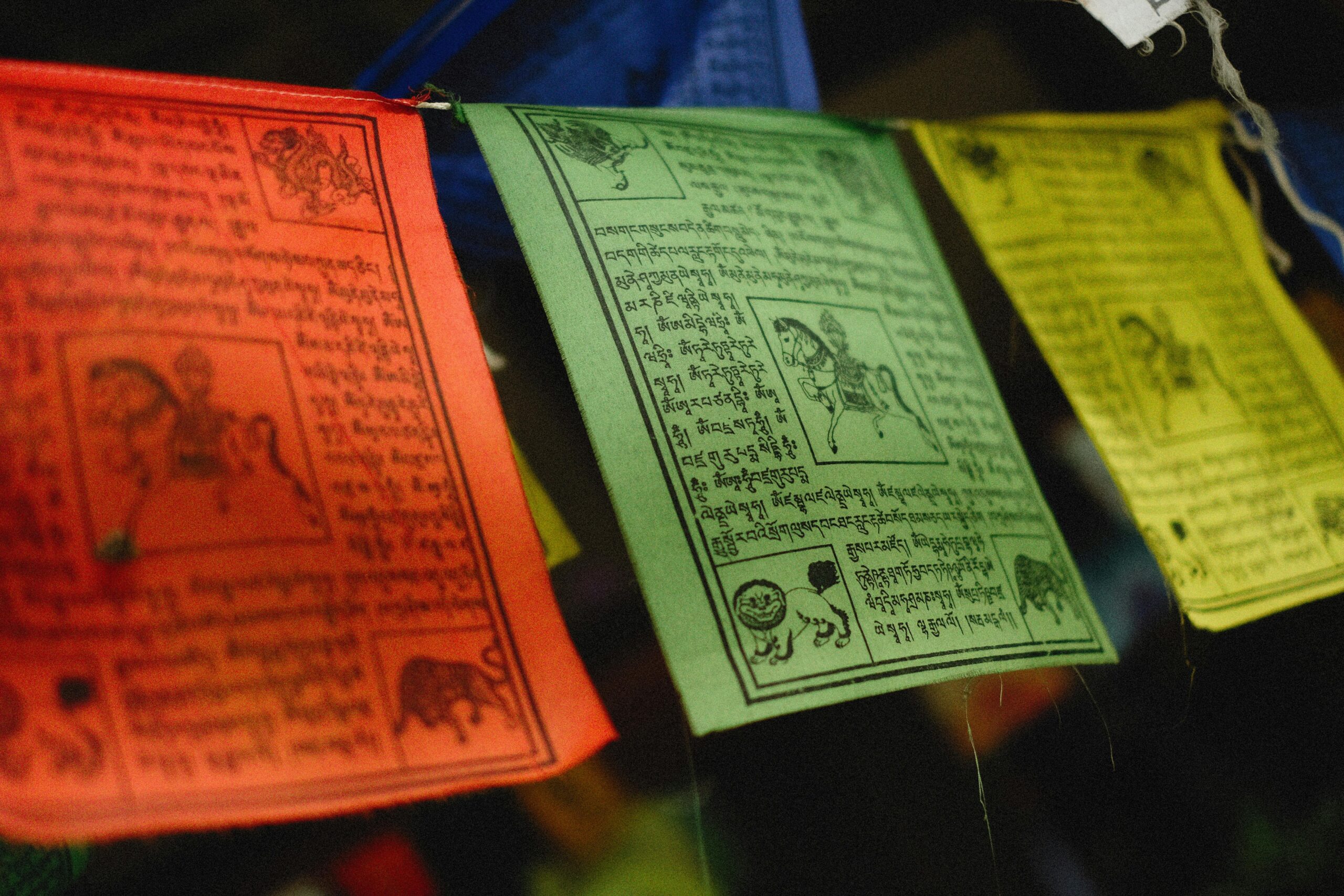
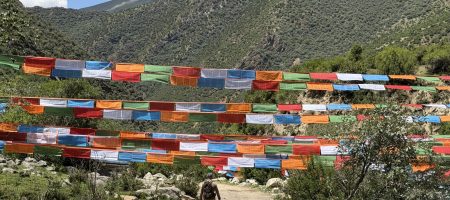
Colorful prayer flags are among Tibet’s most iconic images. These flags, printed with mantras and sacred symbols, are strung across mountain passes, rooftops, and monasteries.
Curiosity: Tibetans don’t hang flags to send prayers to the gods. Instead, they believe the wind carries the printed prayers across the land, spreading peace and compassion to all beings. As flags fade and fray, it symbolizes the impermanence of life.
On guided tours, you’ll often cross passes where locals add fresh flags; it’s common for travelers to hang their own with the help of local guides.
6. Mani Stones and Endless Prayer Walls
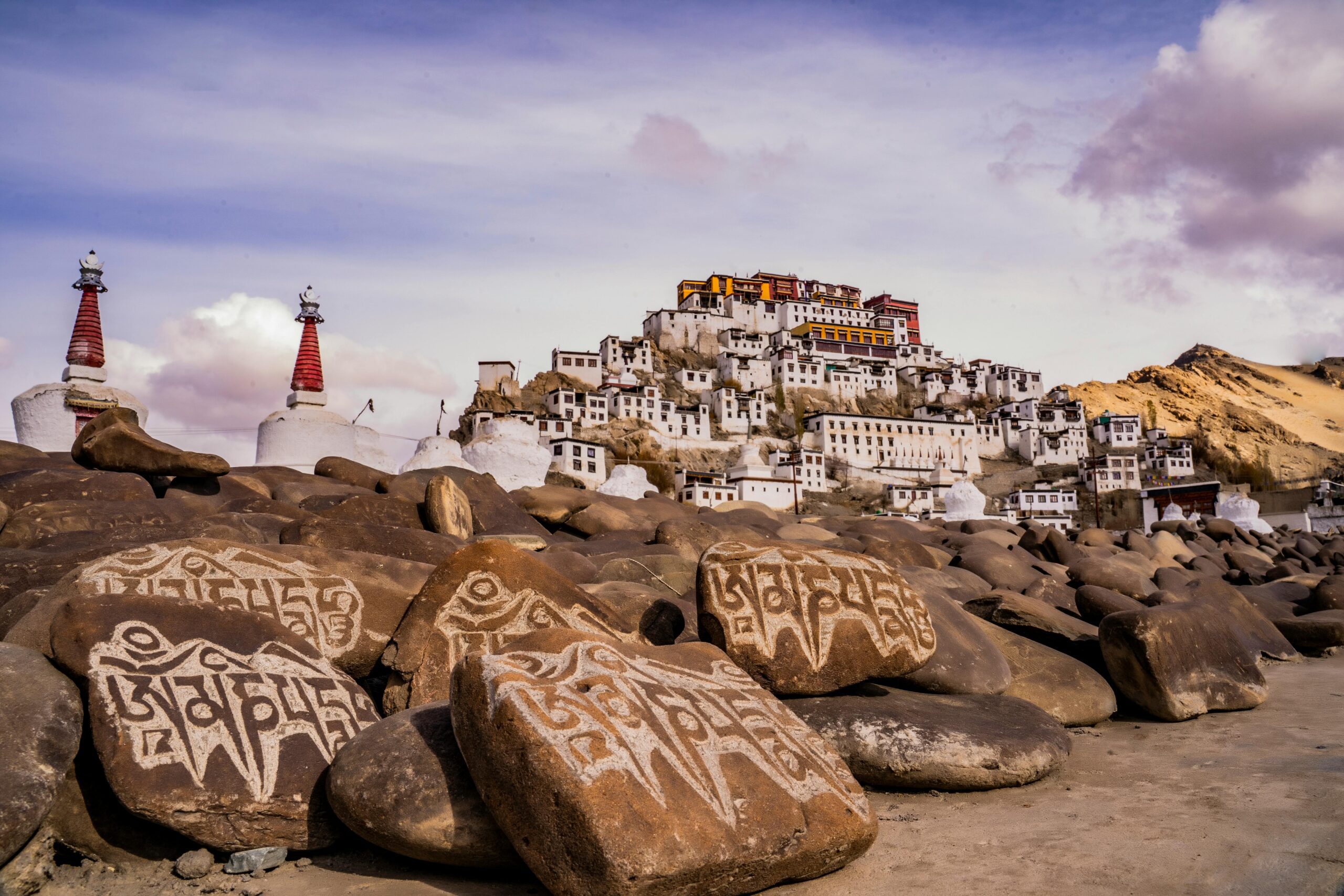
Across Tibet, you’ll encounter mani stones—rocks carved with the mantra Om Mani Padme Hum or other sacred texts. Sometimes they appear alone; other times they are stacked into long walls known as mani walls.
Pilgrims walk around these walls clockwise as an act of devotion. For visitors, learning the meaning behind the carvings transforms what could seem like “just stones” into a living spiritual tradition.
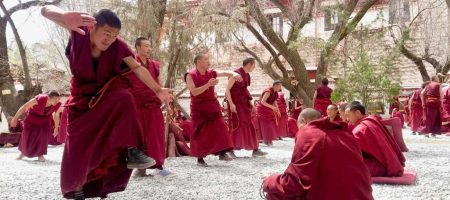
7. Monks’ Debates: Philosophy as a Performance
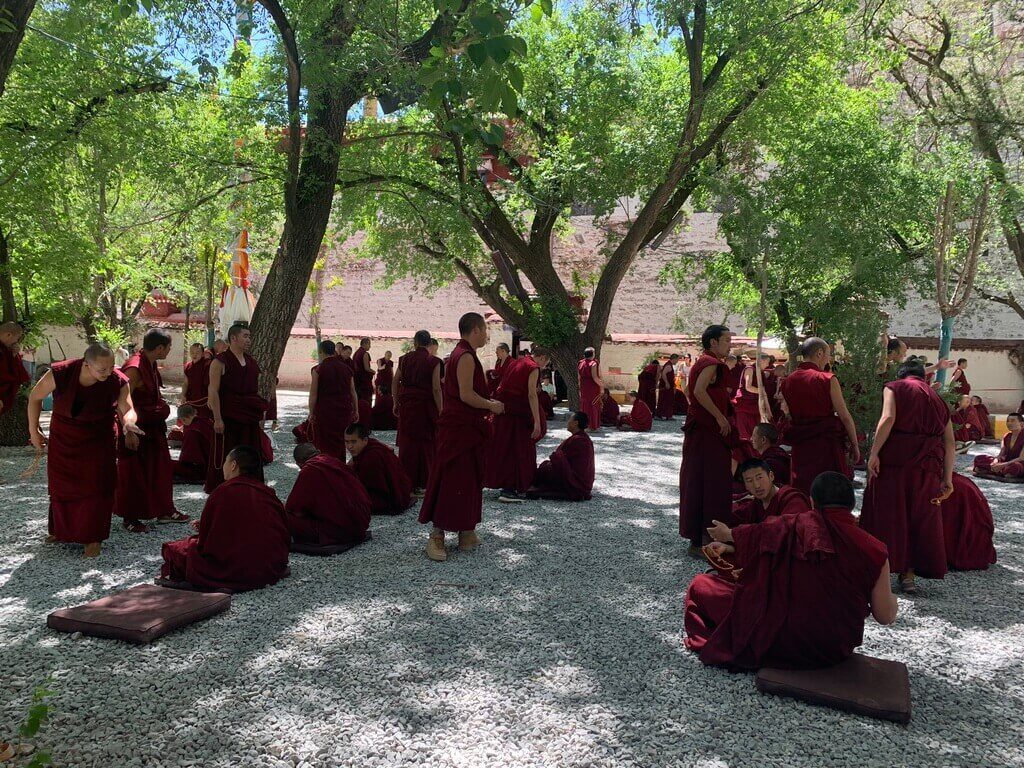
In monasteries like Sera in Lhasa, monks engage in lively philosophical debates as part of their training,. These debates often take place in open courtyards:
- One monk sits and answers.
- Another stands, clapping loudly and stamping his foot to emphasize questions or arguments.
- The rhythm and gestures are as important as the words.
With an experienced guide, travelers can watch these debates respectfully and learn what topics are being discussed—usually complex points of Buddhist philosophy rather than casual conversation.
8. Sky Burials: A Different View of Life and Death
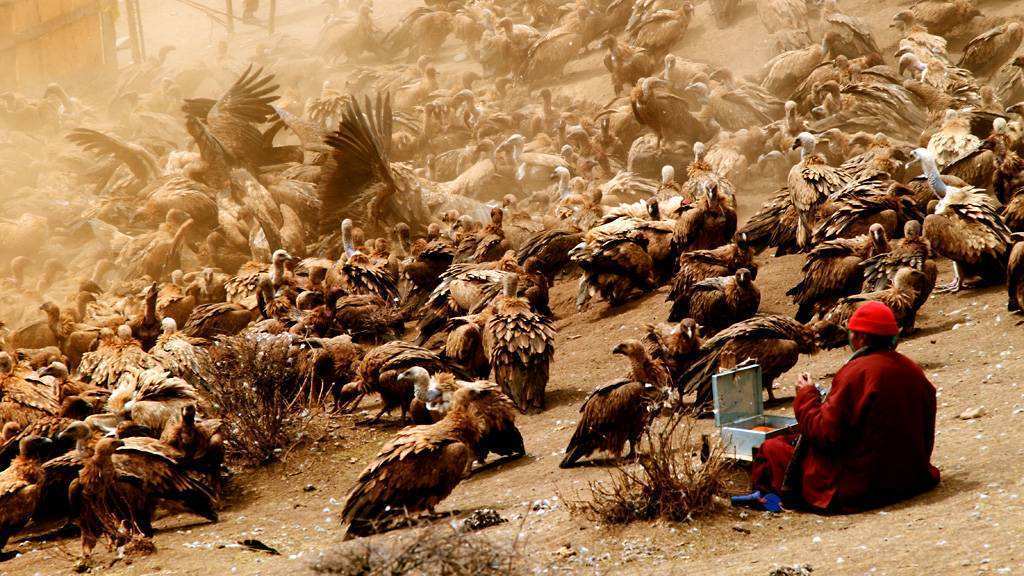
One of the most striking Tibetan customs is the sky burial. In this funerary practice, the body of the deceased is offered to vultures on a designated hillside,. This ritual is rooted in:
- Compassion for other beings: feeding animals instead of using land for graves.
- The belief that the consciousness has already left the body, making the physical form only an empty vessel.
Sky burials are not tourist attractions, and responsible agencies do not arrange visits. But understanding this practice provides a deeper insight into Tibetan attitudes toward impermanence and rebirth.
Cultural Curiosities and Everyday Life in Tibet
9. Colorful Festivals on the Roof of the World
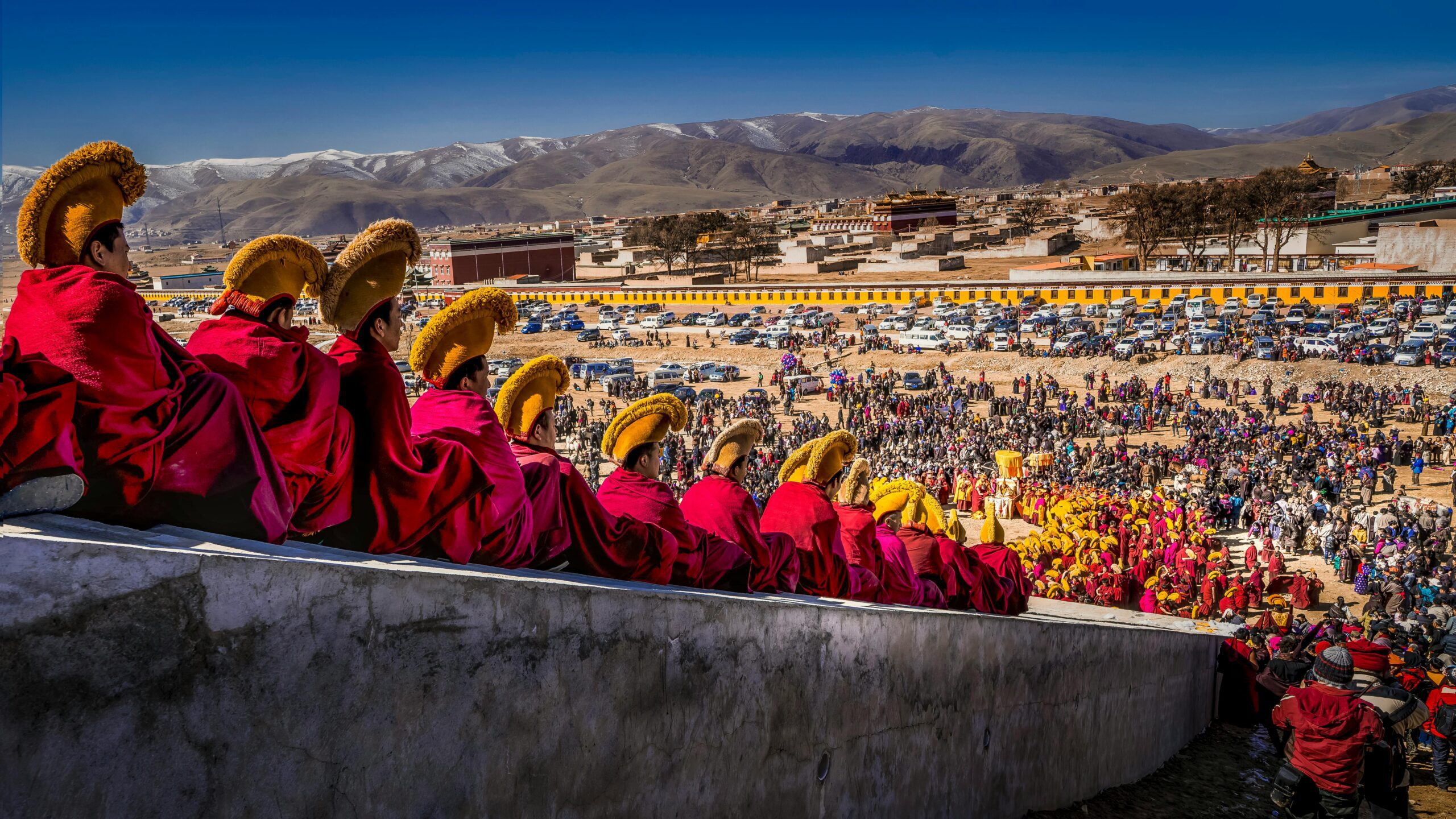
Tibetan festivals mix religious ceremony with social celebration. Some of the most interesting include:
- Losar – Tibetan New Year, with rituals, family gatherings, and offerings.
- Saga Dawa – commemorating the Buddha’s birth, enlightenment, and death; pilgrims flock to sacred sites.
- Shoton Festival (Yogurt Festival) – centered in Lhasa, featuring giant thangka (religious images) unfurled at monasteries and traditional opera performances.
Travelers planning with a specialist like ExperienceTibet can choose itineraries timed to coincide with specific festivals.
10. Pilgrims Circling Sacred Sites
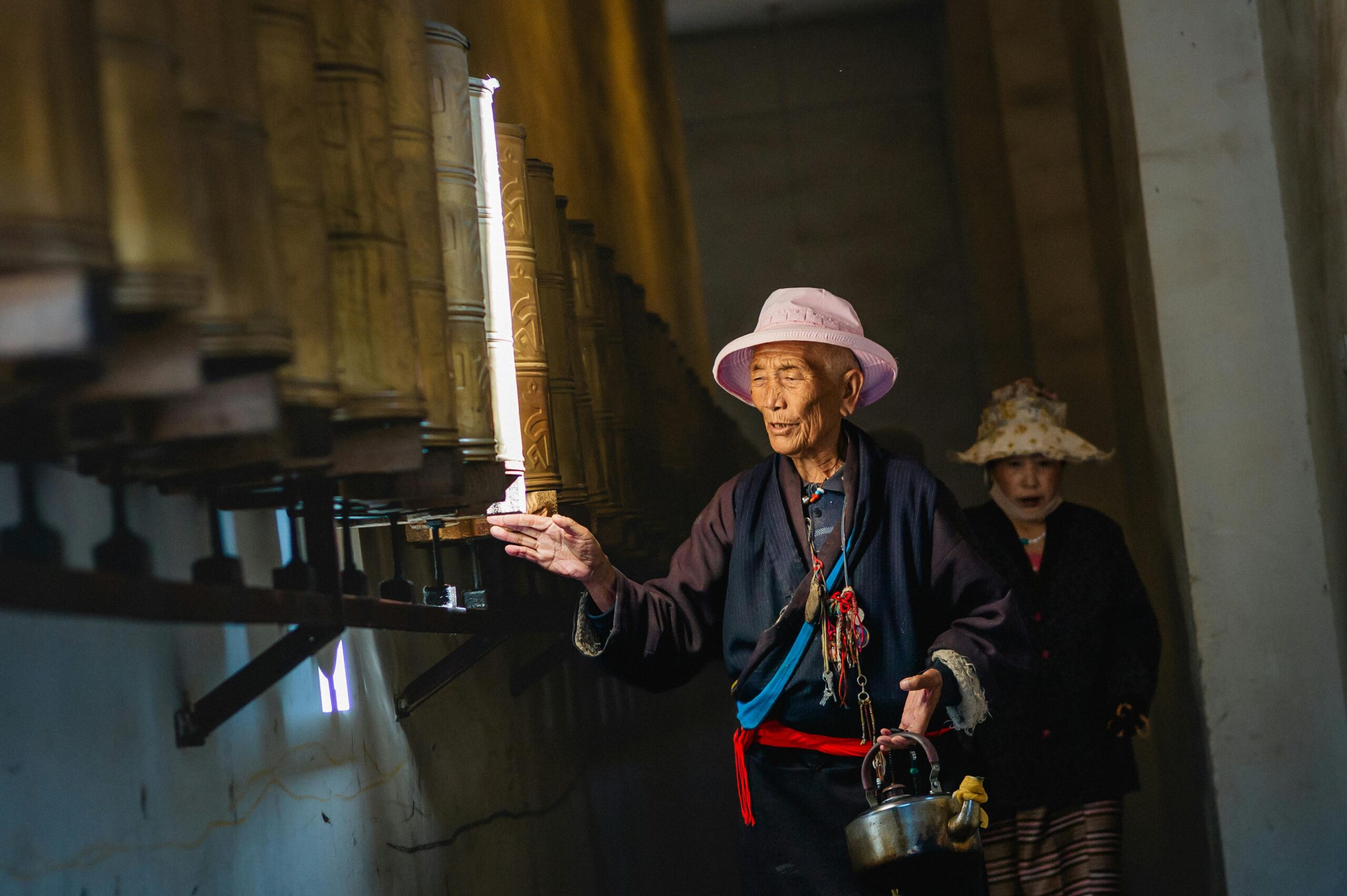
You’ll notice people of all ages walking clockwise around:
- The Jokhang Temple in Lhasa, considered the holiest temple in Tibet.
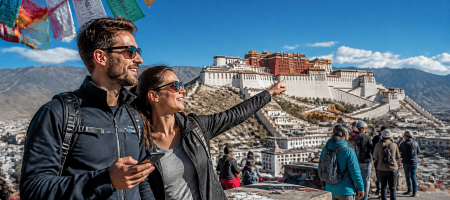
- The Potala Palace and other sacred hills and monasteries.
- Lakes and mountains.
This act of circumambulation, known as kora, is a physical meditation. Some pilgrims walk days or weeks to complete important koras, sometimes even prostrating fully on the ground every few steps.
ExperienceTibet tours often include time on the Barkhor circuit around the Jokhang Temple, where travelers can walk alongside pilgrims and see traditional shops, street vendors, and prayer wheels.
11. Yak Butter Tea and Tsampa: Fuel for High Altitudes
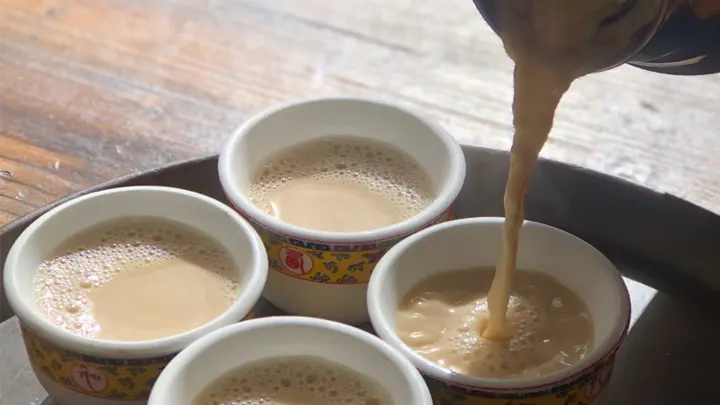
Tibetan cuisine reflects the demands of life at altitude. Two staples stand out:
- Yak butter tea (po cha): a salty tea made with tea leaves, yak butter, and sometimes salt. It’s rich in fat and calories, giving locals energy and warmth in the cold climate.
- Tsampa: roasted barley flour, often mixed with butter tea or water into a dough‑like ball. It’s portable, filling, and ideal for travel.
ExperienceTibet’s culinary‑focused content highlights how these foods are central to Tibetan life and what modern travelers can expect to taste, from traditional dishes to modern adaptations.
12. Nomadic Heritage on the Plateau
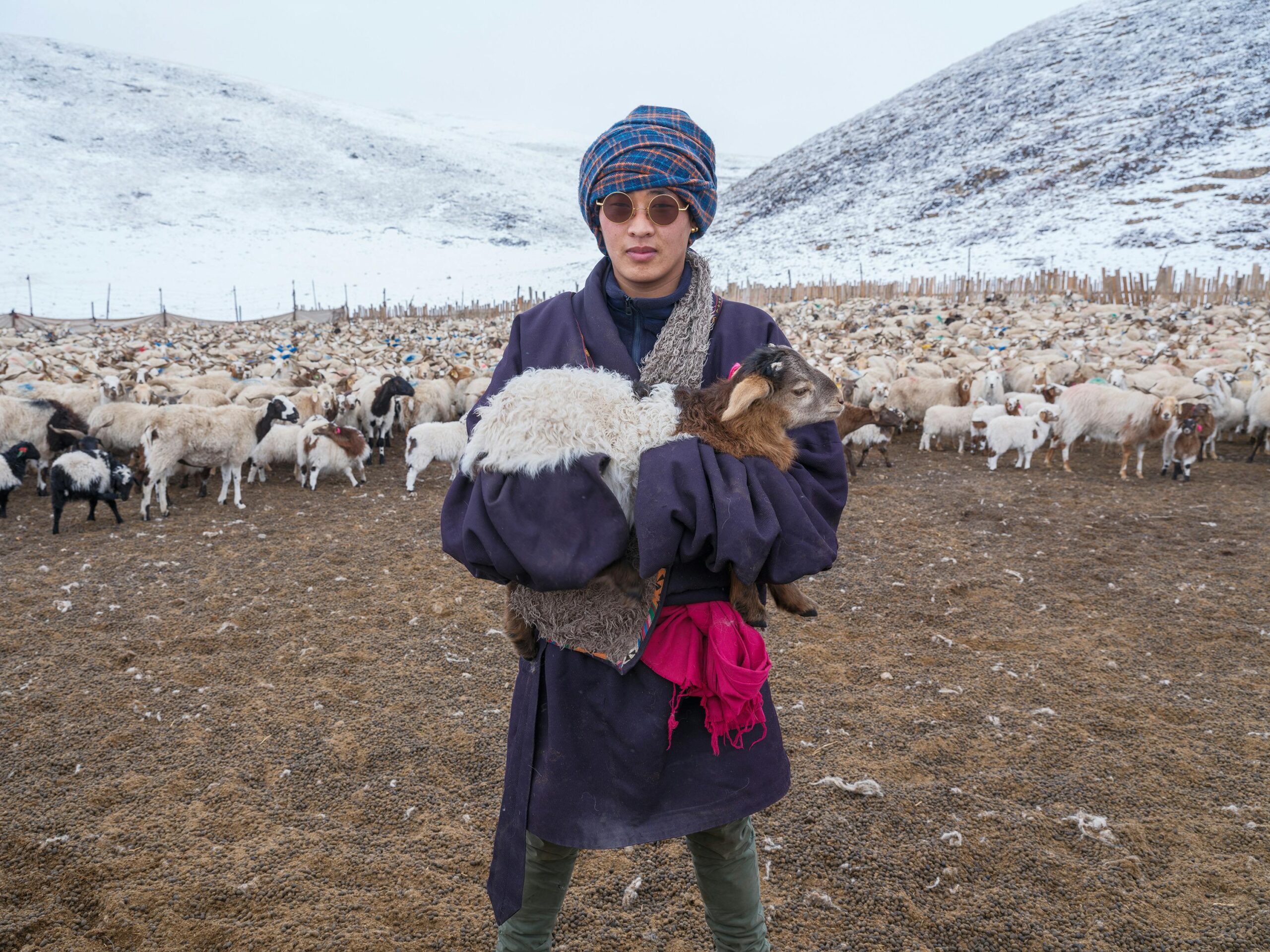
Many Tibetans—especially in rural areas—have traditionally lived as nomadic herders, moving with yaks and sheep across the grasslands.
Curiosities of nomad life include:
- Black yak‑hair tents that are portable yet sturdy.
- A lifestyle synchronized with seasons and pasture conditions.
- Strong communal ties, with families often traveling together.
Some tours incorporate visits to nomadic or semi‑nomadic communities, giving travelers a respectful glimpse into this ancient way of life.
Historical and Political Curiosities (Brief and Practical)
13. From Ancient Empire to Modern Tibet
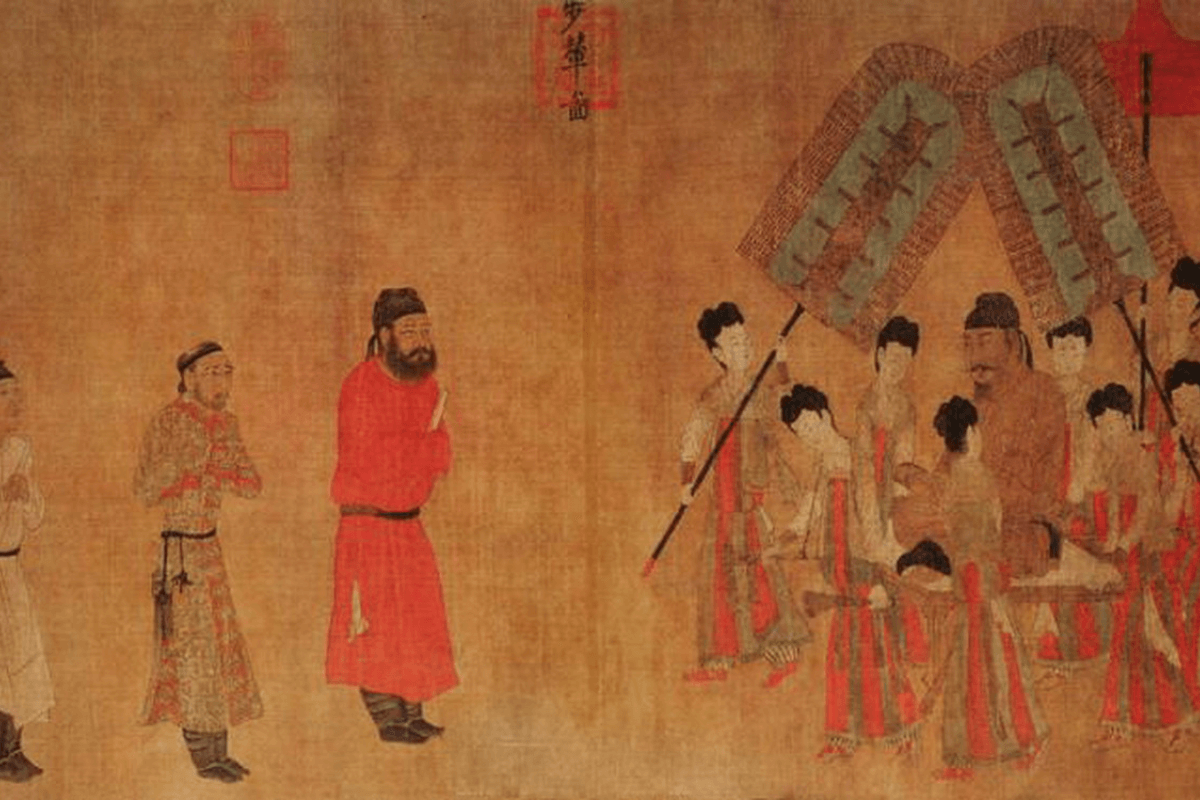
Tibet has a long history, with human habitation dating back thousands of years and a powerful Tibetan Empire emerging over 1,000 years ago. Over centuries, Tibet’s political status evolved through periods of independence and varying degrees of influence from neighboring powers.
Today, Tibet is an Autonomous Region within the People’s Republic of China. For visitors, the key curiosity is how this status translates into travel regulations and the necessity of permits and organized tours.
14. A Unique Political Status That Shapes Travel
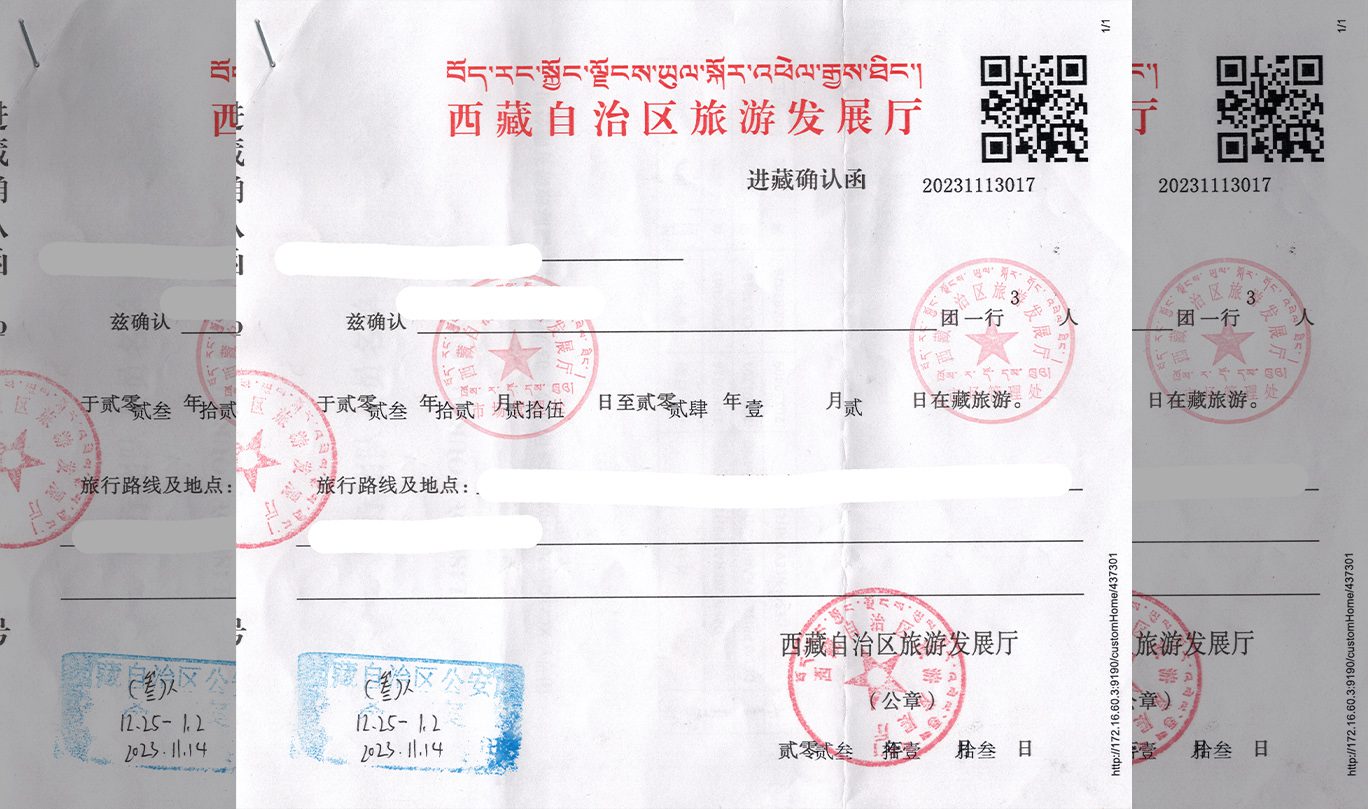
Foreign travelers cannot simply arrive in Tibet and travel independently. Instead:
- You must have a standard Chinese visa to enter China.
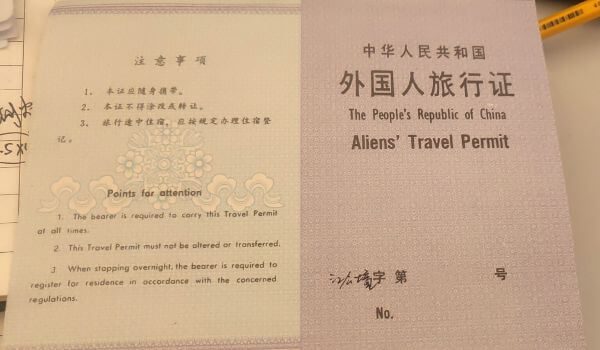
- To enter Tibet, you also need a Tibet Travel Permit, issued for a pre‑planned itinerary and checked when boarding flights or trains to Lhasa and when traveling outside Lhasa city,.
- Certain sensitive areas require additional permits and are only accessible with a licensed tour operator,.
ExperienceTibet specializes in arranging these permits and structuring itineraries that comply with regulations while maximizing what you can see,.
Surprising Travel Curiosities: What First‑Time Visitors Don’t Expect
15. Travel Permits and Guided Tours Are Not Optional
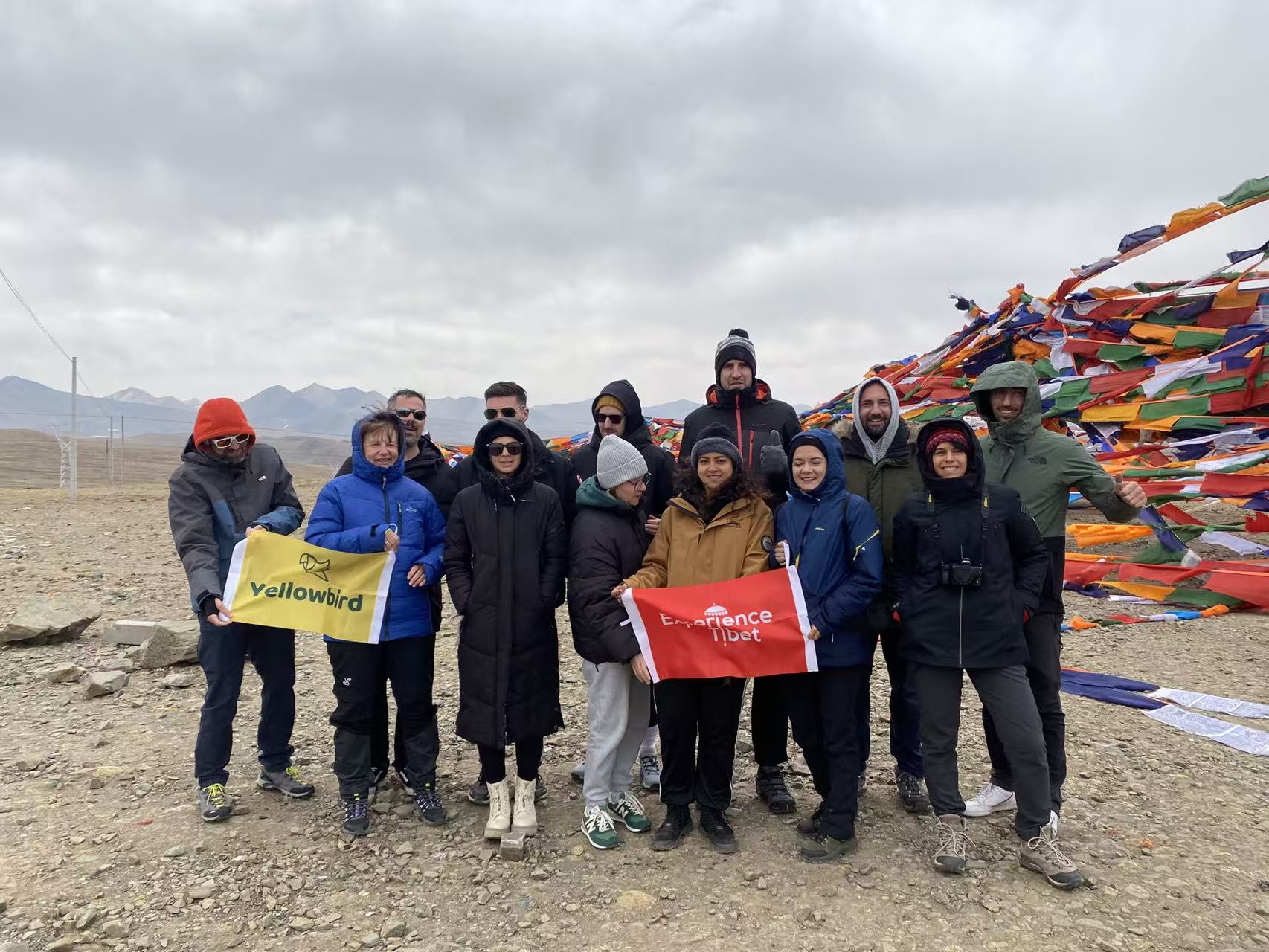
One of the most surprising facts for many travelers: you cannot just buy a ticket and wander around Tibet on your own. The Tibet Travel Permit is mandatory, and independent travel without a local guide in many regions is not allowed,.
Because of this, agencies like ExperienceTibet are not just convenient—they are essential for:
- Permits and paperwork.
- Coordinating domestic flights or trains to Lhasa.
- Navigating checkpoints when leaving Lhasa for places like Yamdrok Lake, Shigatse, or Everest Base Camp.
16. Life at High Altitude: How Tibetans Adapt
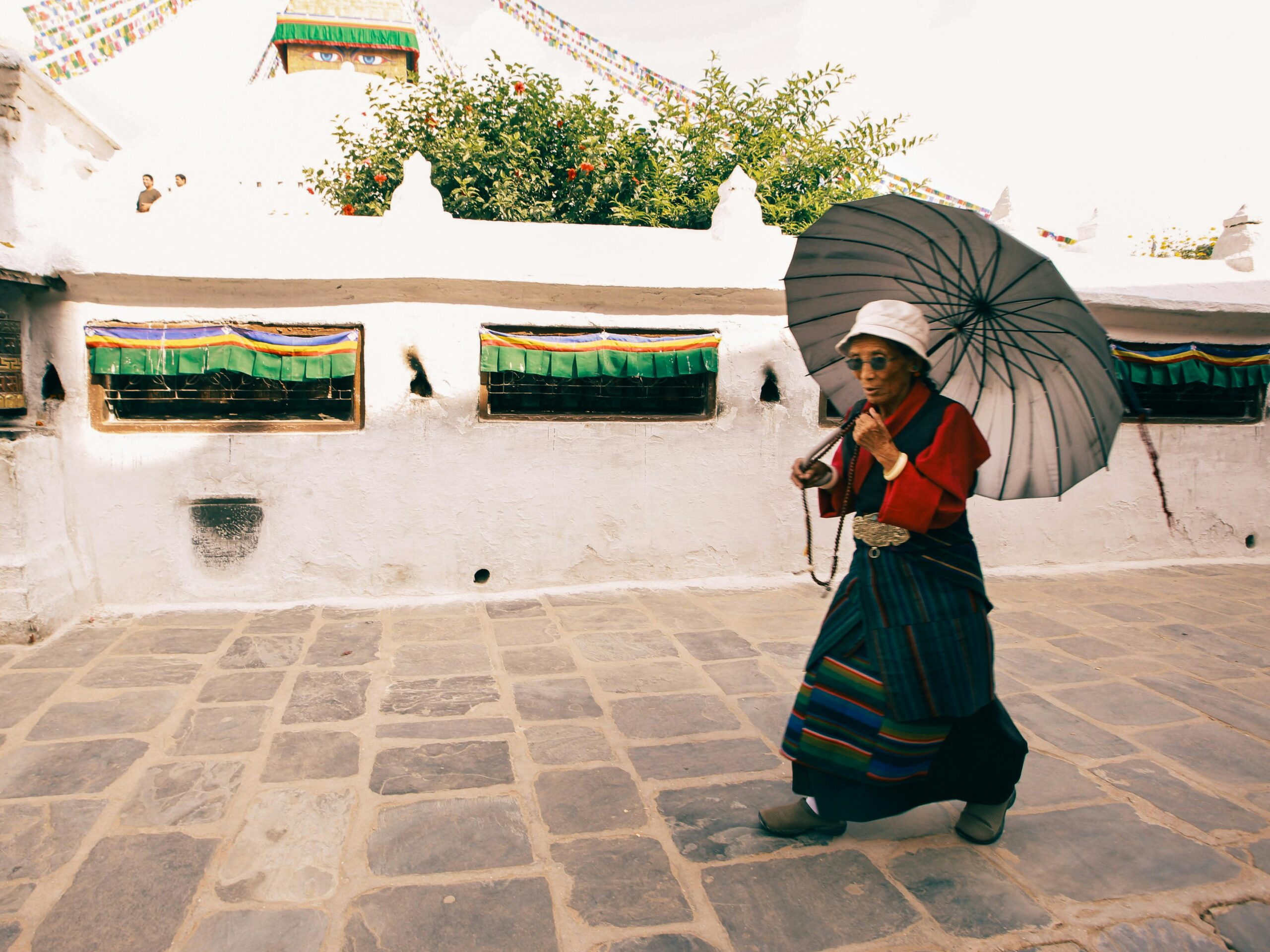
Tibetans have adapted physically and culturally to high altitude:
- Many have physiological traits that help them cope with low oxygen levels.
- Traditional diets and clothing are built around cold, dry conditions.
For visitors, the key is proper acclimatization, which is why serious operators:
- Recommend a stay of at least 8–10 days to make the most of the trip and spread out altitude gains,.
- Build itineraries that start with a couple of easier days in Lhasa before going higher,.
- Provide guidance on hydration, rest, and recognizing early signs of altitude discomfort.
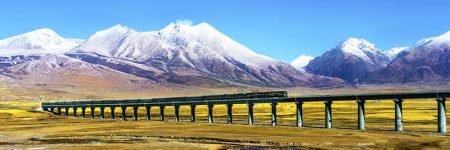
17. The Qinghai–Tibet Railway: An Engineering and Travel Curiosity
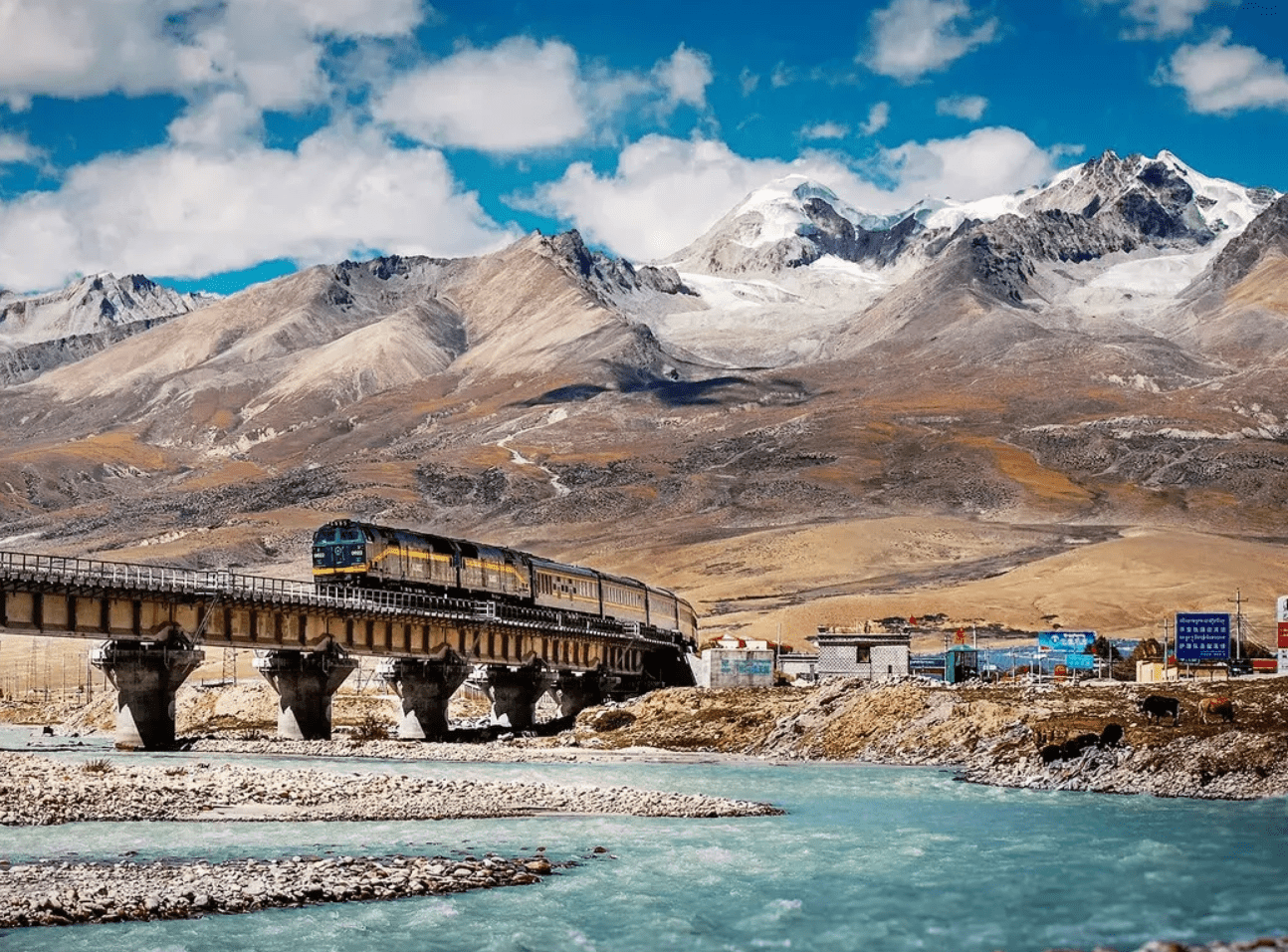
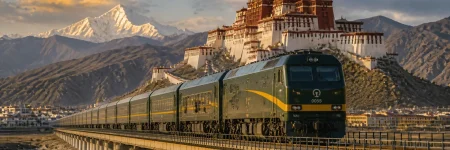
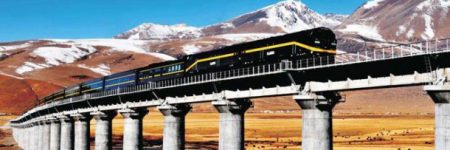
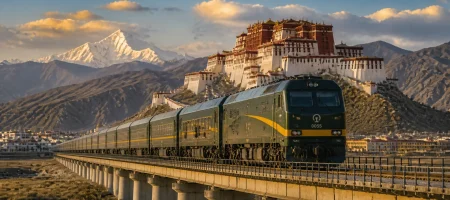
The Qinghai–Tibet Railway is one of the world’s highest railways, connecting mainland China with Lhasa across vast stretches of permafrost and high passes.
Curiosities about this train include:
- Special oxygen‑supplement systems in the carriages to help passengers at high altitude.
- Panoramic views of remote grasslands, lakes, and wildlife.
Many itineraries use the train in one direction (for example, train in and flight out), both for the scenic experience and for a more gradual approach to altitude.
Hidden Gems in Tibet You Can Actually Visit
When people imagine a Tibet tour, they usually think of Lhasa, Potala Palace, the Jokhang Temple, Yamdrok Lake, and Mount Everest Base Camp. These are iconic, but Tibet also hides quieter corners and lesser‑known sites.
18. Smaller Monasteries and Village Temples
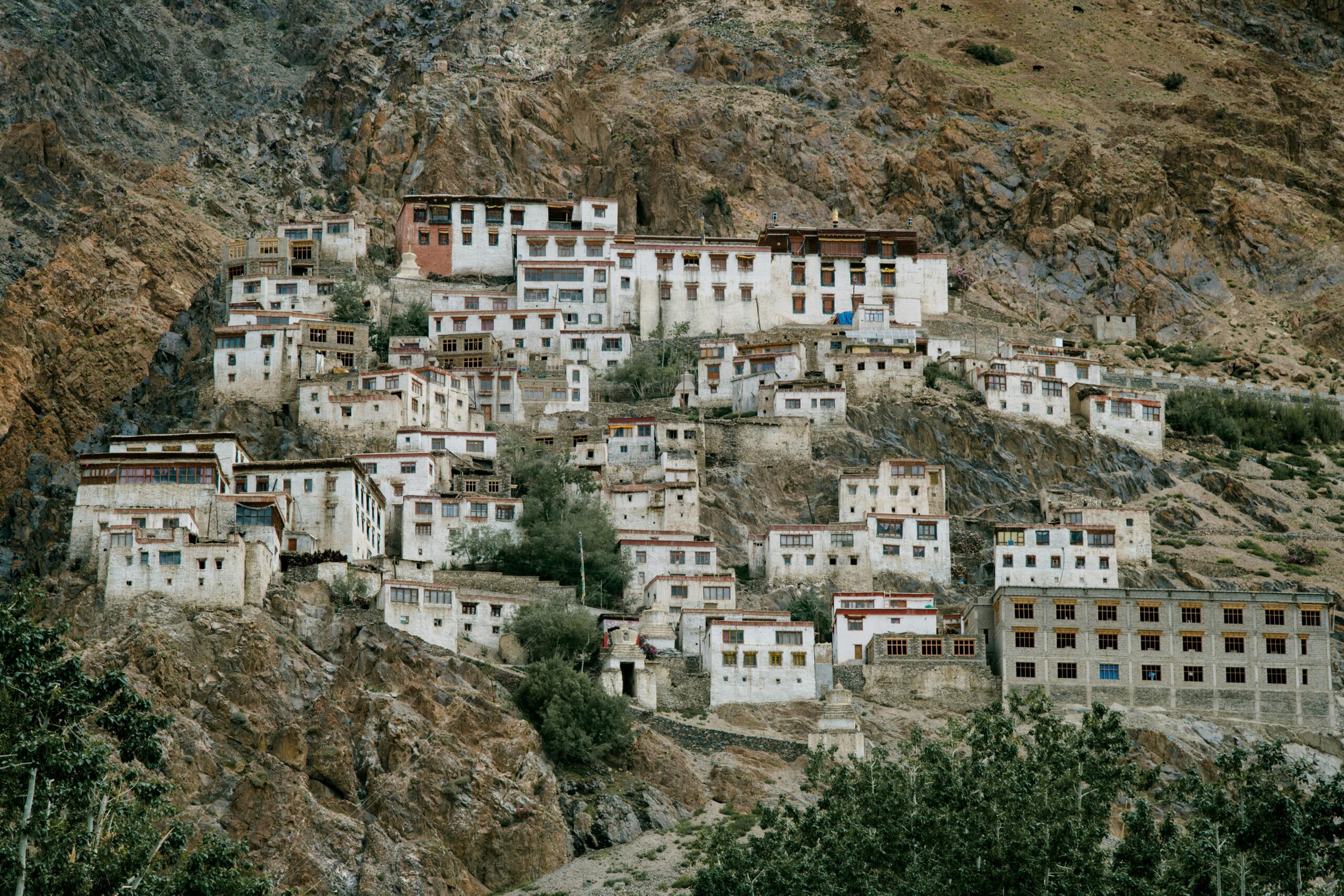
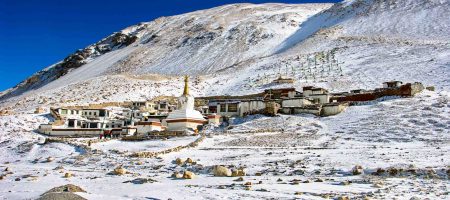
Beyond the famous monasteries, there are smaller temples and gompas in rural areas and on side roads:
- These places often feel more intimate and less crowded.
- You may witness daily rituals and community gatherings rather than large tourist groups.
ExperienceTibet’s more in‑depth itineraries can include such stops, giving you a chance to see how Buddhism is practiced away from the main tourist circuit,.
19. Remote Valleys and Lakes
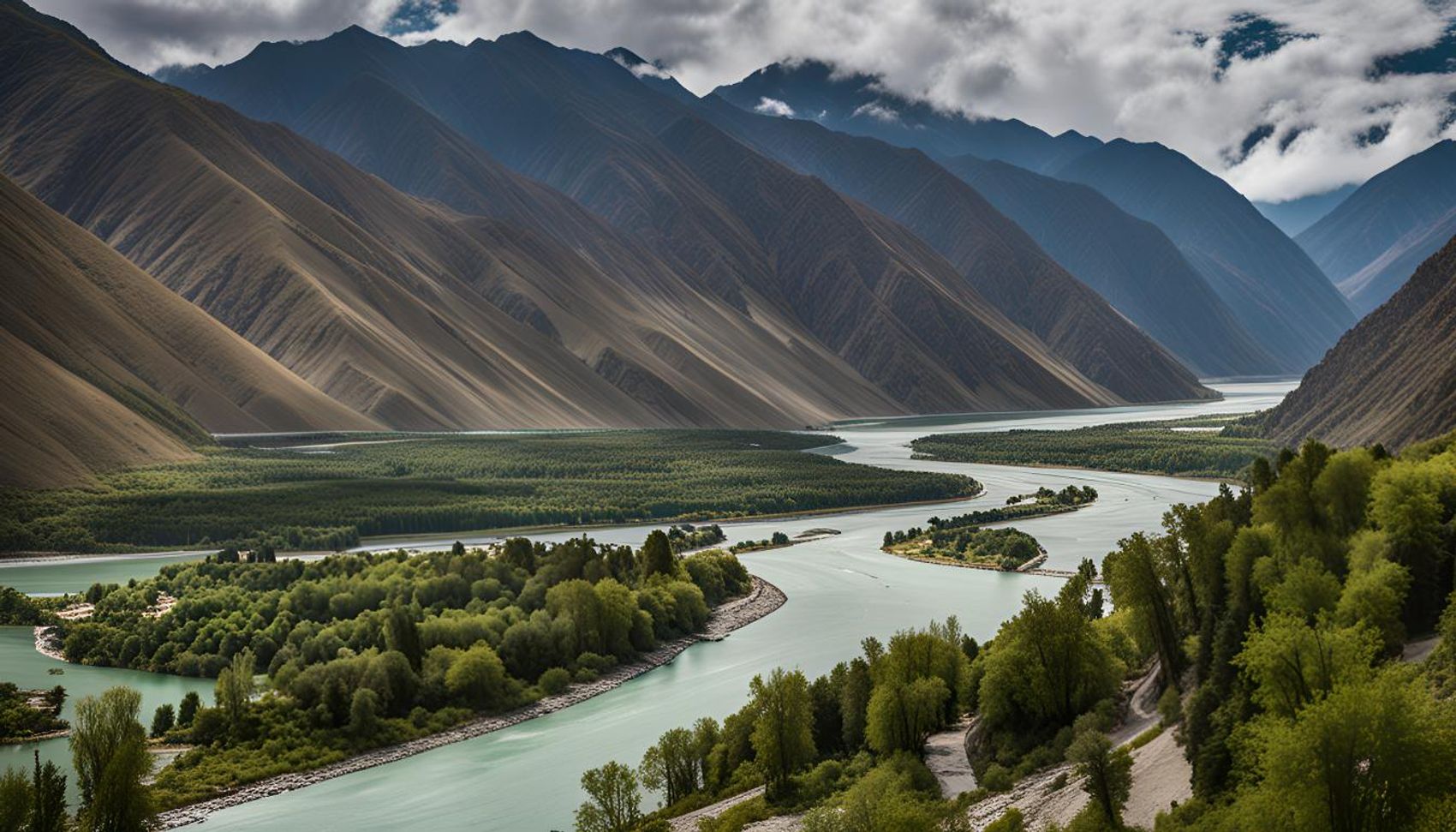
Articles on Tibet’s hidden gems highlight that beyond classic sites lie remote valleys and lakes rarely visited by first‑timers:
- Valleys with traditional villages, barley fields, and local markets.
- Smaller lakes or viewpoints that require an extra drive or short hike.
Because some of these areas are closer to sensitive borders or high‑altitude regions, a professional local agency is crucial to ensure access, safety, and compliance with regulations,.
20. Authentic Encounters with Nomad and Farming Communities
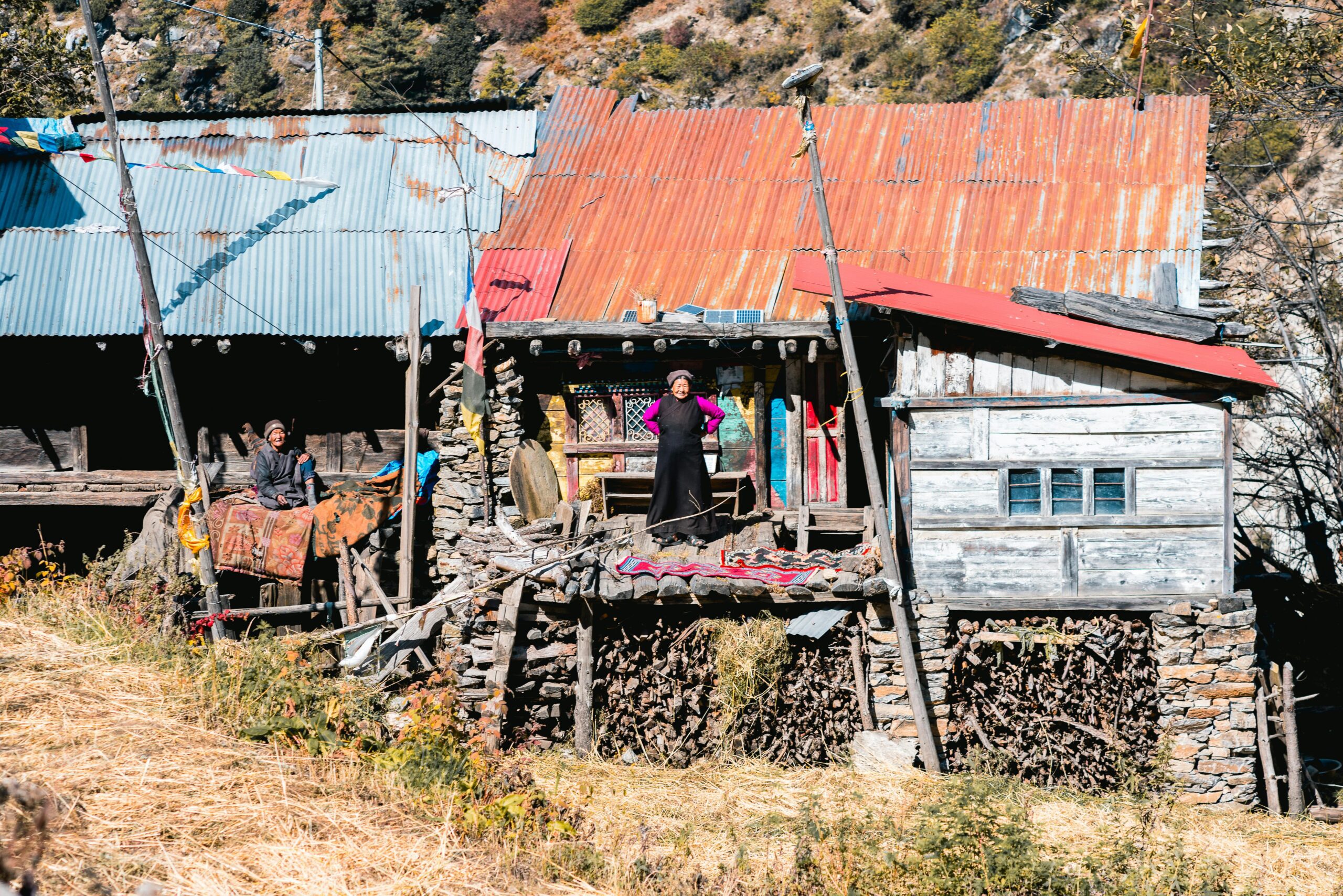
A growing number of cultural itineraries include visits to nomad camps or farming villages, where travelers can:
- Share yak butter tea or a meal.
- Learn about traditional crafts, such as weaving or butter‑lamp making.
- See how people balance ancient traditions with modern pressures,.
ExperienceTibet, with its focus on culture and people, integrates such encounters in ways that respect local communities and give travelers genuine insight,.
How to Experience Tibet’s Curiosities on a Real Trip
Knowing these curiosities is one thing; living them on the plateau is another. Well‑designed tours help you transform fascinating facts into personal experiences.
21. Classic Cultural Itineraries from Lhasa
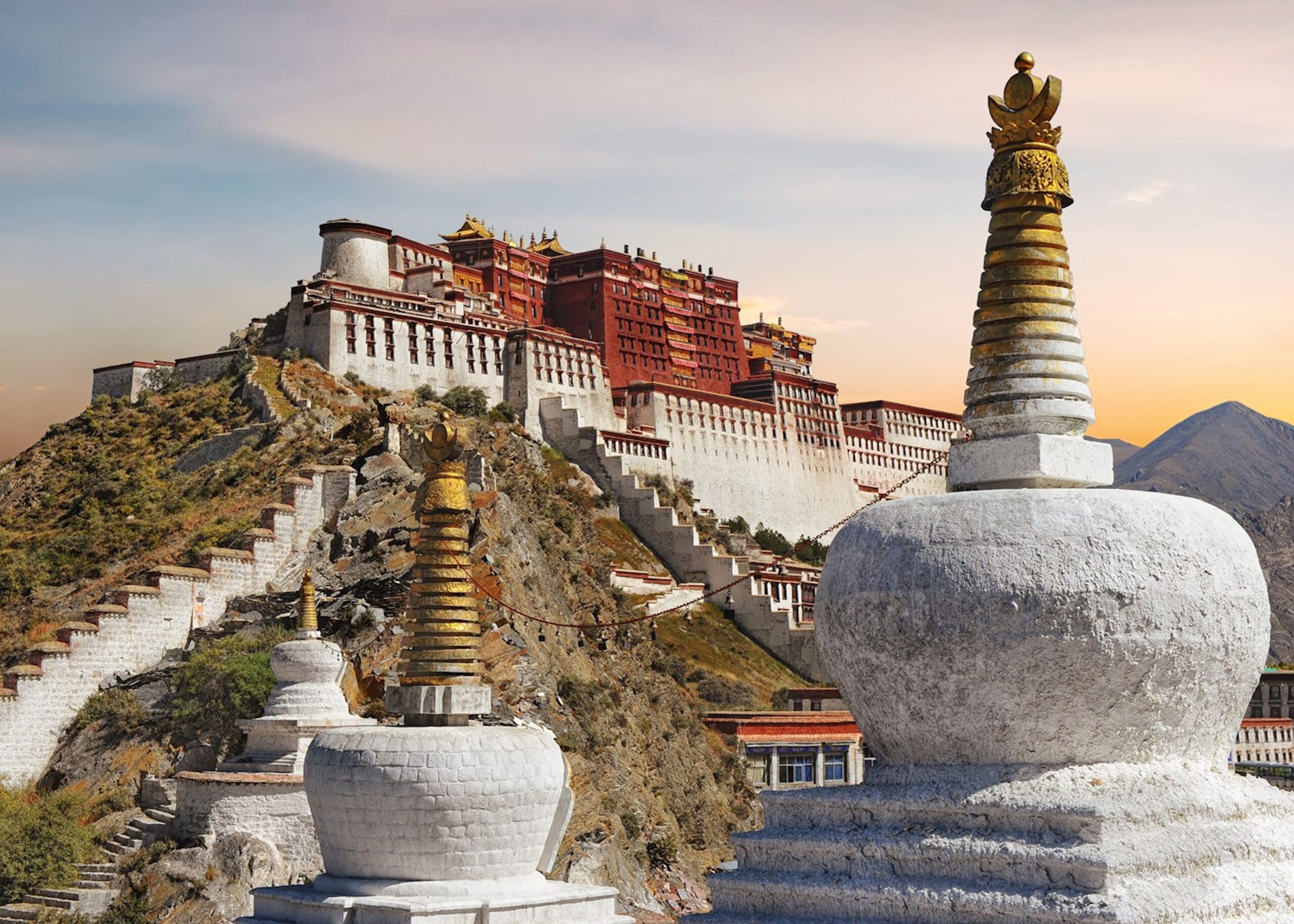
For first‑time visitors, a 4–5 day Lhasa‑based itinerary is an ideal introduction:
- Explore Potala Palace, once the winter residence of the Dalai Lama, and a symbol of Tibetan heritage.
- Visit Jokhang Temple and walk the Barkhor kora alongside pilgrims.
- Take a day trip to Yamdrok Lake, seeing holy waters and high passes lined with prayer flags.
ExperienceTibet 4‑Day Lhasa Holy City Tour is a typical example of this style of trip, designed to blend major sights, cultural encounters, and time for acclimatization.
22. Adventure Routes: Everest and Beyond
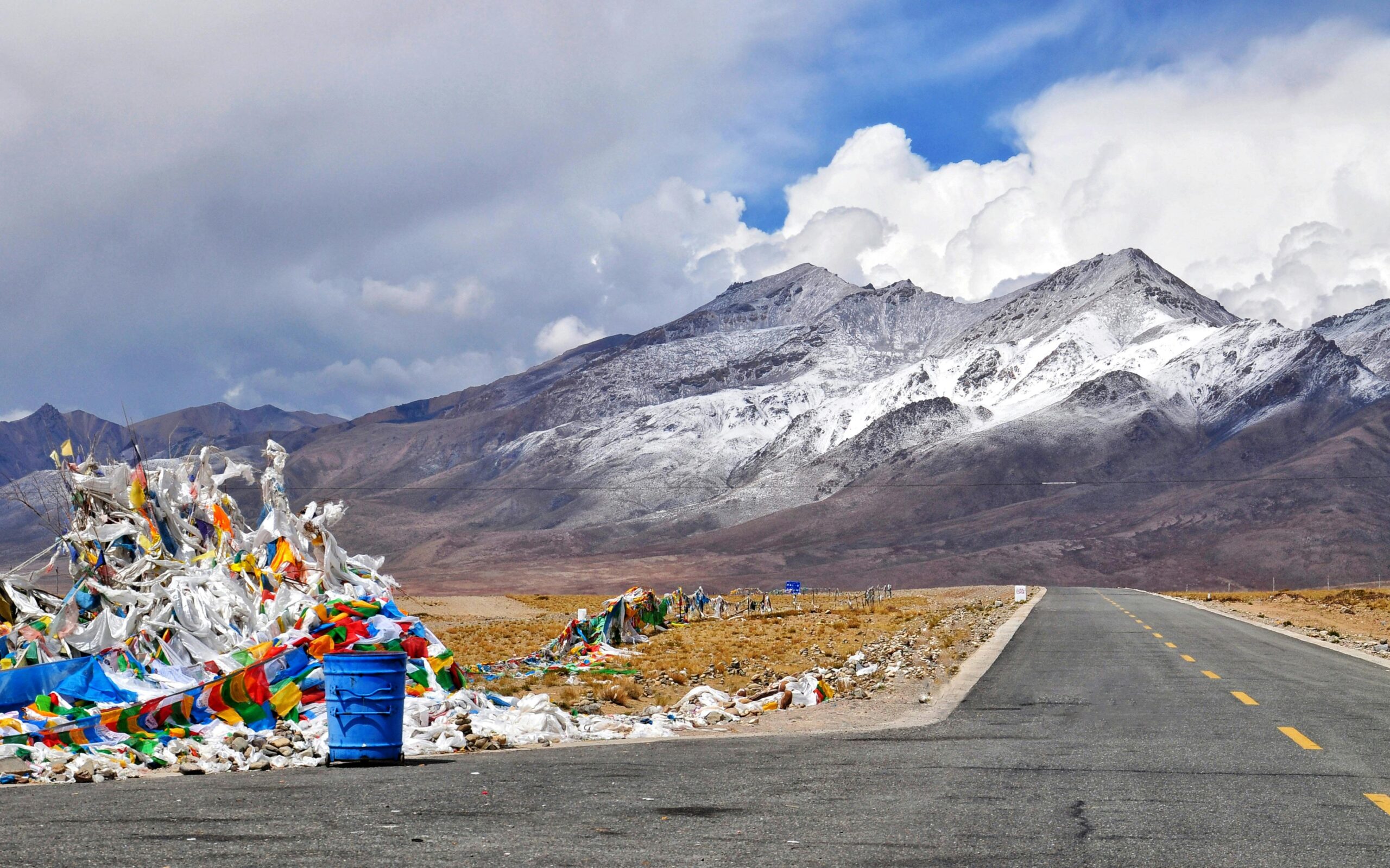
For those seeking more adventure, longer tours might include:
- Overland journeys from Lhasa to Shigatse and Everest Base Camp, passing monasteries and panoramic passes.
- Optional extensions toward more remote regions, where you can see fewer‑visited monasteries or lakes,.
These routes are where many of Tibet’s natural curiosities—high passes, stark valleys, and the full drama of the Himalayan wall—come into view.
23. Spiritual Journeys and Festival‑Focused Tours
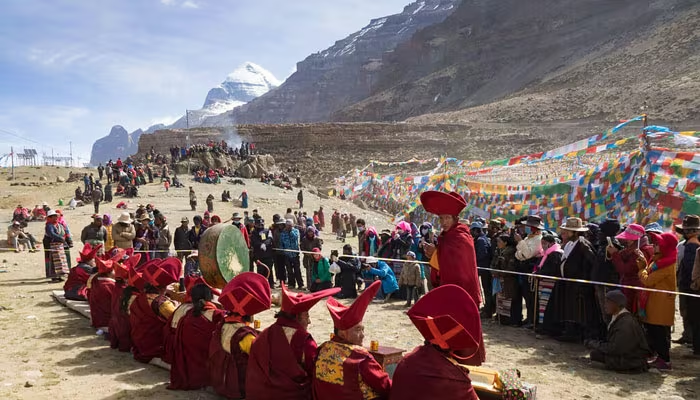
If you’re drawn to Tibet spiritual side, consider:
- Itineraries that align with major festivals like Losar, Saga Dawa, or Shoton, giving you a front‑row seat to Tibetan celebrations,.
- Routes that include important pilgrimage sites and allow you to join part of a kora or visit multiple monasteries in different regions.
A specialized agency can advise you on the best month‑by‑month options, as Tibet’s climate and festival calendar change across the year,.
24. Why Traveling with a Local Expert Matters
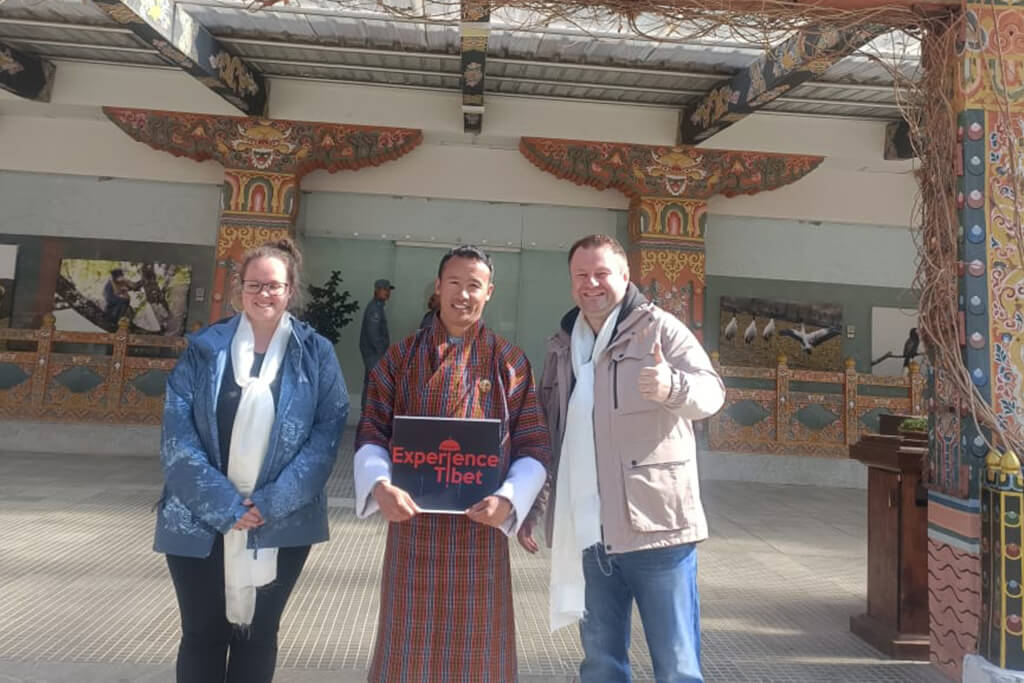
Because of Tibet’s altitude, regulations, and cultural sensitivities, traveling with a local expert is more than a convenience—it’s a key to unlocking the region’s curiosities responsibly:
- Permits and logistics are handled for you,.
- Itineraries are planned with health and acclimatization in mind,.
- Local guides explain the meaning behind rituals, festivals, art, and monasteries, turning each curious sight into a story.
- Responsible operators, like ExperienceTibet, avoid inappropriate activities (for example, treating sky burials as tourist attractions) and prioritize respectful cultural encounters,.
25. Plan Your Tibet Tour with ExperienceTibet
ExperienceTibet is a trusted Tibetan tour agency with over 15 years of expertise organizing small‑group and private tours across Tibet. On their website you’ll find:
- A comprehensive Tibet Travel Guide 2025 with information on best times to visit, permits, and typical costs.
- Detailed FAQs on visas, routes, altitude, and safety.
- A Tibet Travel Blog featuring cultural insights and travel tips,.
- A selection of Tibet Small Group Tours and customizable private itineraries, from short Lhasa stays to extended plateau adventures,.
If the curiosities of Tibet have sparked your imagination, the next step is simple: choose the type of experience that suits you—cultural, adventurous, spiritual, or a mix—and let a specialist craft an itinerary that allows you to see, feel, and understand the Roof of the World.
Frequently Asked Questions About Tibet’s Curiosities
What is the most surprising curiosity about Tibet for first‑time visitors?
For many first‑time visitors, the most surprising curiosity is how deeply spirituality shapes everyday life. You don’t just see temples—you see pilgrims of all ages circling sacred sites (kora), spinning prayer wheels, and prostrating in the streets around Jokhang Temple and Potala Palace. The whole city of Lhasa feels like a living pilgrimage route rather than a “museum of religion.”
Are sky burials in Tibet open to tourists?
No. Sky burials are private religious funerals and are not open to tourists. Responsible travel agencies will never arrange visits to sky burial sites or ceremonies. You can, however, learn about this tradition from your local guide, who can explain its meaning within Tibetan Buddhism and the local view of life, death, and rebirth.
When is the best time to visit Tibet to enjoy festivals and clear mountain views?
For clear mountain views, the best periods are generally April to early June and September to November, when the weather is relatively dry and skies are clearer . For festivals, timing depends on the Tibetan lunar calendar:
- Losar (Tibetan New Year) usually falls in February or March.
- Saga Dawa typically occurs between May and June.
- Shoton (Yogurt Festival) is often celebrated in August.
A Tibet specialist can help you match your travel dates with both favorable weather and major festivals.
Do I need a special permit to see Tibet’s hidden gems?
Yes, in most cases. All foreign visitors need a Tibet Travel Permit (TTP) to enter the Tibet Autonomous Region, and additional permits are required for certain areas such as Everest, Kailash, and some more remote counties. Hidden gems outside Lhasa—like high‑altitude lakes, small monasteries, and border‑adjacent valleys—can normally be visited only on a pre‑arranged tour with a licensed Tibet travel agency that handles the necessary permits and route planning.